Bloomberg

Zomato Drops in Mumbai as Stake Matching Uber’s Put Up for Sale

(Bloomberg) — Shares of of India’s Zomato Ltd declined as an undisclosed shareholder offered to sell 612 million shares at a discount, a stake matching that held by Uber Technologies. 

Zomato fell as much as 9.5% in Mumbai shortly after opening on Wednesday, before paring the drop to 1.6% at 54.65 rupees as of 9:55 a.m. local time. 

The selling shareholder in the block trade offered the stock at between 48 rupees and 54 rupees a piece, according to terms of the deal seen by Bloomberg News late Tuesday. The discount versus the last closing price was as wide as 13.6%. BofA Securities is the sole bookrunner of the block trade. 

Indian daily Business Standard reported on Tuesday that Uber is the holder disbursing the shares. Uber owns 612.2 million shares in Zomato, according to data compiled by Bloomberg.

Zomato raised $1.3 billion with its offering about one year ago, opening room for a slew of Indian startups that tapped investors through first-time share sales in the South Asian country. Shares of the Indian online food-delivery platform plunged last week following the expiry of a lock-up period for investors in the company prior to the offering. 

Pre-IPO investors in the New Delhi-based company include China’s Ant Group Co., Info Edge India, Uber Technologies Inc. and Sequoia Capital. 

Zomato shares jumped 20% on Tuesday, the most since the debut session last year, as a number of block trades changed hands after it released its quarterly performance report. The result showed a smaller-than-expected loss and revenue in line with analyst expectations. 

(Updates with share prices on Wednesday.)

More stories like this are available on bloomberg.com

©2022 Bloomberg L.P.

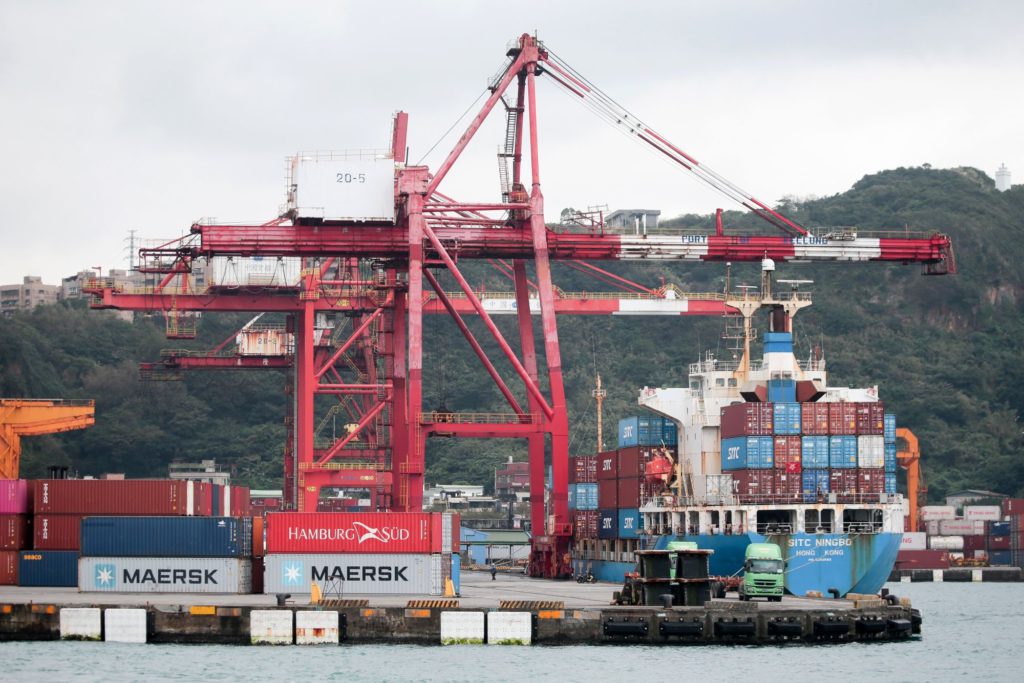
China Imposes Economic Curbs on Taiwan With Sand, Fruit Bans

(Bloomberg) — China halted some trade with Taiwan in retaliation to the high-profile visit of US House Speaker Nancy Pelosi to the island.

China’s General Administration of Customs said in a statement Wednesday that some fish and fruit imports were suspended due to excessive pesticide residue detected “multiple times” on products since last year, as well as some frozen fish packages that tested positive for coronavirus in June. The Ministry of Commerce said in a separate statement it banned natural sand exports based on provisions of related law, but gave no further details. 

Beijing has often targeted Taiwan’s agricultural industry for punishment over political issues. Many of southern Taiwan’s fruit-producing regions are typically bastions of political support for President Tsai Ing-wen’s Democratic Progressive Party, which advocates for Taiwan’s formal independence. 

China caught Taiwan off guard last year when it suddenly blocked pineapple imports from there. Beijing later halted imports of wax and sugar apples last September. While most fruit produced in Taiwan is consumed domestically, the vast majority of exports go to China.

The trade actions followed a Taiwanese media report that China on Monday banned food imports from more than 100 of the island’s suppliers.

China is Taiwan’s largest trading partner, with bilateral trade rising 26% on year to $328.3 billion last year. Taiwan held a sizable surplus against China, with exports from the island exceeding imports by $172 billion, according to Chinese customs data. While Beijing could leverage that advantage by sanctioning exporters, China also relies on Taiwan for semiconductor supplies.

Two-way trade totaled $165 billion in the first half of this year, with Taiwan’s surplus with China at $79.8 billion.

Even Pay, an analyst at consultancy Trivium China in Beijing, said more trade disruptions can be expected between China and Taiwan while tensions remain high. She said it was “common practice” for Beijing to identify minor compliance issues and enforce rules very strictly with trade partners, citing the example of Canadian canola after Meng Wanzhou, chief financial officer of Huawei Technologies Co., was detained.

“It looks like stepped up military exercises announced Tuesday night may disrupt shipping in the region through Sunday at least, particularly into ports in Taiwan and Fujian, but also for any cargoes that might typically pass through the area around Taiwan,” said Pay.

The sand export ban cuts off the island’s main source of the construction material. With grains about 5 millimeters wide or less, natural sand is typically used to produce things like concrete and asphalt.

China previously halted natural sand exports to Taiwan in March 2007, citing environmental concerns, and lifted the ban about one year later. Taiwan activated a contingency plan at the time, including importing materials from the Philippines and using local river sand to close the gap. 

Read More: China Halts Natural Sand Exports to Taiwan After Pelosi Visit

Taiwan imported 5.67 million metric tons of sand and gravel in 2020, with natural sand constituting about 8% of total, according to a report from Taiwan’s Ministry of Economic Affairs. More than 90% of Taiwan’s imported sand and gravel is from China, due to much higher transportation costs from other countries like Vietnam, the report said.

(Adds additional context about China-Taiwan trade in seventh paragraph.)

More stories like this are available on bloomberg.com

©2022 Bloomberg L.P.

Pelosi Vows US Won’t Abandon Taiwan in Face of Chinese Pressure

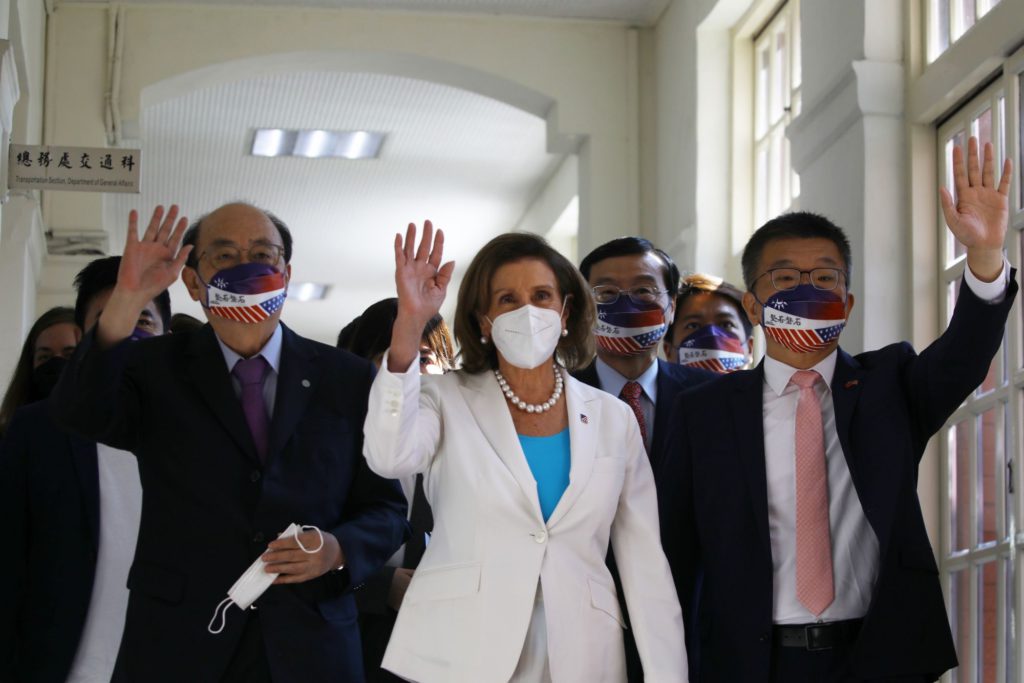
(Bloomberg) — House Speaker Nancy Pelosi pledged that the US wouldn’t abandon Taiwan, reaffirming US support for the democratically elected government in Taipei despite fresh threats of military action by Beijing. 

Pelosi made her comments on Wednesday during a Presidential Office ceremony with Taiwanese leader Tsai Ing-wen. The California Democrat’s arrival in Taiwan late Tuesday made her the highest-ranking American official to visit in a quarter century. 

“We will not abandon our commitment to Taiwan and we are proud of our enduring friendship,” Pelosi said. “Now more than ever American solidarity with Taiwan is crucial,” she added. “That’s the message we’re bringing here today.”

Tsai, for her own part, said Pelosi’s visit showed Taiwan’s staunch international support in the face of a years-long international pressure campaign led by Beijing. 

“Facing deliberately heightened military threats, Taiwan will not back down,” Tsai said, after conferring an award on the visiting US lawmaker. 

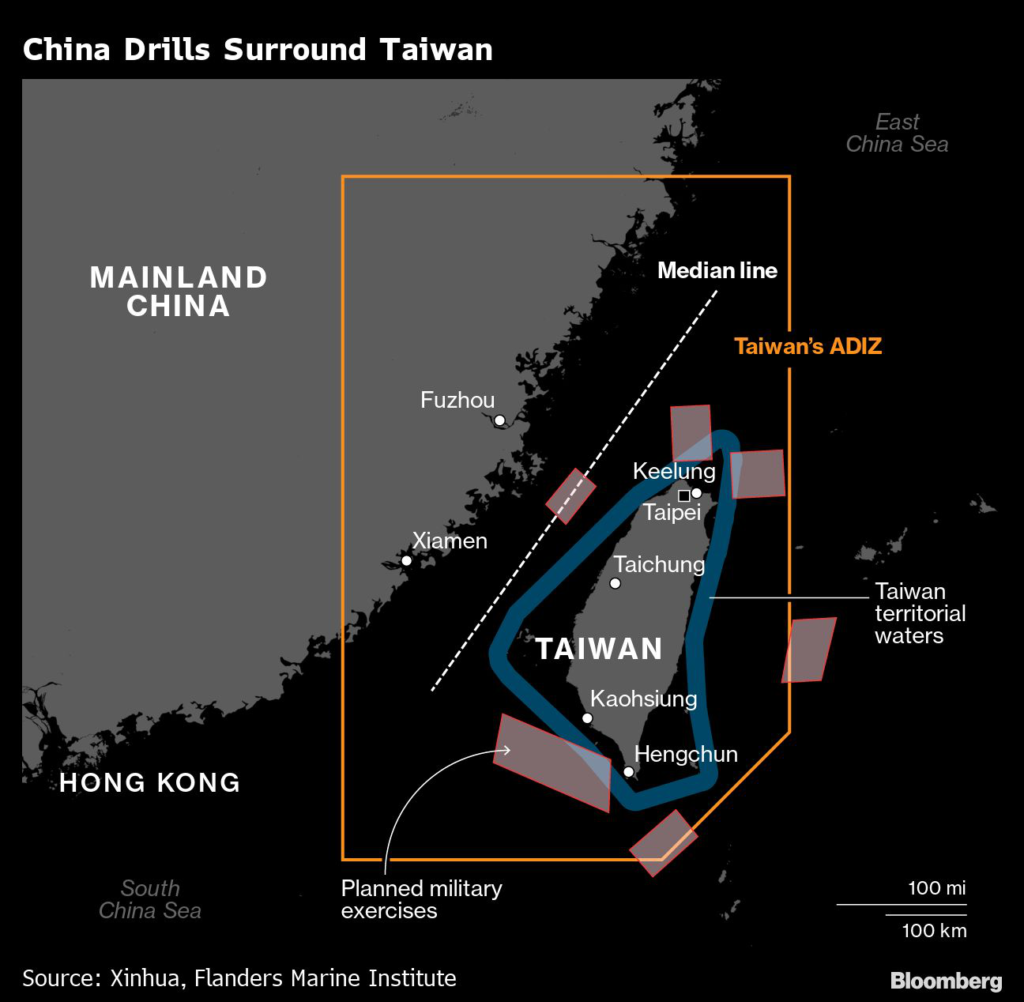
China, which regards Taiwan as part of its territory, has announced the most provocative military drills in decades around the island in the wake of Pelosi’s visit, which risks sparking a crisis between the world’s biggest economies. President Xi Jinping told President Joe Biden last week he would “resolutely safeguard China’s national sovereignty and territorial integrity” and that “whoever plays with fire will get burned.”

The Foreign Ministry in Beijing said in a statement after Pelosi landed that “China will take all necessary measures to resolutely defend national sovereignty and territorial integrity, and all consequences must be born by the US and the Taiwan independence forces.” 


Taiwan shares were down 0.1% as of 10:56 a.m. local time. China’s benchmark CSI 300 Index fell 0.4%, erasing an earlier gain of as much as 1.1%.

The White House has sought to dial back rising tensions with China, emphasizing that Congress is an independent branch of government. Pelosi is the highest-ranking American politician to visit Taiwan since then-House speaker Newt Gingrich did so in 1997. 

Under an agreement reached in 1978 to normalize relations between China and the US, Washington agreed to recognize only Beijing as the seat of China’s government, while acknowledging — but not endorsing — the Chinese position that there is but one China and Taiwan is part of China.

The US has insisted that any unification between the island and mainland must be peaceful, and supplied Taiwan with advanced weaponry while remaining deliberately ambiguous about whether US forces would help defend against a Chinese attack.

More stories like this are available on bloomberg.com

©2022 Bloomberg L.P.

Pelosi to Meet Taiwan Leader as China Opens Military Drills

(Bloomberg) — US House Speaker Nancy Pelosi became the highest-ranking American politician to visit Taiwan in 25 years, prompting China to announce economic retaliation and its most provocative military drills near the island in decades.

Pelosi was set to hold a joint news briefing with Taiwanese President Tsai Ing-wen at 10:53 a.m. Wednesday in Taipei, after speaking with legislative representatives. The California Democrat said she had “come in peace for the region,” following comments upon her arrival Tuesday night that her visit “in no way contradicts longstanding United States policy” and that Washington opposes “unilateral efforts to change the status quo.”

“Our congressional delegation’s visit to Taiwan honors America’s unwavering commitment to supporting Taiwan’s vibrant democracy,” Pelosi said in a statement.

China condemned the visit and announced a series of economic and military responses, including banning sand exports to Taiwan and halting some fish and fruit imports from the island. The People’s Liberation Army said it would conduct “long-range live firing” nearby, as well as more drills encircling the island from Aug. 4. Early Wednesday, state broadcaster China Central Television said the country had launched joint navy and air force exercises around Taiwan.

The drills are the most significant show of force by China around Taiwan since at least 1995, when Beijing test-fired missiles into the sea near the island in response to Taiwan’s president, Lee Teng-hui, visiting the US. Back then, China also declared exclusion zones around target areas during the tests, disrupting shipping and air traffic.

“China will take all necessary measures to resolutely defend national sovereignty and territorial integrity, and all consequences must be born by the US and the Taiwan independence forces,” the Foreign Ministry in Beijing said in a statement after Pelosi landed. The ministry summoned US Ambassador Nicholas Burns to protest the visit.

Taiwan faced cyberattacks late Tuesday, with the presidential office saying it suffered a 20-minute barrage in the early evening hours that was 200 times worse than usual. The Taiwanese Foreign Ministry’s website also appeared to face periodic disruptions.

Taiwan shares were down 0.1% as of 10:00 a.m. local time, extending losses into a third day. China’s benchmark CSI 300 Index rose as much as 1.1%, reversing some of Tuesday’s losses.

John Kirby, spokesman for the National Security Council, said at a White House briefing that there’s no reason “for Beijing to turn this trip, which is consistent with long-standing US policy, into some sort of crisis or use it as a pretext to increase aggressiveness and military activity in or around the Taiwan Strait, now or beyond” Pelosi’s visit. 

China, which regards Taiwan as part of its territory, had vowed an unspecified military response ahead of Pelosi’s travel, which risks sparking a crisis between the world’s biggest economies. President Xi Jinping told President Joe Biden last week he would “resolutely safeguard China’s national sovereignty and territorial integrity” and that “whoever plays with fire will get burned.”

“We are going to make sure that she has a safe and secure visit,” Kirby said on CNN. “We will not be intimidated or deterred from all of our other security commitments in the region because of the Chinese rhetoric or even some of their actions.”

Taiwan’s Defense Ministry said in a statement Tuesday that the island’s military was prepared to send “appropriate armed forces according to the threat,” adding that it was “determined, confident and capable of ensuring national security.”

Pelosi is the highest-ranking American politician to visit Taiwan since then-House speaker Newt Gingrich did so in 1997. That came after the last major crisis in the Taiwan Strait, when China lobbed missiles into the sea near ports and then-President Bill Clinton sent two aircraft carrier battle groups to the area.

Pelosi will meet with Tsai at 10:30 a.m. and hold a press conference shortly after, according to the presidential office. She will also meet with Mark Liu, chairman of Taiwan Semiconductor Manufacturing Co., the Washington Post reported, as well as democracy activists.

The previously unannounced stop in Taiwan comes after Pelosi led a congressional delegation to Singapore and Malaysia. They will head next to South Korea and Japan — two staunch US allies.

While the White House has sought to dial back rising tensions with China, emphasizing that Congress is an independent branch of government, Beijing has rejected that argument. On Tuesday, Chinese Foreign Ministry spokeswoman Hua Chunying slammed the “provocative” visit and said any countermeasures from Beijing would be “justified.” Still, she left the door open for a possible in-person summit between Biden and Xi later this year.

Taiwan remains the most sensitive issue between the US and China, with the potential to one day spark a military conflict. Biden said in May that Washington would intervene to defend Taiwan in any attack from China, although the White House later clarified he meant the US would provide weapons, in accordance with existing agreements.

Chinese media outlets including the Communist Party’s Global Times have suggested the People’s Liberation Army would respond aggressively to a Pelosi trip, possibly by sending military aircraft over the island.

Under an agreement reached in 1978 to normalize relations between China and the US, Washington agreed to recognize only Beijing as the seat of China’s government, while acknowledging — but not endorsing — the Chinese position that there is but one China and Taiwan is part of China. The US has insisted that any unification between the island and mainland must be peaceful, and supplied Taiwan with advanced weaponry while remaining deliberately ambiguous about whether US forces would help defend against a Chinese attack.

“We’re going to see another three or four days of significant tensions as the People’s Liberation Army does a series of live-fire drills exercises. The United States will move some military hardware into the region,” Jude Blanchette of the Center for Strategic & International Studies, told Bloomberg Television. 

“So this is going to feel tense,” he added. “I think what this really signals, though, is that the bilateral relationship has — unfortunately — moved into a much more contentious period where it’s beyond trade now.”

(Updates with Pelosi comments in second paragraph.)

More stories like this are available on bloomberg.com

©2022 Bloomberg L.P.

Twitter Subpoenas Musk Deal Investors, Digs Into Andreessen, VCs

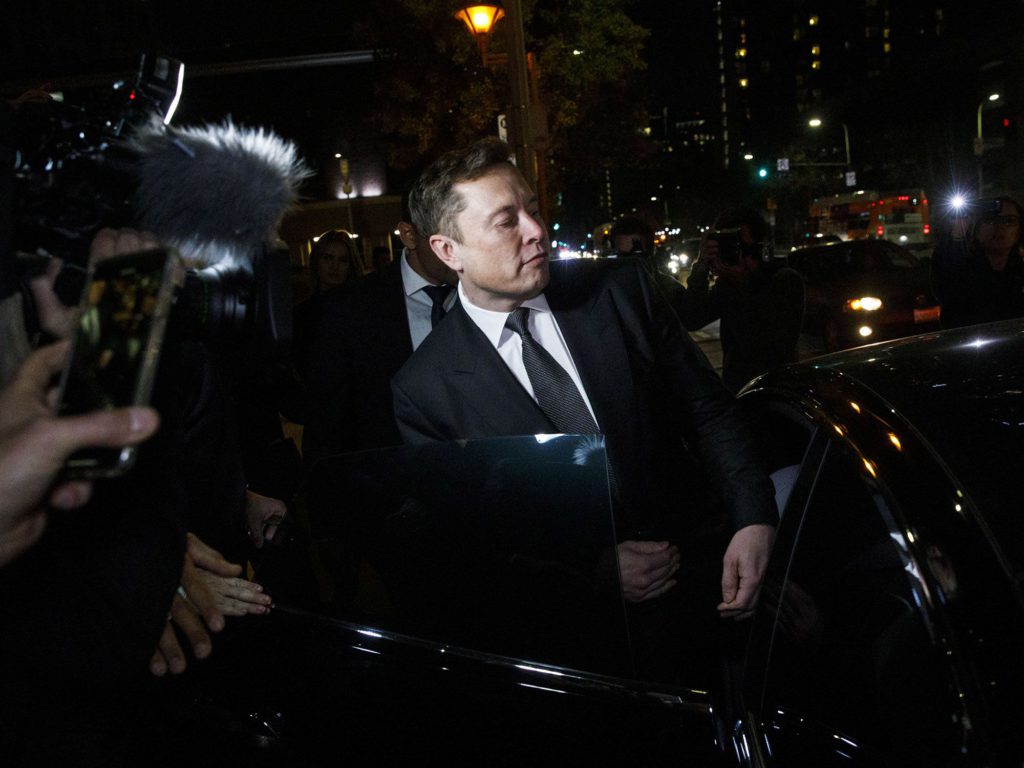
(Bloomberg) — Twitter Inc. subpoenaed records from equity investors including a unit of Brookfield Asset Management Inc., and sought information on Marc Andreessen and a host of venture capital figures, over Elon Musk’s financing of the $44 billion buyout it sued him to complete.

Brookfield’s new venture capital arm put $250 million into Musk’s $7.1 billion equity raise for the deal in May. Twitter’s lawyers want to know about the terms of that investment and the billionaire’s efforts to syndicate the package, according to court filings Tuesday in Delaware. 

Twitter demanded information from more than a dozen firms besides Brookfield, including DFJ Growth IV Partners, Valor Equity Partners, Fidelity Management & Research and Andreessen’s AH Capital Management, according to the filings. 

Read More: Morgan Stanley, BofA Subpoenaed by Twitter in Musk Fight 

The social media company also sought information from investor Key Wealth Advisors on Jason Calacanis, Steve Jurvetson, Joe Lonsdale, Chamath Palihapitiya, Keith Rabois and David Sacks. The Washington Post on Monday reported that subpoenas had gone out seeking information on those investors, some of whom weren’t previously known to have been involved in the deal.

Bloomberg LP, which owns Bloomberg News, has invested in Andreessen Horowitz.

As the agreement between Musk and Twitter was coming together, Calacanis had canvassed his network of wealthy investors to solicit backing for the deal. “We are now collecting interest to invest in Twitter, with Elon Musk’s plan to take it private,” he wrote in a May 11 message seen by Bloomberg with the subject “Twitter interest.” He asked investors to get back to him that night. It’s unclear how much interest he got.

The pretrial request for information seeks a wide range of communications and documents about Musk’s bid to acquire Twitter for $54.20 a share, which he is seeking to undo over claims the company failed to provide him with information about spam and bot accounts. Twitter also has hit a list of banks involved in Musk’s financing package with a round of subpoenas about their involvement.

Some decried the effort as overly broad, with Lonsdale calling it “a giant harassing fishing expedition” and complaining of a “YOU ARE HEREBY COMMANDED” notice.

Many of those investors know Musk from his days at PayPal, which he ran until his ouster in 2000. Rabois and Sacks were PayPal executives, and Lonsdale once worked as a PayPal intern. Jurvetson, who has been friends with Musk for years, holds a board seat at SpaceX and previously held one at Tesla Inc., both run by Musk.

Calacanis is also in Musk’s orbit, and hosts a podcast called All-In, with Sacks and Palihapitiya among its hosts. At a recent All-In conference in Miami, Musk dialed in to speak and spent some of the time casting doubt on Twitter’s numbers.

Delaware Chancery Court Judge Kathaleen St. J. McCormick has scheduled a five-day trial starting on Oct. 17 in Wilmington. 

The case is Twitter v. Musk, 22-0613, Delaware Chancery Court (Wilmington). 

Read More

What If Musk Is Ordered to Do Twitter Deal and He Just Says No?

Musk Files Defense Under Seal as Twitter Trial Set for Oct. 17

(Updates to add details on Jason Calacanis’s fundraising efforts in the sixth paragraph.)

More stories like this are available on bloomberg.com

©2022 Bloomberg L.P.
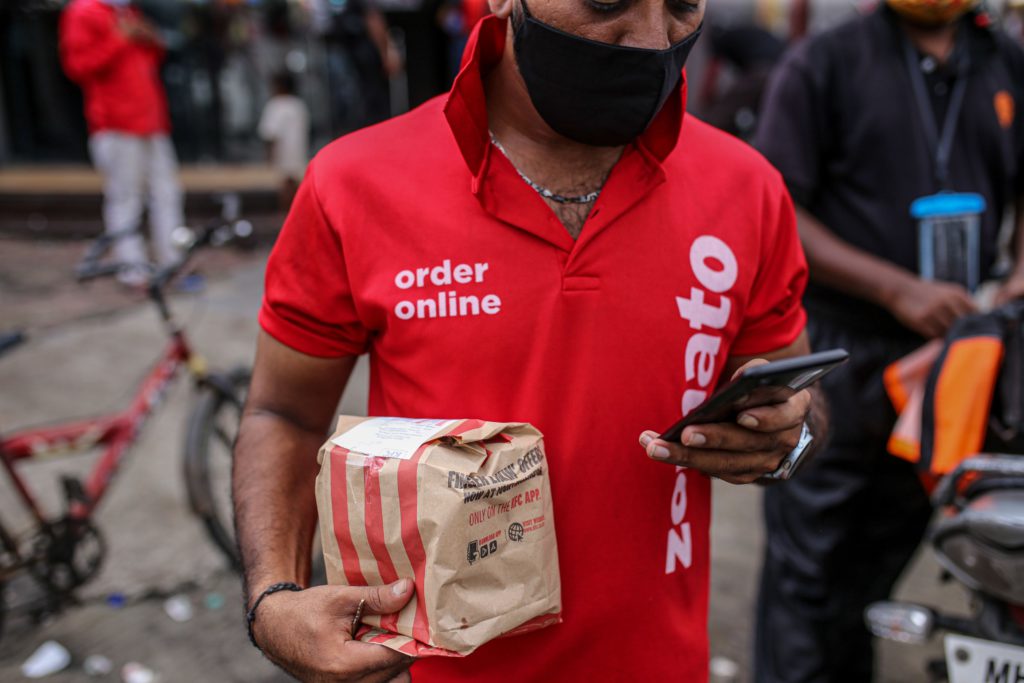
Zomato Holder Seeks Up to $420m From Block Sale, Terms Show

(Bloomberg) — An undisclosed shareholder of India’s Zomato Ltd. is seeking to raise as much as $420 million through a block sale, according to terms of the deal seen by Bloomberg News. 

The holder is offering 612 million shares at between 48 rupees and 54 rupees each, the terms show. That represents a discount of between 2.8% and 13.6% to the stock’s closing price on Tuesday. At the bottom of the range, the holder would raise about $373 million. BofA Securities is the sole bookrunner. 

Zomato raised $1.3 billion with its offering about one year ago, opening room for a slew of Indian startups that tapped investors through first-time share sales in the South Asian country. Shares of the Indian online food-delivery platform plunged last week following the expiry of a lock-up period for investors in the company prior to the offering. 

Pre-IPO investors in the New Delhi-based company include China’s Ant Group Co., Info Edge India, Uber Technologies Inc. and Sequoia Capital. Indian daily Business Standard reported on Tuesday that Uber is the holder offering Zomato shares this week. Uber owns 612.2m shares in Zomato, according to data compiled by Bloomberg.

Zomato shares jumped 20% on Tuesday, the most for a session in more than a year, as a number of block trades changed hands after it released its quarterly performance report. The result showed a smaller-than-expected loss and revenue in line with analyst expectations. 

More stories like this are available on bloomberg.com

©2022 Bloomberg L.P.
JPMorgan’s China Calls Show Market Timing Is Tough

(Bloomberg) — Predicting the returns of Chinese technology stocks is harder than ever in an age of shifting government policy, rising interest rates and cooling economies. 

Take JPMorgan Chase & Co.’s Alex Yao. He downgraded 28 Chinese internet stocks in March, calling the industry “uninvestable” — right before an epic rally. He then shifted to upgrade the sector in mid-May and, while indexes are higher since then, the biggest company, Tencent Holdings Ltd., is down nearly 20%. Alibaba Group Holding Ltd. is a hair’s breadth away from wiping out all the gains since Yao upgraded the stock. 

An investor following Yao’s recommendations on Tencent would have lost 48% over the past year, worst among the analysts following the stock, according to Bloomberg-compiled data. Still, Yao has plenty of company. Strategies from many analysts on the stock would have generated losses of more than 30%. Yao and JPMorgan didn’t respond to requests for comment. 

“Our feeling is that it will be very difficult to time the right moment to move into China,” said Tom Masi, a New York-based portfolio manager at GW&K Investment Management. “What we are experiencing now is the repercussions of the slowdown from Covid lockdown, a greater uncertainty about the property market, rising pressure from unemployment.”

Chinese internet stocks have seen wild swings even by the standards of the volatile tech sector. 

The Nasdaq Golden Dragon China Index of US-listed companies lost three quarters of its value from a February 2021 peak through a low in March this year, crushed by a government regulatory crackdown. Then, China’s sweeping promise that the worst of the scrutiny was over spurred an almost 60% jump in the benchmark. But that rally petered out in late June on mounting concern that companies will be delisted from US exchanges and that earnings will be curbed by the economic slowdown.  

Tencent on Tuesday dropped to the lowest since 2018 after it failed to obtain new online game licenses. 

Yao’s blockbuster March call shouldn’t have used the word “uninvestable,” people familiar with the matter said in May. JPMorgan staff in charge of vetting the bank’s research asked for it to be removed from the 28 reports penned by Yao and his team before they were published, the people said, but it slipped through in four of them because of an editorial error.

For now, the majority of analysts are still sticking to their bullishness. Tencent has the most buy recommendations of any Asian company, while Alibaba and delivery giant Meituan are also near the top of the list, according to data compiled by Bloomberg. Analysts are expecting the three stocks to rise at least 38% in the next 12 months. Alibaba shares rose 2.5% in New York on Tuesday.

The August earnings season will provide a reality check. Analysts predict a weak quarter for China technology firms, as the April-June period was interrupted by the nation’s lockdowns of major cities. Alibaba is expected to report its first-ever quarterly drop in revenue this week. 

“Confidence will need to grow in the state’s willingness to let these companies thrive,” said David Waddell, CEO and chief investment strategist at Waddell & Associates. “Confidence will need to grow that the Chinese lockdowns will relent. Confidence will need to grow that recessions in the developed world won’t sink the developing world.” 

Tech Chart of the Day 

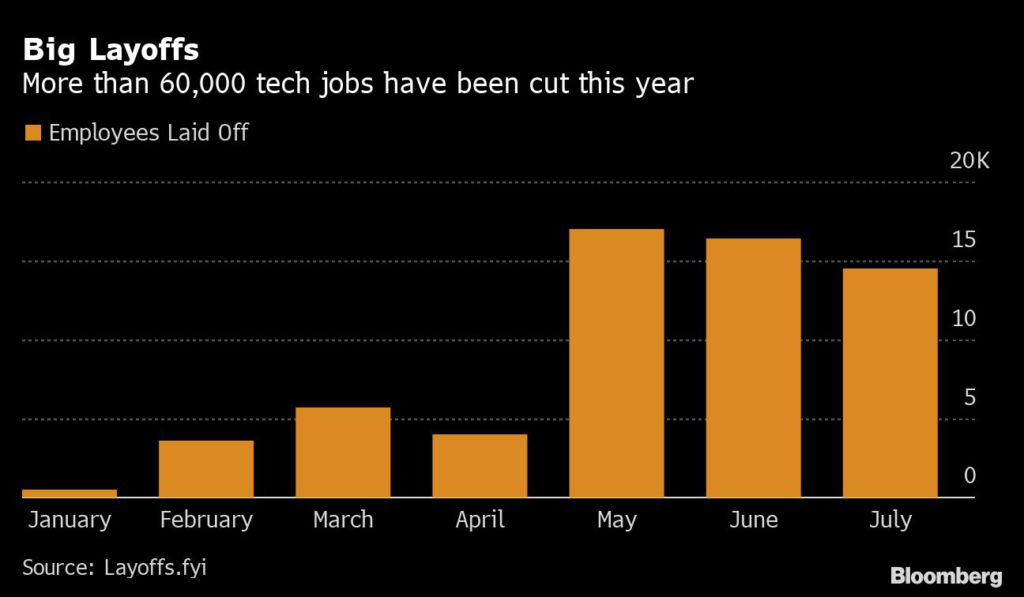
Technology companies have cut more than 60,000 jobs this year, according to Layoffs.fyi, which tracks both publicly traded and closely held businesses. On Monday, Oracle Corp. laid off employees in marketing and its US customer experience division, though the extent of the cuts couldn’t immediately be determined. Barclays Plc analyst Raimo Lenschow said “management is taking a proactive approach” as economic headwinds hit the software giant. The stock has fallen 11% this year, compared to the Nasdaq 100’s 21% dip. 

Top Tech Stories

  • Uber Technologies Inc. reported revenue that beat analysts’ estimates, boosted by resilient demand from customers who continued to hail rides and order takeout food despite rising inflation. Shares jumped as much as 16% on Tuesday.
  • Oracle cut jobs in marketing and the US customer experience division, signaling a pullback in customer analytics and advertising services.
  • Pinterest Inc. jumped after reporting resilient sales and user numbers and Elliott Investment Management confirmed a major stake, saying it approved of the company’s leadership. Shares gained about 18% on Tuesday.
  • Activision Blizzard Inc., the biggest US video game publisher, reported revenue that beat analysts’ estimates, but adjusted sales declined 15% from a year ago due to a soft Call of Duty launch last fall and a slow year for the gaming industry overall.
  • As the US Congress passed an historic $52 billion federal program to boost domestic chipmaking capabilities, it included one significant caveat: Companies that receive the funding have to promise not to increase their production of advanced chips in China.
  • Hedge fund billionaire Steve Cohen exited his investment in cryptocurrency trading startup Radkl, according to a spokesperson for the digital-asset company.
  • The weaker yen has triggered price hikes on electronics from iPhones to refrigerators across Japan this year, with one glaring exception: the video game console.
  • Amazon.com Inc. hired a senior Republican congressional aide, bolstering its efforts to stymie a new antitrust bill aimed at US technology companies, according to two people familiar with the hire.
  • The US’s top auditor watchdog is throwing cold water on a workaround that’s been floated as a way to avoid the delisting of nearly 200 Chinese companies from American stock exchanges.
  • Apple Inc. tapped the US high-grade bond market Monday with a $5.5 billion sale in four parts.
  • Skyports Ltd., which builds takeoff and landing sites for flying taxis, drew investment from Singapore Technologies Engineering Ltd. amid plans for a terminal in the city for airborne electric cabs.

(Adds Alibaba share move in ninth paragraph.)

More stories like this are available on bloomberg.com

©2022 Bloomberg L.P.
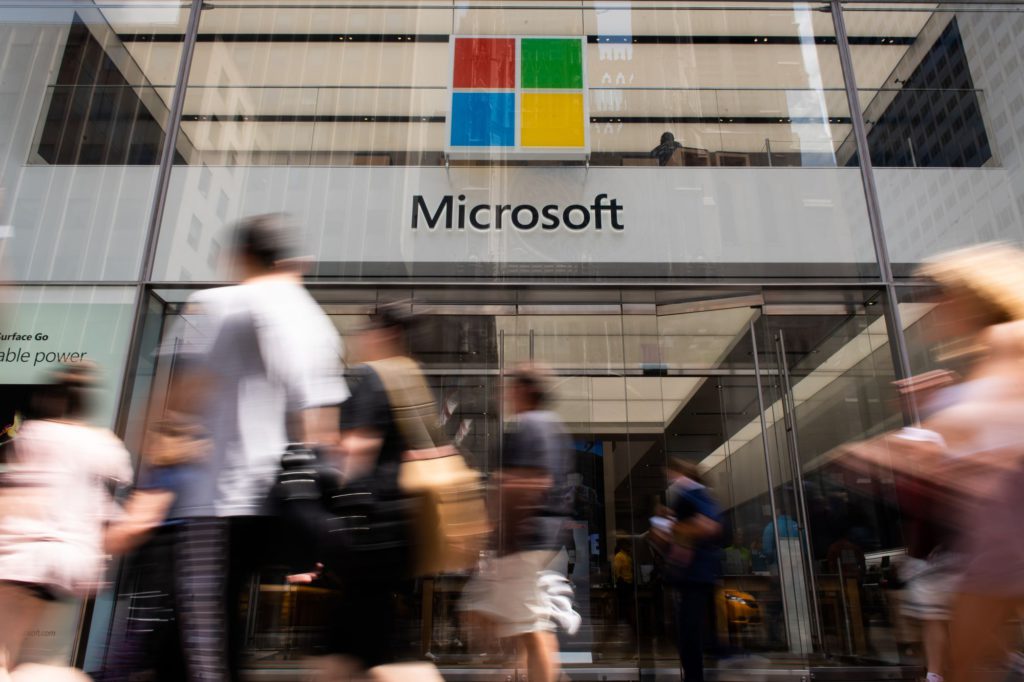
Microsoft Donations to Anti-Abortion Groups Targeted by Activist

(Bloomberg) — Microsoft Corp. is coming under pressure from an activist shareholder group that is seeking greater transparency about political giving to groups and individuals that oppose abortion rights, asking the software giant to end donations and lobbying that might conflict with its stated support for employees accessing reproductive health care.

Tulipshare, a UK-based activist investing platform for retail traders, said it’s concerned about donations like the $3 million Microsoft has given since 2010 to groups like the Republican Attorneys General Association and the Republican Governors Association, according to the Center for Political Accountability. The center, which tracks political contributions, said the groups used donations to focus on the election of officials who fought against Roe v. Wade. Tulipshare, which has also targeted Apple Inc., Amazon.com Inc. and Salesforce Inc., plans to engage with Microsoft’s investor relations department, and will introduce a shareholder motion if the company fails to address its concerns, said Jenna Armitage, the platform’s chief marketing officer.

Tulipshare cited Microsoft’s expansion of employee benefits to cover travel costs for abortion care as contradictory to its political giving.

“You see a lot of companies hopping on this woke marketing opportunity to speak out against something, whether it be to attract more recruits, to just kind of insert themselves into the media, when actually their political activities say otherwise,” Armitage said.Tulipshare’s proposal would mandate that the company require political actions committees it funds to say which candidates and causes they support, and publish such information annually. The company, which typically divides its political giving between Republicans and Democrats, has come under fire for backing candidates whose voting records and statements run counter to Microsoft’s stance on topics like LGBTQ rights and on climate change. After criticism of donations to politicians and organizations that opposed certification of US President Joe Biden’s election in 2021, Microsoft pledged to pause giving to those groups and individuals until after this year’s November midterm elections.

A spokeswoman for Microsoft declined to comment.

The action with Tulipshare is part of a larger campaign by the Center for Political Accountability to engage with companies on the transparency of political giving and how it aligns with their corporate values. “Companies need to know to know where their money is ending up, what it enables and what it associates them with,” said Bruce Freed, CPA president. “This is an essential element of risk management today.”

Technology companies may be the subject of shareholder action related to abortion on other fronts as well. Shelley Alpern, director of corporate engagement at Rhia Ventures, in June said investors will be asking companies to clarify how they will handle increased pressure from authorities to provide data on anyone suspected of attempting to get an abortion in another state. Rhia has also asked several companies to disclose their political and election spending related to access to reproductive health care, a proposal that garnered support from 44% of investors at AT&T Inc.

Shareholder activism has been gaining steam among Microsoft investors. Last year, the Redmond, Washington-based company reached agreements with two groups, while a third, Arjuna Capital, succeeded in winning investor approval for a measure asking the company to examine the effectiveness of its sexual harassment policies. 

More stories like this are available on bloomberg.com

©2022 Bloomberg L.P.
Uber Will Offer UK Users Eurostar Booking From London to Paris

(Bloomberg) — Uber Technologies Inc. is expanding its Uber Travel feature for UK customers, letting users book and manage trips from London to Europe. 

Users will be able to purchase Eurostar rail tickets from London to destinations including Paris, Brussels and Amsterdam, the company said in a statement on Wednesday. The Uber app will also automatically import trip plans from users’ email accounts so that bookings for dining and accommodation can be viewed in one place via a deal with Google’s Gmail service. 

The move expands Uber Travel, which is already available in the U.S. and Canada, to add long-distance trips. The San Francisco-based company, which is pushing to expand spending on its app to boost profitability, also rolled out the ability to book chartered shuttles and coaches earlier this year. On Tuesday, Uber reported that sales increased more than expected in the second quarter thanks to resilient consumer demand. 

Read more: Uber Soars After Beating Estimates as Ridership Defies Inflation

The Eurostar travel booking services will be offered via a partnership with German startup Omio, which provides a platform for booking trains, buses, flights and ferries. 

Selling train tickets on its app will bring Uber into competition with other ticket-booking companies, like London’s Trainline Plc. During a summer when European air travel has been beleaguered by delays and labor shortages, Trainline is benefiting from a better-than-expected resurgence in rail passengers and tourism. 

More stories like this are available on bloomberg.com

©2022 Bloomberg L.P.
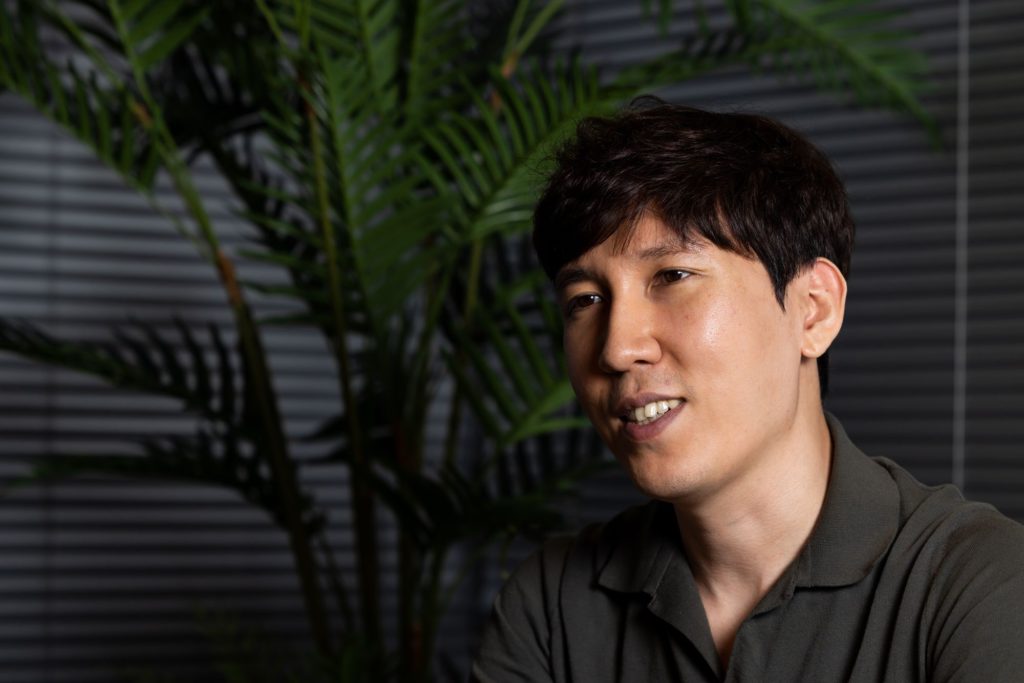
Early Investor In Defunct Luna Token Plans to Raise Another Fund

(Bloomberg) — Simon Seojoon Kim, South Korea’s most well-known cryptocurrency investor and an early backer of the ill-fated Luna token, said he hasn’t lost faith in the battered sector and plans to raise a third venture capital fund in the first half of next year. 

The head of VC firm Hashed is looking to step up investments in GameFi projects, which make blockchain-based video games allowing players to own assets within them, he said in an interview with Bloomberg News. 

Kim made a name for himself as a crypto evangelist and investor in startups like The Sandbox and Sky Mavis, the owner of the Axie Infinity game. 

The implosion of TerraUSD and connected token Luna in May was a major blow to Hashed. Kim said he bought 30 million Luna tokens in the project’s early days and lost most of the investment in the crash. That amount of tokens would have been worth as much as $3.6 billion when Luna’s price peaked on April 5. The total market value of Luna coins soared to about $41 billion in early April, a month before the Terra/Luna project’s collapse. 


Undeterred by the setback, Kim said he has no plans to slow the pace of investments in the sector, which has been ravaged by a series of failures among once high-flying startups. Hashed has deployed more than half of the 240 billion won ($180 million) fund it raised in December, and will start raising a new vehicle as soon as the rest is used up, he said. 

“In the tech sector, there’s no such thing as a portfolio that guarantees success, and we make our investments with that in mind,” said Kim. “We believe in the community’s growth, and that has never changed.”

That sort of optimism is less pervasive in the VC industry these days. Funding for private crypto companies fell to the lowest level in a year in the second quarter, dropping 31% from the previous three months, data from PitchBook show. 

Read more: Crypto Startup Funding Falls to a One-Year Low in Market Crisis

Kim believes the virtual game world will increasingly become interconnected with the real economy, as blockchain technology and nonfungible tokens could allow users to claim items they purchase within apps.

This could create “a vast number of jobs as assets are exchanged between the virtual and real worlds,” he said. 

While the collapse of the Terra/Luna ecosystem rocked global cryptocurrency markets, the event is drawing added scrutiny in South Korea, where the project’s co-founders hail from. 

South Korean prosecutors have raided several crypto exchanges and searched the home of one of the co-founders of Luna developer Terraform Labs as they investigate allegations of fraud and illicit fundraising. Current and former Terraform Labs employees have also been barred from leaving the country. 

Read more: Crypto Hedge-Fund Head Predicted Terra’s $60 Billion Implosion

For Kim, the fallout isn’t limited to monetary losses. At least two local newspapers have accused him of hyping the Luna token and selling a portion of his Luna holdings before the fall, questioning his moral responsibility as a major market player.

Some of “the assets that we invest in are experimental, and we have always kept it a rule to not make any trade recommendations,” Kim said. Referring to the Luna sale, Kim said he held on to 99% of his early Luna investment throughout the crash and that what he sold were staking rewards.

More stories like this are available on bloomberg.com

©2022 Bloomberg L.P.
Close Bitnami banner
Bitnami