

Bloomberg

US House Speaker Pelosi Lands in Taiwan, Defying Chinese Warnings

(Bloomberg) — US House Speaker Nancy Pelosi became the highest-ranking American politician to visit Taiwan in 25 years, prompting China to announce missile tests and military drills encircling the island that set the stage for some of its most provocative actions in decades.

Pelosi on Tuesday night greeted Taiwanese officials including Foreign Minister Joseph Wu on the tarmac, where she posed for photos. She plans to hold a joint press briefing with President Tsai Ing-wen at 10:53 a.m. on Wednesday, Taiwan’s Foreign Ministry said in a statement. 

Pelosi said after landing that her visit “in no way contradicts longstanding United States policy” and that America “continues to oppose unilateral efforts to change the status quo.”

“Our congressional delegation’s visit to Taiwan honors America’s unwavering commitment to supporting Taiwan’s vibrant democracy,” she said in a statement.

As Pelosi arrived, China condemned the visit and announced it would stage a series of military drills including “long-range live firing” near Taiwan starting as soon as Tuesday evening, as well as more drills encircling the island from Aug. 4.

Early Wednesday, state broadcaster CCTV said China had begun joint Navy and Air Force exercises around Taiwan.

The drills are the most significant show of force by China around Taiwan since at least 1995, when Beijing test-fired missiles into the sea near the island in response to Taiwan’s first democratically elected president, Lee Teng-hui, visiting the US. Back then, China also declared exclusion zones around target areas during the tests, disrupting shipping and air traffic.

“China will take all necessary measures to resolutely defend national sovereignty and territorial integrity, and all consequences must be born by the US and the Taiwan independence forces,” the Foreign Ministry in Beijing said in a statement after Pelosi landed.

China, which regards Taiwan as part of its territory, had vowed an unspecified military response ahead of Pelosi’s visit that risks sparking a crisis between the world’s biggest economies. President Xi Jinping told President Joe Biden last week he would “resolutely safeguard China’s national sovereignty and territorial integrity” and that “whoever plays with fire will get burned.”

“We are going to make sure that she has a safe and secure visit,” John Kirby, a spokesman for the White House National Security Council, said on CNN. “We will not be intimidated or deterred from all of our other security commitments in the region because of the Chinese rhetoric or even some of their actions.”

Traders braced for bad news ahead of the visit, with stocks sliding and haven assets such as the yen and Treasuries climbing. While there are few signs China is planning a full-scale invasion of Taiwan, Beijing has responded to past visits by foreign officials with large sorties into Taiwan’s air defense identification zone or across the median line that divides the strait. 

Taiwan faced cyberattacks ahead of Pelosi’s arrival, with the presidential office saying it suffered a 20-minute barrage in the early evening hours that was 200 times worse than usual. The website of the Foreign Ministry also appeared to face periodic disruptions.

Taiwan’s Defense Ministry said in a statement Tuesday that the island’s military was prepared to send “appropriate armed forces according to the threat,” adding that it was “determined, confident and capable of ensuring national security.”

Pelosi is the highest-ranking American politician to visit Taiwan since then-House Speaker Newt Gingrich did so in 1997. That came shortly after the last major crisis in the Taiwan Strait, when China lobbed missiles into the sea near ports and then-President Bill Clinton sent two aircraft carrier battle groups to the area.

Pelosi will visit Taiwan’s parliament Wednesday morning, have lunch with President Tsai Ing-wen and also meet with democracy activists, according to local media reports. The previously unannounced stop in Taiwan comes after Pelosi led a congressional delegation to Singapore and Malaysia. They will head next to South Korea and Japan — two staunch US allies.

While the White House has sought to dial back rising tensions with China, emphasizing that Congress is an independent branch of government, Beijing has rejected that argument. On Tuesday, Chinese Foreign Ministry spokeswoman Hua Chunying slammed the “provocative” visit and said any countermeasures from Beijing would be “justified.” Still, she left the door open for a possible in-person summit between Biden and Xi later this year.

Taiwan remains the most sensitive issue between the US and China, with the potential to one day spark a military conflict. Biden said in May that Washington would intervene to defend Taiwan in any attack from China, although the White House later clarified he meant the US would provide weapons, in accordance with existing agreements.

Chinese media outlets including the Communist Party’s Global Times have suggested the People’s Liberation Army would respond aggressively to a Pelosi trip, possibly by sending

Under an agreement reached in 1978 to normalize relations between China and the US, Washington agreed to recognize only Beijing as the seat of China’s government, while acknowledging — but not endorsing — the Chinese position that there is but one China and Taiwan is part of China.

The US has insisted that any unification between the island and mainland must be peaceful, and supplied Taiwan with advanced weaponry while remaining deliberately ambiguous about whether US forces would help defend against a Chinese attack.

Visits by lower level US lawmakers have also prompted military responses by China. Last November, Chinese warplanes flew around the east side of the island after a visit by a US congressional delegation.

(Updates with China saying exercises have begun in sixth paragraph)

More stories like this are available on bloomberg.com

©2022 Bloomberg L.P.
Beyonce, Lizzo Redoing Songs Set Bar for Fixing Ableist Lyrics

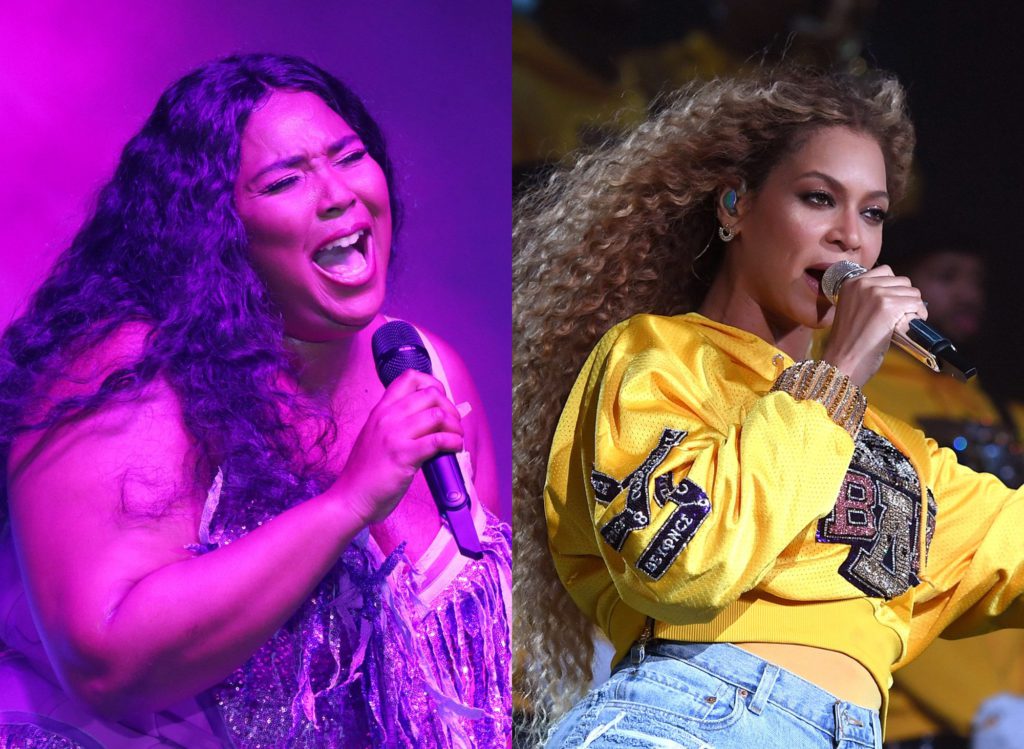
(Bloomberg) — Beyonce will re-record the song “Heated” to remove an ableist slur after public outcry from disabled people, and activists are hopeful that it will signal more changes in language in music lyrics.

The 28-time Grammy winner’s decision to update the song comes days after she released the album “Renaissance” on July 29. “Heated” was co-written by Drake and featured a term that disability advocates say diminishes the lived experience of people who experience spasticity, a medical condition that results from neural pathway damage. It’s the second time in less than two months there’s been outcry over the use of the word: Lizzo apologized for using it in her song “Grrrls,” which she released earlier in June.

Representatives for Beyonce told CNN on Monday that “the word, not used intentionally in a harmful way, will be replaced.”

Ola Ojewumi, the founder and director of education non-profit Project Ascend, said she was struck by Beyonce’s accountability — and by the  disproportionate focus on Black women artists for using the term.

“There’s a concentrated focus on Black women singers who use ableist language, but the same anger and the same outcry does not exist for White musicians,” said Ojewumi, who is also a disability advocate. 

Artists who have used the term previously include the comedy singer Weird Al, who in 2014 apologized for its inclusion in his song “Word Crimes.” Others have changed lyrics in hindsight: The Black Eyed Peas adjusted the title and refrain of the song “Let’s Get It Started” to remove a slur for mental disability, and Taylor Swift and Paramore have changed lyrics that fans felt were offensive.

What Is Ableism

Ableism, which is commonly used to refer to discrimination against disabled people or those whose bodies and needs differ from narrow expectations, “is really insidious, exhausting and all too commonly baked into our everyday structures so that people don’t even raise an eyebrow,” said Hannah Diviney, a writer and disability advocate in Australia. “The weight of living in a world not built for you is extremely heavy.”

Diviney, who has spastic diplegic cerebral palsy, addressed the use of the term by both Lizzo and Beyonce in Twitter posts that went viral. Lizzo issued the updated version of “Grrrls” three days after releasing the original.

“Let me make one thing clear: I never want to promote derogatory language,” Lizzo said in a statement along with the song on June 13. She said the rerecording is the “result of me listening and taking action.” 

Setting an Example

One in four adults in the US — or 61 million people — have a disability of some kind, according to the Centers for Disease Control and Prevention. The Americans with Disabilities Act forbids anti-disability discrimination against workers and job applicants, but ableism can still manifest in everything from word choices to artificial intelligence software meant to screen prospective candidates. 


“When you know what it feels like to be harmed, and you have a platform and you take responsibility and you immediately get to work on righting the wrong, you not only are doing your work, but hopefully continuing to set an example,” said Nakisha Lewis, the president and chief executive officer of Breakthrough, a nonprofit dedicated to advocacy and equity in media, said taking action quickly is key in helping mitigate harm.

Lewis hopes critics would also hold non-Black artists accountable for their words, especially now that Lizzo and Beyonce have set the example.

“No piece of art is ever final and revisions can always be made, particularly when the humanity of any one person or group of people is at stake,” said Lewis. That Beyonce and Lizzo both took action within days is a “major step forward in accountability.” 

More stories like this are available on bloomberg.com

©2022 Bloomberg L.P.
Beyonce, Lizzo Set New Standard for Fixing Ableist Lyrics

(Bloomberg) — Beyonce will re-record the song “Heated” to remove an ableist slur after public outcry from disabled people, and activists are hopeful that it will signal more changes in language in music lyrics.

The 28-time Grammy winner’s decision to update the song comes days after she released the album “Renaissance” on July 29. “Heated” was co-written by Drake and featured a term that disability advocates say diminishes the lives of people with spasticity, a medical condition that results from neural pathway damage. It’s the second time in less than two months there’s been outcry over the use of the word: Lizzo apologized for using it in her song “Grrrls,” which she released earlier in June.

Representatives for Beyonce told CNN on Monday that “the word, not used intentionally in a harmful way, will be replaced.”

Ola Ojewumi, the founder and director of education non-profit Project Ascend, said she was struck by Beyonce’s accountability — and by the  disproportionate focus on Black women artists for using the term.

“There’s a concentrated focus on Black women singers who use ableist language, but the same anger and the same outcry does not exist for White musicians,” said Ojewumi, who is also a disability advocate. 

Artists who have used the term previously include the comedy singer Weird Al, who in 2014 apologized for its inclusion in his song “Word Crimes.” Others have changed lyrics in hindsight: The Black Eyed Peas adjusted the title and refrain of the song “Let’s Get It Started” to remove a slur for mental disability, and Taylor Swift and Paramore have changed lyrics that fans felt were offensive.

What Is Ableism

Ableism, which is commonly used to refer to discrimination against disabled people or those whose bodies and needs differ from stereotypes, “is really insidious, exhausting and all too commonly baked into our everyday structures so that people don’t even raise an eyebrow,” said Hannah Diviney, a writer and disability advocate in Australia. “The weight of living in a world not built for you is extremely heavy.”

Diviney, who has spastic diplegic cerebral palsy, addressed the use of the term by both Lizzo and Beyonce in Twitter posts that went viral. Lizzo issued the updated version of “Grrrls” three days after releasing the original.

“Let me make one thing clear: I never want to promote derogatory language,” Lizzo said in a statement along with the song on June 13. She said the rerecording is the “result of me listening and taking action.” 

Setting an Example

One in four adults in the US — or 61 million people — have a disability of some kind, according to the Centers for Disease Control and Prevention. The Americans with Disabilities Act forbids anti-disability discrimination against workers and job applicants, but ableism can still manifest in everything from word choices to artificial intelligence software meant to screen prospective candidates. 


“When you know what it feels like to be harmed, and you have a platform and you take responsibility and you immediately get to work on righting the wrong, you not only are doing your work, but hopefully continuing to set an example,” said Nakisha Lewis, the president and chief executive officer of Breakthrough, a nonprofit dedicated to advocacy and equity in media, said taking action quickly is key in helping mitigate harm.

Lewis hopes critics would also hold non-Black artists accountable for their words, especially now that Lizzo and Beyonce have set the example.

“No piece of art is ever final and revisions can always be made, particularly when the humanity of any one person or group of people is at stake,” said Lewis. That Beyonce and Lizzo both took action within days is a “major step forward in accountability.” 

More stories like this are available on bloomberg.com

©2022 Bloomberg L.P.
Uber’s CEO Says Company Is Focused on Profitability This Year

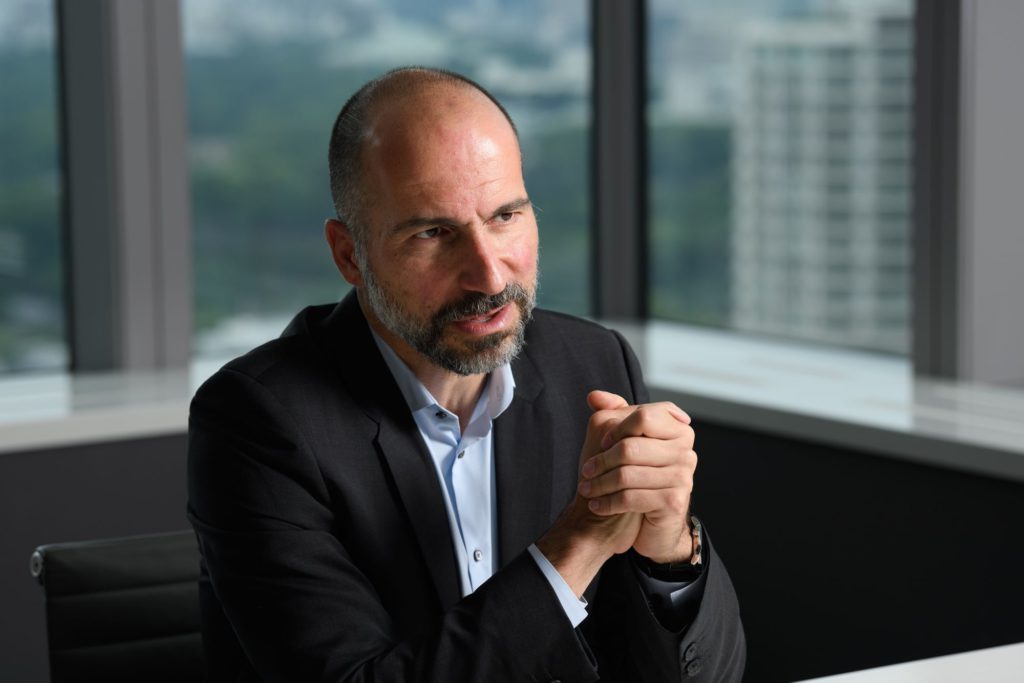
(Bloomberg) — Uber Technologies Inc. Chief Executive Officer Dara Khosrowshahi is confident the company’s dual mission in ride-hailing and delivery will set it apart from peers in the event of an economic downturn.

“The business is really hitting on all cylinders,” Khosrowshahi said in an interview on Bloomberg Television after the company reported results that beat analysts’ estimates. He pointed to Uber’s record gross bookings and revenue, which more than doubled to $8.1 billion in the second quarter. Uber’s shares surged 18% to $28.99 in New York.

Khosrowshahi’s optimistic tone stands out in a turbulent time for technology companies, as rising inflation stokes fears of a pullback in consumer spending for services like food-delivery and rides. Uber Eats revenue grew 25% from a year ago and Khosrowshahi said a key focus for the company the remainder of this year will be increasing profitability in the delivery segment. 

“Both the US and international are growing at a rate of 40 plus percent which is super healthy,” Khosrowshahi said. “We are big believers in delivery and the focus here is really profitability.”

The number of new drivers on the platform increased during the second quarter and wait times and surge pricing will improve further as driver supply comes back into balance with customer demand, Khosrowshahi said. 

The CEO also addressed the recently announced partnership between Amazon.com Inc. and Grubhub to offer food-delivery for Prime subscribers. “We see zero material effect in the US.,” he said. “Because of our global scale we have a lot of chances to work with different players. Amazon is a great company and we will look to work with them however we can.”

More stories like this are available on bloomberg.com

©2022 Bloomberg L.P.
Stocks Waver Over China Tension, Hawkish Fedspeak: Markets Wrap

(Bloomberg) — American stocks wavered as financial markets remained on edge amid heightened tensions between the US and China and fresh comments from a Federal Reserve official.

The S&P 500 struggled for direction as US House Speaker Nancy Pelosi landed in Taiwan on Tuesday evening in defiance of Chinese threats. China views the island as its territory and had vowed an unspecified military response ahead of Pelosi’s visit. It now plans to conduct military drills and live-fire exercises this week in the waters and airspace encircling Taiwan.

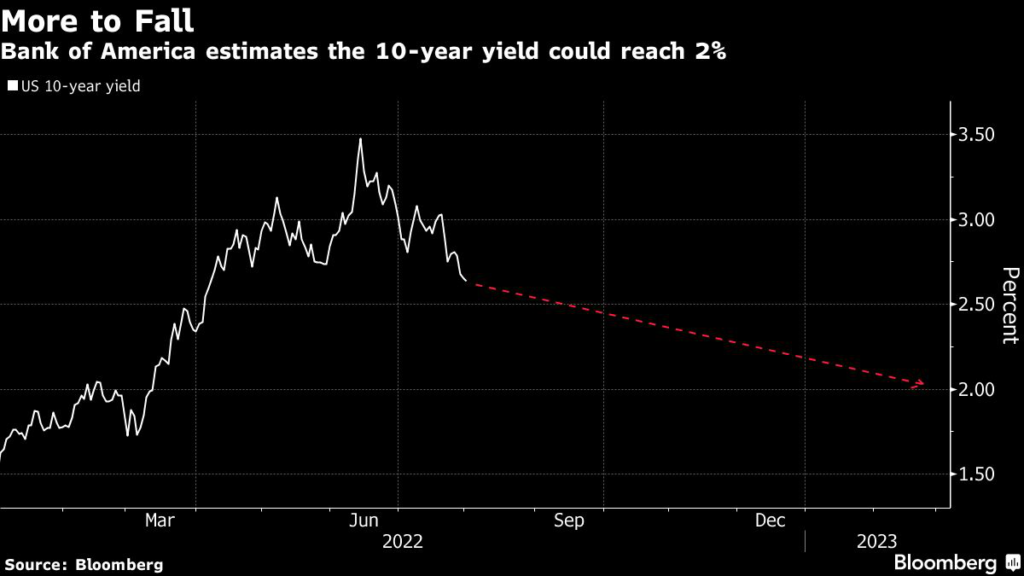
Treasuries erased earlier gains with the 10-year yields turning higher after San Francisco Fed President Mary Daly said the central bank’s work on inflation is “nowhere near almost done.” 

Risk assets have started August on the back foot after stocks posted the best month since 2020 in July. The Fed remains in restrictive mode after raising rates three-quarters of a percentage point last week. Investors are watching for any hawkish comments from officials about the need for higher rates to restrain elevated inflation. Corporate earnings continue to roll in, with higher prices threatening to erode margins.

“The Taiwan story fits into the broader risk-off theme,” said Mark McCormick, global head of FX strategy at TD Securities. “It raises concerns about global growth issues, especially if geopolitical tensions and knock-effects exacerbate inflationary concerns. In turn, that forces central banks to keep fighting inflation in spite of the clear deceleration of global growth.”

Goldman Sachs Group Inc. strategists led by Cecilia Mariotti said it was too soon for stock markets to fade the risks of a recession on expectations of a pivot in the Fed’s hawkish policy. JPMorgan Chase & Co. strategists, on the other hand, said the outlook for US stocks is improving for the second half of the year on attractive valuations.

Recent data showed that US job openings in June fell to a nine-month low, a sign of moderating demand for labor as economic pressures mount. The job market has been a bright spot in an economy otherwise losing momentum and possibly heading toward a recession.

Pelosi’s trip is creating a fresh pressure point for investors already dealing with the prospects of a US recession, worldwide rate hikes and inflation that risks becoming entrenched as Russia’s war in Ukraine exacerbates food shortages.

“The Pelosi trip to Taiwan is getting most of the blame for this action once again, but the market is still seeing a relatively benign reaction to this trip,” wrote Matt Maley, chief market strategist at Miller Tabak + Co. “Of course, if China overreacts with a highly belligerent response, the stock market — and other markets — will certainly react in a stronger fashion, but right now, most investors are looking at earnings, inflation and how inflation will impact the Fed over the next six to nine months.”

The prospect of a demand slowdown has sapped oil, leaving it around $94 a barrel. Bitcoin fell while the dollar rose. The offshore yuan strengthened and non-deliverable forwards on the Taiwanese dollar indicated a weakening of the island’s currency.

This week’s MLIV Pulse survey is asking about your outlook for corporate bonds, mergers and acquisitions and health of US corporate balance sheets through the end of the year. It takes one minute to participate in the MLIV Pulse survey, so please click here to get involved anonymously. 

What to watch this week:

  • Chicago Fed President Charles Evans, St. Louis Fed President James Bullard due to speak at separate events, Tuesday
  • OPEC+ meeting on output, Wednesday
  • US factory orders, durable goods, ISM services, Wednesday
  • BOE rate decision, Thursday
  • US initial jobless claims, trade, Thursday
  • Cleveland Fed President Loretta Mester due to speak, Thursday
  • US employment report for July, Friday

Some of the main moves in markets:

Stocks

  • The S&P 500 was little changed as of 11:42 a.m. New York time
  • The Nasdaq 100 rose 0.2%
  • The Dow Jones Industrial Average fell 0.4%
  • The Stoxx Europe 600 fell 0.3%
  • The MSCI World index rose 0.1%

Currencies

  • The Bloomberg Dollar Spot Index rose 0.3%
  • The euro fell 0.5% to $1.0207
  • The British pound fell 0.2% to $1.2225
  • The Japanese yen fell 0.3% to 131.99 per dollar

Bonds

  • The yield on 10-year Treasuries advanced nine basis points to 2.66%
  • Germany’s 10-year yield advanced one basis point to 0.79%
  • Britain’s 10-year yield advanced three basis points to 1.84%

Commodities

  • West Texas Intermediate crude rose 0.4% to $94.25 a barrel
  • Gold futures rose 0.5% to $1,795.80 an ounce

More stories like this are available on bloomberg.com

©2022 Bloomberg L.P.
Andreessen Horowitz Seeks to Manage Fortunes of Tech Founders

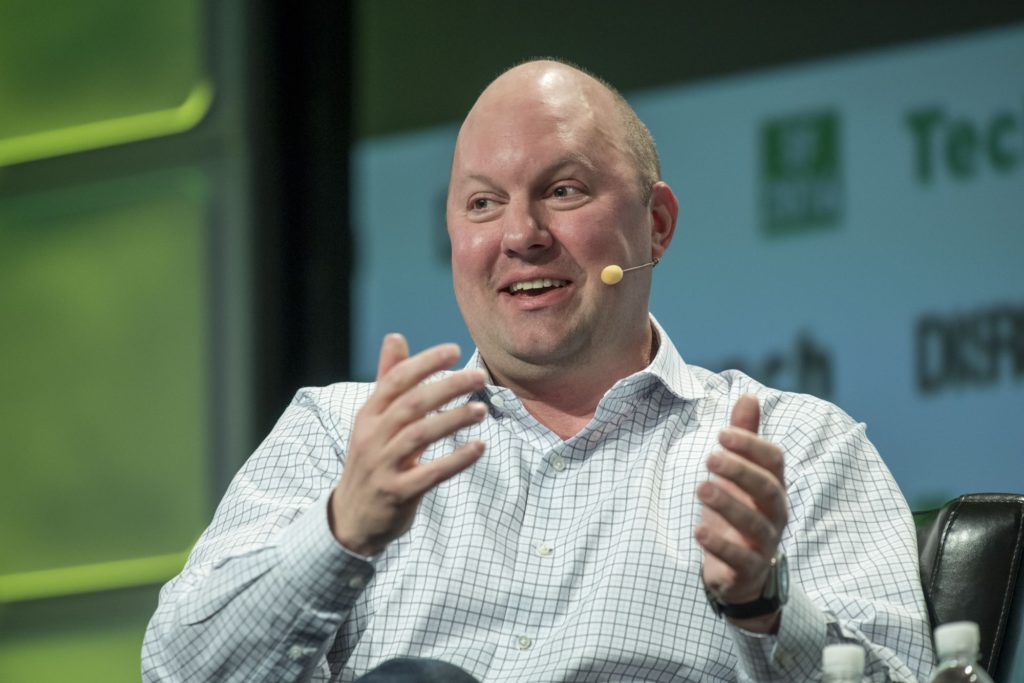
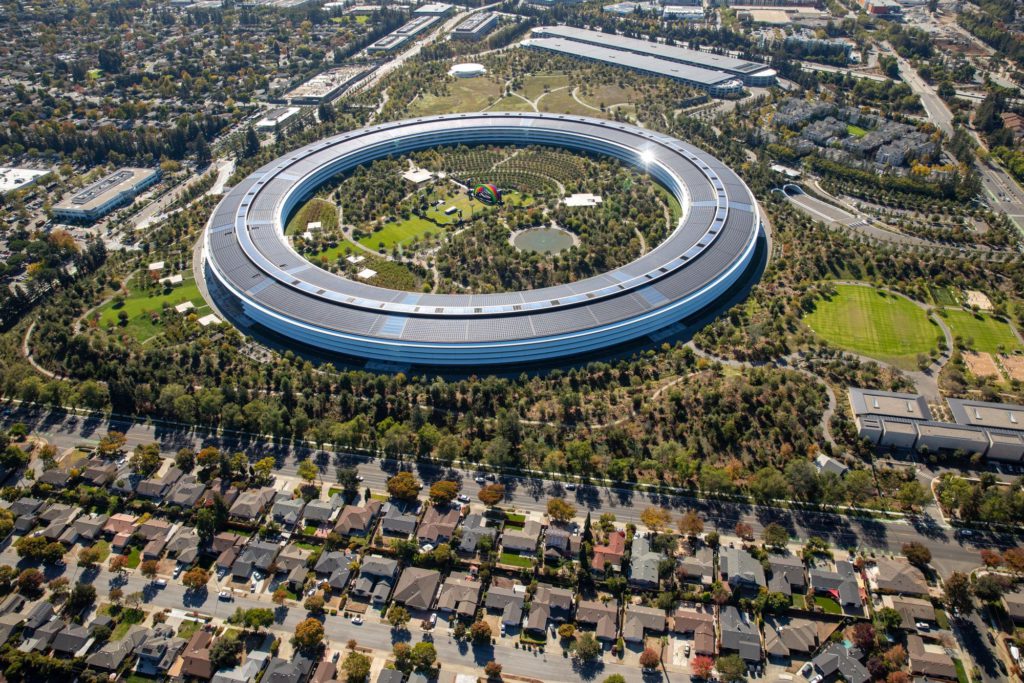
(Bloomberg) — Andreessen Horowitz, the venture firm that was an early investor in Twitter, Meta’s Facebook and Airbnb, is now looking to manage the fortunes of the startup founders it helps make rich. 

The firm, nicknamed a16z, hired Michel Del Buono as chief investment officer for the new business that will provide a range of wealth-management services to a16z partners and the executives of its portfolio companies, according to people with knowledge of the plans. Del Buono most recently was the CIO at Jordan Park Group, which oversaw $17.6 billion on behalf of high-net-worth clients as of December.

A spokeswoman for Menlo Park, California-based a16z confirmed Del Buono’s hiring, but declined to comment further on the new venture. 

Wealth management is often a massively profitable business and once money comes in the door, it’s generally slow to exit. Managers traditionally charge 1% of the assets they oversee, and profit margins can reach 50%, said Ben Phillips, head of asset management global advisory services at Broadridge Financial Solutions.  

Growth can be meteoric. Iconiq Capital, the Silicon Valley wealth manager that started in 2011 and has managed the fortunes of Mark Zuckerberg, Jack Dorsey and Sheryl Sandberg, now oversees more than $80 billion, up from about $50 billion at the beginning of last year. 

Del Buono led investments at Jordan Park starting in December 2017, and before that spent almost eight years at Makena Capital Management, where he headed portfolio investment strategy and direct investments, according to his LinkedIn profile. He received a PhD in management science and engineering in 1999 from Stanford University. 

Co-founded by Marc Andreessen and Ben Horowitz, a16z has traditionally been very involved in promoting the companies it backs, from recruiting executives to holding mini-conferences to introducing firms to potential clients. It hopes to capitalize on the close relationships with founders to win the business of managing their fortunes, according to people with knowledge of the firm’s thinking, who asked not to be identified because the information is private.

The firm has exited more than 100 companies, according to its website, and a slew of them, including Pinterest Inc., Slack Technologies Inc., Instagram Inc. and Coinbase Global Inc., count their founders as billionaires.     

A16z rival Sequoia Capital launched a money management product, Sequoia Heritage, in 2010 with $550 million from partners and outside capital. It now manages $16.4 billion and has extended its services to outside institutions including Oxford University, according to the endowment’s latest financial report. Sequoia, though, doesn’t provide a full slate of services, such as estate planning, to its wealthy clients.   

More stories like this are available on bloomberg.com

©2022 Bloomberg L.P.

Amazon Shrinks Staff by 100,000, Joining Netflix and Google in Hiring Slowdown

(Bloomberg) — With recession fears mounting—and inflation, the war in Ukraine and the lingering pandemic taking a toll—many tech companies are rethinking their staffing needs, with some of them instituting hiring freezes, rescinding offers and making rounds of layoffs.

Amazon.com Inc. was one of the latest company to discuss its belt-tightening efforts this week. During its quarterly earnings call Thursday, the e-commerce giant said it’s been adding jobs at the slowest rate since 2019. After relying on attrition to winnow its staff, Amazon now has about 100,000 fewer employees than in the previous quarter.

Here’s a look at the companies tapping the brakes.

Alphabet Inc., Google’s parent company, has been decelerating its recruiting efforts. Chief Executive Officer Sundar Pichai told employees this month that—although the business added 10,000 Googlers in the second quarter—it will be slowing the pace of hiring for the rest of the year and prioritizing engineering and technical talent. “Like all companies, we’re not immune to economic headwinds,” he said. The hiring pause is part of that slowdown, Google said, “to enable teams to prioritize their roles and hiring plans for the rest of the year.” It had nearly 164,000 employees at the end of March.

Amazon said in April that it was overstaffed after ramping up during the pandemic and needed to cut back. “As the variant subsided in the second half of the quarter and employees returned from leave, we quickly transitioned from being understaffed to being overstaffed, resulting in lower productivity,” Chief Financial Officer Brian Olsavsky said at the time. Amazon has been subleasing some warehouse space and paused development of facilities meant for office workers, saying it needed more time to figure out how much space employees will require for hybrid work. The company now has 1.52 million full- and part-time workers and is still the largest employer in the tech world, despite the reduction in headcount.

Apple Inc. is planning to slow hiring and spending at some divisions next year to cope with a potential economic slump, according to people familiar with the matter. But it’s not a companywide policy, and the iPhone maker is still moving forward with an aggressive product-release schedule. Apple had 154,000 employees in September, when its last fiscal year ended.

Carvana Co., an online used car retailer, laid off 2,500 people in May, about 12% of its workforce. In an unusual move, the executive team will forego salaries for the rest of the year to pay severance to those who were let go, according to a filing with the Securities and Exchange Commission. The company had more than 21,000 full-time and part-time employees at the end of last year.

Coinbase Global Inc., a cryptocurrency exchange, told employees it was cutting 18% of staff in June to prepare for an economic downturn. It also rescinded job offers. “We appear to be entering a recession after a 10+ year economic boom,” CEO Brian Armstrong said in a blog post. “While it’s hard to predict the economy or the markets, we always plan for the worst so we can operate the business through any environment,” he said. The company ended the quarter with about 5,000 employees. 

Compass Inc., a real estate brokerage platform, is eliminating 450 positions, about 10% of its staff, according to a filing last month. The company had nearly 5,000 employees at the end of 2021.

Gemini Trust Co., a cryptocurrency exchange founded by Bitcoin billionaires Cameron and Tyler Winklevoss, announced a 10% staff reduction in June. TechCrunch reported that the company laid off another 7% on July 18 and said a leaked plan showed it was seeking to cut a total of 15%, bringing it from 950 employees to 800 employees.

GoPuff, a grocery delivery app, is laying off 10% of its workforce and closing dozens of warehouses. The cuts will affect about 1,500 staff members—a mix of corporate and warehouse employees.

Lyft Inc. told employees it was reining in hiring in May after its stock dropped precipitously. The company went further on July 20, announcing plans to shutter its car-rental business and cut about 60 jobs. Lyft had about 4,500 employees in 2021. Archrival Uber Technologies Inc., meanwhile, has been more upbeat. CEO Dara Khosrowshahi told Bloomberg in June that his company was “recession resistant” and had no plans for layoffs.

Meta Platforms Inc., the parent of Facebook, slashed plans to hire engineers by at least 30%. CEO Mark Zuckerberg told employees that he’s anticipating one of the worst downturns in recent history. The company had more than 77,800 employees at the end of March.

Microsoft Corp. told workers in May that it was slowing down hiring in the Windows, Office and Teams groups as it braces for economic volatility. The company had 181,000 employees in 2021. More recently, the software maker cut some jobs—less than 1% of its total—as part of a reorganization. On July 20, the company said it began eliminating many job openings—a freeze that will last indefinitely.

Netflix Inc., the streaming giant, has had several rounds of highly publicized layoffs since it reported the loss of 200,000 subscribers in the first quarter. In April, it began scaling back some marketing initiatives, then cut 150 employees in May and 300 in June. Last quarter, it reported $70 million in expenses from severance and shed an additional 970,000 subscribers. Netflix had 11,300 employees in 2021.

Niantic Inc., maker of the Pokemon Go video game, fired 8% of its team in June. It was an effort to streamline operations and position the company to weather economic storms, CEO John Hanke told staff in an email. Niantic had around 800 employees at the end of last year.

OpenSea, an NFT marketplace, laid off 20% of its staff on July 14. CEO Devin Finzer tweeted, “We have entered an unprecedented combination of crypto winter and broad macroeconomic instability, and we need to prepare the company for the possibility of a prolonged downturn.” 

Oracle Corp., the database and cloud services company, is cutting workers in its US customer experience and marketing divisions. The company employs 133,000 people, according to its website.

Peloton Interactive Inc. announced plans to cut about 2,800 jobs globally, roughly 20% of its corporate roles, as part of a surprise shake-up in February that saw its CEO John Foley and several executive team members step down. In 2021, the company reported having nearly 9,000 employees.

Redfin Corp., another real estate brokerage, cut 8% of its staff in June. “We don’t have enough work for our agents and support staff,” CEO Glenn Kelman wrote in a blog post, saying that May demand was 17% below projections and that he expected the company to grow more slowly during a housing downturn. Redfin had about 6,500 employees at the end of last year.

Robinhood Markets Inc., the online brokerage, terminated 9% of its workforce in April. It had about 3,800 employees at the end of last year and racked up more than $2 billion of losses since going public last July.

Rivian Automotive Inc. is planning to cut hundreds of non-manufacturing jobs and teams with duplicate functions. The Southern California electric-vehicle maker, which has more than 14,000 employees, could make an overall reduction of around 5%. In a memo to employees, CEO RJ Scaringe said, “We will always be focused on growth; however, Rivian is not immune to the current economic circumstances and we need to make sure we can grow sustainably.” 

Salesforce Inc., the cloud computing platform, has been slowing hiring and reducing travel expenses, according to a leaked memo reported in May by Insider. It had nearly 78,000 employees as of the end of April.

Shutterfly, a maker of personalized photo items, laid off 100 staffers in June, CEO Hilary Schneider told Bloomberg. The company, which has 7,000 employees, is making hiring adjustments to weather the economic uncertainty. “Clearly we’re going through a period of economic choppiness on a global level,”  she said. “When you look at the supply chain, it certainly is driving inflation and impacting consumer confidence.”

Shopify Inc., an e-commerce platform, is laying off 1,000 employees, 10% of its workforce, CEO Tobi Lutke said in a letter to employees on July 26. The affected jobs included recruiting, support and sales. The company is offering 16 weeks of severance, career coaching, a laptop and internet allowance, home-office furniture and a free Shopify account for those who want to launch their own storefront. Shopify has 10,000 employees, according to its website.

Spotify Technology SA, the audio service, is cutting employee growth by about 25% to adjust for macroeconomic factors, CEO Daniel Ek said in a note to staff in June. “I do believe only the paranoid survive,” he said on a conference call this week. “And we are preparing as if things could get worse, but it’s hard to be anything but optimistic given what I am currently seeing.” Spotify has more than 6,500 employees, according to its website. 

Stitch Fix, an online personalized styling service, said in June that it was pursuing a 15% reduction in salaried positions—about 4% of its workforce—with the majority coming from non-technology corporate jobs and styling leadership roles. It’s coping with higher expenses and weaker demand. According to its website, the company has 8,900 employees.

Tesla Inc., the electric-vehicle maker, cut 200 autopilot workers as it closed a facility in San Mateo, California, in June. CEO Elon Musk said earlier that layoffs would be necessary in an increasingly shaky economic environment. In an interview with Bloomberg, he said that about 10% of salaried employees would lose their jobs over the next three months, though the overall headcount could be higher in a year. The company had 100,000 employees globally at the end of last year.

Tonal Systems Inc., the home fitness startup backed by sports celebrities Steph Curry and Serena Williams, laid off 35% of its 750 employees on July 13, according to CNBC. 

Twitter Inc. initiated a hiring freeze and began rescinding job offers in May, amid uncertainty surrounding Elon Musk’s acquisition of the company, according to an internal memo obtained by Bloomberg. More recently, it said it would be paring back office space, but without job cuts. The company had 7,500 employees in 2021. 

Unity Software Inc., which makes a video-game engine, surprised employees in June when it sent pink slips to 200 of its 5,900 workers, amounting to 4% of its workforce. Its CEO had assured staff there would be no layoffs, according to Kotaku.

Vimeo, a video sharing platform, cut 6% of the company in July. CEO Anjali Sud said in a blog post that it had slowed hiring since the beginning of the year. “The reality is that the challenging economic conditions around us have impacted our business. We must assume that these conditions will remain challenged for the foreseeable future, and that we aren’t immune. So while we’ve intentionally taken action across other expense areas first, it’s become clear that we also have to look at our largest area of investment, our team,” Sud said.

Wayfair Inc., the online furniture retailer, initiated a 90-day hiring freeze in May. The company had 18,000 employees as of March.

Whoop Inc., a fitness wearable startup, laid off 15% on July 22 and now has about 550 employees, according to a company statement reported by the Boston Globe.

(Updates with Oracle entry.)

More stories like this are available on bloomberg.com

©2022 Bloomberg L.P.
Vodafone’s Kenya Partner to Revamp Structure to Spur Expansion

(Bloomberg) — Safaricom Plc, the Kenyan mobile-phone company that counts Vodafone Group Plc as its biggest investor, plans to revamp its corporate structure in the next two years to make it easier for it to expand abroad.

East Africa’s largest company by market value seeks to convert into a holding firm that will house mobile-phone towers and its financial services businesses, which will also become wholly-owned units, Chief Executive Officer Peter Ndegwa said in an interview.

The revamped structure will improve transparency about the company’s various businesses and may help to ease regulatory hurdles. This month, Safaricom is scheduled to begin operations in Ethiopia, and is awaiting approval to offer its mobile-money service M-Pesa in Africa’s second-most populated nation.

The change is so that “we run the businesses in a more sustainable way,” Ndegwa said Monday in Nairobi. “We will continue to evolve the organization and then also look for skills that allow us to run these specific divisions,” he said, adding that they may look for investors at some point for its units “but that’s not the primary driver.”

Safaricom’s shares, which have dropped 22% this year, advanced 2.1% in Nairobi on Tuesday.

More stories like this are available on bloomberg.com

©2022 Bloomberg L.P.

Lamborghini CEO on Going All-Electric: “We Don’t Need to Decide Now”

(Bloomberg) — Lamborghini will spend more than $1.8 billion to build hybrid versions of its rowdy Italian SUV and powerful supercars by 2024.

But the proposed hybrids are likely to be paltry compared to the volume of throaty V12 engines for which the 59-year-old brand is famous for producing. Last year, Lamborghini recorded its best sales results ever, with 8,405 cars delivered globally. And company executives have yet to specify when—if ever—they will focus only on electric vehicles.

“We don’t need to decide now,” said Lamborghini Chairman and CEO Stephan Winkelmann during a reporter roundtable July 27 when asked whether the company was planning to switch its fleet to only electric vehicles, as brands like Audi and Bentley have pledged. “We have at least a few years to decide.” In the meantime, Lamborghini has announced that its first EV, a two-door, four-seat vehicle, will arrive in eight years, by 2030.

It was a frank admission from a company that seems comfortable in its own skin—even at the risk of sounding like a dinosaur when it comes to green-minded driving.

Most other automakers have already committed to going electric and are making it a signature of their marketing efforts—even if there is disagreement among executives behind closed doors about the best way to do it. Bentley boasts that every vehicle it builds will be battery-electric by 2030; Audi says it will end development of combustion engines by 2026. Even Ferrari already has a decade of knowledge building hybrids. Rolls-Royce will debut its first-ever electric vehicle this fall.

Lamborghini, on the other hand, asserts that at this point, all-electric all the time may not be the answer.  

“It is going to be very, very complicated to make the right choice,” Winkelmann said.    

Record Sales

Judging from its latest sales results, Lamborghini is doing something right. During the first six months of 2022, it delivered 5,090 vehicles globally, up nearly 5% over last year’s number and the most ever in company history. Operating profit was up 69.6%, going from €251 million ($256 million) during the same period in 2021 to €425 million ($434 million). The company has sold out of all of its vehicles for the next 18 months. 

“We are seeing that we can continue to make more [money] out of every single car, and this is also the trend for the future,” Winkelmann said. “We are sure about that.”

It helps that it can afford to wait to make any big electric decisions, underpinned as it is by Volkswagen Group’s record spending on new technology. Lamborghini’s parent company has promised more than $90 billion for developing new electric technology over the next decade.

And since its production numbers are multiple times that of the Italian marque’s, other brands at VW can help Lamborghini avoid having to develop something electric right now. Even if some of the pressure goes to Lamborghini to develop speedy hybrids, it would not necessarily mean all of its cars must go fully electric anytime soon.

“I consider myself a petrolhead, but it’s almost half a decade that we are pregnant with the idea of going hybrid and electric, so I know what is coming,” Winkelmann said. “I do think we have to tackle the challenge.” 

Moving Targets

Emissions and engine legislation will determine how soon and how far a brand like Lamborghini will have to move into the all-electric world. Such regulations remain a moving target for automakers, with varying timelines and requirements—and the threat of more—spanning Europe, Asia, and the US. 

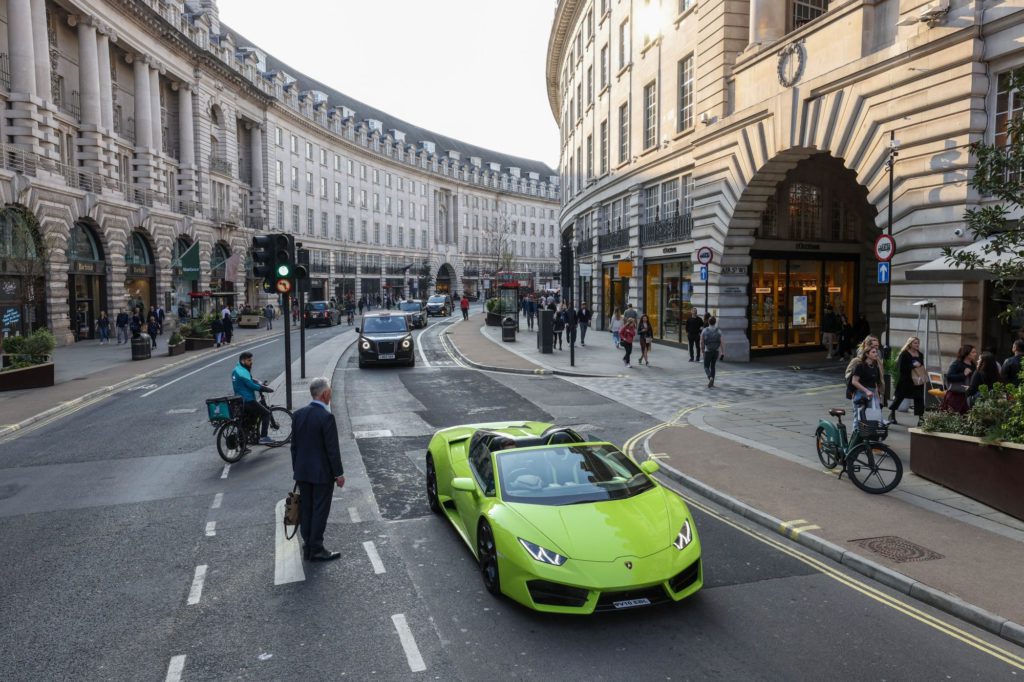
In London, for example, a new Ultra Low Emission Zone is expected to be expanded by this time next year, with almost the whole of the capital included in a new boundary that levies fees and fines against polluting vehicles. California is considering legislation that would mandate EVs to comprise roughly 70% of new car sales by 2030 and 100% of new car sales by 2035. 

But 2035 is a long way off. Politics and opinions can change. And sometimes the rules are different for automakers that produce comparatively small amounts of vehicles. 

“We don’t have to decide now because we still have some years to see how the legislation is moving, if this is then something which they might slow down,” Winkelmann said. “There is still the chance that maybe the legislation is going to change or is going to open up opportunities for small manufacturers … so we need to decide in the second half of this decade whether we go electric with the super sports cars.”  

Synthetic fuels could be one way the automaker avoids having to go fully electric. The non-polluting mixtures can still be run through combustion engines, which means they would be legal to drive in jurisdictions with strict standards. Bentley and Porsche, which are also owned by VW, are experimenting with such sustainable fuels.

No matter what, Winkelmann said, Lamborghini will still be selling its famous V12 engines in 2030. That’s the same timeframe the brand will present its first all-electric vehicle. And that’s an eternity in car years.

More stories like this are available on bloomberg.com

©2022 Bloomberg L.P.

Lamborghini CEO on Going All-Electric: ‘We Don’t Need to Decide Now’

(Bloomberg) — Lamborghini will spend more than $1.8 billion to build hybrid versions of its rowdy Italian SUV and powerful supercars by 2024.

But the proposed hybrids are likely to be paltry compared to the volume of throaty V12 engines for which the 59-year-old brand is famous for producing. Last year, Lamborghini recorded its best sales results ever, with 8,405 cars delivered globally. And company executives have yet to specify when—if ever—they will focus only on electric vehicles.

“We don’t need to decide now,” said Lamborghini Chairman and CEO Stephan Winkelmann during a reporter roundtable July 27 when asked whether the company was planning to switch its fleet to only electric vehicles, as brands like Audi and Bentley have pledged. “We have at least a few years to decide.” In the meantime, Lamborghini has announced that its first EV, a two-door, four-seat vehicle, will arrive in eight years, by 2030.

It was a frank admission from a company that seems comfortable in its own skin—even at the risk of sounding like a dinosaur when it comes to green-minded driving.

Most other automakers have already committed to going electric and are making it a signature of their marketing efforts—even if there is disagreement among executives behind closed doors about the best way to do it. Bentley boasts that every vehicle it builds will be battery-electric by 2030; Audi says it will end development of combustion engines by 2026. Even Ferrari already has a decade of knowledge building hybrids. Rolls-Royce will debut its first-ever electric vehicle this fall.

Lamborghini, on the other hand, asserts that at this point, all-electric all the time may not be the answer.  

“It is going to be very, very complicated to make the right choice,” Winkelmann said.    

Record Sales

Judging from its latest sales results, Lamborghini is doing something right. During the first six months of 2022, it delivered 5,090 vehicles globally, up nearly 5% over last year’s number and the most ever in company history. Operating profit was up 69.6%, going from €251 million ($256 million) during the same period in 2021 to €425 million ($434 million). The company has sold out of all of its vehicles for the next 18 months. 

“We are seeing that we can continue to make more [money] out of every single car, and this is also the trend for the future,” Winkelmann said. “We are sure about that.”

It helps that it can afford to wait to make any big electric decisions, underpinned as it is by Volkswagen Group’s record spending on new technology. Lamborghini’s parent company has promised more than $90 billion for developing new electric technology over the next decade.

And since its production numbers are multiple times that of the Italian marque’s, other brands at VW can help Lamborghini avoid having to develop something electric right now. Even if some of the pressure goes to Lamborghini to develop speedy hybrids, it would not necessarily mean all of its cars must go fully electric anytime soon.

“I consider myself a petrolhead, but it’s almost half a decade that we are pregnant with the idea of going hybrid and electric, so I know what is coming,” Winkelmann said. “I do think we have to tackle the challenge.” 

Moving Targets

Emissions and engine legislation will determine how soon and how far a brand like Lamborghini will have to move into the all-electric world. Such regulations remain a moving target for automakers, with varying timelines and requirements—and the threat of more—spanning Europe, Asia, and the US. 

In London, for example, a new Ultra Low Emission Zone is expected to be expanded by this time next year, with almost the whole of the capital included in a new boundary that levies fees and fines against polluting vehicles. California is considering legislation that would mandate EVs to comprise roughly 70% of new car sales by 2030 and 100% of new car sales by 2035. 

But 2035 is a long way off. Politics and opinions can change. And sometimes the rules are different for automakers that produce comparatively small amounts of vehicles. 

“We don’t have to decide now because we still have some years to see how the legislation is moving, if this is then something which they might slow down,” Winkelmann said. “There is still the chance that maybe the legislation is going to change or is going to open up opportunities for small manufacturers … so we need to decide in the second half of this decade whether we go electric with the super sports cars.”  

Synthetic fuels could be one way the automaker avoids having to go fully electric. The non-polluting mixtures can still be run through combustion engines, which means they would be legal to drive in jurisdictions with strict standards. Bentley and Porsche, which are also owned by VW, are experimenting with such sustainable fuels.

No matter what, Winkelmann said, Lamborghini will still be selling its famous V12 engines in 2030. That’s the same timeframe the brand will present its first all-electric vehicle. And that’s an eternity in car years.

More stories like this are available on bloomberg.com

©2022 Bloomberg L.P.

Close Bitnami banner
Bitnami