Bloomberg

Lamborghini CEO on Going All Electric: ‘We Don’t Need to Decide Now’

(Bloomberg) — Lamborghini will spend more than $1.8 billion to build hybrid versions of its rowdy Italian SUV and powerful supercars by 2024.

But the proposed hybrids are likely to be paltry compared to the volume of throaty V12 engines that the 59-year-old brand is famous for producing. Last year, Lamborghini recorded its best annual sales results, with 8,405 cars delivered globally. And company executives have yet to specify when—if ever—they will focus only on electric vehicles.

“We don’t need to decide now,” said Lamborghini Chairman and CEO Stephan Winkelmann during a reporter roundtable on July 27 when asked whether the company is planning to switch its fleet to only electric vehicles, as such brands as Audi and Bentley have pledged. “We have at least a few years to decide.” In the meantime, Lamborghini has announced that its first EV, a two-door, four-seat vehicle, will arrive in eight years—by 2030.

It was a frank admission from a company that seems comfortable in its own skin—even at the risk of sounding like a dinosaur when it comes to green-minded driving.

Most automakers have already committed to going electric and are making it a signature of marketing efforts, even if there is disagreement among executives behind closed doors about the best way to do it. Bentley boasts that every vehicle it builds will be battery-electric by 2030; Audi says it will end development of combustion engines by 2026. Even Ferrari already has a decade of knowledge building hybrids. Rolls-Royce will debut its first electric vehicle this fall.

Lamborghini, meanwhile, asserts that at this point, all electric, all the time may not be the answer.  

“It is going to be very, very complicated to make the right choice,” Winkelmann said.    

Record Sales

Judging from its latest sales results, Lamborghini is doing something right. During the first six months of 2022, it delivered 5,090 vehicles globally, up nearly 5% over last year’s number and the most ever in company history. Operating profit was up 69.6%, from €251 million ($256 million) during the same period in 2021 to €425 million. The company has sold out all its vehicles for the next 18 months. 

“We are seeing that we can continue to make more [money] out of every single car, and this is also the trend for the future,” Winkelmann said. “We are sure about that.”

It helps that it can afford to wait to make any big electric decisions, underpinned as it is by Volkswagen Group’s record spending on new technology. Lamborghini’s parent company has promised to spend more than $90 billion in developing electric technology over the coming decade.

And since its production numbers are multiple those of the Italian marque’s, other brands at VW can help Lamborghini avoid having to develop something electric immediately. Even if Lamborghini comes under some pressure to develop speedy hybrids, all of its cars need not go fully electric anytime soon.

“I consider myself a petrolhead, but it’s almost half a decade that we are pregnant with the idea of going hybrid and electric, so I know what is coming,” Winkelmann said. “I do think we have to tackle the challenge.” 

Moving Targets

Emissions and engine legislation will determine how soon and how far a brand like Lamborghini will have to move into the all-electric world. Such regulations remain a moving target for automakers. Timelines and requirements—and the threat of more—vary across Europe, Asia, and the US. 

In London, for example, a new Ultra Low Emission Zone is expected to be expanded by this time next year; vehicle operators in almost all of the UK’s capital will face fees and fines for polluting vehicles. California is considering legislation mandating that EVs make up roughly 70% of new car sales by 2030 and 100% of new car sales by 2035. 

Still, 2035 is a long way off. Politics and opinions can change. And the rules can differ for automakers that produce comparatively small numbers of vehicles. 

“We don’t have to decide now, because we still have some years to see how the legislation is moving—if this is then something which they might slow down,” Winkelmann said. “There is still the chance that maybe the legislation is going to change, or is going to open up opportunities for small manufacturers … so we need to decide in the second half of this decade whether we go electric with the super sports cars.”  

Synthetic fuels might be one way the automaker could avoid having to go fully electric. The non-polluting mixtures can still be run through combustion engines, which means they would be legal to drive in jurisdictions with strict standards. Bentley and Porsche, which are also owned by VW, are experimenting with such sustainable fuels.

No matter what, Winkelmann said, Lamborghini will still be selling its famous V12 engines in 2030. That’s the time frame in which the brand will present its first all-electric vehicle. And that’s an eternity in car years.

More stories like this are available on bloomberg.com

©2022 Bloomberg L.P.

Robinhood Crypto Unit Fined $30 Million by New York Regulator

(Bloomberg) — Robinhood Markets Inc.’s cryptocurrency arm was fined $30 million by New York’s financial regulator after the brokerage was accused of violating anti-money-laundering and cybersecurity rules. 

The unit must enlist an independent consultant to monitor compliance, according to an order filed Tuesday. The firm disclosed last year that it expected to pay the penalty.

The enforcement action by the New York State Department of Financial Services underscores the continued regulatory scrutiny Robinhood faces, even as it pushes a message to investors that it’s taking a “safety first” stance toward digital tokens. 

Robinhood took a faulty approach to crypto trading compliance at a time of rapid growth for the Menlo Park, California-based company, according to the regulator, which alleged that the brokerage lacked sufficient staff and resources to ensure compliance with the Bank Secrecy Act and anti-money-laundering rules. 

The firm had used a manual system to review transactions, which the financial watchdog called “unacceptable” for a business averaging more than 100,000 transactions a day totaling $5.3 million in September 2019. Automated transaction monitoring is a safeguard against money laundering that would be typical for a company of its size, the regulator said. 

Robinhood, which is set to report second-quarter results Wednesday, didn’t have such automated review systems in place when the investigation began, and it took the company months to transition to one.

Shares of Robinhood were little changed, trading for $9.03 apiece at 10:19 a.m. in New York. The stock has dropped 49% this year.

More stories like this are available on bloomberg.com

©2022 Bloomberg L.P.

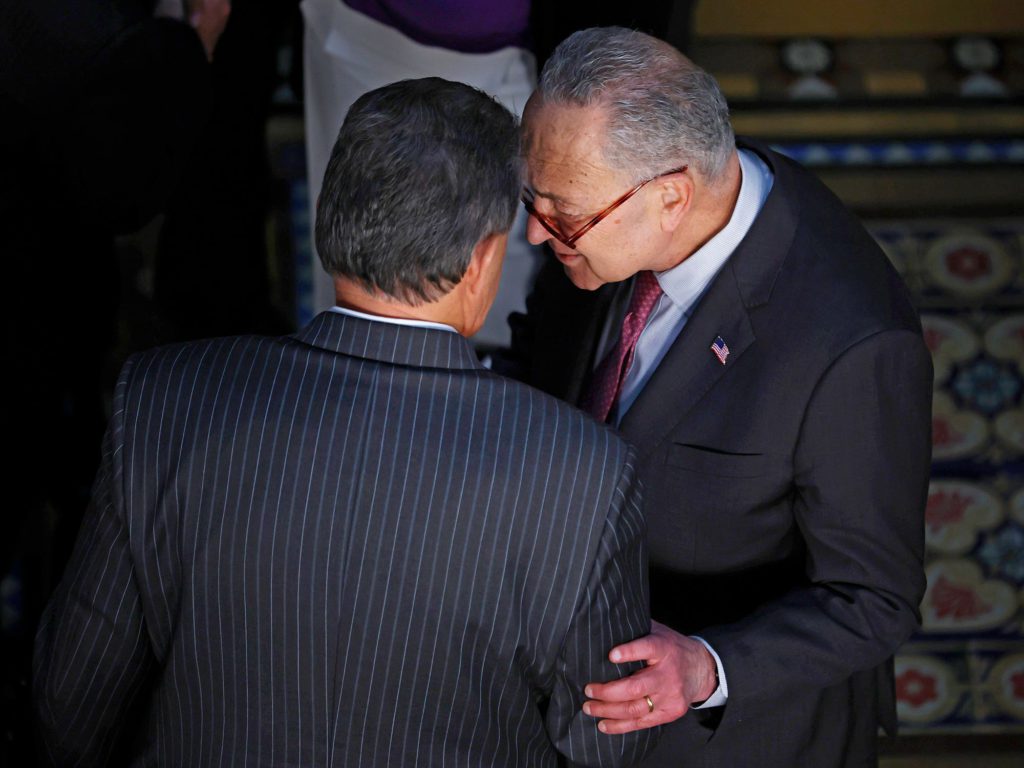
Pelosi’s Taiwan Trip Raises Angst in Global Financial Markets

(Bloomberg) — Traders are bracing for US House Speaker Nancy Pelosi’s expected arrival in Taipei Tuesday to raise tensions with China, with stocks sliding and haven assets such as the yen and gold climbing.

The S&P 500 retreated with equities in Europe and Asia while the yield on US 10-year hovered around 2.6% after approaching its lowest level since April. The Japanese currency advanced to the strongest versus the dollar in nearly two months. Equity markets in China and Hong Kong were the worst performers in Asia as security analysts outlined potential military responses from Beijing. The yuan hit a session high before paring the advance.

Pelosi’s trip is creating a fresh pressure point for investors already dealing with the prospects of a US recession, worldwide rate hikes and surging inflation. The moves so far suggest traders are hedging against tension escalating, with analysts warning of the tailrisk of a conflict between the world’s two largest economies that wreaks havoc on global markets.

“China will show her displeasure by ratcheting up retaliatory actions, but it won’t get out of hand given its economy is weak,” said Rajeev De Mello, a global macro portfolio manager at GAMA Asset Management in Geneva. “However, the risk is if there is any military ‘incident,’ which could lead to an accidental military escalation, which would stress global financial markets.”

While the White House has sought to dial back rising tensions by insisting there is no change in its position toward Taiwan, which China considers as part of its territory, Beijing has called Pelosi’s visit a “dangerous gamble” with grave consequences. It has responded to past visits by foreign officials with large sorties into Taiwan’s air defense identification zone or across the median line that divides the strait.

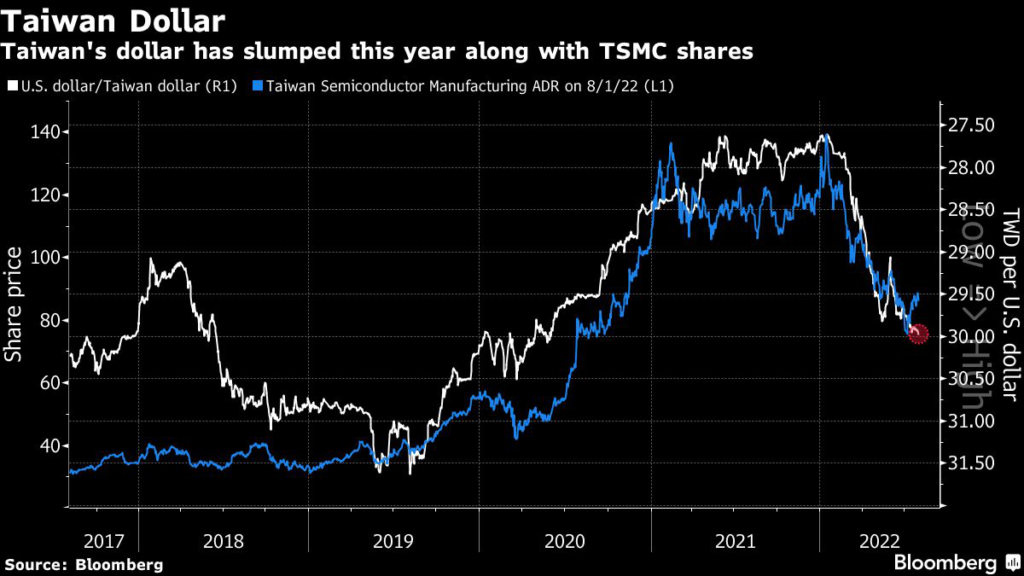
China’s benchmark stock gauge closed down almost 2%, while Hong Kong’s Hang Seng Index dropped 2.4%, with a smaller decline seen in Taiwan. The Taiwan dollar hit its lowest since May 2020, before paring the drop on signs that local banks were selling the greenback to meet the needs of foreign funds. 

US-listed Chinese stocks pared losses, but are on track to fall for a fourth day, which would mark the group’s longest streak of declines since June. The iShares China Large-Cap exchange-traded fund is down 2%. Meantime, BlackRock’s Taiwan ETF slipped 0.7%. 

Some analysts warn the impact of Pelosi’s visit will hasten the deterioration in US-China ties. The concern is that the trip and China’s reaction to it worsens the longer-term relationship on trade, and plays out in markets over weeks or more, with implications for Treasuries, according to BMO Capital Markets strategists Ian Lyngen and Benjamin Jeffery. Yields on the 10-year benchmark may well drop below 2.5% this week, they wrote in a report.

Pelosi was expected to arrive at 10:20 p.m. local time via private plane at Songshan Airport, according to the Liberty Times, one of several media outlets linked to Taiwan President Tsai Ing-wen’s ruling party. As House Speaker she’s second in line of succession to the US presidency, making her visit to the democratically-ruled island an affront to Beijing. 

The S&P 500 fell 0.7% and Europe’s benchmark stock index retreated 0.4%, with mixed earnings also weighing on sentiment. Most emerging-market currencies weakened, while copper extended a decline along with other industrial metals. Gold climbed.

“The expectation is that China’s reaction will mostly be confined to some signaling actions, instead of something really hurting their economy, and therefore at this stage, we view the market’s reaction has so far been relatively mild,” Becky Liu, head of China macro strategy at Standard Chartered Bank Plc, told Bloomberg Radio. “We just need to be concerned about the medium-to long-term implications.”

US-listed shares of Taiwan Semiconductor Manufacturing Co. fell as much as 2.5% before paring the decline. American depositary receipts of Baidu Inc. tumbled 3.6%, while those of Alibaba Group Holding Ltd. posted a 0.8% gain.

Still, investors may need to prepare for a drawn-out reaction in financial markets, something which could underpin haven assets like Treasuries.

“Pelosi’s visit carries with it the presumption of a limited time frame for a tradable response; an assumption that we’ll characterize as misplaced,” BMO’s Lyngen and Jeffery wrote in their note. “Any response could be weeks away or further and for this reason we anticipate that the geopolitical backdrop will once again contribute to the bullish underpinnings for the US rates market.”

(Adds and updates market moves throughout. A previous version of this story corrected the spelling of BMO strategist Ian Lyngen.)

More stories like this are available on bloomberg.com

©2022 Bloomberg L.P.

Semtech in Talks to Buy Sierra Wireless at $31 a Share

(Bloomberg) — Semiconductor maker Semtech Corp. is in advanced talks to acquire Canadian peer Sierra Wireless Inc.

Semtech is discussing paying $31 a share for Sierra Wireless, it said in a statement on Tuesday, confirming an earlier Bloomberg News report. There is no certainty talks will continue or result in a definitive agreement, it said. 

Sierra Wireless fell 4.8% to $28.28 at 10:04 a.m. in New York trading Tuesday, giving the company a market value of about $1.1 billion. Semtech fell 2.6% to $56.97, giving it a market value of about $3.6 billion. 

Semiconductors have been an area of busy dealmaking in recent years despite the long regulatory reviews the transactions often face. MaxLinear Inc., a maker of chips for broadband communications, agreed in May to acquire Silicon Motion Technology Corp. Last week, the US House of Representatives delivered a boost to the domestic chip manufacturing, sending legislation for $52 billion in grants and incentives to President Joe Biden to sign.

Camarillo, California-based Semtech provides analog and mixed-signal chips, including wireless connectivity, power management and products used in video broadcast equipment. 

Based outside Vancouver in Richmond, British Columbia, Sierra Wireless makes so-called Internet of Things technology, a set of components designed to equip electronic systems with internet connections. Semtech has been making inroads into this area and a takeover of Sierra would complement its Internet of Things business.

(Updates trading in third paragraph.)

More stories like this are available on bloomberg.com

©2022 Bloomberg L.P.

Lollipops Hustle on Amazon Costs Family Candy Business Millions

(Bloomberg) — Mitchell Owens recently discovered that mysterious entities were selling bulk orders of Dum Dums lollipops on Amazon for a couple of bucks less than the price charged by his company. Owens, who runs e-commerce operations for Spangler Candy Co., was concerned the sweets could be potentially dangerous counterfeits. So he placed an order from one of the Amazon merchants. A few days later a 500-pack of lollipops arrived on his doorstep. They weren’t counterfeit and—strangely—had been shipped directly from Walmart Inc.’s Sam’s Club. 

Owens had stumbled upon a price-arbitrage scheme on Amazon.com Inc.’s imperfectly policed online marketplace. The hustle works like this: Sellers, often guided by how-to tutorials on YouTube, TikTok and Instagram, scour the internet for products with lower prices than on Amazon. Then they post the items on the web site, wait for someone to place an order, purchase the product from another retailer, have it shipped directly to the customer and pocket the difference. The rogue Amazon merchants are selling everything from breath mints and cereal to baking powder and feminine hygiene products.

They never actually touch the merchandise, a practice known as “drop-shipping.” The scheme is a violation of Amazon policy, which prohibits merchants from shipping products from other retailers, but the perpetrators are betting that they’ll elude detection amid the clutter of the company’s vast web store.

With Dum Dums, the sellers are leveraging a yawning price gap between Sam’s Club, which rewards its members by selling a deeply discounted 500-pack for about $15, and Amazon, where Spangler sells its exclusive 400-pack for about $26. Sellers can charge $25 on Amazon to lure price-conscious shoppers and pocket about $6 after subtracting Amazon fees due to the $10 price difference. Amazon shoppers might find it odd receiving a box from Sam’s Club but they get an extra 100 lollipops and so are less likely to report the issue.At first, the lollipop drop-shippers were a rare occurrence. Spangler would complain to Amazon, which typically suspended the seller a week later. But in the past six months, the number of merchants selling Dum Dums on Amazon has proliferated so quickly that Spangler can’t keep track of them. Owens believes that a concurrence of forces—the work-from-home trend, rising prices, online tutorials—has prompted more people to seek side hustles. Bloomberg identified about 20 merchants selling 400-packs of Dum Dums on the site in July, but that number is always changing as sellers get booted off or new ones start up.

“It became a tsunami we can’t control,” Owens said. “There’s an entire a cottage industry encouraging people to start their own business selling on Amazon and drop-shipping from other retailers.”

Complaining to Amazon no longer works because by the time Spangler has a seller suspended, more have popped up to replace them. It’s too expensive to have attorneys police the problem, and consultants that help companies navigate the online marketplace have been of little help. Spangler, a 115-year-old family business that also makes candy canes and Sweethearts at its factory in Bryan, Ohio, says the Dum Dums racket has cost it millions of dollars in lost business and legal fees—real money for an enterprise of its size.

“Amazon is too big to listen to anyone,” Owens said. “If you actually get a hold of someone, they’ll say, ‘I don’t know what to tell you. Even though it’s violating our policy, there’s nothing we can do.’”

In an emailed statement, Amazon spokesperson Nathan Strauss said the company has long banned sellers from shipping products from other retailers to customers. “We monitor a variety of data and signals to detect, investigate and enforce violations of this policy,” Strauss said. He declined to provide further details about how Amazon enforces the policy or how many merchants have been suspended for violating it. Sam’s Club, which lets drop-shippers ship products for free to 10 addresses, declined to comment.

US shoppers this year will spend almost $400 billion on Amazon, which captures more than $1 for every $3 spent online, according to Insider Intelligence  Inc. That market dominance makes the online marketplace a convenient place for brands to reach shoppers. The reach also makes Amazon.com an ideal hangout for unscrupulous people looking to make a quick buck. Amazon is constantly battling counterfeits, fake reviews and even employees taking bribes from merchants buying favorable treatment. But the company’s efforts are largely reactive, and the problems persist because anyone can create a business selling virtually anything on Amazon with little more than an email address. The Dum Dums racket doesn’t appear to hurt Amazon because it still makes a commission on each sale even if the product is sourced from Sam’s Club.

The drop-shipping method practiced by the Dum Dums sellers is a twist on a long-standing version of retail arbitrage. For many years, enterprising Americans have been buying up clearance merchandise at brick-and-mortar chains and reselling it at a markup on Amazon and EBay Inc. These folks must visit multiple stores and pay up front for the inventory and shipping costs. By contrast, drop-shipping can be done from home without spending any money until orders come through. Proponents advocate using store credit cards with cash-back bonuses to sweeten the rewards. As one TikToker pushing the drop-shipping method said: “It costs you zero dollars to list a thousand items on Amazon.”

It’s hard to assess the size of the phenomenon, but it appears to be growing. Monthly Google searches for “Amazon dropshipping” hit 22,200 in June, up 50% over the previous year, according to BuzzSumo, a social-media analytics tool. And how-to videos are proliferating online. In one posted on YouTube last year, someone calling himself “ecomTom” shows how easy it is to find ceiling fans that are cheaper on the Lowe’s Cos Inc. website, create an Amazon account to sell them, ship the fans from the home improvement chain to the customer and pocket the difference. EcomTom, whose video generated almost 200,000 views, says those following his system can make between $5,000 and $10,000 a month. His and other free online videos often serve as commercials for other paid services, including classes and consulting.

Spangler e-commerce chief Owens suspected many of the people selling Dum Dums on Amazon got the idea from an entity called Dragons E-commerce, which posted a YouTube video in April demonstrating how to find deals on Sam’s Club for things like Starbucks coffee, Bounty paper towels and Tide Pods laundry detergent and then resell the products on Amazon for a profit.

Ali Haider, who makes the Dragons E-commerce videos in Pakistan, told Bloomberg he has clients in the US, Mexico and Canada to whom he teaches his drop-shipping methods. He charges about $250 per class. “You can do this from anywhere in the world,” he said. “Following this model is not a problem.”

Haider, whose video had nearly 4,000 views, knows he’s violating Amazon policies, but said the company takes action only if customers complain. He said he has only had one account suspended, after a customer griped about receiving a product late.

Haider said he has never sold Dum Dums or encouraged any of his clients to sell the lollipops. “When we sell branded products, in my entire time, I have never received any messages from brands.”

Most merchants drop-shipping Dum Dums have obscure names like MZPRS Services or MK Investments, which can make finding the owners arduous.

Matt Priest of Sandy, Utah, was selling the lollipops on Amazon under the business name MattP Store. Reached by telephone July 6, Priest said he wasn’t aware he was selling Dum Dums online. He said he invested $15,000 six months ago with a group that helps would-be entrepreneurs set up online businesses. He declined to identify who he invested the money with and said he had made back $45 so far.

“They said they have other clients who have been doing this longer who make thousands of dollars a month,” said Priest. As of July 20, his store was no longer selling Dum Dums but was offering seven other products, including a bulk box of Chex Mix snack mix and a 15-pound bag of Arm & Hammer baking soda.  Priest said he was vacationing and didn’t answer subsequent calls.

Joseph Mesi of Sewell, New Jersey, was selling Dum Dums on Amazon under the business name JRM Apex Sales. Reached by phone July 6 and asked about Dum Dums, he said, “That’s one of the things I’m selling on there, yeah. Sam’s Club? Yeah, that’s one of the places I dropship from.”

Mesi said he was busy and ended the call. Reached again July 18, he said, “I don’t really want anyone to know my business or what I’m doing. I’m a private person.” Mesi’s store was no longer selling Dum Dums as of July 20. He was selling 43 other products, including 20 Mule Team Borax, kitty litter, Life-Savers breath mints, 20-pound bags of rice and jumbo packs of Always brand maxi pads.

Spangler’s Owens said he has been able to reach merchants in the past but found it a waste of time. “I’ll explain who I am, say you’re violating this policy and ask them to please stop,” he said. “Twenty-five percent of them say, ‘Oh, we’re sorry. Please don’t write a bad review. We’ll get off the listing.’ The other 75% say ‘screw you,’ and we have to wait a week for Amazon to go through its process to get the seller removed. That’s why it’s so overwhelming. You get down to four or five sellers and the next day there’s another 20.”

To help solve the issue, Spangler enrolled in Amazon’s “transparency” program, created to let companies track products throughout the supply chain. More than 23,000 brands joined the program last year, according to Amazon, paying for a unique QR code for each item sold on the marketplace. Spangler, which pays 5 cents per QR code, has spent thousands of dollars so far and is seeing some improvement, but Owens worries drop-shippers will find a work-around.

Meanwhile, he continues ordering Dum Dums to prove to Amazon that another unauthorized seller has popped up. It happens so routinely, Owens has set aside part of his garage for all the boxes arriving from Sam’s Club. 

“We’ve been trying so hard to solve this with Amazon,” he said. “It’s just too bad they don’t work more closely with manufacturers. I wish there was a better relationship.”

More stories like this are available on bloomberg.com

©2022 Bloomberg L.P.

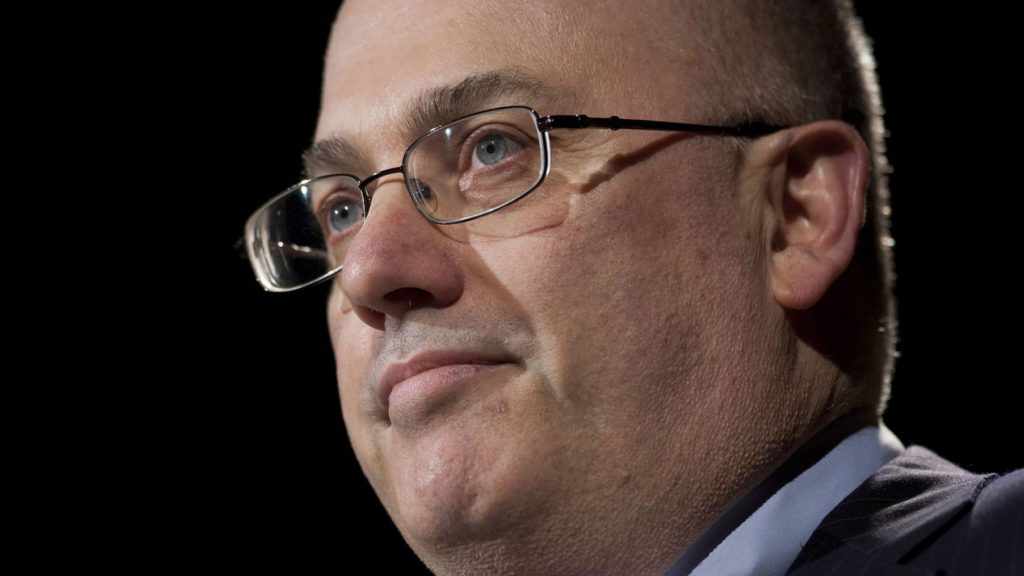
Point72’s Steve Cohen Exits Investment in Crypto Firm Radkl

(Bloomberg) — Hedge fund billionaire Steve Cohen exited his investment in cryptocurrency trading startup Radkl, according to a spokesperson for the digital-asset company.

The quantitative crypto trading firm, which was formed last year by New York Stock Exchange market maker GTS, has already lost at least four managing directors this year, including Jim Greco, Allan Erskine, Jason Bell and Beatrice O’Carroll. On Radkl’s website, only five employees are listed including O’Carroll, who confirmed with Bloomberg in a LinkedIn message that she has left the company.

“Radkl remains extremely well capitalized with its current investors and continues to grow rapidly,” the spokesperson wrote in an email. A representative for Cohen’s hedge fund, Point72 Asset Management, declined to comment.

Radkl made news last September for having snagged the support of Cohen, a Wall Street titan who also owns the New York Mets baseball team. His involvement was seen as a sign of the traditional finance world’s growing interest in and acceptance of the industry. Then, prices were rising toward records; this year, a slump in digital assets and series of crises has left investors with losses and, for some, dimmed crypto’s allure.   

Read more: DeFi Trader at Steve Cohen-Backed Firm Wrote Kardashians’ Song

Radkl wasn’t Cohen’s only crypto investment. Cohen’s family office — Cohen Private Ventures — also took part in a funding round last year for nonfungible-token firm Recur, while Point72 Ventures led a financing round earlier in 2021 for crypto-analytics firm Messari Inc. 

This year in June, Point72 hired Elie Galam as head of crypto for Cohen’s centralized quant business at Cubist Systematic Strategies.

(Updates with other departures in second paragraph.)

More stories like this are available on bloomberg.com

©2022 Bloomberg L.P.

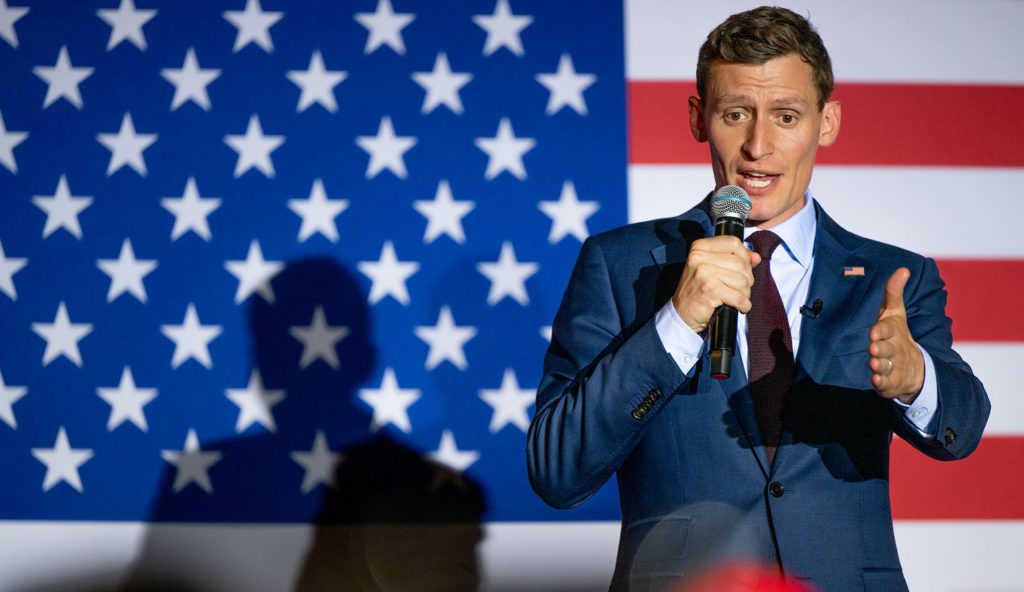
Trump and Thiel Tag-Team Arizona GOP Primary to Boost Blake Masters

(Bloomberg) — Former President Donald Trump and billionaire entrepreneur Peter Thiel are aiming for a second Republican primary victory as they work to bolster 2020 election denier Blake Masters in Arizona’s US Senate contest. 

Trump’s endorsement and $15 million from Thiel to a super political action committee backing Masters  have helped him emerge as the front-runner in polls over solar power company founder Jim Lamon and Attorney General Mark Brnovich in the fractured GOP primary to face Senator Mark Kelly in a November race that will help determine party control of the upper chamber.

“If you want to win a Republican primary, having money and Trump’s endorsement is a great combination,” said pollster Robert Cahaly of the Atlanta-based Trafalgar Group.

A Masters primary win would follow a victory for Trump and Thiel in May helping venture capitalist and author JD Vance win a crowded Republican US Senate primary in Ohio.

Trump publicly endorsed Masters, 35, in June and then held a July 22 rally for him and his other endorsed candidates in Arizona, including gubernatorial aspirant Kari Lake. 

Recent polling, including Cahaly’s last survey of the race conducted July 25-27, showed Masters with a lead over Lamon, with Brnovich lagging and retired Air Force General Michael McGuire and former state representative Justin Olson in the single digits.

Masters has touted Trump’s backing, parroted the former president’s false claims that the 2020 election was stolen and voicing his staunch opposition to illegal immigration, a hot-button issue in the border state.  

The GOP winner will face Kelly, a former astronaut and businessman who is unopposed for the Democratic nomination and in 2020 won a special election that flipped the seat by defeating appointed incumbent Senator Martha McSally, a Republican. 

Trump’s involvement in primaries has clouded Republicans’ prospects to take control of the evenly divided Senate. Vance is mired in a tight race against Democratic US Representative Tim Ryan in Republican-leaning Ohio. 

In Pennsylvania, polls show Trump-backed Mehmet Oz trailing Democrat Lieutenant Governor John Fetterman to replace retiring US Senator Pat Toomey, a Republican. Herschel Walker, Trump’s pick for US Senate in Georgia, also trails incumbent Democrat US Senator Raphael Warnock.

Masters, who ran Thiel’s private foundation and venture capital fund until March, has been criticized for past inflammatory comments, including an April 11 podcast interview in which he blamed gun violence on “black people, frankly.” In college writings, he questioned US involvement in World War II. He also has supported the “replacement theory” pushed by white nationalists and supremacists.

Lamon, who contends that there were “irregularities” in the 2020 election, has largely self-financed his campaign with $14 million and has led the GOP field in spending on advertising for the primary, with $12.3 million, according to AdImpact. 

He’s promoted himself as “an America First conservative” — a reference to Trump’s mantra — and also run an ad with people wearing Trump and Lamon campaign apparel saying the former president “made a mistake” endorsing Masters.

Lamon, who said he sold the DEPCOM Power Inc. company he founded to a unit of Koch Industries Inc. last year to focus on his Senate campaign, also has a website attacking Masters as “fake” that says, “California Big Tech is spending $15 million trying to make Fake Blake Masters seem conservative.”

The Saving Arizona PAC supporting Masters, funded with the $15 million from Thiel and $100,000 each from Bitcoin billionaires Cameron and Tyler Winklevoss, has spent 10 times the amount on advertising for the primary as Masters’s campaign, $10.9 million to $1.9 million, according to AdImpact.

Thiel also contributed $15 million to a super PAC backing Vance in Ohio. Representatives for Thiel and Trump didn’t immediately responded to messages left for comment. 

Club For Growth Action, which played a major role helping Representative Ted Budd win North Carolina’s US Senate GOP primary, also spent $1.4 million on ads touting Trump’s endorsement of Masters over Lamon, according to AdImpact. Additionally, the Crypto Freedom PAC spent $2.4 million supporting Masters and attacking Lamon.

Stan Barnes, a former Arizona state senator and GOP political consultant, said the race — which has been marked by a flood of negative ads — will be competitive. But Masters had the Trump endorsement and the money to amplify that with primary voters.

“In a confused and ugly primary, the thing that stands out is the Trump endorsement,” Barnes said.

Still, support by Masters and Lamon for Trump’s false election claims could hurt them with independent voters in a general election race against Kelly, said Phoenix-based pollster Paul Bentz. 

Arizona has become more of a swing state in recent years, and Kelly, a former astronaut, would be favored against Masters or Lamon because he’s solid with the Democratic base and appeals to swing voters, according to Mike Noble, chief of research for OH Predictive Insights.

“He’s in the best position he could ask for, given how bad the environment is for Democrats right now,” Noble said.

More stories like this are available on bloomberg.com

©2022 Bloomberg L.P.
World’s Most-Tracked Plane Is Jet That May Be Flying Pelosi

(Bloomberg) — The most-tracked aircraft in the world right now is a US Air Force jet that took off from Kuala Lumpur, as internet users seek to track US House Speaker Nancy Pelosi on a trip to Taiwan.

Almost 300,000 users are following every move of “SPAR19,” a US Air Force-operated Boeing C-40C, according to FlightRadar24. Taiwan’s Liberty Times newspaper had earlier reported that Pelosi is expected to arrive at 10:20 p.m. local time via private plane at Songshan airport in Taipei, which also hosts a military base.  

There is no official confirmation that Pelosi is on the plane. Her potential trip to Taiwan has infuriated Beijing, which views the island as its territory and has warned of consequences if the trip goes ahead.

FlightRadar24, a popular aircraft-tracking website, normally has several thousand users following aircraft of interest — including emergency incidents or inaugural flights.


The SPAR19 flight took off from Kuala Lumpur’s Subang Airport at approximately 3.40 p.m., but headed east toward Borneo island, flying close to the Indonesian city of Manado before taking a turn north to the Philippines — steering clear of the South China Sea.

The top 10 most-tracked flights in the world were going to Taiwan, according to FlightRadar24 data. The second most-tracked plane on Tuesday after SPAR19 was a China Airlines flight from Jakarta to Taipei, with almost 20,000 followers.

Read this next: Putin’s War on Ukraine Shows Xi the Dangers of Attacking Taiwan

Ian Petchenik, a spokesman for FlightRadar24, said the US Air Force jet was among the site’s five most-tracked planes ever. The top flight on that list attracted 550,000 users who simultaneously followed Russian opposition politician Alexey Navalny, when he took a commercial jet to Russia after undergoing treatment following a suspected poisoning attempt on his life.

The flight tracking website was working on adding more resources, Petchenik said, citing the “extremely heavy load” given the popularity for online plane spotting. It had no indication the website and app issues experienced on Tuesday were of a malicious nature.

(Updates with comment from FlightRadar24.)

More stories like this are available on bloomberg.com

©2022 Bloomberg L.P.
Crypto Exchange Zipmex Starts to Allow Some Altcoin Withdrawals

(Bloomberg) — Asia crypto exchange Zipmex Pte plans to allow users to withdraw some tokens from their trading accounts. 

The exchange set a timeline for withdrawals of Solana’s SOL, Ripple’s XRP and Cardano’s ADA, from Zipmex’s Z Wallet. Larger coins including Bitcoin and Ether remain locked up, the company said in a statement. 

Zipmex, which operates in Thailand, Singapore, Indonesia and Australia, halted withdrawals in July, citing “volatile market conditions, and the resulting financial difficulties of our key business partners.” Last week, Thailand’s Securities & Exchange Commission ordered Zipmex’s Thai unit to lift a freeze on some digital coins. 

SOL tokens would be released Aug. 2, XRP on Aug. 4 and ADA on Aug. 9, Zipmex said. Withdrawals from Zipmex’s yield-based program ZipUp+ remain suspended.

The company is one of many crypto firms that have been caught by the $2 trillion meltdown in value of digital tokens, and forced to either halt withdrawals or file for bankruptcy. Last month, Zipmex filed for a moratorium in Singapore court for protection from creditors against any lawsuits and to buy time to arrange a restructuring plan. 

More stories like this are available on bloomberg.com

©2022 Bloomberg L.P.

Manchin Sets High Bar for Tesla and GM Electric-Car Tax Credits

(Bloomberg) —

It was tempting when Democrats announced their surprise climate deal to imagine American auto executives popping champagne bottles. But any bubbly probably ought to stay on ice until Washington finalizes the fine print of the bill that would lift the cap on tax credits for electric vehicles.

Just three months ago, Senator Joe Manchin said it would be “ludicrous” to extend the $7,500 incentive with inflation running hot and automakers struggling to keep up with demand. That comment all but dashed the hopes of car companies that had been lobbying the Biden administration to lift the 200,000-vehicle limit at which the perk begins to wind down. Tesla, GM and Toyota have crossed that threshold; Nissan and Ford are closing in.

While Wednesday’s news represented sweet relief, it’s still unclear just how stingy this bill will be about eligibility. For EVs to qualify, their batteries will need to contain minerals extracted from or processed in a country the US has a free trade agreement with, and a portion of components to be manufactured or assembled in North America.

This would kick in next year, and the content requirements would be made tougher after 2024. This will be tricky, because while automakers and battery manufacturers are spending billions on new North American factories, many of these facilities are still being planned and constructed. China — America’s trade nemesis — accounts for almost three-quarters of manufacturing capacity for lithium-ion batteries and more than half the world’s capacity to refine lithium.

Manchin may have come around, but he’s setting the bar high for carmakers, requiring them to use a domestic supply chain that hasn’t fully materialized yet.

“This ties that noose a little tighter,’’ said Jeff Yambrick, a former executive at Chinese battery maker Svolt, who’s now running a startup that sets up cell factories and supply chains for firms operating in the US. “You have to do things in America.”

The legislative text released this week could change before it wins approval by Congress. But it’s clear Beijing is on Washington’s mind. Manchin himself told Bloomberg’s Steve Dennis that the EV credits are designed to keep China from dominating battery components and critical minerals.

While this level of scrutiny on China is no surprise, it could be a headache for Contemporary Amperex Technology Co. Ltd. and its customers. The giant Chinese company has been scouting factory sites in North America and just reached a deal to supply lithium iron phosphate batteries to power Ford’s Mustang Mach-E sport utility vehicles and F-150 Lightning pickups.

Manchin and his fellow China hawks must be careful not to go too far and set content targets that push the auto industry deeper into the arms of Chinese suppliers, said Abigail Wulf, the director of critical minerals strategy at Securing America’s Future Energy, a Washington-based nonprofit that advocates for US energy independence.

“If this isn’t enacted properly, with the right amount of finesse, we’ll be even more beholden to China,” Wulf said in an interview. “We want to make sure this is workable for the auto companies.”

Bloomberg reached out to seven automakers about the bill, most of which said they’re still getting their arms around it. In its current form, it would lift the EV sales cap at the end of this year and extend availability of the credits by a decade.

“If you look at the landscape as it exists today, it’s a challenge, but it’s doable,” said Joe Britton, the head of the Zero Emission Transportation Association, which advocates for EV adoption. “We can meet these metrics.”

(Corrects when content requirements would take effect in the fourth paragraph of story published July 29.)

More stories like this are available on bloomberg.com

©2022 Bloomberg L.P.
Close Bitnami banner
Bitnami