Bloomberg

Semtech Is in Advanced Talks to Buy Canadian Peer Sierra Wireless

(Bloomberg) — Semiconductor maker Semtech Corp. is in advanced talks to buy Canadian peer Sierra Wireless Inc., according to people familiar with the matter.  

A deal could be announced within days, the people said, asking not to be identified because the matter is private. No final decision has been made and discussions could fall through, the people added. 

Sierra Wireless rose 19% to $29.60 at 2:26 p.m. in New York trading Monday, giving the company a market value of about $1.2 billion. Semtech fell 6.6% to $58.19 for a market value of about $3.7 billion. 

Representatives for Semtech and Sierra didn’t immediately respond to requests for comment. 

Semiconductors have been an area of busy dealmaking in recent years despite the long regulatory reviews the transactions often face. MaxLinear Inc., a maker of chips for broadband communications, agreed in May to acquire Silicon Motion Technology Corp.

Camarillo, California-based Semtech provides analog and mixed-signal chips, including wireless connectivity, power management and products used in video broadcast equipment. 

Based outside Vancouver in Richmond, British Columbia, Sierra Wireless makes so-called Internet of Things technology, a set of components designed to equip electronic systems with internet connections. Semtech has been making inroads into this area and a takeover of Sierra would complement its Internet of Things business.

(Updates trading in third paragraph)

More stories like this are available on bloomberg.com

©2022 Bloomberg L.P.

Bitcoin Slips After Best Month of 2022 as Traders Weigh Recovery

(Bloomberg) — Bitcoin declined after reaching the highest levels since mid-June on Saturday amid optimism that the market may have recovered from its worst levels.

The largest cryptocurrency dropped as much as 3.6% to $22,958 on Monday after breaking above $24,000 over the weekend, its highest since mid-June. Its 27% gain in July made for the best month since October. Ether slid more than 5% at the start of the week as well after posting a 70% jump last month, its best since January 2021.

“August promises to be every bit as stomach-churning for Bitcoin with further bouts of volatility guaranteed,” said Antoni Trenchev, co-founder and managing partner at crypto lender Nexo. 

Yet he’s “leaning towards a re-run of July’s resilience over June’s capitulation” after “Bitcoin absorbed last week’s one-two macro punch” of the Federal Reserve rate hike and data showing the US economy contracted for a second consecutive quarter. 

Bitcoin had fallen below $20,000 during late June and July amid concern about interest-rate hikes and inflation, as well as troubles internal to cryptocurrencies, like the implosion of the Terra/Luna ecosystem and hedge fund Three Arrows Capital. 

Its still well off the record high around $69,000 from November, but has begun showing some strength of late as the stock market has also rallied. In July, the S&P 500 gained 9%, the most since November 2020. 

“Cryptos and equities have been positively correlated to one another, and that has especially been the case for the mega caps,” Jake Gordon at Bespoke Investment Group wrote in a note at the end of last week. He cited solid earnings results from big-cap tech firms, which “likely assisted in boosting risk sentiment to lift cryptos higher.”

Still, Bitcoin is hitting up against some major resistance points and its recent rally might not have legs, according to Katie Stockton, co-founder of Fairlead Strategies, a research firm focused on technical analysis.

“Bitcoin remains a helpful gauge of risk appetite as one of the most highly volatile risk assets,” she said. “The implications are for the rally to fade in the days ahead irrespective of the breakout in the SPX.”

Here’s what others are saying:

“There is so much intellectual capital that’s being committed to the crypto space that something good eventually is likely to come from this,” said Jay Willoughby, chief investment officer at TIFF Investment Management. Still, he added that “the reason that we’re still not bullish on crypto is because there are no business models that we’re aware of that generate income outside of other crypto applications.”

“The Fed is right now driving how people are thinking about positioning their portfolios in the market. People are going risk-off for now and blockchain, digital assets have fallen into that bucket of risk assets given their high beta,” said David Kroger, digital data scientist at Cowen. “But as digital assets grow into a more mature asset class with institutional investors coming in, lots of adoption and development occurring on chain, I think we’ll see over time people looking at digital assets in a different light.”


Ed Hindi, chief investment officer at crypto hedge fund Tyr Capital, said $24,400 and $1,750 were the next strong technical points for Bitcoin and Ether to break through respectively.

“It was a quiet weekend with extremely illiquid market conditions,” Hindi said in an interview. “What happened is that the market tried to go through these and couldn’t because liquidity wasn’t there. But weekend activity is not really relevant because it tends to be reversed on Monday when the bulk of volumes come back into the market.”

(Updates prices, adds comment.)

More stories like this are available on bloomberg.com

©2022 Bloomberg L.P.

Apple to Sell $5.5 Billion of Bonds to Fund Buybacks, Dividends

(Bloomberg) — Apple Inc. is tapping the high-grade bond market with $5.5 billion sale in four parts. 

The longest portion of the offering, a 40-year security, will yield 118 basis points over US Treasuries, according to a person familiar with the matter. Initial price discussions were in the 150 basis points range. The order book for the deal peaked at more than $23 billion, according to a person familiar with the demand. 

Proceeds from the sale are earmarked for general corporate purposes, including the financing of share buybacks and dividends, said the person, who asked not to be identified as the details are private. 

Read more: LAUNCH: Apple $5.5b Debt Offering in 4 Parts

The sale comes after the primary market for US investment-grade bonds sprang back to life in the second half of July amid a credit market rally. Many of the big banks brought large debt sales after reporting earnings, helping supply beat expectations for the month. The momentum is expected to continue into this week with Wall Street syndicate desks expecting around $30 billion of new high-grade bond supply. 

Apple, one of eight companies selling new high-grade bonds Monday, appears to be taking advantage of the recent stability and relatively cheaper cost of funding in the corporate market. The yield on Bloomberg’s benchmark investment-grade index hit a nearly two-month low on Friday.

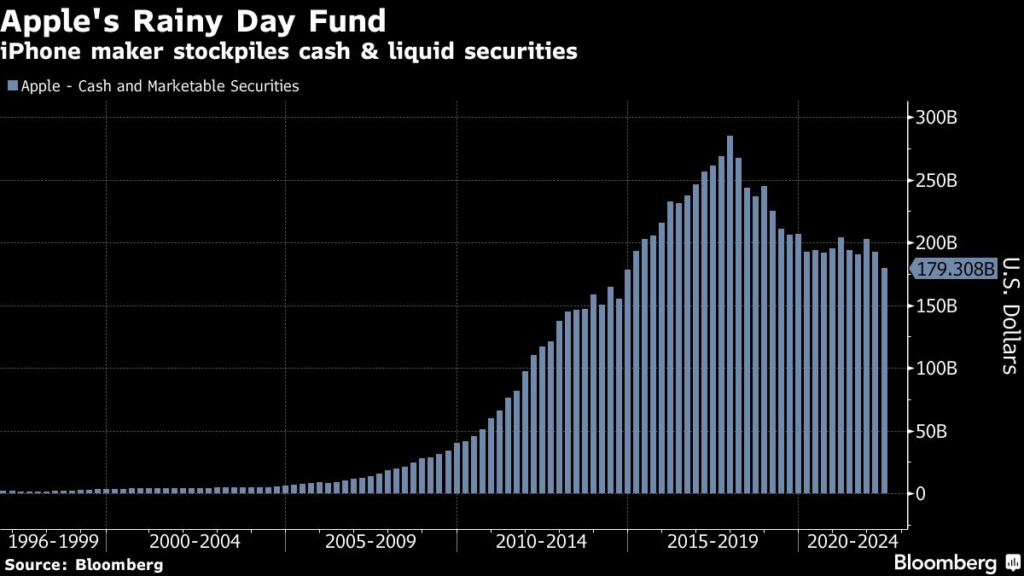
The iPhone maker’s cash and cash equivalents stockpile sits at nearly $180 billion, while it has paid out around $14 billion dividends each of the last three years. 

“Apple consistently borrowing tens of billions of dollars annually is due more to its confidence in expanding cash flow than operational needs,” Bloomberg Intelligence analyst Robert Schiffman wrote Monday. 

Goldman Sachs Group Inc., JPMorgan Chase & Co. and Bank of America Corp are leading the sale, the person said. 

In December, Apple’s long-term credit was upgraded to Aaa by Moody’s Investors Service, putting it in an exclusive club with Microsoft Corp. and Johnson & Johnson as the only US corporations in the S&P 500 with the highest possible credit rating. 

(Updates with deal size and launch information.)

More stories like this are available on bloomberg.com

©2022 Bloomberg L.P.

Stocks Push Lower as Fed Pivot Seems Less Likely: Markets Wrap

(Bloomberg) — US stocks fell and Treasuries rallied as investors digested fresh comments from Federal Reserve officials and data showing slower growth in the manufacturing sector.

The S&P 500 pushed lower while the tech-heavy Nasdaq 100 fell after rising as much as 1.1% earlier in the session. Treasury yields declined, with the 10-year rate around 2.61%, the lowest since April. 

After hinting at a possible pivot last week, Fed officials suggested that the central bank will need to raise rates further to bring inflation under control. A purchasing managers index of manufacturing was the latest data point to show that aggressive Fed tightening is starting to slow economic growth.

Stocks had powered higher in July on speculation the central bank was close to the end of its rate-hiking cycle on signs that runaway inflation may have peaked. Investors are now scrutinizing data, where any above-expectation reading could upend bets on a Fed pivot. At the same time corporate earnings have largely shown that companies are able to deliver profit growth. 

“July delivered a nice relief rally on a dovish interpretation of Fed comments and tech earnings that were not as dismal as expected, but it’s not surprising that we would see a retrenchment after that sort of performance,” said Dana D’Auria, co-CIO at Envestnet Inc. “We are still facing a rising rate environment and an economy that is probably technically in recession.”

Geopolitical tensions also kept markets on edge, with China again warning that its military would take action if House Speaker Nancy Pelosi makes a landmark visit to Taiwan. The offshore renminbi was down as much as 0.6% on the day in the wake of the report, while non-deliverable forwards on the Taiwanese dollar indicated a weakening of the island’s currency.

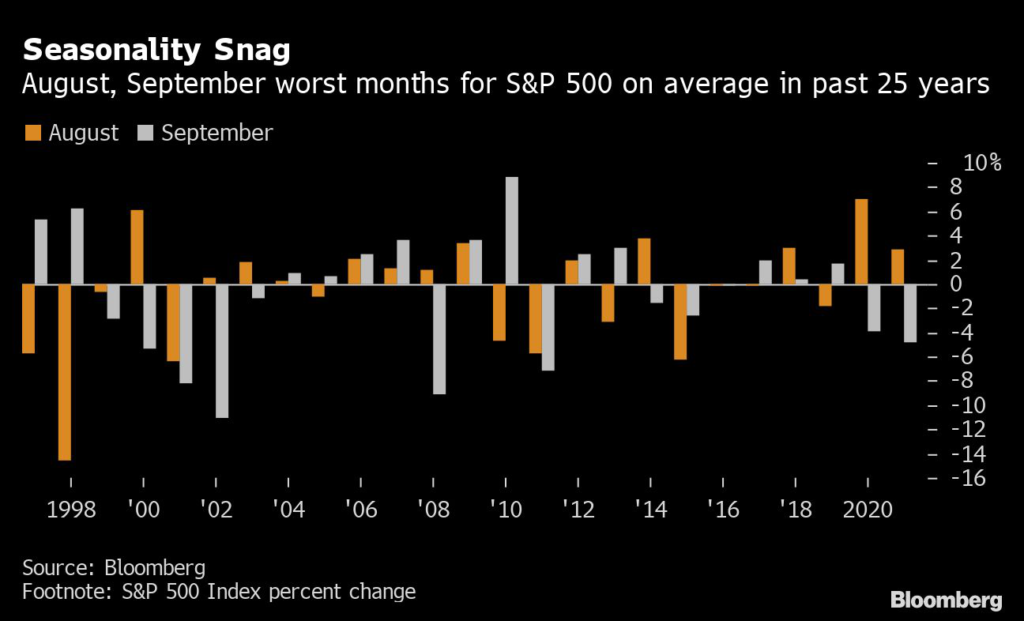
Despite a 12.6% advance from a low on June 16, the S&P 500 could face an ugly stretch. Wall Street lore says October is the most dangerous month for the stock market because of crashes in 1929, 1987 and 2008. But August and September are actually worse, with the S&P 500 averaging declines of 0.6% and 0.7%, respectively, over the past 25 years.

Read More: Surging Stock Market Is Heading Into Riskiest Months of the Year

While more than half of the S&P 500 companies that reported earnings so far have beat analyst estimates, the rate of earnings beats is still trailing the 62% average pace set in the last five quarters. And companies are worried about the economy, with executives and analysts on track to use phrases related to an economic slowdown three times more on second-quarter calls than they did during first-quarter results.

“The Fed does not want to trigger a recession, but their first and much stronger priority is to get inflation under control. If that means driving risk assets lower, that is what they will do,” wrote Dennis DeBusschere, the founder of 22V Research.

Oil declined after poor Chinese economic data added to concerns that a global slowdown may sap demand. West Texas Intermediate dropped below $96 a barrel after sinking almost 7% in July in the first back-to-back monthly loss since late 2020.

The dollar fell. Bitcoin dropped after reaching the highest levels since mid-June on Saturday, fueled by optimism that the market may have recovered from its worst levels.

Read More: Here’s What the Six Key Official Indicators of US Recession Show

What to watch this week:

  • Airbnb, Alibaba and BP are among earnings reports
  • Reserve Bank of Australia rate decision, Tuesday
  • US JOLTS job openings, Tuesday
  • Chicago Fed President Charles Evans, St. Louis Fed President James Bullard due to speak at separate events, Tuesday
  • OPEC+ meeting on output, Wednesday
  • US factory orders, durable goods, ISM services, Wednesday
  • BOE rate decision, Thursday
  • US initial jobless claims, trade, Thursday
  • Cleveland Fed President Loretta Mester due to speak, Thursday
  • US employment report for July, Friday

Some of the main moves in markets:

Stocks

  • The S&P 500 fell 0.5% as of 2:04 p.m. New York time
  • The Nasdaq 100 fell 0.3%
  • The Dow Jones Industrial Average fell 0.3%
  • The MSCI World index rose 1.2%

Currencies

  • The Bloomberg Dollar Spot Index fell 0.3%
  • The euro rose 0.4% to $1.0258
  • The British pound rose 0.7% to $1.2254
  • The Japanese yen rose 1% to 131.97 per dollar

Bonds

  • The yield on 10-year Treasuries declined four basis points to 2.61%
  • Germany’s 10-year yield declined four basis points to 0.78%
  • Britain’s 10-year yield declined six basis points to 1.81%

Commodities

  • West Texas Intermediate crude fell 5% to $93.65 a barrel
  • Gold futures rose 0.3% to $1,786.40 an ounce

More stories like this are available on bloomberg.com

©2022 Bloomberg L.P.

Billionaire Vice Chairman of China Battery Giant CATL Resigns

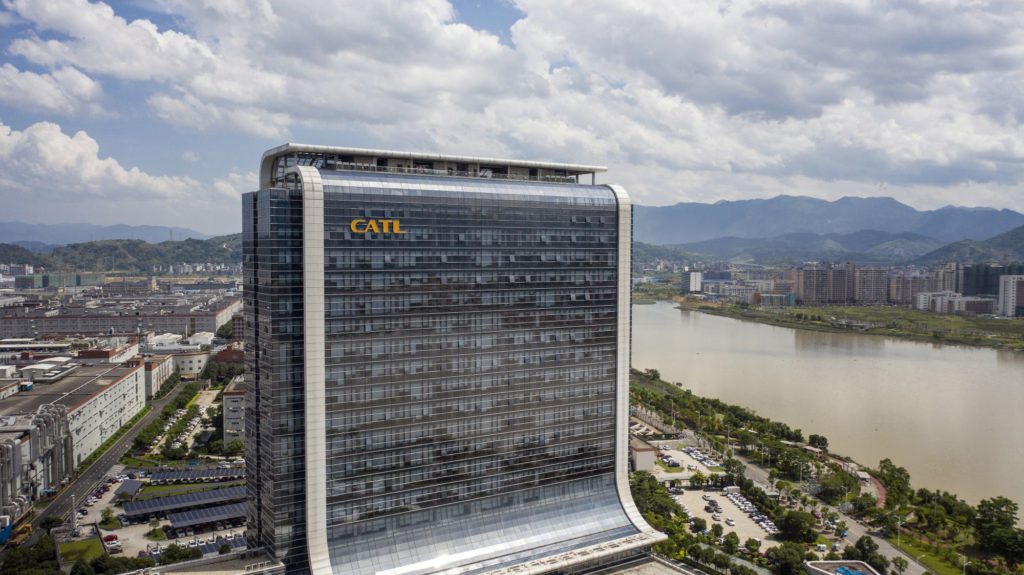
(Bloomberg) — Contemporary Amperex Technology Co. Ltd., the world’s biggest maker of electric-vehicle batteries, said Vice-Chairman Huang Shilin resigned effective Monday to pursue opportunities in battery charging and energy storage. 

Huang, 56, resigned for personal reasons and the move won’t have any negative impact on business operations, Ningde, Fujian-based CATL said in an earlier statement. He will be succeeded by the company’s president, 44-year-old Zhou Jia. 

Huang, China’s ninth richest person with a net worth of about $20 billion according to the Bloomberg Billionaires Index, has a stake of about 10.6% in CATL. 

In June, CATL denied rumors that Huang cut his stake for cash, saying that he had transferred about 2 million shares to six private funds he owned and there was no change in the size of his holding. 

CATL Denies Rumor That Vice Chairman Cut Stake for Cash

CATL, which listed in Shenzhen in 2018, has a dominant position in the world’s EV battery market, supplying companies including Tesla Inc. and Chinese startups Nio Inc. and Xpeng Inc. CATL shares are down 9% this year, but up more than 2,000% since listing. 

Kevin Shang, an analyst Wood Mackenzie, said he wasn’t surprised that Huang was leaving to explore opportunities in solar, fast charging and the booming energy storage sector. He said Huang obviously has a passion for those areas, based on his public comments, and that other big names could also leave leading battery companies to set up businesses focused on energy storage. 

More stories like this are available on bloomberg.com

©2022 Bloomberg L.P.

Euro 2022 Sponsors Won’t Reveal How Much They Did, or Didn’t Pay

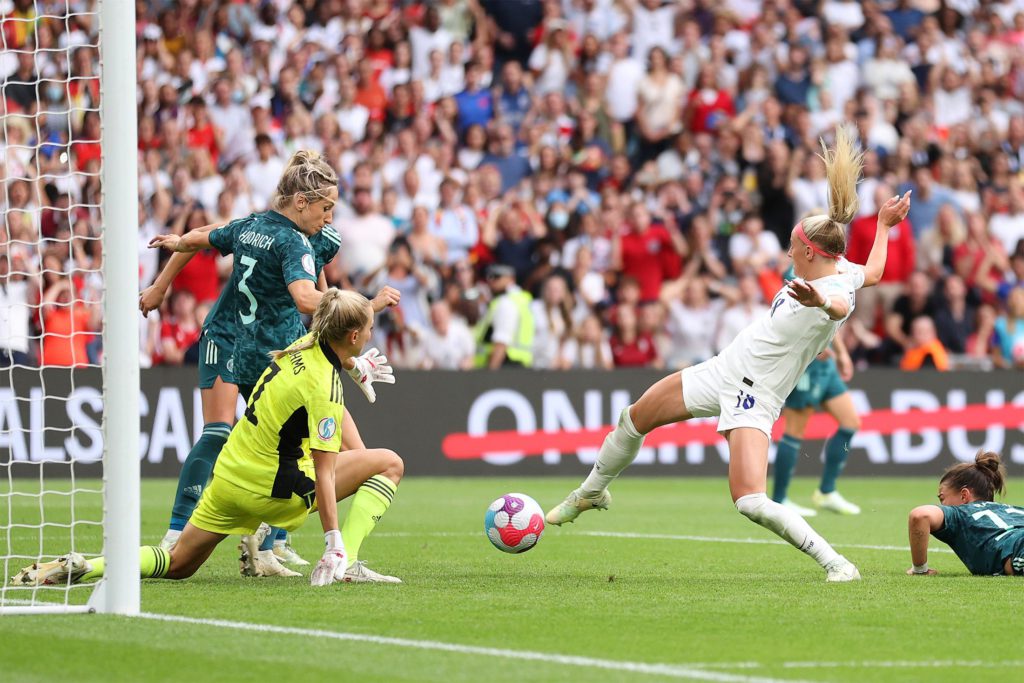
(Bloomberg) — England’s 2-1 victory against Germany to win Euro 2022 has become a sponsorship dream. An added bonus for the advertisers is that it hardly cost a thing. 

The event set records for attendance and television views, while social media has been flooded with adverts celebrating women’s role in sport. But for all the added spotlight on women’s football, corporate partners would have paid only a fraction of the cost of sponsoring a men’s tournament.

“Many of the sponsors will be laughing right now,” said Maggie Murphy, chief executive officer of Lewes FC, which runs a men’s and women’s team.

Of the 18 major sponsors for Euro 2022, including Lego A/S, Nike Inc., Just Eat Takeaway.com NV and Volkswagen AG, the majority declined to reveal how much they paid to advertise. The rest, along with European football’s governing body UEFA, didn’t respond to requests for comment.

Many sponsors claimed that they would never reveal sensitive information about advertising deals. 

On Sunday, 87,192 fans in Wembley Stadium saw England clinch its first major football trophy since 1966. This beat the previous record for a major men’s or women’s Euro final when Spain’s men team played the Soviet Union in Real Madrid’s Santiago Bernabeu in 1964. It was also a new high for a women’s international match in Europe.

Euro 2022 is the largest women’s tournament UEFA has ever hosted. Still, the low sponsorship revenue and lack of lucrative pay-TV broadcasting mean it’s possible the event may actually end up losing money.

“The difference is vast” with men’s football, said Misha Sher, global head of sport, entertainment and culture at MediaCom. “We’ve just seen the most successful women’s Euro tournament of all time and it will be operating at a loss.”

Read More: Euro 2022 smashes the football Records, except for prize money

Sponsoring the men’s FIFA World Cup has long been reported to cost about $100 million for a four-year deal. Euro 2020 booked commercial rights of 520.8 million euros ($535 million), according to UEFA’s annual report. 

While the commercial success of the previous women’s European championship in 2017 wasn’t broken out, UEFA said revenue for the event reached just 12.7 million euros.

Conservative Sponsors

“I think many sponsors are traditionally conservative when it comes to sponsoring women’s football,” said Murphy. “They want women’s football to be successful first, and then say they will invest.” 

Historically, UEFA bolted on women’s sponsorship as part of larger packages centered around events for male teams, before deciding to unbundle the rights to women’s football in 2018. That year, Visa Inc. became the first ever UEFA sponsor dedicated to women’s football.

It’s still common for sponsorship deals to cover both men’s and women’s teams. Within England’s Women’s Super League, deodorant brand Rexona began sponsoring Manchester City FC three years after sponsoring the men’s. But the support for Euro 2022 may help turn the tide.

“Many WSL teams currently share a number of sponsors with their male counterparts,” said Conrad Wiacek, head of sport analysis at GlobalData. “Brands will now want to associate themselves with women’s sport, given the current excitement and potential audience that could now be watching the WSL, which may mean a windfall of anywhere between $5 million to $10 million per club.”

More stories like this are available on bloomberg.com

©2022 Bloomberg L.P.

Spain’s Body Positivity Ad Slammed for Doctoring Women’s Images

(Bloomberg) — An ad by the Spanish ministry which sought to combat sexist stereotypes about women’s bodies is quickly unraveling.

Models say they did not consent to their images being used in the promotion, and how they were edited. One of the women in the photo illustration accompanying the ad is criticizing the designer of the image for editing out her prosthetic leg. Another says her face was grafted onto another body. 


Some of the images from the campaign that Spain’s Equality Ministry debuted on July 27  to encourage women to enjoy the beach have been taken down. Spain’s Women’s Institute, a division of the Equality Ministry, said in an emailed statement it “wasn’t aware that the women who appear in the images were real people” and had commissioned an illustration without the use of models. 

“All bodies are valid and we have the right to enjoy life as we are, without guilt or shame,” equality minister Irene Montero said in a now-deleted tweet. The accompanying image featured a pastiche of models’ photos, including a doctored version of an image model and motivational speaker Siân Green-Lord posted from a recent trip to Ibiza. In the advertisement, her white bathing suit had been covered with a floral design and her prosthetic leg had been replaced to hide her disability. 

Green-Lord raised concerns about her image being used in the body-positivity campaign in her Instagram stories on July 29, two days after the ad debuted. A friend brought the illustration to her attention, she said.

“I’m still in shock over the whole situation as it’s took me so long to accept myself with my disability so what they have done is very hurtful,” Green-Lord said in an email.

Green-Lord’s criticisms were echoed by model Nyome Nicholas-Williams and writer Juliet FitzPatrick, who also said they didn’t given permission to be used in the ads. FitzPatrick didn’t believe she in the image “as the woman has one breast and I have none,” she said. It was only after a photographer she had previously worked with reached out to her that she suspected her likeness had been grafted onto the body of another person. The reality of how the campaign image came to be undermines its message, she said.

“I’m very used to having a topless image of my body being used for campaigns, but this is always with my consent and somewhat in my control,” she said in an email. “It’s very disappointing that a woman with a mastectomy is represented in the poster, but it turns out that she is not real and seems to have been made from two images of different women.”

Nicholas-Williams said she “thought the advert was great initially, but it’s gotten progressively worse.” She’s angry they both used her image without prior consent, she said in an e-mailed statement. “Now they think that just by taking the pictures down and not compensating me will be good enough. It’s not!”

The ad, which features the likenesses of five women, was designed by the Spanish artist Arte Mapache. On July 28, the artist tweeted an apology for using models’ images without their consent. Mapeche also pledged to “repair the the damage I caused” as well as to work with the models privately to make amends.

Spain’s Women’s Institute thanked the artist for “recognizing the error” in producing the image. The organization also said it had been in touch with each of the women, “and the illustrator and the models are expected to reach an agreement.”

More stories like this are available on bloomberg.com

©2022 Bloomberg L.P.

Video Game Consoles Are Somehow Spared From Inflation in Japan

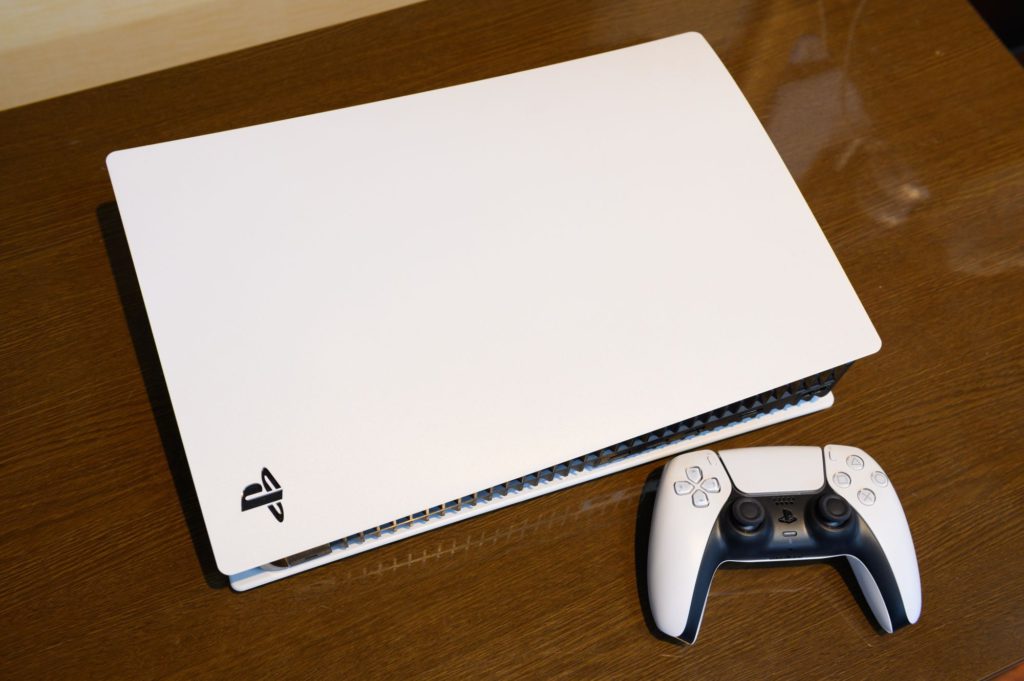
(Bloomberg) — The weaker yen has triggered price hikes on electronics from iPhones to refrigerators across Japan this year, with one glaring exception: the video game console.

Sony Group Corp., Microsoft Corp. and Nintendo Co. have held fast to a 100-yen-to-the-dollar conversion rate that today sees their consoles as much as $100 cheaper in Japan than elsewhere in the world. No company wants to be first to break the unwritten rule against raising prices after a console’s release, for fear of losing players and game developers to rivals, and all three believe they can recoup any losses through international software sales. But that may be changing.

The consensus among analysts is that the current business model is unsustainable and overdue for revision. Part of the problem is a growing arbitrage market that sees people buying consoles in Japan and selling them overseas, exacerbating difficulties for companies already beset by supply chain and logistics challenges. Sony’s PlayStation 5 is jokingly referred to as a financial asset in its home country, something one buys to resell at a profit rather than to play games on.

“Consumers in Japan are getting used to price hikes,” said Morningstar analyst Kazunori Ito, pointing to higher prices of TVs, headphones, monitors, fridges, dishwashers and printers on the back of the weak yen. “I don’t see them getting upset if game consoles followed suit.”

That change could come as pressure builds to protect margins and address a slowdown in software sales attributable to shortages of hardware on store shelves. Sony cut its profit outlook for the year because of slumping game sales on Friday, triggering a 3.2% fall in its share price the next trading day, and Nintendo is expected to report its own drop in profit on Wednesday.

Meanwhile, fellow gadget makers from Apple Inc. to Xiaomi Corp. have raised prices in Japan to address the currency imbalance — the iPhone is now 25% pricier and Xiaomi’s health gadgets and tablets got a hike on Monday.

As the yen softens, every console sold in Japan becomes less lucrative for its maker, because manufacturing costs are denominated in US dollars. And the final push toward more realistic pricing may come from the flipping of consoles on resale markets. Emboldened by a 21% fall in the yen over the past year, scalpers and opportunistic resellers have increased their activity because they now earn more per console.

Turbocharged by flea market apps, they are snatching up consoles at Japanese prices and holding onto them until the best opportunity to maximize profit, such as the release of a must-have blockbuster title. That will become increasingly untenable for Sony et al as the scalping activity constricts console supply and slows the virtuous cycle between hardware and software sales.

The industry is losing potential customers, Famitsu Group Representative Katsuhiko Hayashi said. “More gamers are trying out alternatives, such as PCs, when they can’t buy the console they want.”

The latest generation of consoles, Sony’s PS5 and Microsoft’s Xbox Series, have been in tight supply globally since their launch in late 2020, owing to Covid-19 disruptions to the electronics supply chain and global shipping. The component shortages that stifled Sony’s output are improving, but the logistics challenge remains as great as ever, Sony Chief Financial Officer Hiroki Totoki said after its earnings report last week. The CFO declined to say whether the company would raise prices in Japan.

Nintendo said it has no plans to raise Switch prices. Microsoft declined to comment.

Sony Cuts Profit Outlook on Weaker PlayStation Prospects

“Arbitrage is a healthy function of the market, suggesting the retail prices are too low for underlying demand,” Toyo Securities analyst Hideki Yasuda said. Japan’s scalper market has thrived since the launch of the PS5, which was so in-demand that units of the sought-after console were initially sold through a lottery system. Without raising prices in their domestic market, Sony and Nintendo are creating room for scalpers to operate “and their shareholders are losing profits they should be pocketing,” he said.

PlayStation 5 Scalpers Use Bots to Hunt Down Scarce Consoles

The Nintendo Switch OLED model is priced at $350 plus tax in the US, but costs 37,980 yen (roughly $290) in Japan. Hardware resellers around Tokyo currently offer to buy it for over 40,000 yen apiece, relying on that price delta for their profit. Sony’s PS5 costs about 55,000 yen in stores, yet can be resold immediately for 80,000 yen or more at retailer Noah Trading Co. in Tokyo’s Ikebukuro. The company boasts on its website that it generated 10 billion yen in revenue in 2020, selling electronics domestically and to countries and regions such as China, Hong Kong, Taiwan, Singapore and the US.

Until now, Nintendo and Sony have been able to offset hardware losses stemming from the weak yen with corresponding yen-inflated profits from overseas software sales. With most of its costs in Japanese currency, Nintendo has been able to largely resist raising prices. Console makers have traditionally cut prices of consoles as they age — not the other way around — and appear wary of killing demand or losing market share to rivals.

“The best scenario is to be second, after someone else has tested the waters; the worst is to be first and alone,” said Atsushi Osanai, a professor at Waseda Business School in Tokyo. “Companies tend to settle with the second-best, which is to stand pat.”

More stories like this are available on bloomberg.com

©2022 Bloomberg L.P.

Vinci to Buy Nearly 30% Stake in Mexico Airport Operator OMA

(Bloomberg) — Vinci SA has agreed to buy a 29.99% stake in Mexican airport operator Grupo Aeroportuario del Centro Norte SAB from billionaire David Martinez. 

The French concessions and construction company will become the leading shareholder in the operator, known as OMA, it said in a statement Monday that confirmed an earlier Bloomberg News report. Vinci will pay a net purchase price of about $815 million, according to a regulatory filing. 

Shares of OMA rose 5% to 130.36 pesos at 10:37 a.m. Monday in Mexico City, outpacing a 0.2% gain rise in Mexico’s benchmark index.

Vinci is buying shares that Martinez’s Fintech Advisory Inc. owns through two separate investment vehicles, SETA and Aerodrome. It is acquiring SETA’s holding for about $578.7 million, while the Aerodrome stake will fetch a net price of about $236.7 million, according to Monday’s filing. Some of SETA’s shares carry certain special rights. 

Martinez, a billionaire and native of Mexico, is the founder of Fintech, an investment firm with offices in New York and London.

OMA operates 13 international airports in Mexico, including the hub in Monterrey, the country’s second-largest business and industrial city. The deal is expected to complete by the end of 2022.

(Updates with financial details, share move from second paragraph)

More stories like this are available on bloomberg.com

©2022 Bloomberg L.P.
Treasuries Rally as Traders Digest Fedspeak, Data: Markets Wrap

(Bloomberg) — US Treasuries rallied and stocks rose as investors digested fresh comments from Federal Reserve officials and data showing slower growth in the manufacturing sector.

The S&P 500 climbed after struggling for direction earlier in the session. The tech-heavy Nasdaq 100 erased earlier losses to trade higher, rising as much as 1.1%. Treasury yields declined, with the 10-year rate around 2.59%, the lowest since April. 

After hinting at a possible pivot last week, Fed officials suggested that the central bank will need to raise rates further to bring inflation under control. A purchasing managers index of manufacturing was the latest data point to show that aggressive Fed tightening is starting to slow economic growth.

Stocks had powered higher in July on speculation the central bank was close to the end of its rate-hiking cycle on signs that runaway inflation may have peaked. Investors are now scrutinizing data, where any above-expectation reading could upend bets on a Fed pivot. At the same time corporate earnings have largely shown that companies are able to deliver profit growth. 

“Markets may test the substantial rally that occurred last week as they consider the progress the Federal Reserve has made thus far to stem the course of inflation,” wrote John Stoltzfus, chief investment strategist at Oppenheimer.

Geopolitical tensions also kept markets on edge, with China again warning that its military would take action if House Speaker Nancy Pelosi makes a landmark visit to Taiwan. The offshore renminbi was down as much as 0.6% on the day in the wake of the report, while non-deliverable forwards on the Taiwanese dollar indicated a weakening of the island’s currency.

Despite a 12.6% advance from a low on June 16, the S&P 500 could face an ugly stretch. Wall Street lore says October is the most dangerous month for the stock market because of crashes in 1929, 1987 and 2008. But August and September are actually worse, with the S&P 500 averaging declines of 0.6% and 0.7%, respectively, over the past 25 years.

Read more: Surging Stock Market Is Heading Into Riskiest Months of the Year

While more than half of the S&P 500 companies that reported earnings so far have beat analyst estimates, the rate of earnings beats is still trailing the 62% average pace set in the last five quarters. And companies are worried about the economy, with executives and analysts on track to use phrases related to an economic slowdown three times more on second-quarter calls than they did during first-quarter results.

“The Fed does not want to trigger a recession, but their first and much stronger priority is to get inflation under control. If that means driving risk assets lower, that is what they will do,” wrote Dennis DeBusschere, the founder of 22V Research.

Oil declined after poor Chinese economic data added to concerns that a global slowdown may sap demand. West Texas Intermediate dropped below $96 a barrel after sinking almost 7% in July in the first back-to-back monthly loss since late 2020.

The dollar fell. Bitcoin dropped after reaching the highest levels since mid-June on Saturday, fueled by optimism that the market may have recovered from its worst levels.

What to watch this week:

  • Airbnb, Alibaba and BP are among earnings reports
  • Reserve Bank of Australia rate decision, Tuesday
  • US JOLTS job openings, Tuesday
  • Chicago Fed President Charles Evans, St. Louis Fed President James Bullard due to speak at separate events, Tuesday
  • OPEC+ meeting on output, Wednesday
  • US factory orders, durable goods, ISM services, Wednesday
  • BOE rate decision, Thursday
  • US initial jobless claims, trade, Thursday
  • Cleveland Fed President Loretta Mester due to speak, Thursday
  • US employment report for July, Friday

Some of the main moves in markets:

Stocks

  • The S&P 500 rose 0.3% as of 11:52 a.m. New York time
  • The Nasdaq 100 rose 0.9%
  • The Dow Jones Industrial Average rose 0.4%
  • The Stoxx Europe 600 fell 0.2%
  • The MSCI World index rose 1.2%

Currencies

  • The Bloomberg Dollar Spot Index fell 0.4%
  • The euro rose 0.5% to $1.0273
  • The British pound rose 0.8% to $1.2271
  • The Japanese yen rose 1.1% to 131.74 per dollar

Bonds

  • The yield on 10-year Treasuries declined six basis points to 2.59%
  • Germany’s 10-year yield declined four basis points to 0.77%
  • Britain’s 10-year yield declined six basis points to 1.80%

Commodities

  • West Texas Intermediate crude fell 5.5% to $93.15 a barrel
  • Gold futures rose 0.2% to $1,785.70 an ounce

More stories like this are available on bloomberg.com

©2022 Bloomberg L.P.
Close Bitnami banner
Bitnami