Bloomberg

FTX Discussed $100 Million Liverpool, Manchester United Deals

(Bloomberg) — Sam Bankman-Fried’s cryptocurrency exchange FTX held talks to sponsor English Premier League teams Manchester United and Liverpool earlier this year, according to people with knowledge of the matter. The discussions underscore the now-bankrupt company’s ambitions to expand its global reach, and its willingness to spend significant sums of money to do so.

Federal prosecutors in Manhattan have begun investigating FTX’s collapse, a decline that included an unexplained $8 billion shortfall in funds, and the US Justice Department’s bankruptcy watchdog has called for an independent probe. Bankman-Fried is facing class-action lawsuits and regulatory probes by the SEC.  

The numbers associated with each of the potential multiyear deals ranged from close to $100 million to even more than that, according to people with knowledge of the matter who requested anonymity discussing confidential information. Manchester United’s proposed package was more costly than Liverpool’s, one of the people said. A spokesperson for the Manchester-based club declined to comment.

FTX ultimately decided against sponsoring either team. In a message on Slack posted in February and reviewed by Bloomberg News, Bankman-Fried himself expressed confusion regarding the value of such sponsorships. “I’d love to see a comparison to other deals we’ve done, estimates of how many users those have given us, and what that implies about this – e.g. FTX Arena,” he wrote, referencing the company’s partnership with the home of the Miami Heat. He also asked for a survey about each club, and questioned customer conversion rates of such deals. 

There was internal disagreement about sponsoring a football club, per the Slack exchange, in which Bankman-Fried said colleagues “are probably getting too emotional and combative about this”, noting that there had been skepticism regarding perceived return on investment of such a transaction. 

Prior to its spectacular collapse, FTX had invested hundreds of millions of dollars in sports sponsorships. These ran the gamut of the football stadium at the University of California Berkeley to the Formula 1 racing team Mercedes-AMG Petronas. Its logo appeared on the patches worn by umpires for Major League Baseball and it had been the title sponsor for an esports team called TSM. 

For Liverpool, a presentation viewed by Bloomberg proposed FTX taking over as the football club’s main partner for 2023 and beyond. The deal outlined in the presentation would feature jersey branding, FTX logos on interview backdrops, pitch signage as well as social media promotion. In return, according to the document, FTX would raise its brand awareness in key global markets with a focus on both business-to-business and business-to-consumer postioning. That would, according to the document, lead to user acquisition, conversion and retention.

Representatives for Liverpool flew to the Bahamas to meet with FTX, and certain of the exchange’s employees received team shirts with their names on them, people familiar with the discussions told Bloomberg. 

In a slide titled “our stock is going to the moon,” Liverpool positioned itself favorably against Manchester United on key metrics including trophies won since 2019, Premier League points earned in that same period, and social media follower growth. Other slides described the media benefits of being associated with “the most valuable shirt in the world” and “the most watched team in the Premier League” among global television audiences. A spokesperson for Liverpool declined to comment.

A spokesperson for FTX did not immediately respond to a request for comment. A representative for Bankman-Fried, who resigned as chief executive officer for FTX after the bankruptcy filing, declined to comment. 

–With assistance from Olga Kharif.

(Updates with additional legal and regulatory context about FTX collapse in second paragraph)

More stories like this are available on bloomberg.com

©2022 Bloomberg L.P.

Tesla SEC Deal Ruled Off-Limits in Musk Tweet-Fraud Trial

(Bloomberg) — Elon Musk has never been a fan of the settlement he reached with the US Securities and Exchange Commission over his infamous 2018 tweet about having secured funding to take Tesla Inc. private.

Lucky for the billionaire chief executive officer, that deal can’t be used as ammunition against him and the electric car-maker when investors take them to trial in January. A federal judge on Wednesday ruled it would be unfair to introduce Musk’s accord with the regulator as evidence for the jury that will decide whether the false tweet defrauded investors.

While Musk and Tesla quickly settled the SEC case for $40 million without admitting wrongdoing — and with a promise that the CEO would have his tweets vetted by a Tesla lawyer before posting them — the investor case could set them back more than $1 billion if they lose the trial.

The ruling may give Musk and Tesla some leverage in talks aimed at resolving the dispute before the class-action trial kicks off Jan. 17. 

US District Judge Edward Chen in San Francisco brushed away the argument by investors that the jury must learn about both the SEC investigation and settlement as part of its evaluation of the losses they suffered from wild swings in Tesla’s stock price attributed to Musk’s tweets.

“It would be confusing and artificial for the jury to be kept in the dark about its conclusion,” lawyers for the investors argued in a court filing.

Lawyers for Musk and Tesla argued that dredging up the SEC case at trial would “corrupt the jury’s evaluation” of the shareholder case. 

Chen said he won’t bar lawyers for the investors from telling the jury about the SEC’s investigation, which made headlines the day after Musk’s initial go-private tweets. But the judge ruled that telling jurors that the probe resulted in a lawsuit and a settlement more than a month later might create “unfair prejudice” against Musk and Tesla.

Investors contend Tesla’s CEO was intentionally deceitful when he tweeted the go-private proposal to his millions of Twitter followers on Aug. 7, 2018, adding that the transaction was buttressed by “funding secured.” 

Lawyers for shareholders have never publicly revealed how much they’re seeking in damages for hundreds of investors. A recent court filing by Musk and Tesla cited “billions” at stake.

Musk insists investors are wrong to accuse him of manipulating the stock price and maintains that his short-lived plan to take Tesla private was solid based on discussions he had with Saudi Arabia’s Public Investment Fund.

The judge made it significantly easier for the investors to prevail when he ruled in April that the “funding secured” tweet was false and reckless.

Musk in September asked a federal appeals court to throw out the so-called Twitter Sitter provision of his SEC settlement, calling it an illegal effort to muzzle him.

The world’s richest person complained that the pressure he faced to settle with the regulator was “like having a gun to your child’s head.”

The case is In re Tesla Inc. Securities Litigation, 18-cv-04865, US District Court, Northern District of California (San Francisco).


(Updates with judge’s reasoning)

More stories like this are available on bloomberg.com

©2022 Bloomberg L.P.

Amazon CEO, Putting Stamp on Company, Promotes Four Leaders

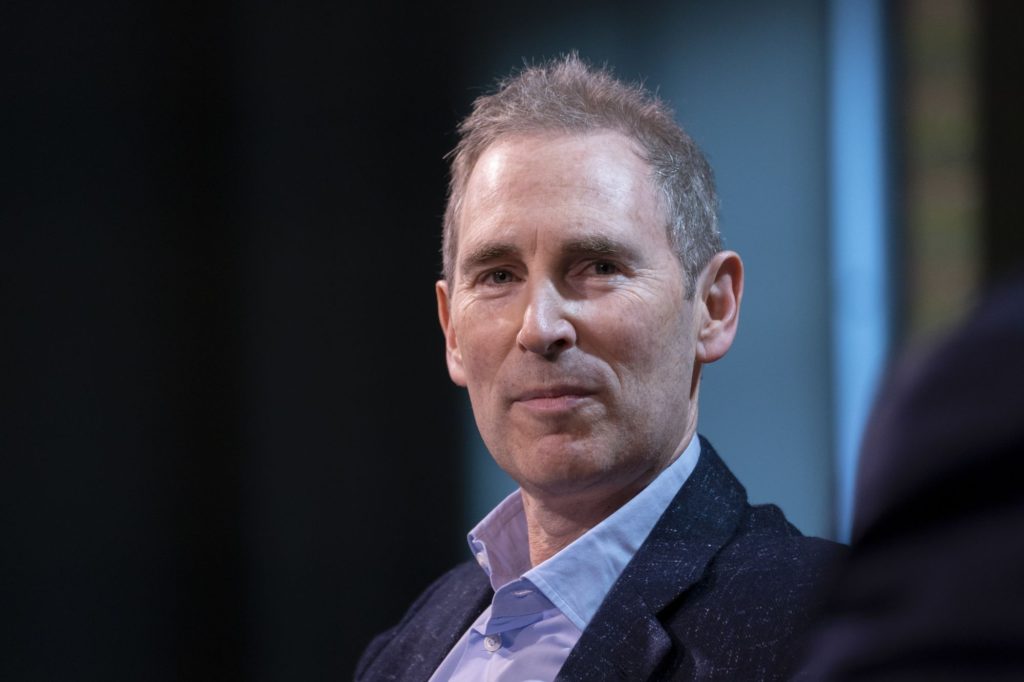
(Bloomberg) — Amazon.com Inc. Chief Executive Officer Andy Jassy has appointed four executives to senior roles as he continues to put his stamp on the world’s largest e-commerce company.

The appointments include three long-time executives and one relative newcomer. They are joining “Steam,” a group of senior leaders who help influence the direction of the company and its investment priorities. With the promotions, Jassy revealed a commitment to streaming services, logistics and devices.

The new members are:

  • Steve Boom, vice president of Amazon Music, who has been with Amazon for more than a decade. Boom is a lawyer-turned-technology executive who studied law at Harvard and has worked at several other technology companies, including Yahoo, according to his LinkedIn profile.
  • Candi Castleberry, vice president of global diversity, equity and inclusion who was hired last year following the resignation of her predecessor. She previously held a similar role at Twitter.
  • Udit Madan, vice president of transportation at Amazon, joined the company in 2008 as a software engineer and rose through the ranks, according to his LinkedIn profiile.
  • Rob Williams, vice president of devices, has a degree in computer engineering from the University of Waterloo and joined Amazon in 2013, according to his LinkedIn profile.

“Each are very strong leaders, play critical roles at the company and exemplify so many of our leadership principles in how they lead every day,” Jassy said in the announcement Wednesday.

Jassy’s elevation to CEO last year prompted a wave of departures from Steam, including executives who spent almost their entire careers at the Seattle-based company. The most recent veteran to announce his exit is Amazon media chief Jeff Blackburn, who plans to retire in early 2023.

The newly constituted Steam will have 27 members, including four women. Amazon, like other big technology companies, has been criticized for a preponderance of mostly white male executives.

(Updated with biographical details in bulleted section.)

More stories like this are available on bloomberg.com

©2022 Bloomberg L.P.

Celsius Judge Orders Return of User Crypto Worth $50 Million

(Bloomberg) — US Bankruptcy Judge Martin Glenn ordered Celsius Network LLC to return cryptocurrency that never touched the lender’s interest-bearing accounts to its customers. 

The order, delivered verbally in a hearing Wednesday, applies to a pile of crypto worth roughly $44 million in September. It’s a tiny a fraction of the billions of dollars of coins owed to Celsius users.  

The move comes after Celsius advisers and various stakeholders came to the conclusion that coins placed solely into so-called custody accounts belong to users, rather than the bankrupt company. The legal treatment of coins in interest-bearing accounts — which account for most of Celsius’ assets — has yet to be decided. 

“I want this case to move forward,” Glenn said in the hearing. “I want creditors to recover as much as they possibly can as soon as they possibly can.”

Celsius had more than $200 million of assets in custody accounts as of September, but the majority of those coins were moved into custody accounts from interest-bearing accounts shortly before the bankruptcy. That means Celsius may be able to claim ownership of that crypto because of rules surrounding so-called preferential transfers.

Glenn didn’t order the return of those coins, unless the transfers were for less than about $7,500. A little more than $11 million of crypto fit into that bucket as of September, according to court papers.

The bankruptcy is Celsius Network LLC, 22-10964, US Bankruptcy Court for the Southern District of New York (Manhattan).


–With assistance from Steven Church and James Nani.

More stories like this are available on bloomberg.com

©2022 Bloomberg L.P.

Virtu Had No Losses From FTX Collapse, CEO Says: Goldman Update

(Bloomberg) — Virtu Financial Chief Executive Officer Douglas Cifu said the market-making firm saw no losses stemming from the unraveling of Sam Bankman-Fried’s FTX crypto exchange.

While the crypto meltdown posed some operational challenges, New York-based Virtu saw no change in its retail flows as a result of the FTX contagion, Cifu said Wednesday at the second day of an investor conference hosted by Goldman Sachs Group Inc. He noted that the list of FTX creditors would ultimately emerge.

Cifu said that the fact that FTX was based in the Bahamas showed a failure of leadership in Washington. He added that he still expects a sensible regulatory regime to emerge from the collapse of the crypto exchange. 

Brookfield CEO Says Markets Are ‘Wrong’ About Real Estate (3:13 p.m. NY)

Investors are undervaluing real estate firms with good assets, creating the potential to find “great value” in properties, Brookfield Asset Management Inc. CEO Bruce Flatt said.

“I would say the markets are wrong, generally, but you have to be selective,” Flatt said at the Goldman conference.

There’s a great disparity between the value of high-quality office and retail properties and lesser ones: Rents for some premier properties in Manhattan are 50% higher than pre-Covid levels, while owners of inferior buildings are struggling to find tenants, he said.

The MSCI US REIT Index has fallen 25% this year, a correction that is partly driven by the rapid rise in interest rates, which increases financing costs. “We’ve been through many cycles. We’ve been a through a lot worse than this one,” Flatt said.

The Toronto-based alternative asset manager had $125 billion of capital to deploy as of the end of September. The firm is raising money for an opportunistic credit fund that it expects to be more than $16 billion, Flatt told investors last month. Oaktree Capital, of which Brookfield acquired control in 2019, “is going to have an unbelievable next 24 months putting money to work” as credit markets endure a period of stress, Flatt said.

BNY Mellon Working with Regulators on Digital Assets (2:25 p.m. NY)

Institutional adoption of digital assets is underway, and Bank of New York Mellon Corp. is working closely with regulators on implementing those services, said Roman Regelman, CEO of securities services and digital at the company.

“Whether that’s an asset class or underlying technology, we’re quite bullish on both,” Regelman said at the Goldman conference, citing a recent survey in which 90% of institutional investors expressed interest in digital assets. “We are working with the regulators around the world.”

Schwarzman Says BREIT Concerns Are ‘Baffling’ (1:31 p.m. NY)

Blackstone Inc. CEO Steve Schwarzman said he found recent concerns about the firm’s mammoth real estate fund for wealthy individuals “baffling.” 

The Blackstone Real Estate Income Trust has outperformed other publicly traded real estate investment trusts, Schwarzman said at the Goldman conference. The fund has seen accelerating redemptions in recent months, a sign that a major growth engine for the firm is losing steam and a retail boom that supercharged private equity is slowing. 

Last week, Blackstone said it will limit redemption requests for the fund known as BREIT.

Read more: Blackstone’s $69 Billion Real Estate Fund Hits Redemption Limit

“The idea that there is something going wrong with this product because some people are redeeming is conflating completely incorrect assumptions,” Schwarzman said. 

The CEO attributed the bulk of exits to Asian investors seeking cash as home markets tanked. He said that when confidence comes back into the market, investors will put more money into products like BREIT. 

“This is just a pause,” he said.

Cboe Sees Opportunity to Fill Gap Left by FTX (12:41 p.m. ET)

Despite the crypto marketplace’s host of problems, Cboe Global Markets Inc. is seeing an opportunity to fill the gap left by FTX with its spiral into bankruptcy.

The Chicago-based company, which operates Cboe Digital, is building its business to avoid potential conflicts of interest that ultimately contributed to FTX’s collapse, executives said Wednesday at the conference.

“We favored the traditional model where customers are represented by their agents, and those brokers or agents are part of the exchange,” CEO Ed Tilly said. “There is a lot of trust in that.”

Cboe got back into cryptocurrencies this year with the acquisition of Eris Digital Holdings LLC, which gave the firm access to a spot market, regulated futures exchange and clearinghouse. The firm will continue to look for opportunities to expand and serve clients who are interested in trading digital assets, but with the “same model of transparency and trust that we run in all of our markets,” Tilly said.

He also indicated that expenses at Cboe will continue to increase as inflation, including higher wages, hits the firm, similar to what other companies are experiencing. Still, there are no plans to raise prices on products, with customers also “feeling the pressure on the supply chain and cost side,” Tilly said. Keeping pricing steady “is appreciated.”

Citi Trading Revenue to Increase 10% in Quarter (11:41 a.m. NY)

Citigroup Inc.’s trading revenue is likely to jump 10% in the fourth quarter from a year earlier as volatile markets continue to spur client activity across Wall Street. 

CEO Jane Fraser said the bank’s trading desks should help the firm deliver the “low-single-digit” revenue growth it promised for this year. This quarter, the improved trading revenue is likely to counter a 60% drop in investment-banking revenue, she said.

“October and November were good months in terms of trading activity,” Fraser said at the Goldman conference. The caveat for the guidance, she said, is that “December is always an interesting month in the markets.” 

Citigroup’s guidance is similar to that provided by rival JPMorgan Chase & Co. on Tuesday, when it said it expects trading revenue to rise about 10% this quarter from a year ago on continued strong performance in macro products.

U.S. Bancorp Sees ‘Inflection Point’ in Economy (11:40 a.m. NY)

The American consumer remains healthy, but the economy is approaching an “inflection point” ahead of a slowdown, U.S. Bancorp CEO Andy Cecere said. 

“Things are good today,” with U.S. Bancorp’s customers able to rely on funds stockpiled through the pandemic, Cecere said at the Goldman conference. “However, that cash balance and that cushion, so to speak, is going to start to dissipate.”

Allstate CEO Expects Price Increases to Continue (10:34 a.m. NY)

Increases in Allstate Corp.’s insurance prices are likely to continue until the company hits its target combined ratio, given the current crush of inflation, CEO Tom Wilson said.

“We’re not willing to say that inflation is going to level out, or even that used car prices are down,” Wilson said at the Goldman conference. “We may end up overshooting a little bit, don’t know.”

While the goal isn’t to overshoot in pricing, inflation is still having an acute impact, Wilson said. “First it’s used car prices, now it’s parts and labor, severe accidents,” he said.

Apollo CEO Sees Opportunity in Liquidity Crunch (9:58 a.m. NY)

Apollo Global Management Inc. expects to have a strong year in 2023 as volatile markets and the prospect of a recession present opportunities for the credit-focused firm, according to CEO Marc Rowan.

Macroeconomic uncertainty has created a liquidity crunch, curtailing the amount of capital available for financing, Rowan said Wednesday at the second day of an investor conference in New York hosted by Goldman Sachs Group Inc.

“We’ve been taking advantage of mispriced risk as a result,” Rowan said, noting that Apollo finds India and the Middle East among areas attractive for investment.

Apollo, with $523 billion of assets under management as of Sept. 30, is expanding its credit offerings to take advantage of opportunities stemming from rising interest rates, geopolitical upheaval and a deep freeze in the US leveraged-loan market. The firm also is focusing on originating investment-grade debt, in which its Athene unit and other insurers can invest, providing safe yield to support their liabilities.

Lazard CEO Sees Chance to Hire Talented Bankers (9:17 a.m. NY)

As market tumult takes its toll on Wall Street, the best recruitment strategy is retention, but it’s also becoming easier — and less expensive — to hire good employees, said Lazard Ltd. CEO Ken Jacobs.

“That’s your most important recruitment tool, is not having to replace people who are leaving,” Jacobs said at the Goldman conference. “We have a long and very successful track record of growing our own people and turning them from analysts into partners.”

Jacobs’s comments echo those made Tuesday by executives at boutique investment banks Moelis & Co. and Perella Weinberg Partners, who said said that weakness in Wall Street compensation will help them add high-quality employees. “If we see the right talent, we will pull the trigger and we will invest,” Ken Moelis, founder and CEO of Moelis, said at the conference.

Jacobs said that after the last financial crisis, there was a migration of talented employees from European investment banks to smaller firms. But turning to those companies now for employees isn’t fruitful, he said.

“There just isn’t the same talent at those firms that existed before,” he said. Players like Lazard are once again competing against entities such as Goldman Sachs, Morgan Stanley and JPMorgan, which also are known for cultivating great employees. “The challenge is just making sure you’re picking up quality talent.”

–With assistance from Derek Decloet, Dawn Lim, Jenny Surane, Katherine Doherty, Allison McNeely, Peter Eichenbaum and Sally Bakewell.

More stories like this are available on bloomberg.com

©2022 Bloomberg L.P.

OpenAI Chatbot So Good It Can Fool Humans, Even When It’s Wrong

(Bloomberg) — Since OpenAI took the wraps off ChatGPT, a chatbot that generates sentences that closely mimic actual human-written prose, social media has been abuzz with users trying fun, low-stakes uses for the technology. The bot has been asked to create cocktail recipes, compose lyrics and write a Gilligan’s Island script where the castaways deal with Covid. ChatGPT avoids some of the pitfalls of past chatbots — like racist or hateful language — and the excitement about this iteration of the technology is palpable.

ChatGPT’s skill at coming up with fluent, authoritative-sounding answers and responding to additional, related questions in a coherent thread is a testament to how far artificial intelligence has advanced. But it’s also raising a host of questions about how readers will be able to tell the difference between the bot’s content and authentic human-written language. That’s because ChatGPT’s text can achieve a certain level of what comedian Stephen Colbert once called “truthiness” — something that has the look and feel of being true even if it’s not based in fact.The tool was released last week. By Monday, Stack Overflow, a Q&A site for computer programmers, temporarily banned answers generated by ChatGPT, with moderators saying they were seeing thousands of such posts — and that they often contained inaccuracies, making them “substantially harmful” to the site. And even when the answers are accurate, the bot-generated material on, say, history or science is good enough to provoke debate about whether it could be used to cheat on tests or essays or job applications. Factual or not, the ChatGPT answers are a proximate echo of human speech, a facsimile of the real thing, boosting the case that OpenAI may have to come up with a way to flag such content as software-generated rather than human-authored.

Arvind Narayanan, a computer science professor at Princeton University, tested the chatbot on basic information security questions the day it was released. His conclusion: You can’t tell if the answer is wrong unless you already know what’s right. 

“I haven’t seen any evidence that ChatGPT is so persuasive that it’s able to convince experts,” he said in an interview. “It is certainly a problem that non-experts can find it to be very plausible and authoritative and credible.” It’s also an issue for teachers who assign work that asks for a recitation of facts rather than analysis or critical thinking, he said. The chatbot does the first part pretty well, but usually falls down on the latter.

ChatGPT is the latest language AI technology from OpenAI, an artificial intelligence research shop that was founded in 2015 by backers including Elon Musk; current chief executive officer and entrepreneur, Sam Altman; and Chief Scientist Ilya Sutskever. Musk ended his involvement in 2019 and OpenAI is now heavily funded by Microsoft Corp. The firm has focused on several versions of GPT, a so-called large language model, which scans massive volumes of content found on the internet and uses it to predict how to generate text. ChatGPT is an iteration that has been “trained” to answer questions.

Using the AI tool to write a basic news story shows its strengths as well as the potential drawbacks. Asked to write a piece about Microsoft’s quarterly earnings, the bot produces a credible replication of something that could have been an article on Microsoft’s financial results circa 2021. The story talks about rising revenue and profit, owing to strong cloud-computing software and video-game sales. ChatGPT didn’t make telltale errors that would have flagged it as written by a bot. The numbers were wrong, but were in the ballpark. The bot bolstered its credibility by adding a fake quote from Microsoft CEO Satya Nadella, and therein lies a concerning problem. The comment, praising Microsoft’s execution during a tough pandemic period, is so believable even this Microsoft reporter had to check whether it was real. It was indeed completely made up.As Microsoft AI ethics vice president Sarah Bird explained in an interview earlier this year, language models like GPT have learned that humans often back up assertions with a quote — so the software mimics that behavior, but lacks the benefit of human understanding of ethics and attribution. The software will make up a quote, or a speaker, or both.

The enthusiastic reception for ChatGPT is a marked contrast to another recent high-profile demonstration of a language model — Meta Platforms Inc.’s Galactica, which ingested volumes of scientific papers and textbooks and was supposed to use that “learning” to spit out scientific truth. Users found the bot interspersed scientific buzzwords with inaccuracies and bias, leading Meta, Facebook’s parent company, to pull the plug. “I’m not sure how anyone thought that was a good idea,” Narayanan said. “In science, accuracy is the whole game.”

OpenAI clearly states that its chatbot isn’t “capable of producing human-like speech,” according to a disclaimer on the service. “Language models like ChatGPT are designed to simulate human language patterns and to generate responses that are similar to how a human might respond, but they do not have the ability to produce human-like speech.”

ChatGPT has also been designed to avoid some of the more obvious pitfalls and to better account for the possibility of making an error. The software was only trained on data through last year. Ask a question about this year’s mid-term election, for example, and the software admits its limitations. “I’m sorry, but I am a large language model trained by OpenAI and do not have any information about current events or the results of recent elections,” it says. “My training data only goes up until 2021, and I do not have the ability to browse the internet or access any updated information. Is there something else I can help you with?” 

Examples provided by OpenAI show ChatGPT refusing to answer questions about bullying or to offer violent content. It didn’t answer a question I posed on the Jan. 6, 2021, insurrection at the US Capitol, and it sometimes acknowledges it’s made a mistake. OpenAI said it released ChatGPT as a “research preview” in order to incorporate feedback from actual use, which it views as a critical way of making safe systems. 

Currently, it gets some things very wrong. New York University professor emeritus Gary Marcus has been collecting and sharing examples on Twitter, including ChatGPT’s advice on biking from San Francisco to Maui. Rong-Ching Chang, a University of California doctoral student, got the bot to talk about cannibalism at the Tiananmen Square protests. That’s why some AI experts say it’s worrisome that some tech executives and users see the technology as a way to replace internet search, especially since ChatGPT doesn’t show its work or list its sources.

“If you get an answer that you can’t trace back and say, ‘Where does this come from? What perspective is it representing? What’s the source for this information?’ then you are incredibly vulnerable to stuff that is made up and either just flat-out fabricated or reflecting the worst biases in the dataset back to you,” said Emily Bender, a University of Washington linguistics professor and author of a paper earlier this year that demonstrated concerns raised by language AI chatbots that claim to improve web search. The paper was largely in response to ideas unveiled by Google.

“The sort of killer app for this kind of technology is a situation where you don’t need anything truthful,” Bender said. “Nobody can make any decisions based on it.”

The software could also be used to launch “astroturfing” campaigns — which make an opinion appear to originate from large volumes of grassroots commentators but actually comes from a centrally managed operation.

As AI systems get better at mimicking humans, questions will multiply about how to tell when some piece of content — an image, an essay — has been created by a program in response to a few words of human direction, and whose responsibility is it to make sure readers or viewers know the content’s origin. In 2018, when Google released Duplex, an AI that simulated human speech to call companies on behalf of users, it ended up having to identify that the calls were coming from a bot after complaints it was deceitful.

It’s an idea OpenAI said it has explored — for example, its DALL-E system for generating images from text prompts places a signature on the images that states they are created by AI — and the company is continuing to research techniques for disclosing the provenance of text created by its things like GPT. OpenAI’s policy also states that users sharing such content should clearly indicate it was made by machine. 

“In general, when there’s a tool that can be misused but also has a lot of positive uses, we put the onus on the user of the tool,” Narayanan said. “But these are very powerful tools, and the companies producing them are well resourced. And so perhaps they need to bear some part of the ethical responsibility here.”

More stories like this are available on bloomberg.com

©2022 Bloomberg L.P.

Used-Car Prices Extend Free Fall as Rising Supply Hurts Dealers

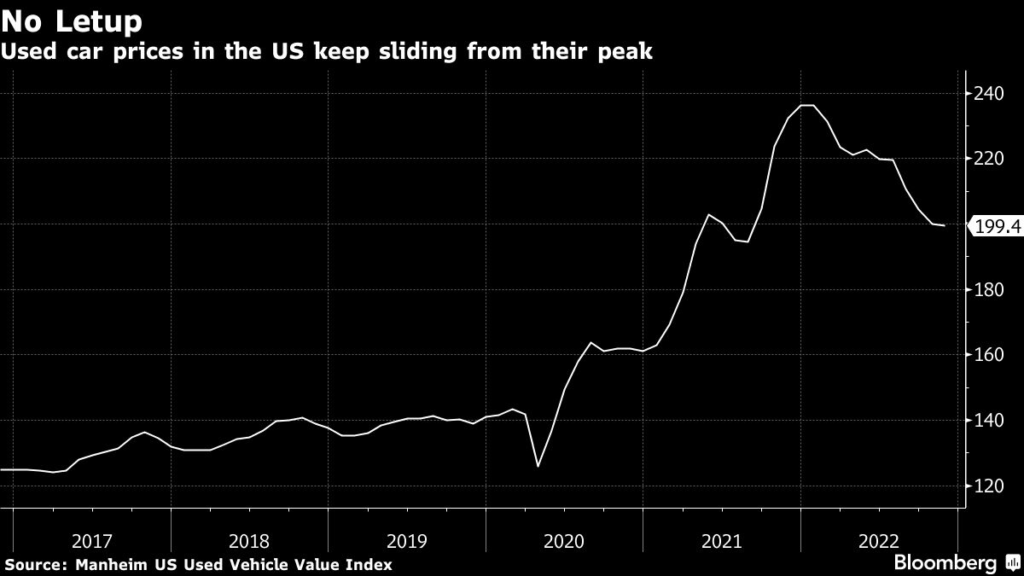
(Bloomberg) — Used-car prices across the US fell again in November, as a sluggish economy and rising inventories continue to put pressure on rental companies and automotive retailers.

The widely watched Manheim Used Vehicle Value Index last month was down 14.2% from a year ago, while unadjusted used-car prices tumbled 12.4% in that span, the automotive auctioneer said Wednesday. The index fell to the lowest level since August 2021 as used-car sales declined 10% in November.

Used-car prices have been plunging as the Federal Reserve has raised interest rates to slow the highest inflation in 40 years. Earlier in the pandemic, new- and used-car prices soared amid semiconductor shortages and other supply-chain bottlenecks. But as those broke, inventories began to rise, especially on used-car lots, sending prices and profits sharply lower at rental companies and car dealers, including CarMax Inc and Carvana Co.

Read more: CarMax Woes Flash Warning Signs for Auto Market

Carvana’s stock fell as much as 47% Wednesday after Bloomberg reported its creditors had banded together to work with the company on a debt restructuring. CarMax fell 1.7% at 2:18 p.m.

Manheim, a unit of Cox Automotive, said used sport-utility vehicle prices fell 16.4% in November from a year earlier, the largest decline of any automotive segment. Used luxury car prices were down 15.6%, midsize cars were off 14.4% and pickup trucks dropped 11.9%.

Manheim’s index is drawn from more than 5 million used-vehicle transactions annually. It adjusts for vehicle mileage, seasonal factors and vehicle market segments, based on a 24-month rolling average of past sales. The index is seen as a bellwether by financial and economic analysts.

More stories like this are available on bloomberg.com

©2022 Bloomberg L.P.
Apple to Encrypt Cloud Backups as Part of Security Revamp

(Bloomberg) — Apple Inc. is upgrading security protections on its devices, adding the ability to encrypt iCloud data backups for the first time alongside new safeguards for iMessage and account logins. 

The most significant new feature, Advanced Data Protection for iCloud, will end-to-end encrypt the storage of iCloud backups — a nearly full copy of the data on a user’s iPhone and iPad — in addition to notes, photos, files, voice memos and messages. Previously, only some features, such as health data, passwords and payment information, were end-to-end encrypted.

End-to-end encryption means that the encryption keys are stored only on a user’s devices instead of in data centers. That means that a hacker can’t get the decryption key by breaching a server and then accessing a user’s data.

The changes help fulfill longstanding customer requests and bolster an iCloud services business that has been a growth area for Apple in recent years. The iCloud offerings helped contribute to more than $78 billion in services sales for the company in the last fiscal year, up 14% from 2021.

While Apple’s physical devices — like iPhones, iPads and Macs — already offer high-end encryption and advanced security tools, cloud storage has long been seen as more vulnerable. The latest moves aim to close that gap. Still, the end-to-end encryption won’t support iCloud email, contacts and calendars. The company said that’s because those features rely on legacy technologies and are used within third-party apps. 

In the Messages app, Apple is adding Contact Key Verification. This feature, which is also offered by encrypted messaging apps like Signal, will let users verify who they are messaging with. The mechanism shows both texters the same code, which they can use to ensure their identities. The Messages app will notify users if a contact’s code changes so they can verify it is indeed still the same person.

“Conversations between users who have enabled iMessage Contact Key Verification receive automatic alerts if an exceptionally advanced adversary, such as a state-sponsored attacker, were ever to succeed breaching cloud servers and inserting their own device to eavesdrop on these encrypted communications,” Apple said in a statement. 

In some cases, there are trade-offs to using the enhancements. The extra security in iCloud means that Apple can’t restore a user’s account because it no longer holds the encryption key. Instead, a user would need to use a recovery contact or save a recovery key. Another compromise: Access to iCloud data via the web needs to be manually enabled.

Apple is also joining companies such as Alphabet Inc.’s Google in offering support for physical security keys for logging into accounts. This feature will allow users worried about online threats to have a physical key inserted into their devices — in addition to using their Apple account password — before they can log in. This would replace a notification or text message with a code, the most common form of two-factor authentication for online accounts.

Both the new iCloud and iMessage features are launching for all US users this month and will begin rolling out globally next year, Apple said. The physical security key feature is also coming next year. The first two features will come as part of iOS 16.2, iPadOS 16.2 and macOS Ventura 13.1. New beta versions with support for the enhancements were released Wednesday. 

Along with the new security features, Apple said it’s fully canceling a plan to apply detection of child sexual abuse material, or CSAM, to photos stored in iCloud. The company first announced that plan last year, but then paused the launch after an outcry from security researchers and privacy advocates. The company has, however, launched CSAM detection in its Messages app and added new features in Siri to educate users about the issue. 

“We have further decided to not move forward with our previously proposed CSAM detection tool for iCloud Photos,” the company told Wired, adding that it is deepening its investment in communication safety features. “Children can be protected without companies combing through personal data,” Apple said, and it will continue working on ways to protect children and preserve their privacy.

(Updated with Apple fully canceling child abuse image scanning plan in 11th paragraph.)

More stories like this are available on bloomberg.com

©2022 Bloomberg L.P.
Plaid Cuts 20% of Staff as Revenue Growth Proves Elusive

(Bloomberg) — Plaid Inc. said it dismissed 260 staffers, or 20% of employees, after changing macroeconomic conditions forced the company to rein in costs. 

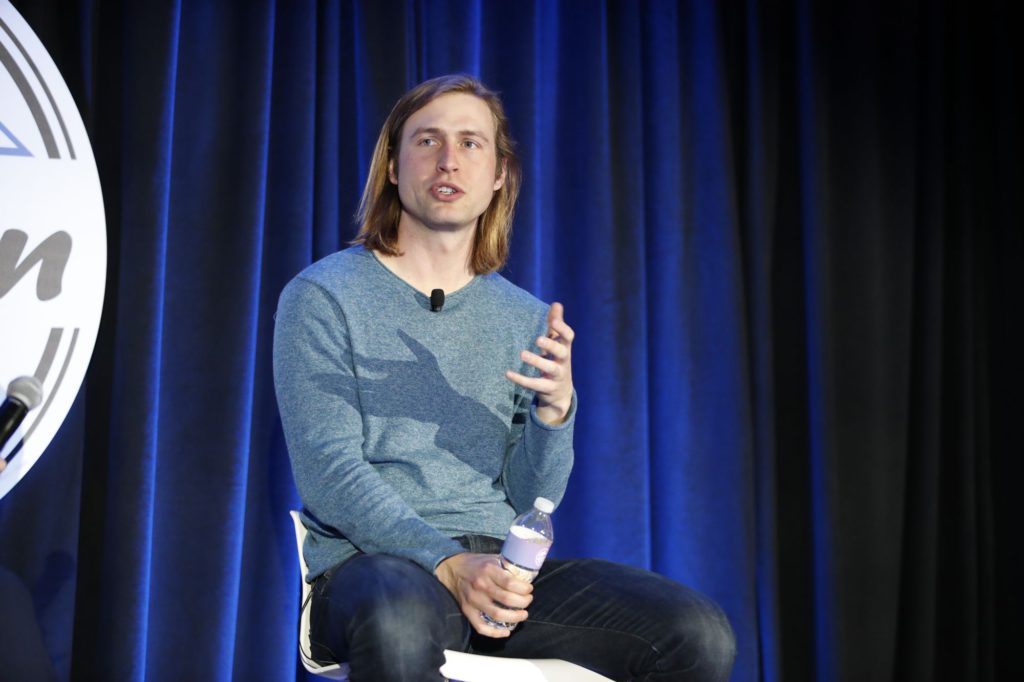
The San Francisco-based firm, which provides connections between popular financial-technology apps and consumers’ bank accounts, will provide 16 weeks of separation pay and accelerate equity grants for some employees, Chief Executive Officer Zach Perret said in a memo to staffers Wednesday. 

“The simple reality is that due to these macroeconomic changes, our pace of cost growth outstripped our pace of revenue growth,” Perret said. “I made the decision to hire and invest ahead of revenue growth, and the current economic slowdown has meant that this revenue growth did not materialize as quickly as expected.”

Plaid joins a slew of fintechs that have reduced headcount in recent weeks, including Stripe Inc. and Chime Financial Inc. The moves come as their publicly traded peers have seen valuations drop this year and venture-capital funding for the industry has slumped. 

In his memo, Perret said employees in the UK and across Europe would be affected by Plaid’s cuts. The company also promised dedicated immigration counsel to those dismissed staffers who were on a work visa. 

“We have removed access to many systems for those of you that are leaving,” Perret said. “I understand that this might make the process seem more abrupt, but I hope you will understand given the sensitive nature of data in our industry.”

Fintech funding plummeted 64% in the third quarter to $12.9 billion, the worst funding environment since the depths of the pandemic in 2020, according to CB Insights. The number of so-called mega-rounds dropped to 19, which is the smallest amount since 2018. 

It’s a far cry from a year ago, when financial startups were attracting record levels of customers and funding was plentiful. At Plaid, which counts apps including Venmo and Betterment as customers, the company hired aggressively to meet new customer demand. 

“Macroeconomic conditions have changed substantially this year,” Perret said. “Despite being well-diversified across every category of financial services, we are seeing customers across the industry experiencing slower-than-expected growth.”

More stories like this are available on bloomberg.com

©2022 Bloomberg L.P.

These Are the Tech Companies Slashing Jobs in an Uncertain Economy

(Bloomberg) — Layoffs are accelerating across technology companies. 

The tech industry is slashing jobs at a pace nearing the early days of the Covid-19 pandemic. In November, the sector announced 52,771 cuts, for a total of 80,978 this year, according to Challenger, Gray & Christmas Inc., a consulting firm that tallies job cuts announced or confirmed by companies across telecom, electronics, hardware manufacturing and software development. It’s the highest monthly total  for the industry since the firm started keeping data in 2000.

After a bumpy start to the pandemic in 2020, tech firms benefited from a boom in e-commerce spending and remote work boomed, triggering a hiring spree. Now, things look different. In recent earnings reports, Alphabet Inc., Amazon.com Inc., Meta Platforms Inc., Microsoft Corp. and others missed estimates, sending shares plunging. Others are reckoning with volatile cryptocurrency markets or a sudden slump in demand that requires drastic cost cutting. 

There’s a Job-Market Riddle at the Heart of the Next Recession

Here’s a running list of who’s cutting jobs and pulling back on hiring. 

Amazon

The e-commerce titan plans to cut about 10,000 jobs. The layoffs will likely target Amazon’s devices group, responsible for the Echo smart speakers and Alexa digital assistant, as well as the retail divisions and human resources, Bloomberg News reported.

In November, Amazon halted “new incremental” hiring across its corporate workforce. 

Apple

The iPhone maker has paused hiring for many jobs outside of research and development, an escalation of its plan to reduce budgets heading into next year, according to people with knowledge of the matter. The break generally doesn’t apply to teams working on future devices and long-term initiatives, but it affects some corporate functions and standard hardware and software engineering roles.

Adobe

Adobe Inc. has eliminated about 100 jobs, concentrated in sales. The company shifted some employees to other roles internally.

Chime

The digital-banking startup Chime Financial Inc. is cutting 12% of its staff, or 160 people. A spokesperson said the company remains well-capitalized and the move will position it for “sustained success.”

Cisco

Cisco Systems is beginning a restructuring plan that will affect about 5% of employees. The company says it will incur pretax charges of about $600 million for severance, termination and other costs. The employees will be given a chance to move to other jobs within the company, Chief Financial Officer Scott Herren said in an interview. 

“This is not about reducing our workforce — in fact we’ll have roughly the same number of employees at the end of this fiscal year as we had when we started,” Herren said. Cisco had more than 83,000 employees as of July 30.

Coinbase

Coinbase Global Inc. is eliminating 60 positions as the cryptocurrency market slumps. The crypto exchange announced in June it would lay off 18% of its workforce, or roughly 1,200 employees.

Dapper Labs

Dapper Labs Inc. founder and Chief Executive Officer Roham Gharegozlou said in a letter to employees that the company had laid off 22% of its staff. He cited macroeconomic conditions and operational challenges stemming from the company’s rapid growth. Dapper Labs created the NBA Top Shot marketplace for nonfungible tokens, a digital asset class that has seen a steep drop in demand since the crypto market downturn.

Digital Currency Group

Cryptocurrency conglomerate Digital Currency Group embarked on a restructuring last month that saw about 10 employees exit the company. As part of the shake-up, Mark Murphy was promoted to president from chief operating officer.

DoorDash

DoorDash Inc. is cutting about 1,250 jobs, acknowledging that its rapid expansion during the pandemic has led to mounting losses. The cuts will affect about 6% of the company’s workforce, a mix of US and non-US based staff, according to reporting by Bloomberg.

“While our business continues to grow fast, given how quickly we hired, our operating expenses — if left unabated — would continue to outgrow our revenue,” Chief Executive Officer Tony Xu wrote in a letter to staff.

Galaxy Digital

Galaxy Digital Holdings Ltd., the crypto financial services firm founded by billionaire Michael Novogratz, is considering eliminating as much as 20% of its workforce. The plan may still be changed and the final number could be in a range of 15% to 20%, according to people familiar with the matter. Galaxy’s shares have plummeted more than 80% this year, part of a rout for cryptocurrencies.

HP

HP Inc. will cut as many as 6,000 jobs over the next three years as declining demand for personal computers cuts into profits. In addition to reducing its workforce by about 10%, the company will reduce its real estate footprint. 

Intel

Intel Corp. is cutting jobs and slowing spending on new plants in an effort to save $3 billion next year, the chipmaker said. The hope is to save as much as $10 billion by 2025, a plan that went over well with investors, who sent the shares up more than 10% on Oct. 28. Bloomberg News reported earlier that the headcount reduction could number in the thousands. 

Kraken

The crypto exchange Kraken is laying off 30% of its workforce as the fallout from this year’s digit-asset market meltdown worsens. The cuts account for about 1,100 people.

Lyft

Lyft Inc.’s cost-saving efforts include divesting its vehicle service business. It’s eliminating 13% of staff, or about 683 people. The company had already said it would freeze hiring in the US until at least next year. It’s now facing even stiffer headwinds. 

“We are not immune to the realities of inflation and a slowing economy,” co-founders John Zimmer and Logan Green said in a memo. “We need 2023 to be a period where we can better execute without having to change plans in response to external events — and the tough reality is that today’s actions set us up to do that.”

Meta

The Facebook parent is cutting 11,000 jobs, the first major round of layoffs in the social-media company’s history. Meta’s stock has plunged this year, and the company is trying to pare costs following several quarters of disappointing earnings and a slide in revenue. The reductions equal about 13% of the workforce, and Meta will extend its hiring freeze through the first quarter. 

“I want to take accountability for these decisions and for how we got here,” CEO Mark Zuckerberg said in the statement. “I know this is tough for everyone, and I’m especially sorry to those impacted.”

Opendoor

Opendoor Technologies Inc. said that it’s laying off about 550 employees — roughly 18% of its headcount. The company, which practices a data-driven spin on home-flipping called iBuying, is coping with slowing housing demand because of higher mortgage rates.

Peloton

Peloton Interactive Inc. laid off 500 employees globally, or about 12% of the workforce, in October. It was the fourth time this year the company has cut staff. Along with other expense reduction measures, Peloton said the move will help it reach the break-even point on cash flow by the end of fiscal 2023.

“I know many of you will feel angry, frustrated and emotionally drained by today’s news, but please know this is a necessary step if we are going to save Peloton, and we are,” CEO Barry McCarthy said in an October memo. “Our goal is to control our own destiny and assure the future viability of the business.”

Plaid

Plaid Inc. cut 260 staffers to reduce costs. The fintech company will provide 16 weeks of severance and accelerate equity grants for some employees, CEO Zach Perret said in a memo to staffers. 

Qualcomm

Qualcomm Inc. said that it’s frozen hiring in response to a faster-than-feared decline in demand for phones, which use its chips. It now expects smartphone shipments to decline in the double-digit percent range this year, worse than the outlook it gave earlier.

Salesforce

Salesforce Inc. is focusing on margins as demand for its software products slow. The company has cut hundreds of workers from sales teams as it looks to improve profitability. Since 2017, Salesforce had almost tripled its workforce. 

Seagate

Seagate Technology Holdings Plc, the biggest maker of computer hard drives, said that it’s paring about 3,000 jobs. Computer suppliers, including Seagate and Intel, have been hard hit by a slowdown in hardware spending. Customers are sitting on a pile of extra inventory, hurting orders and weighing on Seagate’s financial performance, CEO Dave Mosley said. That necessitated cuts. “We have taken quick and decisive actions to respond to current market conditions and enhance long-term profitability,” he said.

Stripe

Payments company Stripe Inc., one of the world’s most valuable startups, is cutting more than 1,000 jobs. The 14% staff reduction will return its headcount to almost 7,000 — its total in February. Co-founders Patrick and John Collison told staff that they need to trim expenses more broadly as they prepare for “leaner times.”

Twitter

The upheaval at Twitter has more to do with its recent buyout — and the accompanying debt — than economic concerns. But the company has suffered some of the deepest cuts of its peers right now. Elon Musk, who bought Twitter for $44 billion, eliminated about 3,700 jobs by email. Musk also reversed the company’s work-from-anywhere policy, asking remaining employees to report to offices.

“Regarding Twitter’s reduction in force, unfortunately there is no choice when the company is losing over $4M/day,” Musk tweeted on Nov. 4.

Upstart

Upstart Holdings Inc., an online lending platform, said in a regulatory filing it cut 140 hourly employees “given the challenging economy and reduction in the volume of loans on our platform.”

More stories like this are available on bloomberg.com

©2022 Bloomberg L.P.
Close Bitnami banner
Bitnami