Bloomberg

Unilever Price Hikes Force Customer Trade Downs: The London Rush

(Bloomberg) — Here’s the key business news from London-listed companies this morning.

Unilever Plc: The consumer group is still pushing up prices as it faces the biggest cost surge in decades with inflation hitting many of its key markets.

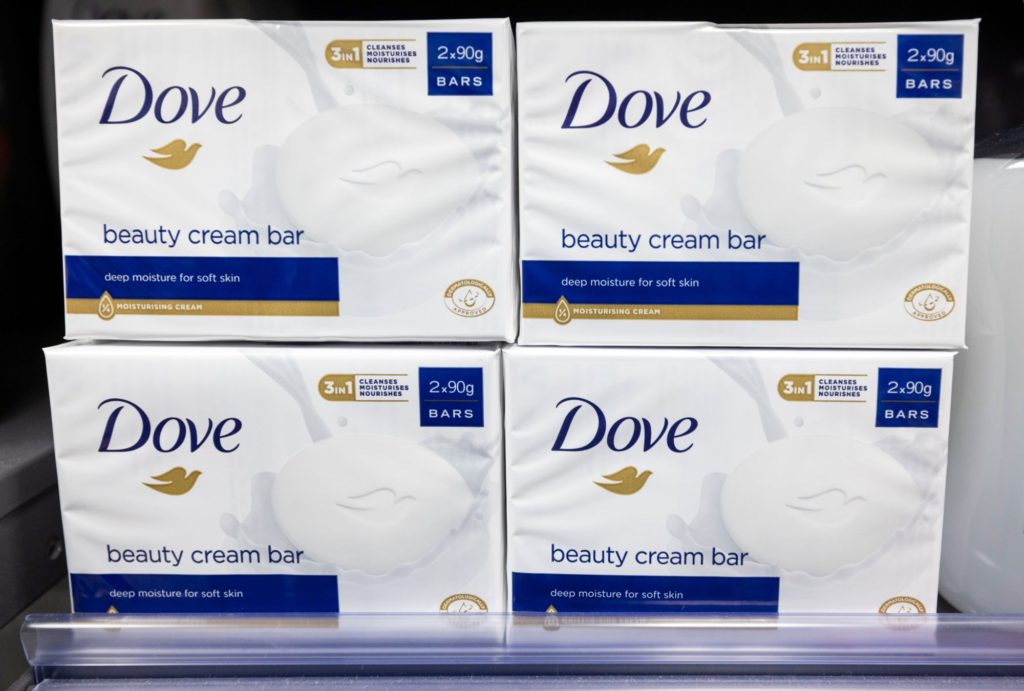
  • Those higher prices, however, have impacted volumes as consumers start to trade-down from name brands like Dove soap and Surf detergent to cheaper alternatives 

EasyJet Plc: The low-cost airline took a £133 million cost impact from disruption to summer travel, as staff shortages and soaring demand roiled the aviation industry.

  • The carrier still operated 95% of its planned schedule in the three months through June despite the upheaval, and expects to fly about 90% of pre-pandemic levels in the fourth quarter

Rolls-Royce Holdings Plc: The industrial company named oil-industry veteran Tufan Erginbilgic as its next chief executive officer, replacing Warren East when he steps down at the end of this year.

  • Tufan spent 20 years at  BP Plc, and led the firm’s downstream business before leaving in 2020

Outside The City

Liz Truss and Rishi Sunak tore strips out of each other’s plans for the UK economy in their first head-to-head debate of the campaign to replace Boris Johnson. Whoever wins the leadership contest will inherit the worst relations with unions and workers since the 1970s. 

In Case You Missed It 

France’s Eutelsat Communications SA and OneWeb Ltd. are set to combine in an all-share deal valuing the UK satellite operator at $3.4 billion, a step toward creating a European champion to rival the likes of Elon Musk’s SpaceX. 

Looking Ahead

The earnings frenzy continues tomorrow, with Reckitt Benckiser Group Plc, GSK Plc, Lloyds Banking Group Plc, British American Tobacco Plc and newly listed Haleon Plc all scheduled to report. 

More stories like this are available on bloomberg.com

©2022 Bloomberg L.P.

Environmental Groups Ask Tesla to Stop Nickel Plans in Indonesia

(Bloomberg) — Environmental groups urged Tesla Inc. on Monday to reconsider its plans for nickel investment in Indonesia, the world’s top producer of the material, as ESG scrutiny mounts in an industry crucial to the electric vehicle revolution.

In an open letter addressed to Chief Executive Officer Elon Musk and shareholders, dozens of organizations asked the EV giant to terminate direct investment plans in Indonesia’s nickel industry and bar nickel sourced and produced in the country from being used in Tesla’s cars.

“The nickel industry in Indonesia has a record of environmental damage, criminalization threats that abuse democracy and equity, the threats to the vulnerable groups, and multiple violations of law,” read the letter, which was signed by groups representing Indonesian and U.S. civil society organizations. 

The letter warned that nickel mining would shrink forests, potentially pollute water and disrupt the lives of indigenous communities. The groups pointed to Wawonii Island, in Indonesia’s southeast Sulawesi region, as an especially vulnerable area — writing that mining there has damaged coral reefs.

Representatives for Tesla and the Indonesian government didn’t immediately respond to requests for comment.

Indonesia, which holds almost a quarter of global nickel reserves, has courted investors from the EV sector. The metal is a crucial component in many batteries, and Indonesia’s president, Joko Widodo, offered Musk the opportunity to invest in an end-to-end EV supply chain, according to a CNBC report in June. 

Musk has said that procuring more nickel is a priority for Tesla as the automaker boosts output. “Please mine more nickel,” he urged producers on an earnings call two years ago. “Tesla will give you a giant contract for a long period of time if you mine nickel efficiently and in an environmentally sensitive way.”

More stories like this are available on bloomberg.com

©2022 Bloomberg L.P.

Tech Mahindra CEO Aims to Raise Prices as IT Budgets Shrink

(Bloomberg) — Tech Mahindra Ltd. is in talks with clients to raise prices for its software services as the company tries to alleviate margin pressure from rising employee wages, its top executive said.

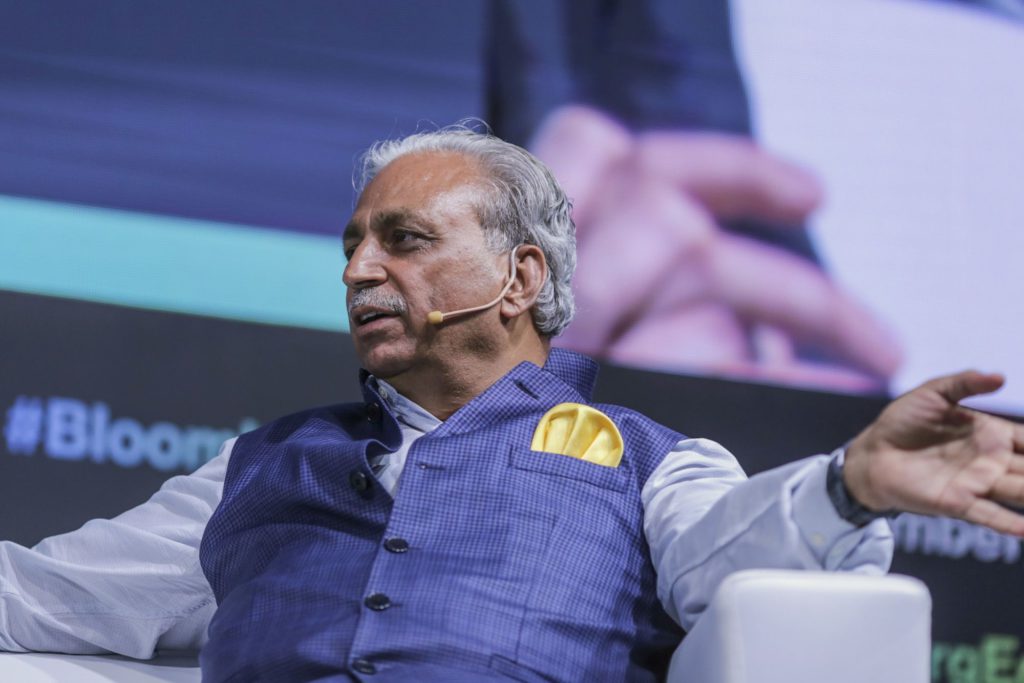
Mahindra’s order book and deal pipeline was promising and a 16% dive in Mahindra’s net income during the June quarter was a “temporary blip,” Chief Executive Officer CP Gurnani told Bloomberg Television’s Juliette Saly and Yvonne Man on Tuesday. The company is now working to increase productivity particularly from its offices in smaller cities, the CEO added.

“In the short term we are working on price increases with our clients,” Gurnani said. “We do realise that there are salary corrections to be done.”

India’s $227 billion IT industry is bracing for an economic slowdown with some analysts predicting a global recession. Tech Mahindra, which competes with larger rivals Tata Consultancy Services Ltd. and Infosys Ltd., reported lower-than-expected net income for the June quarter of 11.3 billion rupees ($142 million), while operating margins fell to 15%.


More stories like this are available on bloomberg.com

©2022 Bloomberg L.P.

Bithumb Holder Says Discussing Stake Sale To Bankman-Fried’s FTX

(Bloomberg) — Vidente, which holds a stake in the South Korean crypto exchange Bithumb, says it has discussed a possible sale of its holdings in the business to FTX, confirming an earlier Bloomberg report.

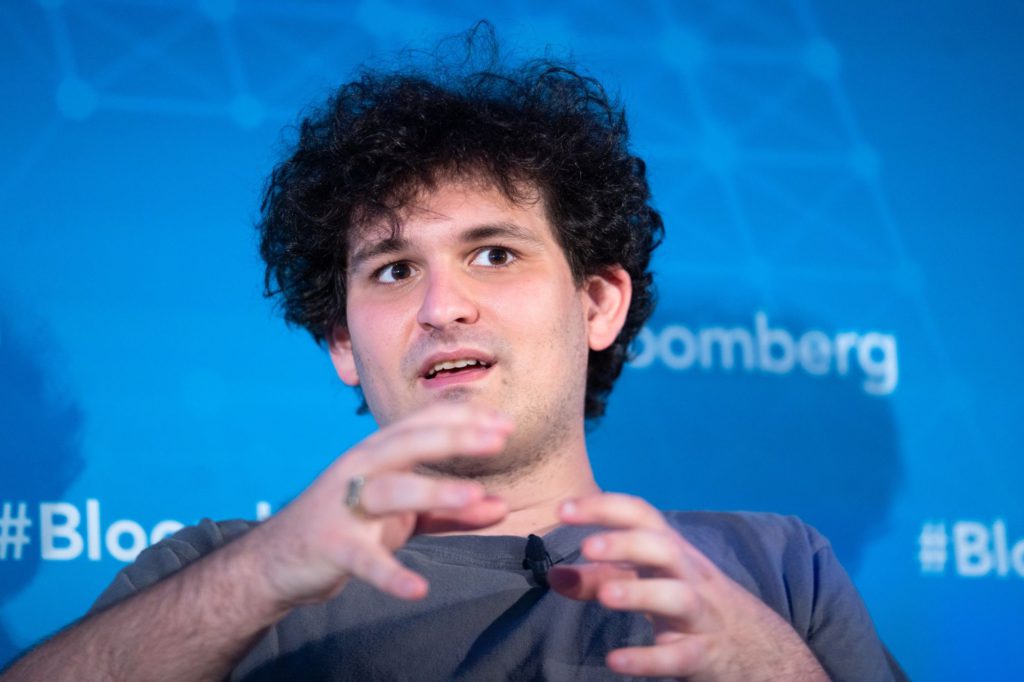
Bloomberg News reported that FTX, the crypto trading platform co-founded by billionaire Sam Bankman-Fried, is in advanced talks to buy the South Korean crypto exchange. Bithumb, founded in 2014, currently processes around $569 million worth of trades on its platform a day on average, according to data provider CoinGecko.

Vidente, in a regulatory filing on Tuesday, said it had contacted FTX regarding a possible sale of its stakes in Bithumb Korea and Bithumb Holdings. The parties are still in discussions and nothing had been decided, it said. The company is also considering other options, including co-management or acquisition through exercising the right of priority purchase, according to the filing.

Vidente owns 34.2% of Bithumb Holdings and 10.22% of Bithumb Korea as of March 31, according to a regulatory filing.


More stories like this are available on bloomberg.com

©2022 Bloomberg L.P.

Record Gulf Funds Pour Into Global Deals as Liquidity Dries Up

(Bloomberg) — When liquidity evaporated from world markets in 2008, the Gulf’s richest monarchies stepped in to lap up everything from stakes in western lenders such as Citigroup Inc. to trophies like the Manchester City Football Club and Harrods. They’re at it again. 

Flush with cash from a commodity boom, the region’s biggest sovereign funds — which control more than $3 trillion in assets — are pouring billions of dollars into global deals, playing funders of last resort for companies in a volatile market.

In the more than a decade since the 2008 financial crisis, cheap money and access to an array of investors meant companies didn’t really need to turn to the Gulf. As these sources of funding start to dry up, the region’s oil-rich states are being solicited again, giving them an opportunity to cherry-pick assets as well as accelerate a pivot in strategy away from a dependence on the black gold.

Bankers from New York to London and Singapore are seeking out Gulf funds for big deals around the world — a US-based investment bank is pitching one of the region’s biggest money managers to invest in a $20 billion deal, a person familiar with the matter said. More Middle Eastern money is coming to the market than has been for a while now, said a senior executive at one of the world’s largest investment firms.

The region’s largest sovereign wealth funds have been involved in at least $28.6 billion worth of acquisitions outside the Middle East and Africa this year, according to data compiled by Bloomberg. That’s 45% more than at this point in 2021 and the most for any corresponding period on record, the data show.

More Sophisticated

Just in the last few months, Gulf funds have emerged in talks to acquire everything from New York-based asset manager Fortress Investment Group to stakes in Klarna, the buy-now-pay-later giant, and British carmaker Aston Martin Lagonda Global Holdings Plc. 

While they have historically scouted out attractive opportunities in times of volatility and low valuations, a key difference this time is the shift toward sectors like technology and health care. They’re backing private equity firms, and leveraging relationships with large entities to do more direct deals.

“Sovereign wealth funds in the Gulf have become more sophisticated in their investment strategy and retain extensive global relationships,” said Ayham Kamel, head of Middle East and North Africa at political risk consultant Eurasia Group. “Current global market conditions also support the rise of the Gulf sovereign wealth funds as their oil surplus can be mobilized quickly. The deals help in diversification away from oil over the long term and also develop an alternative international revenue stream.” 

Abu Dhabi’s Royal Group, a low-key conglomerate led by UAE National Security Adviser Sheikh Tahnoon Bin Zayed, has emerged as one such go-to stop for jet-setting dealmakers. The firm has committed money to a new fund launched by SoftBank Group Corp. executive Rajeev Misra while making investments alongside billionaires including Indian industrialist Gautam Adani and Colombian banker Jaime Gilinski.

Mubadala, headed by Abu Dhabi ruler Sheikh Mohammed bin Zayed, has backed Wefox, agreed to buy Swedish medical freight firm Envirotainer AB, and is also in talks to acquire Fortress Investment. The wealth fund came in as a new investor in Klarna after its valuation plunged to $6.7 billion from $45.6 billion last year. 

Other deals include Emirates Telecommunications’ $4.4 billion investment in Vodafone, while Abu Dhabi Investment Authority teamed up with Global Infrastructure Partners to buy a German railcar lessor for about $7.4 billion.

State-backed investment behemoths in Saudi Arabia, Qatar and Kuwait have also gotten in on the action. The Riyadh-based Public Investment Fund is boosting its stake in British carmaker Aston Martin, Qatar Investment Authority is exploring deals in the blockchain industry and Kuwait Investment Authority is eyeing transactions in the property space.

The funds are also not confining themselves to western companies, but casting their nets wider as they turn to investments in China, India, Singapore and elsewhere, said Javier Capapé, director of sovereign research at IE University.

Political Clout

The boom is prompting some global investment firms to shift additional staff to the region. Dubai, the UAE’s business capital, recently emerged as a magnet for hedge funds, while bigger money managers have been exploring new offices in Saudi Arabia. 

The deals spree comes as the pandemic, Russia’s war in Ukraine and inflation upend some of the world’s traditional financial centers, translating into greater political clout for Middle Eastern leaders.

US President Joe Biden met with Crown Prince Mohammed Bin Salman, Saudi Arabia’s defacto ruler, this month, but left without a firm commitment for a production hike that could ease pain at the pump. 

The region’s re-emergence has been aided by the war-fueled shortage that has hiked energy prices. Saudi Arabia, the world’s biggest oil exporter, is making close to $1 billion a day from crude exports. Qatar — one of the world’s leading producers of LNG — has gained from the desperate attempts by Europe to wean itself of Russian energy. 

Read More: War Is Making One of the World’s Richest Countries Even Richer

Doha’s energy exports are due to reach $100 billion this year for the first time since 2014. 

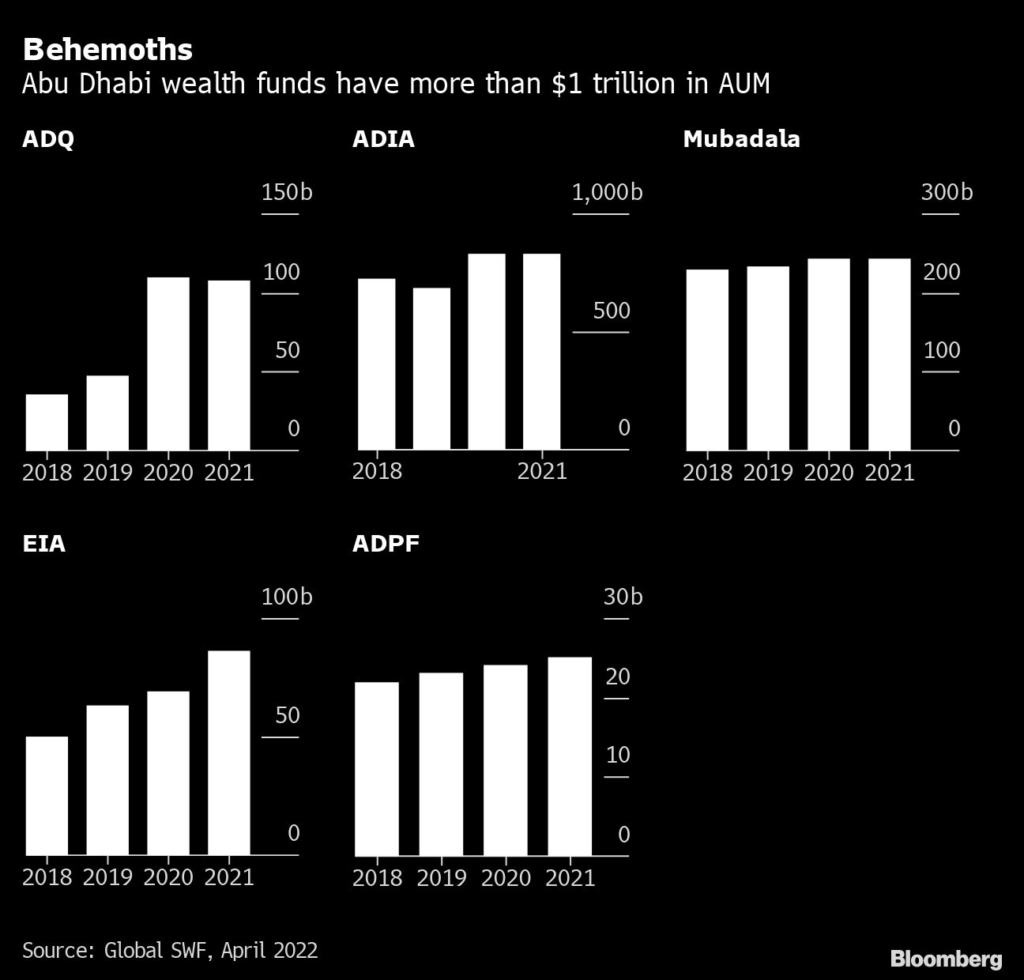
The UAE, meanwhile, is OPEC’s third-biggest producer and its capital Abu Dhabi is one of the few spots globally to manage over $1 trillion in wealth fund capital.

Abu Dhabi is consolidating more assets under the umbrella of Sheikh Tahnoon’s Royal Group, according to people familiar with the matter, a move that will cement his role as the royal family’s top businessman under Sheikh Mohammed, who took over as ruler in May after their brother’s death. 

For Gulf funds that were in the spotlight when in 2008 funds in Qatar, Abu Dhabi and Kuwait stepped in to invest billions in lenders including Barclays Plc, Credit Suisse Group AG and Citigroup, the latest round of investments marks a significant evolution, said IE University’s Capapé.

“Wealth funds have made their journey from limited partnerships in the first stage, become co-investors in the second, to direct investors in the third level,” he said. “They have built teams, defined strategies and grown direct investing capabilities.”

More stories like this are available on bloomberg.com

©2022 Bloomberg L.P.

China’s Gotion High-Tech Raises $685 Million in Zurich GDR Sale, Sources Say

(Bloomberg) — Chinese battery maker Gotion High-Tech Co. raised $685 million after pricing its global depositary receipts in Switzerland at the bottom of a marketed range, as Chinese firms rush to take advantage of the expanded stock connect program.

The company sold 22.8 million GDRs at $30 each, according to a press release, confirming an earlier Bloomberg News report. They were marketed between $30 and $30.28 each. Each GDR represents five of the company’s A-shares.

The GDRs were priced at about a 3.6% discount to the closing price of Gotion’s A-shares on Monday, according to Bloomberg calculations. The company’s shares in Shenzhen rose as much as 3% on Tuesday, their largest increase in nearly two weeks, giving the company a market value of about $10.5 billion.

The offering is the largest so far among the four China-listed companies that have been rushing to sell shares in Zurich this week. The listings follow the recent widening of the companies and venues eligible for the Shanghai-London Stock Connect, which makes it easier for firms registered on one exchange to offer depository receipts on the other.

Building materials manufacturer Keda Industrial Group Co. and Ningbo Shanshan Co., a maker of lithium battery products, raised $173 million and $319 million, respectively, while battery maker Gem Co. may raise as much as $245 million. The four companies are slated to start trading in Zurich on July 28.

Founded in 2006, Gotion makes batteries for electric vehicles and has research centers in China, Singapore, the US, Germany and Japan, according to its website. Volkswagen AG became its largest shareholder in 2020 with a 1.1 billion euro ($1.1 billion) deal. 

Gotion planned to raise as much as $1.6 billion from the GDR sale, Bloomberg News reported in April. 

China International Capital Corp. and Haitong International Securities Group Ltd. are joint global coordinators in Gotion’s GDR sale.

(Updates with confirmation of GDR sale details throughout.)

More stories like this are available on bloomberg.com

©2022 Bloomberg L.P.

Alibaba Removes Ant Executives From Partnership Amid Shakeup

(Bloomberg) — Alibaba Group Holding Ltd. has removed all executives of financial affiliate Ant Group Co. from its partnership, shaking up a key structure that maintains control of the e-commerce giant. 

The Hangzhou-based company removed Ant executives including Chairman and Chief Executive Officer Eric Jing, Chief Technology Officer Ni Xingjun and five others from its partnership, according to an annual report published on Tuesday. Two executives from Alibaba Simon Hu and Wang Shuai also retired, taking the total number of partners to 29 from 38.

Alibaba said that as part of a recent amendment, only its own staff will be allowed to become partners. The changes were made by the end of May, according to its annual report. 

Ant said in an emailed statement that the move was made as part of its continuous efforts to enhance corporate governance. 

Alibaba’s partnership, which was formed in 2010, became a key method for company founders and executives to maintain control of the entity during its mega initial public offering four years later. The arrangement allowed top management to nominate a majority of the board for approval by shareholders. 

Ant has also revamped its board in recent months, increasing the number of independent directors to 4, or 50% of its board. It reduced the number of non-executive directors from Alibaba to two from three. 

Jack Ma’s twin empires have been recasting themselves amid closer scrutiny by China’s watchdogs on everything from corporate governance to dealings among affiliates. More than half of the market value of Alibaba has been wiped out after Beijing began a broad regulatory campaign aimed at the sector in late 2020.


The Chinese Communist Party’s evolving stance toward the private sector has become one of the most closely watched developments in global markets in recent years, with some observers even calling China’s sprawling internet sector uninvestable. Investor sentiment has swung wildly in recent months amid debates over the possible easing of the crackdown. 

Alibaba said on Tuesday that it would apply for a primary listing in Hong Kong, which could allow it to be included in the stock connect link with Shanghai and Shenzhen exchanges. 

Ant’s record IPO was torpedoed by regulators in 2020. While it said in June it has no plans to initiate an IPO, the company’s Chairman Jing said last year that it would eventually go public. 


More stories like this are available on bloomberg.com

©2022 Bloomberg L.P.

Korea’s Economy Accelerates, Giving Scope to Keep Raising Rates

(Bloomberg) — Sign up for the New Economy Daily newsletter, follow us @economics and subscribe to our podcast.

South Korea’s economic expansion accelerated last quarter, underpinned by household and government spending, providing scope for the central bank to keep raising interest rates as it tries to rein in inflation.

The economy expanded 0.7% in the three months through June even as Russia’s war on Ukraine sent energy prices soaring and China’s lockdowns disrupted supply chains, Bank of Korea data showed Tuesday. The result exceeded economists’ forecasts, as did the 2.9% annual rise in gross domestic product.

“It’s a surprise on an outburst of pent-up demand,” said Yoon Yeo-sam, an analyst at Meritz Securities in Seoul. “The faster-than-expected growth allows the central bank to stay focused on controlling inflation led by demand.”

The result suggests the economy is weathering about a yearlong tightening cycle and is likely to embolden policy makers to keep hiking to tackle inflation running at the fastest pace in over two decades. The BOK delivered its first-ever 50 basis-point hike on July 13 as it joins global counterparts in raising in larger increments to help keep inflation expectations anchored.

The report showed South Koreans boosted spending as the country emerged from the grips of the omicron variant that weighed on the economy in the first three months of the year. Parliament also approved a record extra budget in May, aiding small businesses while keeping Covid regulations relaxed.

Still, exports in real terms declined as the trade-reliant economy came under pressure from rising energy and commodity prices fueled by Russia’s war on Ukraine. Exporters also face the risk of global demand waning in response to the Federal Reserve and other central banks rapidly tightening policy.

Covid lockdowns in China — South Korea’s biggest export destination — have also damped demand and exacerbated supply chain disruptions. Semiconductors, South Korea’s key export, have been piling up fast in inventories even as shipments have held up.

Domestic consumers face a challenging environment as inflation erodes their purchasing power and the central bank keeps increasing borrowing costs. The won has been Asia’s worst performer after the yen this year, making imports more expensive for households and manufacturers.

However, President Yoo Suk Yeol plans to be conservative on stimulus spending after South Korea’s debt swelled under his predecessor Moon Jae-in.

While the GDP performance can’t be considered the first full scorecard for Yoon, it does show the kind of economic momentum he has inherited and provides a yardstick for measures he needs to take. 

Inflation is the key challenge for the administration, which took office in May, though it is also struggling to contain escalating labor disputes fueled by rising living costs and renewed Covid outbreaks.

Inflation topped 6% in June for the first time in more than two decades and is forecast to remain elevated this quarter. The BOK sees prices this year growing 4.5% — more than double its 2% target — while estimating the economy will expand 2.7%.

Resurgent Covid is another challenge, even though the government is confident the outbreak can be brought under control without derailing the economy. The BOK is also concerned at the potential for a wage-inflation spiral.

The consensus for growth this year among private-sector economists fell to 2.6% this month. They also estimate a 25% chance of a recession within a year.

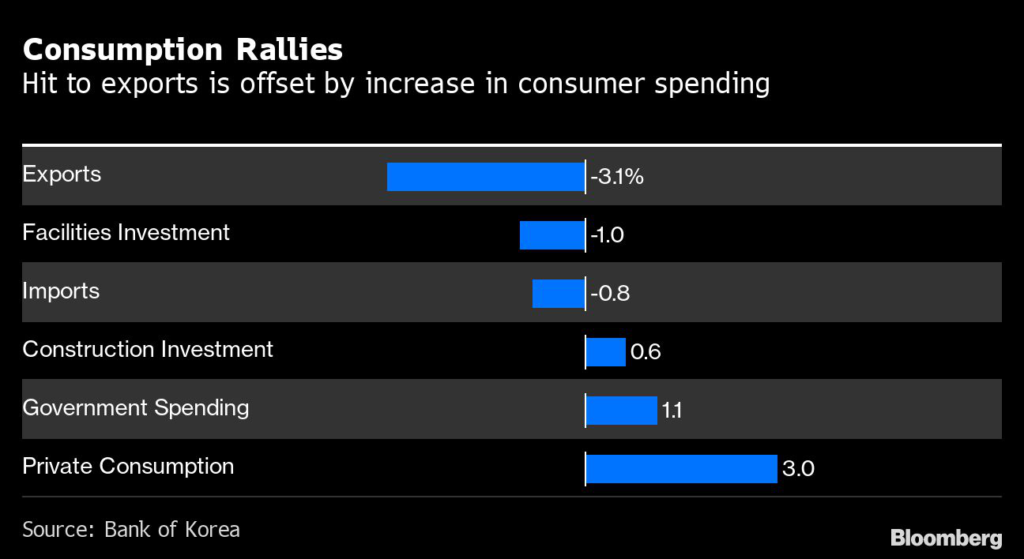
Today’s report showed private consumption rose 3% from the prior quarter, boosted by increased spending on clothes, shoes, entertainment and travel, according to the BOK. Government spending advanced by 1.1% while investment in construction edged up 0.6%.

Exports declined 3.1%, with demand for chemical and metal products easing. Imports dropped 0.8% with crude and natural gas leading the decline. Facilities investment fell 1%, the central bank said.

(Adds economist comment, chart.)

More stories like this are available on bloomberg.com

©2022 Bloomberg L.P.

Tycoons Line Up Bids for India’s $14 Billion 5G Airwaves Auction

(Bloomberg) — The battle for India’s fifth-generation airwaves is luring some of the country’s richest tycoons, with billionaires Mukesh Ambani and Gautam Adani joining a raft of players expected to bid as much as $14 billion for frequency rights that could decide who dominates the digital era.

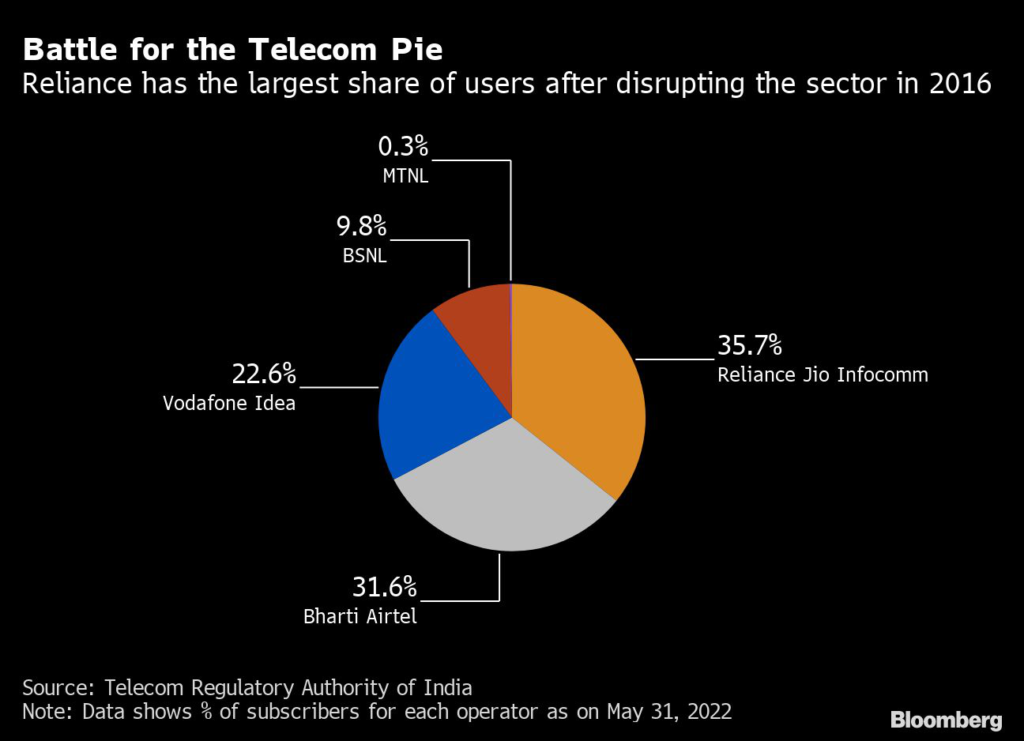
While Ambani’s Reliance Jio Infocomm Ltd. has paid the highest pre-auction deposit signaling it’s likely to be the most aggressive bidder in the sale that starts Tuesday, it is the surprise entrant Adani Data Networks Ltd. whose bids will be closely watched as rivals try to map out its telecom ambitions. Wireless operators Bharti Airtel Ltd., led by billionaire Sunil Mittal, and Vodafone Idea Ltd. — a joint venture between Vodafone Group Plc and Kumar Mangalam Birla’s group — are the other bidders.

The airwaves sale could raise as much as 1.1 trillion rupees ($14 billion), according to a June estimate by local rating company ICRA Ltd. The empire of Adani, who overtook Ambani as Asia’s richest man earlier this year, is downplaying its foray into a new playing field for the group. It said its interest in 5G waves is about “private network solutions” and enhancing cybersecurity at the firm’s airports and ports, with no intention of entering the consumer mobile space currently dominated by Ambani.

Still, the move comes as the two men increasingly tread the same ground, with Adani in particular making investments in sectors traditionally associated with Ambani, who disrupted India’s telecommunications industry almost six years ago with Reliance Jio’s ultra-cheap services. India is at a crucial juncture in its digital development, with many companies — including multinationals like Amazon.com Inc and Walmart Inc — vying for a piece of the intersection between mobile and the nascent e-commerce landscape.

Speculation that 5G is set to become a flashpoint between Ambani and Adani was quelled somewhat, however, when Adani Data paid only 1 billion rupees as a deposit for the auction. The payment is widely viewed by brokerages as a key indicator of the level of interest by a bidder. 

Adani Data’s small deposit, which was in line with its announcement to create only a private 5G network and not become a full-fledged wireless operator, helped defray some of the anxiety among industry incumbents. Reliance Jio deposited 140 billion rupees, considerably higher than Bharti Airtel’s 55 billion rupees and Vodafone Idea’s 22 billion rupees, according to data provided by the government.

“Whether it is Adani or Ambani, India will benefit from a massive 5G roll out,” said Utkarsh Sinha, Managing Director, Bexley Advisors, a boutique investment banking firm. “Adani’s entrance has shaken up entrenched Reliance Jio and the massive earnest money commitment shows that they see the 5G value proposition and can’t afford to lose out on it.”

The auctions will be a financial boost for Prime Minister Narendra Modi’s government, which is trying to tame inflation and rein in the fiscal deficit. The South Asian nation plans to sell 72 gigahertz of airwaves for a 20-year tenure in various frequency bands ranging from 600 megahertz to 26 gigahertz. India has also allowed firms to pay in 20 equal installments with no upfront payment as it tries to catch up with other countries, such as South Korea and China, that have had 5G networks for years. 

What Analysts Think

Nomura Holdings Inc. (Aditya Bansal) 

  • Concerns around Adani Group’s entry in the telecom sector have eased after it submitted modest earnest money deposit; outlay will likely be about 8 billion rupees to 10 billion rupees
  • Reliance Jio has submitted much higher earnest money deposit in the past auctions; expect potential outlay at around 405 billion rupees to 600 billion rupees
  • Bharti Airtel’s overall outlay could be about 400 billion rupees and Vodafone Idea’s about 184 billion rupees

Credit Suisse Group AG (Led by Varun Ahuja)

  • Reliance Jio’s high earnest money deposit is an enabler and doesn’t necessarily mean materially higher auction spends
  • Bharti Airtel is likely to restrict its bidding to 5G spectrum — 100MHz in 3.5GHz band and 500MHz in 26GHz band; may selectively add spectrum in 900MHz and 1800MHz bands in circles such as Delhi, Mumbai and Kolkata among others
  • Vodafone Idea’s deposit sufficient to acquire minimum 5G spectrum

Morgan Stanley (Led by Gaurav Rateria)

  • Given enough availability of spectrum, sharp aggression or bidding higher than the reserve price appears unlikely
  • Reliance Jio’s earnest money deposit allows flexibility to go beyond 5G bands and bid either for the existing bands it has or new bands

CLSA (Led by Deepti Chaturvedi)

  • Key surprise is the low earnest deposit money by Adani, lower than even Vodafone Idea’s
  • Reliance Jio and Bharti Airtel will likely lead the auction
  • Vodafone Idea’s earnest money deposit not enough to bid for pan-India or even all of its established markets’ 5G spectrum

More stories like this are available on bloomberg.com

©2022 Bloomberg L.P.

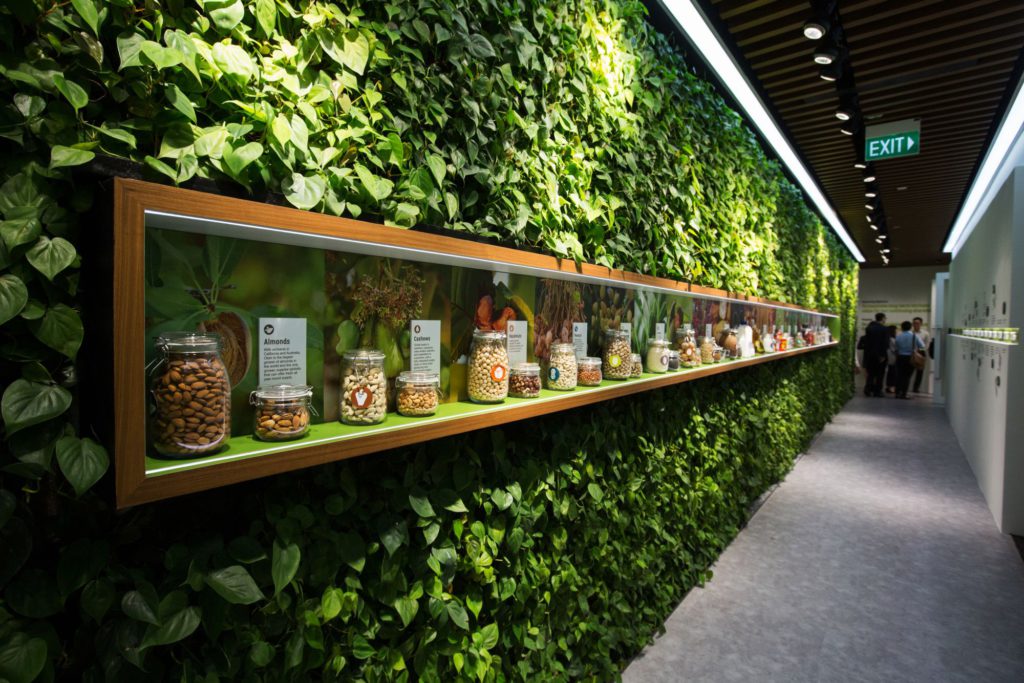
The $290 Billion Fund Helping Make Tiny Singapore an Agricultural Powerhouse

(Bloomberg) — Temasek Holdings Chief Executive Officer Dilhan Pillay runs a $290 billion state-owned investment empire. But every quarter he spends up to two hours chatting to a man in Indonesia about fish.

Those lengthy calls with Bandung-based eFishery, a startup so small it only accounts for 0.01% of Temasek’s portfolio, are emblematic of its quiet zeal for the business of food. The precarious state of the world’s food supply, highlighted by sizzling heatwaves that are wilting crops in Europe, China and the US, has found an unlikely crusader in Singapore, a small island with hardly any agriculture at all.

Under its relatively new CEO Pillay and head of agri-food Anuj Maheshwari, Temasek has doubled down on an agriculture strategy involving ambitious investments — including efforts that take control of some businesses — to try and reap profits from solving some of the biggest problems in food production. Since 2015 it’s quietly grown its life science and agriculture holdings from about $5.7 billion to $26.7 billion as of March this year, spanning everything from plant-based meat maker Impossible Foods Inc. and Bayer AG to Israeli irrigation firms.

“When we started looking at this, most of our peers were not focused on this industry because it tends to have government influence, it’s volatile and it involves land, which can be capital intensive,” Maheshwari said in an interview. But if we don’t create a system that is more efficient and resilient to climate change “the food security of the planet is at risk.”

Almost half of the earth’s habitable land, 70% of its fresh water and 30% of the workforce is used for agriculture, said Maheshwari.  

“Despite such massive resources, this industry produces a third of greenhouse gases, and a third of what it produces actually just goes to waste,” Maheshwari said. “These are massive challenges that are very ripe for the kind of capital that we bring in.” 

Singapore produces only about 10% of its food, and while it’s trying to lift that to 30% by investing in technologies such as offshore fish farms and vertical farming, the only way to guarantee long-term supply in the face of climate change and disruptions such as the war in Ukraine is to build complex and redundant supply chains.

When Malaysia — supplier of a third of Singapore’s chicken — banned most exports in June to keep domestic prices down, Singapore added suppliers of frozen chicken from Indonesia to supplement imports from Brazil, Thailand and Australia to soften the blow. 

“Who knew the Ukraine war would happen and we would not have any chicken?” Maheshwari said. “The reality is it’s not just a long-term thing but also a short-term thing.” 

Temasek started systematically backing agriculture ventures in 2015, putting it well ahead of many other state-owned investors, according to Diego Lopez, managing director of Global SWF. Venture capital firm AgFunder’s 2022 AgriFoodTech Investment Report named Temasek as the world’s fifth-most-active venture capital fund manager in the sector.

“The entry of Temasek and big financiers has been incredibly important, with new efforts and technologies being enabled as part of the drive,” Lopez said. “Commodities and food security have traditionally been a big concern for small nations that do not have enough farmland. Geopolitical crises and deglobalization trends only make it worse.”

Temasek’s strategy has been to blend financial clout with extensive market and climate analysis and to provide entrepreneurs with one of Asia’s most potent networking rolodexes.

When US-based Impossible Foods was trying to expand abroad in 2019 for example, Temasek served up its plant-based burgers at the sovereign fund’s plush corporate box at the city’s Formula 1 street race. As Ferrari and Red Bull racecars shot past, Impossible’s first employee Nick Halla and his team faced a rapid-fire night of networking with up to a dozen Temasek executives introducing A-list contacts from across the region.

“We were able to have weeks’ worth of follow-up meetings” with food companies, supply chain contacts and customers, said Halla, who left the company recently to work on climate change-related ventures. “Things like that are really high value.”

Maheshwari had tasted a prototype Impossible burger and Temasek was an early investor, supplying growth capital. By 2017 Temasek was leading the startup’s Series E funding round.

Olam Battle

At other times, Temasek’s sheer financial heft has come to the rescue. 

When Singapore-based Olam Group Ltd was attacked by short-seller Carson Block in 2012, its shares slumped 20%. Temasek and other investors stepped in, underwriting and purchasing hundreds of millions of dollars in bonds and warrants. And when other activist investors started separate attacks, it spent billions to buy control of the business.

“Temasek’s support at that critical juncture was very important,” said Olam CEO Sunny Verghese. 

Today Olam is one of the world’s largest traders of food staples, shipping over 45 million tons coffee, palm oil, rice and other food staples each year. Extreme weather and the war in Ukraine have pushed up commodity prices, helping revenue surge 31% in 2021. 

Temasek started life managing government assets, including Singapore Airlines Ltd and Singapore Telecommunications Ltd. But it has tended to avoid acquiring companies outright and for years Olam was an exception.

Under Pillay, though, the strategy is being used more often. One example is the 2020 purchase of an 85% stake in Rivulis, a U.S.-Israeli micro-irrigation vendor.

Temasek’s analysis of long-term climate change identified water scarcity as a key issue. Crop irrigation accounts for 72% of all freshwater withdrawals and water demand is increasing at more than twice the rate of population growth.

Rivulis sells drip line systems that run along the ground — a more efficient but also more costly strategy than spraying crops with water. Temasek, halfway round the globe, may not have seemed the obvious choice as a buyer, but Rivulis’ Chief Executive Officer Richard Klapholz had spent decades working in Asia and knew the firm well.

“When the private equity decided to sell and Temasek was one of the potential buyers, I did all I could to channel the acquisition to them,” Klapholz said from his office in Israel.

This year Temasek upped its stake to around 100% and Klapholz is buying rivals and building factories around the world to consolidate the industry. In June, Rivulis merged with India’s Jain Irrigation Systems Ltd.’s international operation, creating a combined business worth an estimated $1 billion, according to a person familiar with the deal. 

“Rivulis is a good example of what the company is doing differently under Dilhan,” said Maheshwari, adding Temasek had been a long-term investor in Jain. The merger creates a business that “is really making a difference in how water is used by agriculture.”

Monsanto Pain

Temasek’s deals in agriculture haven’t all worked so well. In 2018 Temasek spent 3 billion euros ($3 billion) helping Bayer finance its takeover of Monsanto Co. — the kind of seismic deal typical of the Singapore group.

But the acquisition went sour after claims that Monsanto’s Roundup weedkiller causes cancer led to billions of dollars in compensation claims, causing Bayer’s share price to plunge.

The setback didn’t dampen Temasek’s appetite for agricultural startups that had the potential to change an industry, even if they came from remote corners of the world. 

Three hours east of Jakarta, past verdant rice paddies and corrugated iron huts, the hum of village life is interrupted every few minutes by a robotic dispenser spitting out hundreds of food pellets onto the waiting mouths of hungry fish in a concrete pool.

It may not be Silicon Valley, but the device is key to the rapid expansion of startup eFishery, which aims to revolutionize the centuries-old business of aquaculture. 

Co-founder and CEO Gibran Huzaifah, took aquaculture as a subject at Indonesia’s prestigious Bandung Institute of Technology because it had the reputation as being an easy A grade. Inspired by the course, he set up his own fish farm, and soon discovered the myriad variables involved — too little feed and growth was stunted; too much and the fish could die.

Even when he produced a saleable product, fish mongers and restaurants had established supply chains that made it hard to make more than a tiny profit. 

So in October 2013 he launched eFishery, which, for a monthly fee, provides farmers with a dispenser that scatters pellets based on data from thousands of users. Customers buy feed and sell stock via a smartphone app that offers higher prices than most distributors. eFishery sells the fish on in bulk to larger buyers.

The model is profitable and expanding — eFishery’s $90 million Series C funding round in January valued it at over $400 million, according to people familiar with the round who declined to be named because the discussions were private. If all goes well, the fish-feeding firm could become a unicorn by next year. 

One of several co-lead investors in the latest round, Temasek is helping the company expand, including suggesting potential executives and vital partners in India, Thailand and Vietnam. Four times a year Gibran talks shop with Pillay in a call that Maheshwari organizes; an extraordinarily high level of support for such a small venture.

Temasek is “the best and most aggressive agri-tech investor in the world right now,” Gibran said, adding it would likely result in the Singaporean firm being offered a much larger allocation in future rounds than its storied peers.

Maheshwari says Temasek isn’t trying to take control of food supply, nor directly bolster Singapore’s food security. “It just happens to be that we have taken stakes in positions which are pretty important for the food system,” he said.

As climate change disrupts weather patterns and agriculture around the world, “we need more and more solutions thrown at the problem,” Maheshwari said. “We’re just seeing the trailer of what can happen.”

More stories like this are available on bloomberg.com

©2022 Bloomberg L.P.

Close Bitnami banner
Bitnami