

Bloomberg

Twitter’s Request to Fast-Track Elon Musk Lawsuit Gets Court Hearing

(Bloomberg) — A judge will hear arguments on Twitter Inc.’s request to fast-track its lawsuit against billionaire Elon Musk, as the social-media platform seeks to force him to complete his proposed $44 billion acquisition.  

Lawyers for San Francisco-based Twitter say they need only four days to prove the world’s richest person must honor his agreement and pay $54.20 a share. The company filed suit last week, requesting a Sept. 19 start for the non-jury trial. 

“The earliest possible trial date is imperative,” Twitter’s attorneys said in a court filing Monday. “This very public dispute harms Twitter with each passing day.”

Musk’s legal team said Twitter was unfairly pushing for a “warp speed” trial. The billionaire says Twitter violated the terms of the buyout deal by not turning over detailed information about so-called spam bot accounts within its system. The case requires a “forensic review and analysis of large swaths of data” about the bots along with other legal issues, Musk’s lawyers said in a filing, seeking a February trial date. 

Delaware Chancery Court Chief Judge Kathaleen St. J. McCormick will hear arguments from both sides on Tuesday. The judge, who moved the hearing to Zoom instead of in-person after testing positive for Covid-19, is expected to rule at the hearing in Wilmington, scheduled to last from 11am to 12:30pm.


Read More: The Delaware Court Where Musk, Twitter Will Face Off: QuickTake

Chancery judges in Delaware — the corporate home to more than half of U.S. public companies — are known for being able to parse through the legal thickets of complex merger and acquisition disputes more quickly than other US courts. Unlike some states where it can take several years to get a case to trial, Delaware Chancery Court generally moves quicker, with cases often argued within five or six seven months of being filed. 

Musk backed out of the deal to buy the platform on July 8, saying in a regulatory filing Twitter made “misleading representations” over the number of bot accounts. Twitter also hasn’t “complied with its contractual obligations” to provide information about how to assess how prevalent the bots are on the social media service.”  

Twitter countered that Musk is asking for information that “does not exist, has already been provided, or is the subject of requests only made recently.” The billionaire “refuses to honor his obligations to Twitter and its stockholders because the deal he signed no longer serves his personal interests,” Twitter said in the suit.

The case is Twitter v. Musk, 22-0613, Delaware Chancery Court (Wilmington). 

More stories like this are available on bloomberg.com

©2022 Bloomberg L.P.
US Stock Futures Climb Amid Earnings Anticipation: Markets Wrap

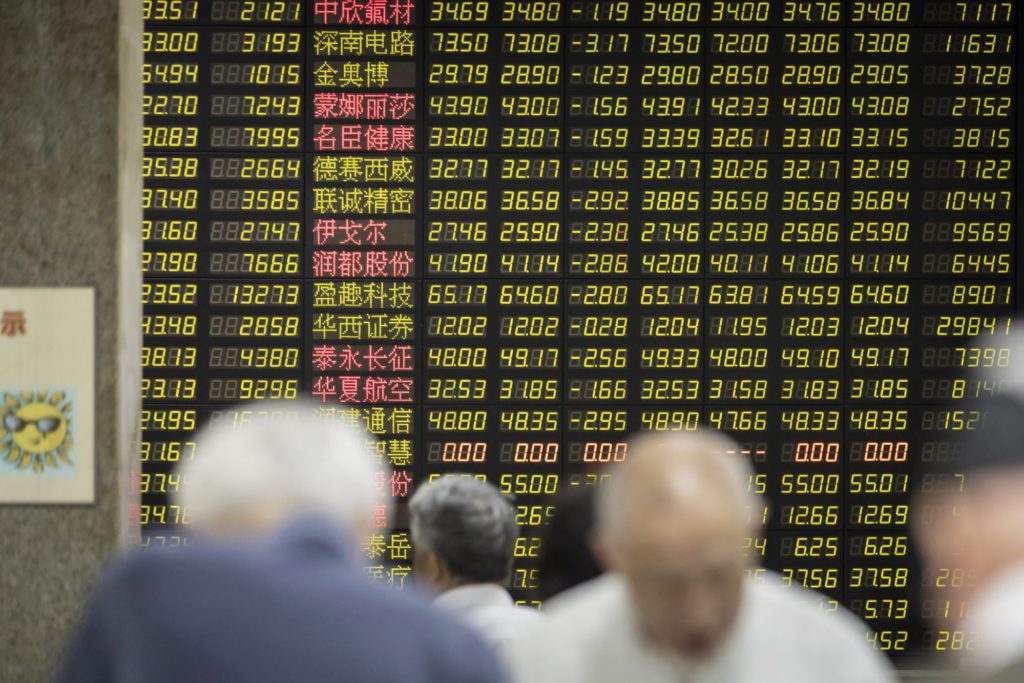
(Bloomberg) — US equity futures advanced as investors assessed the outlook for corporate earnings amid concern about global growth amid Europe’s deepening energy crisis. The dollar fell against all its Group of 10 peers.

Contracts on the Nasdaq 100 and S&P 500 climbed 0.9% after early-week unravelled Monday on Apple Inc.’s plans to slow hiring to brace for a potential economic downturn. The Stoxx Europe 600 traded little changed after erasing an earlier loss.

Signs that high inflation and monetary tightening are squeezing consumers and employment could feed into worries that an equity revival since mid-June is merely brief. Corporate updates such as Apple’s are helping markets to calibrate the risk of recession. Netflix Inc., Johnson & Johnson and Lockheed Martin Corp. headline another busy day for earnings.

“Inflation and its detrimental effect on consumers’ pockets and corporate margins is yet to be fully seen,” Mizuho International Plc strategists Peter McCallum and Evelyne Gomez-Liechti wrote in a note to clients. “Until then, we don’t expect investors to feel properly comfortable buying on dips other than in the most defensive names.”

Investor allocation to stocks plunged to levels last seen in October 2008 while exposure to cash surged to the highest since 2001, according to Bank of America Corp.’s monthly fund manager survey.

Read more: BofA Survey Shows Full Investor Capitulation Amid Dire Pessimism

Meanwhile, the euro rose to its highest level in about two weeks after Bloomberg News reported the European Central Bank may consider raising interest rates on Thursday by double the quarter-point outlined previously to counter worsening inflation. 

German bunds fell, while benchmark Treasuries traded little changed after paring gains following the report.

Markets are pricing in about 38 basis points of tightening on Thursday, when the ECB is expected to raise rates for the first time in more than a decade. That reflects about a 50/50 chance of a 50-basis point increase. An outsized hike would put the ECB more in line with global peers moving up their policy rates at warp speed.

The ECB is under pressure to subdue inflation, but the potential for a Russian gas shutdown could plunge Europe into recession. The European Union is preparing to tell members to cut gas consumption “immediately” to preserve supplies for winter, according to a report. 

European stocks could slump another 10% if Russia cuts off gas to the region, triggering a recession, according to Citigroup Inc. strategists. A halt of Russian gas supplies could potentially reduce the euro area’s gross domestic product by about 1%, which would imply a 10% contraction in European earnings-per-share over the next 12 months, according to Citi. 

Oil slipped but held above $100 a barrel after posting the biggest one-day advance since May, aided by a tightening market and a cooling in dollar gains.

How high will the Fed go in this hiking cycle? Will it use the balance sheet and will it avoid tipping the US economy into a recession? It takes one minute to participate in the MLIV Pulse survey, so please click here to get involved anonymously.

Key events to watch this week:

  • Earnings this week include Netflix, Tesla
  • US Treasury Secretary Janet Yellen visits South Korea. Tuesday
  • Reserve Bank of Australia releases July minutes. Tuesday
  • UK Chancellor Nadhim Zahawi and Bank of England Governor Andrew Bailey speak at event. Tuesday
  • Bloomberg Crypto Summit in New York. Tuesday
  • Bank of Japan, European Central Bank rate decisions. Thursday
  • Nord Stream 1 pipeline scheduled to reopen following maintenance. Thursday

Some of the main moves in markets:

Stocks

  • Futures on the S&P 500 rose 0.9% as of 6:43 a.m. New York time
  • Futures on the Nasdaq 100 rose 0.9%
  • Futures on the Dow Jones Industrial Average rose 0.7%
  • The Stoxx Europe 600 rose 0.2%
  • The MSCI World index was little changed

Currencies

  • The Bloomberg Dollar Spot Index fell 0.7%
  • The euro rose 1.1% to $1.0253
  • The British pound rose 0.6% to $1.2019
  • The Japanese yen rose 0.4% to 137.57 per dollar

Bonds

  • The yield on 10-year Treasuries was little changed at 2.99%
  • Germany’s 10-year yield advanced five basis points to 1.26%
  • Britain’s 10-year yield declined three basis points to 2.13%

Commodities

  • West Texas Intermediate crude fell 0.8% to $101.77 a barrel
  • Gold futures rose 0.1% to $1,712.20 an ounce

More stories like this are available on bloomberg.com

©2022 Bloomberg L.P.
UPS Expands Cargo Services in India to Seize Airfreight Boom

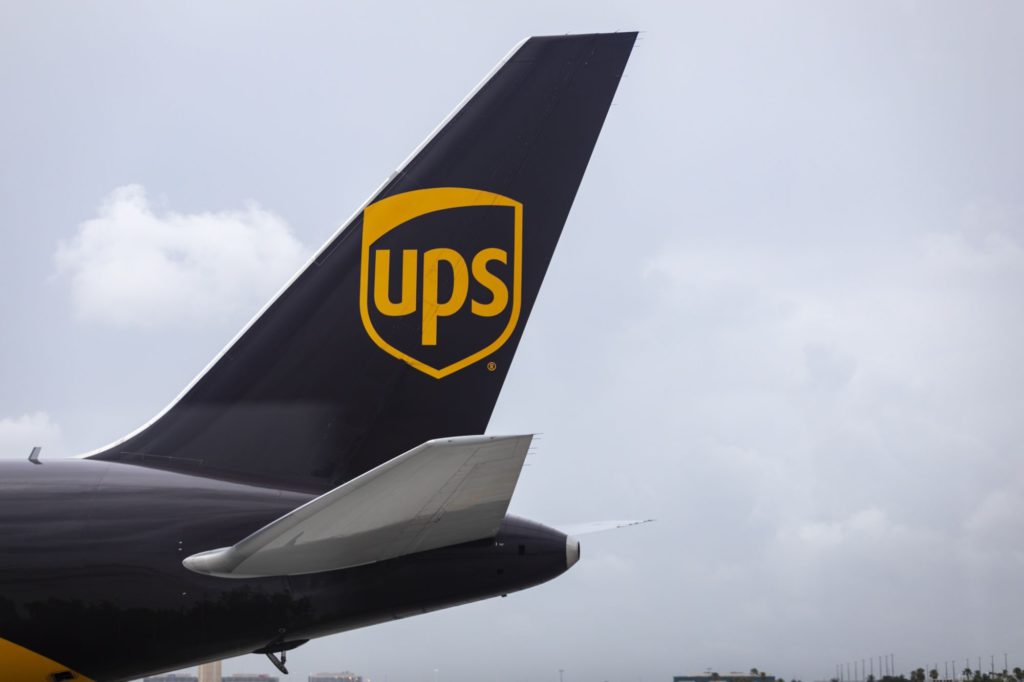
(Bloomberg) — United Parcel Service Inc. opened a second airport cargo-handling facility in India to capture soaring pandemic-driven demand for airfreight.

The 15,000-square-foot space in Bengaluru’s international airport will connect south India’s automotive, textile, defense and aerospace manufacturing hubs to parts of Asia, Europe and America, Deepak Shrivastava, managing director of UPS’s local unit, said in an interview. UPS will fly Boeing Co. 747-8 aircraft to Bengaluru, formerly known as Bangalore, five times a week and operate six weekly Delhi flights. 

“India is very important when it comes to raw materials feeding the rest of the world,” Ismet Demirel, director of transportation for UPS in India, the Middle East and Africa, said in the same interview. “The importance of having us in Bangalore is to give our customers an agile network so they can reach out to the world quicker than before.”

A boom in e-commerce during the pandemic, combined with supply-chain disruptions at ports worldwide, has boosted demand for transporting goods by air. Carriers in India and elsewhere are deploying dedicated cargo planes after Covid grounded many passenger jets that would typically carry some freight in their bellies. 

Atlanta-based UPS is also expanding its presence in Africa, where it will use e-commerce firm Jumia Technologies AG’s distribution network. And it acquired same-day delivery startup Roadie in October. 

The parcel-delivery giant placed a $1.5 billion order for 19 Boeing 767 freighters in December that will be delivered between 2023 and 2025. UPS has a fleet of almost 600 aircraft serving over 220 countries and territories, according to Demirel.

“Air cargo demand will remain strong,” he said. “Especially this quarter there are more commercials coming to the market with belly capacity, but they are still very careful about bringing back the frequency as the pandemic is coming back and the number of cases is increasing in Asia and Europe.”

UPS, which opened its first gateway in India at Delhi airport in 2020, recently teamed up with IndiGo’s parent InterGlobe Enterprises Ltd. to form a joint venture called Movin that will focus on domestic business-to-business logistics and begin services in Delhi, Mumbai and Bengaluru this month.

UPS picked 747-8 aircraft as they are 16% more fuel efficient than 747-400 jets, Demirel said. The company aims to turn carbon neutral by 2050. The 747-8 is the largest aircraft in the UPS fleet, with a payload capacity of 307,000 pounds (139,250 kilograms), which will reduce emissions with fewer flights needed, he said.

More stories like this are available on bloomberg.com

©2022 Bloomberg L.P.

In London and Looking to Cool Down? Consider a Heat Pump

(Bloomberg) —

For British homeowners struggling to keep cool during unprecedented high temperatures this summer, it’s ironically one of the best times to consider installing a new heating system.

As the UK aims to cut greenhouse gas emissions that are warming the planet, the government has tried to encourage Britons to switch their heating system from a boiler that burns natural gas to an electric unit known as a heat pump. Up until recently, the government provided subsidies for the devices if they generated only heat. Now, homeowners can apply for funds to install heat pumps that produce cool air as well.

The technology is one of the few examples of a single solution that can both mitigate the cause of climate change and adapt to its increasingly dangerous impacts.

Traditionally mild British summers mean few homes in the country have cooling. A government report from last year cited a study that found a maximum of 3% of households had any sort of air conditioning, and the vast majority of those are portable units that serve a single room. Rather than buy a separate device for cooling, Britons could get both kinds of temperature control in one efficient device.

“Typically in the UK we’ve been very focused on keeping warm, but not so focused on cooling,” said Craig Dolan, vice chair of the UK’s Heat Pump Association. “But with the climate changing, that’s likely to change.”

The current heat wave in England could see temperatures on Tuesday break above 40° Celsius (104° Fahrenheit) for the first time. As continued reliance on fossil fuels heats up the atmosphere, temperatures that high will become an increasingly common occurrence in Britain. 

Dolan likens the potential shift in home cooling to what previously happened with cars. At one point air conditioning was an expensive add-on. Then it became a selling point. Now it’s an expected feature that comes standard in new vehicles. 

For homeowners who have already made the shift, the recent heat wave has probably been a bit more bearable. Last December, Jesse Bryce, 31, paid about £2,000 to replace his gas-fired heating system with a heat pump. His main motivation was to ditch fossil fuels in his home in Luton, about 30 miles north of London, but the cooling benefit was a plus. 

“It’s mainly for heating,” Bryce said in a phone interview last week. “But one or two days a year I might want it to be cooling.”

Earlier this year, the UK phased out a subsidy program known as the Renewable Heat Incentive, which paid people to use renewable heat sources, including heat pumps. But there were restrictions, including a prohibition on the subsidy being applied to units capable of cooling. That meant Britons who bought heat pumps had to have a mechanism installed that forced them to only operate as heaters. 

That program was replaced with a new incentive that’s more flexible, opening up an opportunity for people in the UK to cut their home emissions and get refreshing cool air through their homes during heat waves. The government will pay as much as £5,000 off the cost and installation of an air source heat pump under the so-called Boiler Upgrade Scheme. The aim is to boost installations to at least 600,000 systems per year by 2028, up from 27,000 installations in 2018. 

A shift en masse won’t be easy. Britain has some of the oldest and least energy-efficient housing stock in Europe. To install a heat pump often requires home renovations to increase insulation. Cooling adds an extra layer of complexity as the pipes need to be insulated to prevent the cool water inside from producing condensation that could potentially damage floors.

Some heat pumps, like the one Bryce uses, are what’s known as air-to-air heat pumps that require new vents to pump out the cool or warm air. That’s relatively unusual in the UK. Most people who buy heat pumps opt for models that push water through pipes to heat the home either from under the floors or with radiators, similar to how a gas-fired boiler works. Heat pumps can cool with underfloor systems, but not with existing radiators. 

Instead, the system would require a new radiator-like device, such as the one from UK company Jaga Heating Products Ltd. The unit blows air over cool water, into a room. The effect is sort of like what you would get by placing a bowl of ice water in front of a standard fan.

While cooling might become a necessary expense for Britons in the summer, it’s worth noting that heat pumps may add extra costs to customers’ bills in the winter as well. In the UK, electricity is more expensive than using gas directly.

To be sure, an increase in cooling will also lead to a new source of electricity demand in the summer. But heat pumps are so much more energy efficient than gas boilers that their adoption would still likely represent a net-energy saving on an annual basis.

“It will lead to additional electricity demand, but if the alternative is having those individual mobile AC units, then the heat pump is a better choice,” said Jan Rosenow, Europe director at Regulatory Assistance Project, a multinational organization that works on energy decarbonization policy. “There will be demand for cooling in the UK if temperatures go up whether we like it or not.”

(Adds detail on electricity costs from heat pumps in fifteenth paragraph.)

More stories like this are available on bloomberg.com

©2022 Bloomberg L.P.

China to Fine Didi at Least $1 Billion to End Probe, WSJ Says

(Bloomberg) — China is expected to fine Didi Global Inc. more than $1 billion before wrapping up a year-long probe into the ride-hailing giant, the Wall Street Journal reported, citing people familiar with the issue as saying.

Beijing will then allow the Chinese company to restore its main apps to mobile stores and again add new users to its platform, the Journal said. Didi can also work toward a listing in Hong Kong, it said.

Representatives for the Cyberspace Administration of China and Didi didn’t reply to the Journal’s requests for comment.

Didi is one of the companies at the heart of a bruising clampdown on the internet industry that Beijing initiated in 2020. Investors have been awaiting the penalties for Didi since the CAC launched a probe in 2021 into potential violations of data security. 

Inside Didi’s $60 Billion Crash That Changed China Tech Forever

More stories like this are available on bloomberg.com

©2022 Bloomberg L.P.
Flying Taxi Pioneer Vertical Aero Enlists Ex-McLaren CEO Flewitt

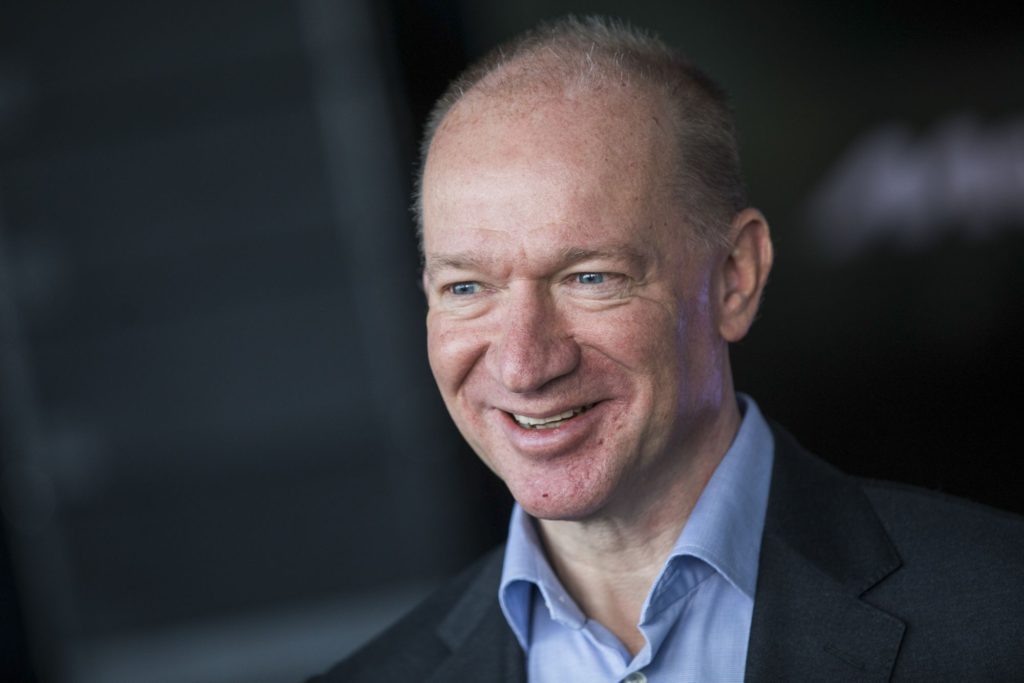
(Bloomberg) — Flying-taxi pioneer Vertical Aerospace Ltd. has recruited former McLaren supercars head Mike Flewitt to its board as the UK firm moves closer to starting production of the futuristic craft.

Flewitt, who made a surprise exit as chief executive officer of McLaren Automotive Ltd. in October after eight years in the post, will bring “deep industrial and manufacturing expertise” to Vertical at a key point in its development, the Bristol, England-based company said in a statement Tuesday.

Under Flewitt, McLaren made the transition from being a renowned Formula One racing team that made occasional streetcar models to an established producer of luxury supercars. Vertical has racked up more than 1,400 outline orders for its VX4 flying taxi but now needs to industrialize the program as it prepares to begin test flights and targets service entry by 2025.

Flewitt said in an interview that there are close parallels between race cars and electric vertical takeoff and landing craft, in that both need to strip out weight to maximize performance — speed in the case of race cars and range and capacity for flying taxis.

Vertical and McLaren are both also focused on design and technology while relying on bigger companies for many aspects of development, he said, with the eVTOL firm’s partners including Honeywell international Inc., Rolls-Royce Holdings Plc, Microsoft Corp. and GKN.

“It will be a learning curve for me but there are definitely similarities between the two sectors,” Flewitt said. “Plus I’m really a manufacturing guy and Vertical is somewhere that I can bring that to bear. Production volumes are also going to be closer to sports car levels and higher than you typically get in aviation once this gets going.”

Vertical Aerospace plans to begin test flights later this year, with the program culminating in trials with Virgin Atlantic Airways Ltd. in the spring of 2024.

The company said separately Tuesday during the Farnborough International Airshow in southeast England that it had selected flight-simulator manufacturer CAE Inc. as its pilot-training partner for the VX4. It has also teamed up with Babcock International Group Plc to explore new applications for the craft, like providing emergency medical services and cargo transportation.

More stories like this are available on bloomberg.com

©2022 Bloomberg L.P.

Google, Meta Bow to Sweeping Taxes, Content Curbs in Indonesia

(Bloomberg) — Alphabet Inc.’s Google and Meta Platforms Inc.’s Facebook have submitted to Indonesian regulations that grant Jakarta sweeping powers to shut down content it deems undesirable and tax digital sales.

The US giants were among the last of several internet media platforms that submitted official business registrations in Indonesia, effectively endorsing the new rules. Netflix Inc., Spotify Technology SA, Meta Platforms’ Instagram and ByteDance Ltd.-owned TikTok have also registered, according to Indonesia’s information ministry.

Social media operators are facing increasing scrutiny from governments around the world as their market dominance grows. The Indonesia regulations allow the government to block services that fail to remove within 24 hours content that could potentially “incite unrest” or “disturb public order,” such as those that promote child pornography or support terrorism. They also allow the government to levy a value-added tax on the sale of digital goods, from content to virtual items.

“There will be warnings, followed by fines and lastly, shutdown of services for those who fail to register,” Semuel Abrijani Pangerapan, director general of informatics applications at the ministry, said in a briefing on Tuesday.

US internet giants, under fire for fake news and their outsized influence on political discourse around the world, are grappling with growing oversight and content restrictions from Europe to India to Southeast Asia. Facebook, Google and their peers have said they promote free speech but must abide by local regulations wherever they operate.

More stories like this are available on bloomberg.com

©2022 Bloomberg L.P.
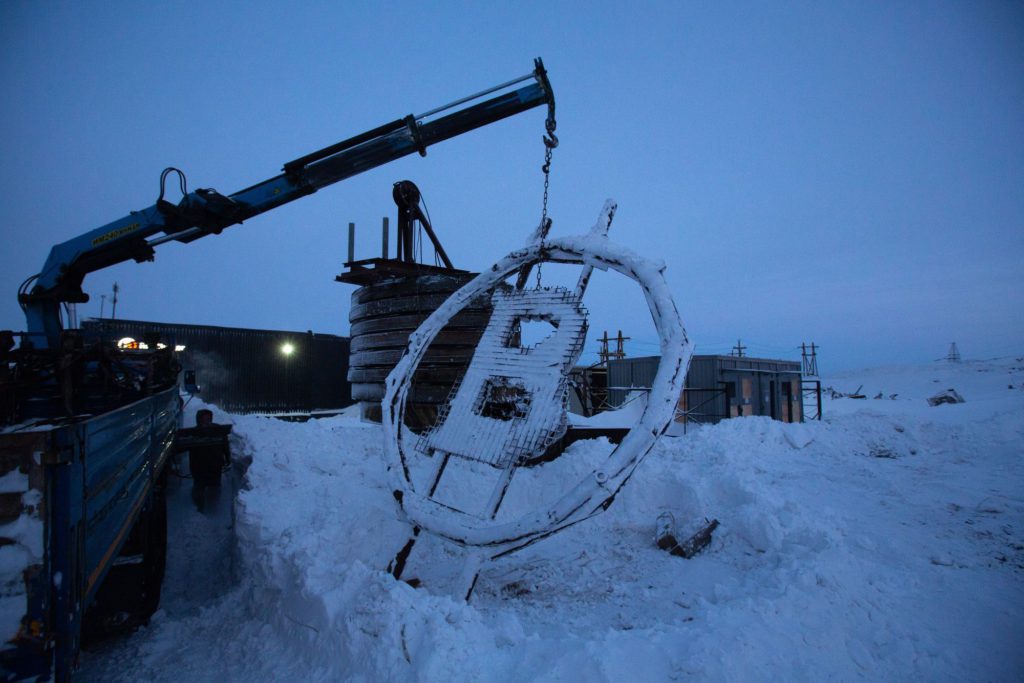
Crypto Rally Sees Bitcoin Flirt With Break Out of Trading Range

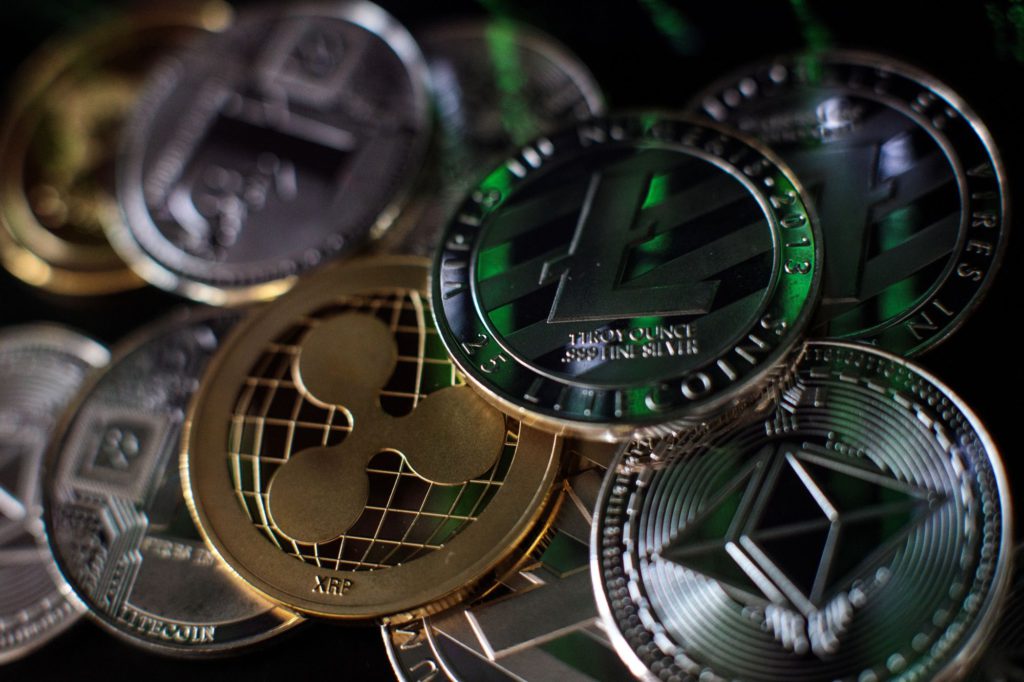
(Bloomberg) — A rally in cryptocurrencies Tuesday took Bitcoin closer to breaking out of a one-month-old trading range and ignited big jumps in smaller tokens commonly referred to as altcoins.

The largest virtual coin climbed as much as 6.8% to the cusp of $23,000, a level it was last at in mid-June, before giving up some gains to trade at $21,909 at 10 a.m in London. Ether at one point added almost 11%. Solana also achieved a double-digit percentage gain before falling back.

Bitcoin has struggled to escape a $19,000 to $22,000 range as investors lick their wounds from a rout sparked by tightening monetary policy and exacerbated by the toppling of crypto lenders and the TerraUSD stablecoin. 

A sustained break above could renew the speculative momentum that can grip crypto assets in the blink of an eye. Expectations for Federal Reserve interest-rate hikes are less aggressive now, which may help.

“We’ve just seen that momentum change, and I think that momentum change is going to last for the second half of this year,” said Julian Hosp, co-founder of Cake DeFi, a crypto wallet solution provider.

Ether is extending a rally that began last week after developers of the Ethereum blockchain gave a target for the long-anticipated software update that is projected to lower the network’s energy usage.

Altcoins often outperform Bitcoin during rallies and underperform when prices are falling, in part because they’re a favorite of more speculative traders and tend to be less liquid.

“Bitcoin has recaptured the $22,000 level as some short-sellers need to call it quits,” Edward Moya, senior market analyst at Oanda Corp., wrote in a note. Cryptos are starting to look attractive now that expectations for Fed tightening have eased, he added.

The recent rebound in Bitcoin has pared its loss this year to about 52%. The overall market value of digital tokens has retaken the $1 trillion level.

(Updates Bitcoin price in second paragraph.)

More stories like this are available on bloomberg.com

©2022 Bloomberg L.P.
Analyzing the Crypto Wipeout: Short-Term vs Long-Term Thinking

  • Listen to Bloomberg Crypto on the iHeartRadio App
  • Listen to Bloomberg Crypto on Apple Podcasts
  • Listen to Bloomberg Crypto on Spotify 

(Bloomberg) — As investors around the world grapple with the reality of sustained declines in prices across crypto markets,  stakeholders are asking the question, what’s next? And in some cases, who’s next? In this episode of Bloomberg Crypto, reporter Emily Nicolle speaks with Alston Zecha, partner at global venture fund Eight Roads, for his perspectives on how the crypto winter is affecting sentiment and markets. 

Follow us on Twitter @crypto, and subscribe to the Bloomberg Crypto Newsletter at https://bloom.bg/cryptonewsletter

More stories like this are available on bloomberg.com

©2022 Bloomberg L.P.

Eduardo Saverin’s B Capital Raises Its First Early-Stage VC Fund

(Bloomberg) — B Capital Group, an investment firm run by Facebook co-founder Eduardo Saverin, raised $250 million for its first early-stage venture fund.

The firm already has more than $6 billion in assets under management and deploys it across the globe, with about half in the US and half elsewhere, largely in Asia. Most of B Capital’s money goes toward later-stage investing, but it recently began experimenting with a small, early-stage investment fund using money from the firm’s partners. That inspired B Capital’s leaders — including Saverin and investor Howard Morgan, who co-founded First Round Capital — to create an early-stage fund open to outside capital.

The fund, called the Ascent Fund, will also be led by general partners Gabe Greenbaum and Karen Page and partner Karan Mohla, B Capital plans to announce Tuesday.

The venture capital market is in the middle of a contraction, and global deal activity dropped by around 23% this quarter. Managers of the new B Capital fund, however, remained sanguine about the outlook, particularly for young startups. “The early stage is pretty much immune to the market cycle,” Morgan said. “You’re not ready to exit yet.”

Saverin, who helps run the group from Singapore, said the current bull market will sharpen the priorities of startup founders. “It’s important for industries to have these types of cycles, where cash-flow generation, resilience, self-reliance — not complete reliance on further financing — is critical,” he said. “It gets entrepreneurs to think about their businesses the right way. In some ways, I think this is good for the industry.”

Morgan said the plan is for the early-stage fund to invest up to $2 million in seed rounds and $6 million to $8 million in Series A rounds. For particularly promising investments, the firm’s larger funds can write heftier checks when a company grows. The early fund has already made several investments, including in companies that focus on brain-computer interfaces, online therapy and robotics to polish large industrial surfaces.

More stories like this are available on bloomberg.com

©2022 Bloomberg L.P.

Close Bitnami banner
Bitnami
