
Bloomberg

US Retail Sales Top Forecast in Boost From High Inflation

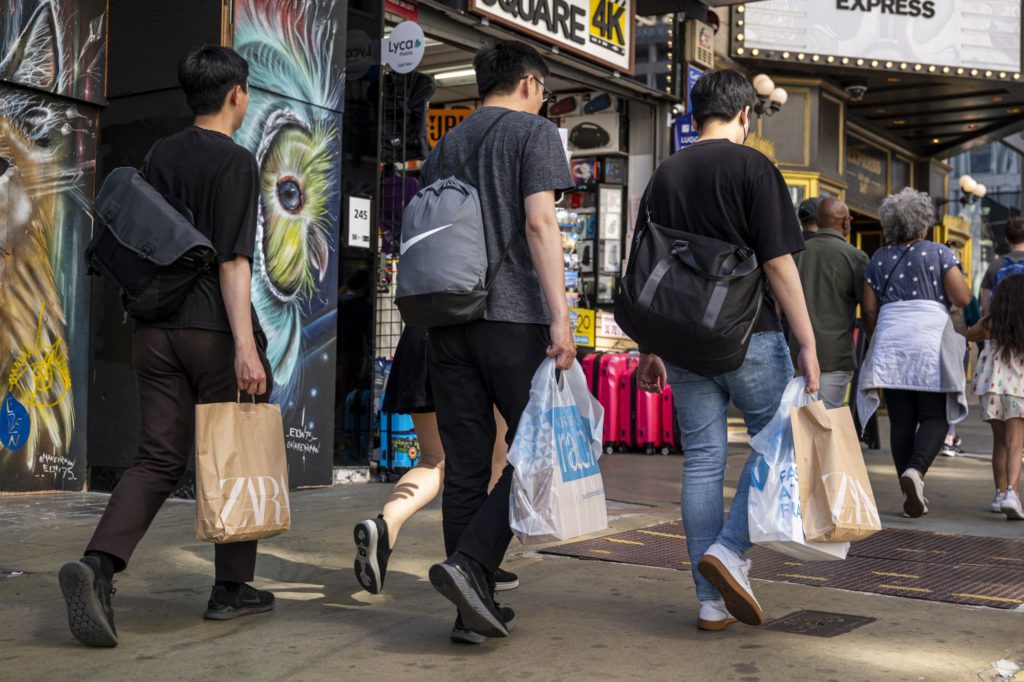
(Bloomberg) — US retail sales were stronger than expected in June, but after several economists adjusted the data for inflation, they still point to a leveling off in spending.

The value of overall retail purchases increased 1%, after an upwardly revised 0.1% decline in May, Commerce Department figures showed Friday. The figures aren’t adjusted for inflation.

The median estimate in a Bloomberg survey of economists called for a 0.9% advance in overall retail sales from a month earlier.

Follow the reaction in real time here on Bloomberg’s TOPLive blog

The figures likely reflect the impact of decades-high inflation rather than an acceleration in spending activity. Consumer prices rose 9.1% in the year through June, the highest since late 1981, sparking a debate as to whether the Federal Reserve would consider an unprecedented full percentage-point interest-rate hike later this month.

Those prospects receded as two officials declined to endorse such a move and a key measure of inflation expectations cooled. Traders also wagered that a 75 basis-point move remained the most likely outcome following both reports and stocks rallied.

“Padded by high savings and rising wages, American households are spending nearly as much money as they did earlier, but largely to keep up with higher prices, not to actually buy more stuff,” Sal Guatieri, senior economist at BMO Capital Markets, said in a note.

“That said, today’s report may cool talk of a near-term recession, while still keeping the Fed on track for a 75-bp rate hike later this month,” he said.

Nine of the 13 retail categories showed increases last month, according to the report, including furniture stores, e-commerce and sporting-goods stores.

Sales at gasoline stations rose by 3.6%, following a 5.6% advance in the prior month, and driven by a surge in gas prices to more than $5 a gallon in mid-June. Prices have since fallen sharply, suggesting the figures could soften in the July data.

That’s already had an impact on consumer sentiment, which ticked up in early July, though remained near a record low, and inflation expectations eased. Still, economists see rising chances of a recession as the Fed raises interest rates steeply to ensure inflation gets under control.

What Bloomberg Economics Says…

“The June retail sales data imply there’s still enough momentum for the US economy to grow during the rest of the year as consumers find ways to cope with surging inflation, whether by dipping into savings or switching jobs… Coming broadly in line with expectations, the sales data won’t change the Fed’s current case for a 75-basis-point rate hike later this month.”

–Yelena Shulyatyeva and Andrew Husby, economists

For the full note, click here

Auto sales climbed 0.8% in June, following a decline in May.

Grocery store sales rose 0.6%, which likely reflects higher prices rather than increased buying activity since the figures aren’t adjusted for inflation. Food prices, along with gas and shelter, were among the leading contributors to the CPI in June.

Restaurant sales, the report’s only services component, advanced 1%.

So-called control group sales — which are used to calculate gross domestic product and exclude food services, auto dealers, building materials stores and gasoline stations — increased 0.8% in June, the largest gain since January.

Also on Friday:

  • A gauge of New York state manufacturing activity unexpectedly expanded in July for the first time in three months, though a measure of the industry outlook deteriorated sharply to a more than 21-year low
  • A measure of US factory output declined in June for a second month, restrained by higher inventories and a softer economic outlook
  • San Francisco Fed President Mary Daly is speaking Friday morning, following colleagues Atlanta Fed President Raphael Bostic and St. Louis Fed chief James Bullard

(Updates with other economic data)

More stories like this are available on bloomberg.com

©2022 Bloomberg L.P.

Jeff Bezos Isn’t the Only One Clamoring for Electric Delivery Vans

(Bloomberg) —

Weeks before Rivian’s blockbuster initial public offering late last year, Amazon founder Jeff Bezos managed to both commend and cajole the electric-vehicle upstart’s chief executive in under 180 characters.

Bezos called Rivian founder RJ Scaringe “one of the greatest entrepreneurs I’ve ever met,” then quipped: “Now, RJ, where are our vans?!”

Nine months later, Amazon and retailing rivals like Walmart are still hard-pressed to get their hands on enough electric delivery vehicles. For all the progress manufacturers have made getting more plug-in passenger cars into the garages of consumers, there are only a handful of battery-powered vans on the market to transport goods to doorsteps.

All this helps explain why Walmart did a deal this week with Canoo, a company just two months removed from issuing a going-concern warning. Canoo announced its Bentonville, Arkansas-based neighbor had ordered 4,500 of its still-in-development vans, and will have the option to purchase as many as 10,000.

Founded in late 2017 by a set of executives who broke away from another troubled EV startup, Faraday Future, Canoo spent its first few years toiling away on a bubbly looking electric van it planned to sell through a subscription service. It also planned to provide contract-engineering services to other carmakers and technology companies to tide itself over until it began manufacturing its own vehicles.

Soon after it went public via a merger with a special purpose acquisition company, Canoo pulled a 180, de-emphasizing both those business lines to focus on selling to commercial fleets. Canoo’s CEO, CFO, head of corporate strategy and its top lawyer left in short order. The Securities and Exchange Commission opened an investigation. Even after the surge in its stock price this week, Canoo has squandered almost three quarters of the market value it debuted with in December 2020.

All this drama wasn’t enough to deter Walmart, although the retail giant has secured extremely very attractive terms.

Walmart can cancel the agreement without giving a reason with just 30 days notice. It’s immediately vested almost 15.3 million Canoo shares as part of a warrant agreement. The rest of the 61.2 million shares allotted at a $2.15-a-share strike price vest quarterly in proportion to any payments Walmart makes to Canoo for up to $300 million worth of vehicles. Walmart will own more than 20% of Canoo if that revenue threshold is reached.

In other words, if Canoo succeeds, Walmart stands to gain not only by adding thousands of EVs to its delivery fleet, but by ending up with a significant stake in a then-successful startup.

Of course, Canoo will have to get its vans into production first. Just last week, a trailer at the company’s office in Torrance, California, burned after lithium-ion cells caught fire during testing, the second battery fire at the site since August. The company nevertheless plans to send some pre-production vehicles to Walmart in the coming weeks, and the vans are expected to be ready for roads sometime next year.

If this plan doesn’t pan out, Walmart has some back-up options. It already has orders in with General Motors’s BrightDrop and has 1,100 E-Transits comingfrom Ford.

If Canoo does come through, Walmart will have the vans all to itself. Just as Bezos secured exclusive access to Rivian’s delivery vehicle, Walmart’s deal with Canoo prevents the company from selling any to Amazon.


More stories like this are available on bloomberg.com

©2022 Bloomberg L.P.
Stocks Halt Five-Day Drop While Dollar Retreats: Markets Wrap

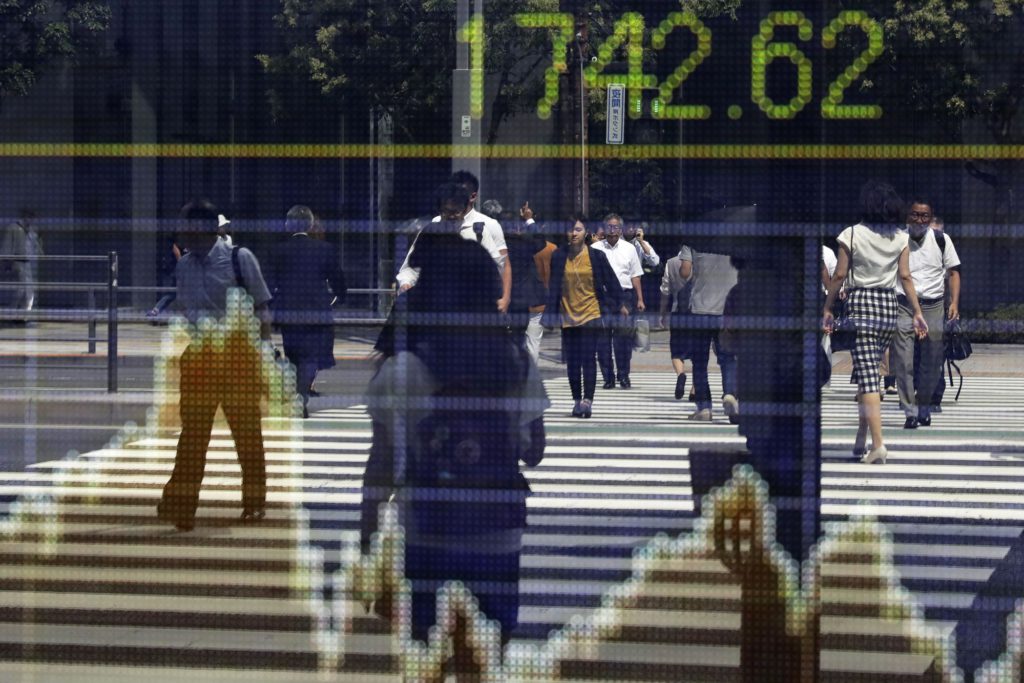
(Bloomberg) — Stocks rose, following five straight days of losses in a week marked by intense gyrations as traders weighed bets on tighter Federal Reserve policy amid worries over an economic recession.

The S&P 500 may be in for another dizzying session, with about $1.9 trillion in options expiring — making investors to either roll over existing positions or start new ones. Banks led the rebound Friday after Citigroup Inc.’s better-than-estimated profit. The dollar fell, while bonds fluctuated.

Traders are watching for signs of capitulation that they hope will set the stage for an equity recovery. US stocks could see more declines as the risk of a hard recession and a stronger dollar rises in the second half of the year, according to Bank of America Corp. strategists. Equity markets could see “proper capitulation” if the second-quarter earnings season is worse than expected, strategists led by Michael Hartnett wrote.

US retail sales climbed in June by more than forecast. Fed Governor Christopher Waller on Thursday telegraphed that if the pace of consumer spending doesn’t cool off, that would make him “lean towards a larger hike” in July. Factory output fell, restrained by higher inventories. New York state manufacturing activity unexpectedly expanded in July, though a measure of the industry outlook deteriorated sharply.

Fed Bank of St. Louis President James Bullard said the central bank may need to raise interest rates to higher levels than previously anticipated after inflation accelerated to a fresh four-decade high. Officials probably should increase the benchmark to a range of 3.75% to 4% by the end of the year, rather than 3.5%, he noted.

Read: Bostic Signals He Doesn’t Favor 100 Basis-Point July Fed Hike

Rising interest rates, inflation and higher energy prices are posing challenges to investors that they haven’t seen in decades, BlackRock Inc.’s Larry Fink said after the company reported second-quarter earnings that missed Wall Street estimates.

“Markets are reflecting investor anxiety as investors evaluate the potential impact of these pressures,” Fink, the firm’s chief executive officer, said during the earnings call Friday.

Odds are now close to even that the US will slip into a recession within the next year as persistent and rapid inflation emboldens the Federal Reserve to pursue larger interest-rate hikes. The probability of a downturn over the next 12 months stands at 47.5%, up sharply from 30% odds in June, according to the latest Bloomberg monthly survey of economists.

Read: SocGen Joins Ranks of Forecasters Expecting Full-Point Fed Hike

In other corporate news, Wells Fargo & Co. missed analysts’ earnings estimates as the Fed’s rate hikes started to cool the once-hot housing market, hurting the company’s mortgage-lending business. UnitedHealth Group Inc.’s second-quarter results were lifted by lower costs of care that portend well for other health insurers but may be a warning sign for hospital companies.

Elsewhere, oil clawed back some of its weekly decline, with President Joe Biden’s trip to Saudi Arabia set to yield no announcement on oil. Copper tumbled to a 20-month low as industrial metals succumb to mounting worries that a global recession will hurt demand.

Some of the main moves in markets:

Stocks

  • The S&P 500 rose 0.9% as of 9:55 a.m. New York time
  • The Nasdaq 100 rose 0.7%
  • The Dow Jones Industrial Average rose 1%
  • The Stoxx Europe 600 rose 0.9%
  • The MSCI World index rose 0.7%

Currencies

  • The Bloomberg Dollar Spot Index fell 0.1%
  • The euro rose 0.3% to $1.0045
  • The British pound was little changed at $1.1821
  • The Japanese yen was little changed at 138.83 per dollar

Bonds

  • The yield on 10-year Treasuries declined one basis point to 2.95%
  • Germany’s 10-year yield declined two basis points to 1.16%
  • Britain’s 10-year yield was little changed at 2.11%

Commodities

  • West Texas Intermediate crude rose 1.4% to $97.08 a barrel
  • Gold futures fell 0.3% to $1,700.90 an ounce

More stories like this are available on bloomberg.com

©2022 Bloomberg L.P.

Hungary Faces EU Lawsuits on LGBTIQ Rights, Opposition Radio

(Bloomberg) — Hungary was sued by the European Union over alleged curbs on LGBTIQ rights and limits on the nation’s only opposition news radio broadcaster.

The European Commission said Friday it’s referring Hungary to the EU Court of Justice over its “discrimination of LGBTIQ people” and for “restricting the rights of Klubradio to use radio spectrum,” according to a statement.

Hungarian law violates EU rules as it “singles out and targets content that ‘promotes or portrays’ what it refers to as ‘divergence from self-identity corresponding to sex at birth, sex change or homosexuality’ for individuals under 18,” the commission said. Separately, it said Hungary is also “in breach of EU law by applying disproportionate and non-transparent conditions to the renewal of Klubradio’s rights to use radio spectrum.” 

Hungary is “surprised” that the EU decided to step up legal action against what it call a “child protection law” since it considers it a matter of national competence, Justice Minister Judit Varga wrote in a Facebook post on Friday. As for Klubradio, she said the state media authority — led exclusively by ruling-party appointees — acts independently and its decisions on frequency rights have been confirmed by the courts.

The cases follow an EU report this week citing “serious concerns” over the rule of law in Poland and Hungary. In April, Hungary became the first EU nation to get a formal notification under the bloc’s new rule-of-law budgetary powers, the so-called conditionality mechanism, in a process that could ultimately deny Prime Minister Viktor Orban’s government more than 40 billion euros ($40.2 billion) in EU funding.

Orban’s ruling Fidesz has said the EU wants to stigmatize the nation for its controversial child-protection law, which critics, including the commission, say restricts LGBTIQ — lesbian, gay, bisexual, trans and gender diverse, intersex and queer — rights.

The EU court lawsuit is part of a probe the commission started a year ago, when it sent Hungary a letter of formal notice. “As the Hungarian authorities did not sufficiently respond to the concerns of the commission in relation to equality and the protection of fundamental rights, and did not include any commitment to remedy the incompatibility, the commission” sent reasoned opinion in December.

The commission on Friday said it also sent a warning letter to Poland over concerns on the independence of its constitutional court. The EU in December gave Poland a two-month ultimatum to address its questions. Tensions grew last year after Poland’s top court ruled that some EU laws are incompatible with the country’s constitution.

(Updates with Hungarian government reaction in fourth paragraph.)

More stories like this are available on bloomberg.com

©2022 Bloomberg L.P.
Wall Street Texting Habit Sticks Banks With Rare $1 Billion Bill

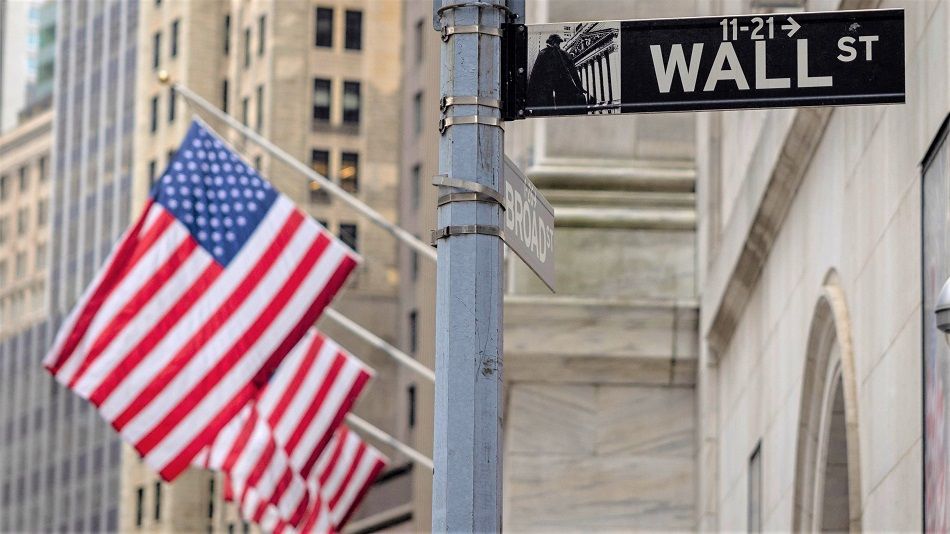
(Bloomberg) — Regulators are poised to extract about $1 billion in fines from the five biggest US investment banks for failing to monitor employees using unauthorized messaging apps.

Morgan Stanley disclosed on Thursday that it expects to pay a $200 million fine, the same amount JPMorgan Chase & Co. paid as authorities use that settlement as a yardstick for the industry. Citigroup Inc. has a reserve in line with what other banks have disclosed, the firm’s finance chief said Friday.

Goldman Sachs Group Inc. and Bank of America Corp. also have had advanced discussions with the regulators to each pay a similar figure, according to people with knowledge of the talks who asked not to be identified because the matter isn’t public. 

The discussions have not yet concluded and the penalties could still change.

The grand total represents a rare escalation from regulators looking into such an issue, with fines tending to be significantly lower in the past. The sweeping civil probes rank among the largest-ever penalties levied against US banks for record-keeping lapses, dwarfing a $15 million penalty imposed on Morgan Stanley in 2006 over its failure to preserve emails.

Finance firms are required to scrupulously monitor communications involving their business to head off improper conduct. That system, already challenged by the proliferation of mobile-messaging apps, was strained further as firms sent workers home shortly after the start of the Covid-19 outbreak. 

In December, the Securities and Exchange Commission and the Commodity Futures Trading Commission imposed $200 million in fines on JPMorgan, saying that even managing directors and other senior supervisors at the bank had skirted regulatory scrutiny by using services such as WhatsApp or personal email addresses for work-related communication.

‘Appropriate’ Reserve

New York-based Citigroup took a one-time reserve for the probe, Chief Financial Officer Mark Mason said on an earnings conference call with reporters Friday. The reserve is “appropriate” and “aligned with what our peers have disclosed,” he said.

Goldman Sachs and Bank of America spokespeople declined to comment Thursday. Representatives for the CFTC and the SEC also declined to comment.

The probes spearheaded by the SEC and CFTC could net an even bigger haul, as the regulators have also sought information from other firms such as HSBC Holdings Plc and Deutsche Bank AG. 

Earlier this year, Deutsche Bank reminded employees that deleting messages is forbidden, and the German lender is rolling out new software on corporate mobile phones that archives WhatsApp messages, Bloomberg has reported. The members of the management board have also agreed to pay cuts of about $80,000 each as they take responsibility for the widespread use of texting and WhatsApp among staff. 

Morgan Stanley’s expected fine was “related to a specific regulatory matter concerning the use of unapproved personal devices and the firm’s record-keeping requirements,” the New York-based bank said Thursday, announcing second-quarter results.

When JPMorgan’s fine was disclosed, Sanjay Wadhwa, deputy director of enforcement at the SEC, said that the New York-based bank’s “failures hindered several commission investigations and required the staff to take additional steps that should not have been necessary.”

Firms should “share the mission of investor protection rather than inhibit it,” he said.

(Updates with Citigroup reserve in second, seventh paragraphs.)

More stories like this are available on bloomberg.com

©2022 Bloomberg L.P.

US Retail Sales Top Forecast, Keeping Big Fed Rate Hike in Focus

(Bloomberg) — US retail sales climbed in June by more than forecast in a broad advance, suggesting resilient consumer spending despite decades-high inflation and potentially raising the prospects of an even larger Federal Reserve interest-rate hike this month.

The value of overall retail purchases increased 1%, after an upwardly revised 0.1% decline in May, Commerce Department figures showed Friday. The figures aren’t adjusted for inflation.

The median estimate in a Bloomberg survey of economists called for a 0.9% advance in overall retail sales from a month earlier.

Follow the reaction in real time here on Bloomberg’s TOPLive blog

While the figures aren’t adjusted for prices, the better-than-expected results indicate that consumer demand is holding up despite Federal Reserve policy aimed at tamping it down.

Fed officials are watching the retail sales data, along with other releases due Friday and next week, to determine whether to raise interest rates by 75 basis points at their meeting later this month, or consider a larger, 100 basis-point hike.

Traders boosted bets on a the larger-sized hike following the report, while wagering that a 75 basis-point move remained the most likely outcome.

Nine of the 13 retail categories showed increases last month, according to the report, including furniture stores, e-commerce and sporting-goods stores.

Sales at gasoline stations rose by 3.6%, following a 5.6% advance in the prior month, and driven by a surge in gas prices to more than $5 a gallon in mid-June. Prices have since fallen sharply, suggesting the figures could soften in the July data.

Even with the solid data, consumer sentiment is expected to hold at a record low in early July in data released later Friday. Economists see rising chances of a recession as the Fed raises interest rates steeply to ensure inflation gets under control.

What Bloomberg Economics Says…

“The June retail sales data imply there’s still enough momentum for the US economy to grow during the rest of the year as consumers find ways to cope with surging inflation, whether by dipping into savings or switching jobs… Coming broadly in line with expectations, the sales data won’t change the Fed’s current case for a 75-basis-point rate hike later this month.”

–Yelena Shulyatyeva and Andrew Husby, economists

For the full note, click here

Auto sales climbed 0.8% in June, following a decline in May.

Grocery store sales rose 0.6%, which likely reflects higher prices rather than increased buying activity since the figures aren’t adjusted for inflation. Food prices, along with gas and shelter, were among the leading contributors to the CPI in June.

Restaurant sales, the report’s only services component, advanced 1%.

So-called control group sales — which are used to calculate gross domestic product and exclude food services, auto dealers, building materials stores and gasoline stations — increased 0.8% in June, the largest gain since January.

Also on Friday:

  • A gauge of New York state manufacturing activity unexpectedly expanded in July for the first time in three months, though a measure of the industry outlook deteriorated sharply to a more than 21-year low
  • A measure of US factory output is expected to decline 0.1% for a second month
  • Atlanta Fed President Raphael Bostic, St. Louis Fed chief James Bullard and San Francisco Fed President Mary Daly are speaking Friday morning

(Adds economists’ comment)

More stories like this are available on bloomberg.com

©2022 Bloomberg L.P.
‘Spider-Man: No Way Home’ Is Finally Available for Streaming After 7-Month Wait 

(Bloomberg) — While most of Hollywood races to get movies online at a fast pace, Sony Pictures is playing it the old way with the streaming debut of “Spider-Man: No Way Home.”

The highest-grossing movie of the pandemic era, “Spider-Man” drops Friday on the Starz streaming service, as well as on that network’s premium cable channel.

The picture came out in December, meaning for seven months fans of the comic-book hero had to go to theaters, buy a copy of the movie or pay a rental fee to watch at home. That’s a wait consumers don’t typically face these days, as every other studio competes for their attention by giving them quick and cheap online access to new films.

But Sony is the only big studio without its own streaming service, having given up on one a few years ago. And with the freedom to seek the highest bidders for its films and TV shows, the company has clinched new deals that will generate about $3 billion in revenue in coming years, according to a person familiar with the matter.

“We don’t serve multiple masters,” Tom Rothman, chairman and chief executive officer of Sony Corp.’s film division, said in an interview. “We’re not beholden to Wall Street counting subscribers on a corporate streaming service. Our master is profitability,”

The race into streaming by most of Hollywood has only strengthened Sony’s position, its CEO says.

Pre-Covid

In 2018, fast-growing Netflix Inc. was able to buy content from every major studio. The following year, Walt Disney Co. began putting its films and TV shows on the new Disney+ service. Warner Bros. launched HBO Max, NBCUniversal started Peacock and Paramount Pictures movies landed on Paramount+.

That left Sony as the sole major studio still able to squeeze out a long run in theaters for its movies and capitalize on the pay-TV market.

Under current agreements, Sony typically makes its films available for home rental and purchase months after they run in theaters. Later, they go to Starz, owned by Lions Gate Entertainment Corp., for cable and streaming viewers.

“We’re able to do what cadence maximizes the profitability of every single asset,” he said.

Rothman estimates Sony makes tens of millions of dollars more per film than its rivals. The studio can keep movies in theaters and available for home rental longer, generating additional sales, and then enter a streaming market where content fetches high prices.

That’s not true for competitors. While the Covid-19 lockdown helped their services attract subscribers, other studios have had to accept losses on their films and TV shows. When Disney+ launched, researcher MoffettNathanson LLC estimated the service would lose $11 billion and take four years to turn a profit. Disney’s direct-to-consumer business had an operating loss of $1.48 billion in the first half of fiscal 2022.

Hits Wanted

If there’s a downside to Sony’s theater-centric strategy, it’s that the company isn’t signing up paying subscribers, the way Netflix, Disney, HBO and Peacock are.

And the studio still needs to generate hits.

While Sony had a huge success with “Spider-Man,” making $1.9 billion at the worldwide box office, it has also released movies to less acclaim. “Morbius,” a Marvel movie starring Jared Leto, collected just $164 million globally this year, one of the lowest totals for a recent release under that comic-book brand. Starz CEO Jeffrey Hirsch told investors in May that, other than a few big titles, Sony’s films weren’t getting viewership for his channel.

Still, Rothman was able to get a new deal with Netflix that will replace the expiring Starz agreement. Under that accord, Netflix gets Sony films released from 2022 to 2026, after they run in theaters and are available for home purchase or rental. The studio also signed a separate deal that gives Disney its movies after Netflix.

Because other streamers “are all in an arms race, none of them can sell to each other,” Rothman said. “So we are one of the very, very few, if not only, purveyor of A-level content. So we’re awful desirable because of that.”

More stories like this are available on bloomberg.com

©2022 Bloomberg L.P.
Uber Sued by More Than 500 Female Passengers Over Sexual Assault Complaints

(Bloomberg) — Uber Technologies Inc. could be sued by more than 500 women across the US who claim to have been assaulted by drivers on the platform. 

A complaint filed Wednesday by Slater Slater Schulman LLP in San Francisco, alleges women were “kidnapped, sexually assaulted, sexually battered, raped, falsely imprisoned, stalked, harassed or otherwise attacked” in their rides. It claims Uber has known about the sexual misconduct by some of the drivers, including rape, since 2014. The law firm said it has about 550 clients with claims against Uber and is actively investigating at least 150 more cases.

Uber has long struggled to handle complaints of misconduct on the ride-sharing app. Just two weeks ago, the company released its second safety report that showed it received 3,824 reports of the five most severe categories of sexual assault in 2019 and 2020, ranging from “non-consensual kissing of a nonsexual body part” to “nonconsensual sexual penetration,” or rape. 

“While the company has acknowledged this crisis of sexual assault in recent years, its actual response has been slow and inadequate, with horrific consequences,” said Adam Slater, a partner at Slater Slater Schulman. “There is so much more that Uber can be doing to protect riders: adding cameras to deter assaults, performing more robust background checks on drivers, creating a warning system when drivers don’t stay on a path to a destination.” 

Uber has faced several lawsuits against it from women alleging sexual assault by drivers. In 2018, it agreed to settle a class action case brought by two women who claim they were taken advantage of by drivers after they had consumed alcohol. Uber has faced similar complaints in countries beyond the US. Uber’s license was revoked in London twice in three years over concerns that it wasn’t adequately verifying drivers’ identities.

Uber has long defended itself by asserting that it can’t be held responsible for behavior of its drivers, who aren’t employees but rather are contractors. In its recent safety report, Uber said it conducts elaborate background checks of drivers before and during their time with the company. 

“Sexual assault is a horrific crime and we take every single report seriously,” Uber said in a statement. “There is nothing more important than safety, which is why Uber has built new safety features, established survivor-centric policies, and been more transparent about serious incidents. While we can’t comment on pending litigation, we will continue to keep safety at the heart of our work.”


(Updates to add background on previous London ban. An earlier version of this story, published July 13, was corrected to reflect a complaint was filed on behalf of law firm claiming to have more than 500 client victims.)

More stories like this are available on bloomberg.com

©2022 Bloomberg L.P.

Volkswagen Sticks to 2022 Sales Target in China Despite Poor First Half

(Bloomberg) — Volkswagen AG is sticking to its annual sales target in China despite a dramatic drop off in deliveries in the first half, according to a briefing held by the German automaker in Beijing on Friday.

Covid restrictions that idled two major production bases in Changchun and Shanghai, along with supply chain bottlenecks and the ongoing semiconductor shortage, saw VW deliver just 1.47 million cars in the six months through June, down 20% on the first half of 2021.

That was only about 38% of the 3.85 million cars the automaker indicated it hoped to sell in China in 2022 when it pledged in January to return to 2020 levels.

“The top priority now must be to restore consumer confidence and ensure stable production and supply chains,” Stephan Wollenstein, Volkswagen Group China CEO, said, adding that with deliveries improving since May, the carmaker’s catch-up plan has “fully kicked into gear.”

Overall car sales in the world’s biggest auto market plunged earlier this year as Covid lockdowns shuttered factories and showrooms and kept people isolated at home. Not a single car was sold in Shanghai in April. While some automakers like Tesla Inc. and VW managed to keep production lines running using so-called closed loop systems, getting components into factories was a challenge.

With the virus easing, car sales have picked up again, helped by the government cutting the purchase tax on gasoline cars and encouraging people to buy electric vehicles. VW delivered around 340,300 vehicles in June, an increase of about 27% versus June 2021. Electric ID. series sales also reached a record since the models’ launch in 2021, with over 17,600 vehicles handed to customers.

“The semiconductor supply started to ease in June and if the Covid situation also continues to stabilize, we will be able to make up for our production delays in the coming month,” Wollenstein said.

There are still snarls however with VW in China beholden to chip availability across the group. That’s causing shortages in some areas, including one particular car camera, Wollenstein said.

VW is also facing mounting pressure to address allegations that ethnic Uyghurs in China are suffering from coercive labor practices in the region. Chief Executive Herbert Diess last month vowed to visit carmaker’s Xinjiang plant as soon as Covid conditions allow and to keep investing heavily in China as its biggest market.

Wollenstein on Friday said that all the carmaker’s staff in Xinjiang are employed under direct labor contracts.

“We haven’t established the Xinjiang plant to please anybody,” Wollenstein said, noting it started about 10 years ago when “everybody believed in the strong ‘Go West’ trend in China.”

“We also got government subsidies to build the plant, but this is nothing different as if you would do it in Qingdao, or Tianjin, or now in Hefei or Changchun,” he said.

More stories like this are available on bloomberg.com

©2022 Bloomberg L.P.

Crypto Gets a Visit From the Behemoth of Bankruptcy Law

(Bloomberg) — It didn’t take long for Kirkland & Ellis to stake its claim to the cascade of legal work sure to flow from crypto’s worsening collapse. 

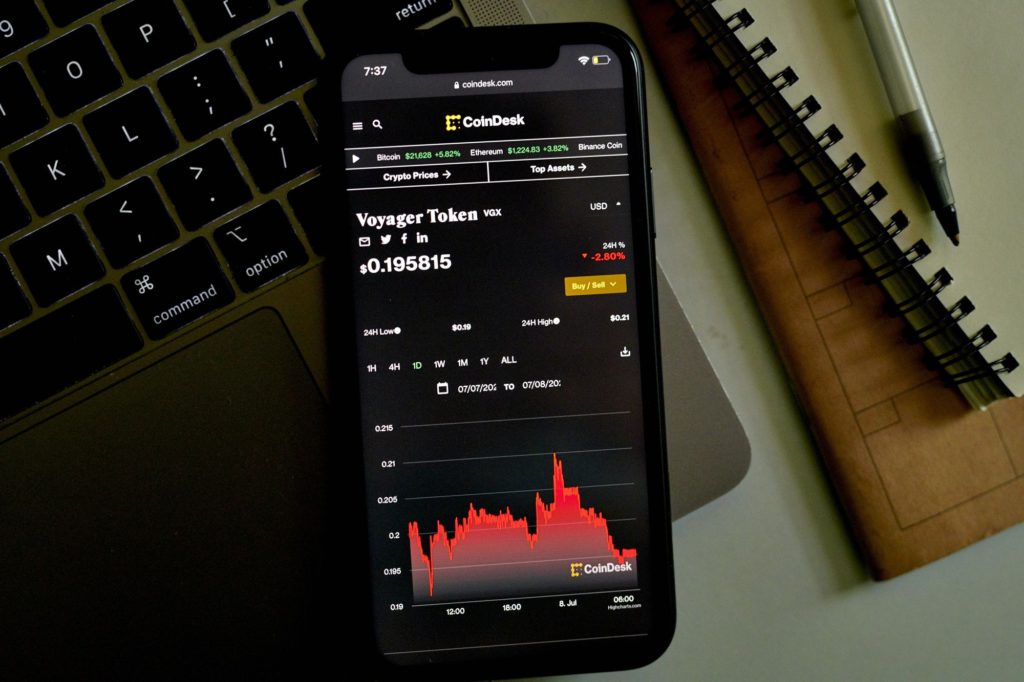
The white-shoe law firm is guiding both Voyager Digital Ltd. and Celsius Network LLC through first-of-its-kind bankruptcies. The crypto lenders filed for Chapter 11 protection this month amid a plunge in the value of the digital tokens and a selloff across the broader market.

For Kirkland, the work will likely be as difficult as it is plentiful: billions of dollars of customer assets are tied up on the platforms and little existing case law speaks to how cryptocurrencies should be treated in bankruptcy. Lawyers will also need to recover as much money as possible from Three Arrows Capital, the beleaguered crypto hedge fund whose principals are currently nowhere to be found. 

“Kirkland & Ellis is considered the go-to firm for distressed borrowers and Chapter 11 debtors,” said Chris Ward, chair of the bankruptcy and restructuring practice at law firm Polsinelli. “It does not surprise me at all that they would want to be on the forefront of the emerging distressed and bankruptcy issues that will come out of the crypto fallout.” 

A representative for Kirkland & Ellis declined to comment on its recent crypto engagements.

Kirkland is well known in restructuring circles for representing high-profile, deeply troubled enterprises in need of rehabilitation. In 2020, when the Covid-19 pandemic spurred the most big insolvencies in a decade, the firm represented more than 40% of large publicly-traded companies that filed for bankruptcy, according to a Bloomberg Law analysis of a UCLA database. 

The firm is massive: it has more than 3,000 attorneys in its fold and consistently ranks as the world’s biggest law firm by revenue. Some restructuring partners charge more than $1,500 an hour for their time, according to bankruptcy court records.

Joshua Sussberg, a partner at Kirkland, is the lead bankruptcy lawyer for both Voyager and Celsius. The charismatic barrister is a mainstay in the world of large corporate failures, particularly retailers: he held prominent roles in the Chapter 11 cases of Toys ‘R’ Us, JC Penney and Tailored Brands, the owner of Men’s Wearhouse. 

Sussberg is, by his own admission, new to crypto. He’d heard about it from friends and family but “couldn’t wrap [his] head around it,” he told US Bankruptcy Judge Michael Wiles in a hearing last week. Voyager employees brought him up to speed, he said. 

“If you think you’re new to cryptocurrency, you’re a seasoned veteran compared to me,” Wiles, who is overseeing Voyager’s Chapter 11 case, told him later in the hearing.

More stories like this are available on bloomberg.com

©2022 Bloomberg L.P.

Close Bitnami banner
Bitnami