Bloomberg

Biden Says Time ‘Not Ripe’ to Restart Israel-Palestinian Talks

(Bloomberg) —

President Joe Biden said the time is “not ripe” to restart negotiations between Palestinians and Israel but he would look for ways to reinvigorate the peace process. 

“I know that the goal of a two-state solution is so far away,” Biden said at a news conference in Bethlehem alongside Palestinian Authority President Mahmoud Abbas on Friday. “Even if the ground is not ripe at this moment to restart negotiations, the US and my administration will not give up.”

Abbas had urged Biden to take steps toward a two-state solution, a goal that Biden has long said he supports.

“Peace and stability in our region begins by recognizing the state of Palestine,” Abbas said. “I take this opportunity to say that I extend my hand to the leaders of Israel to make peace.”

Earlier, the US announced plans to give $316 million in aid to Palestinians, a partial step toward reviving ties with the Palestinian Authority that were severed under former President Donald Trump. 


More stories like this are available on bloomberg.com

©2022 Bloomberg L.P.

Netflix Changes Tack With Marketing Spree for $200 Million Film

(Bloomberg) — Netflix Inc. is trying a new approach in marketing its next big film: telling people it’s coming out.

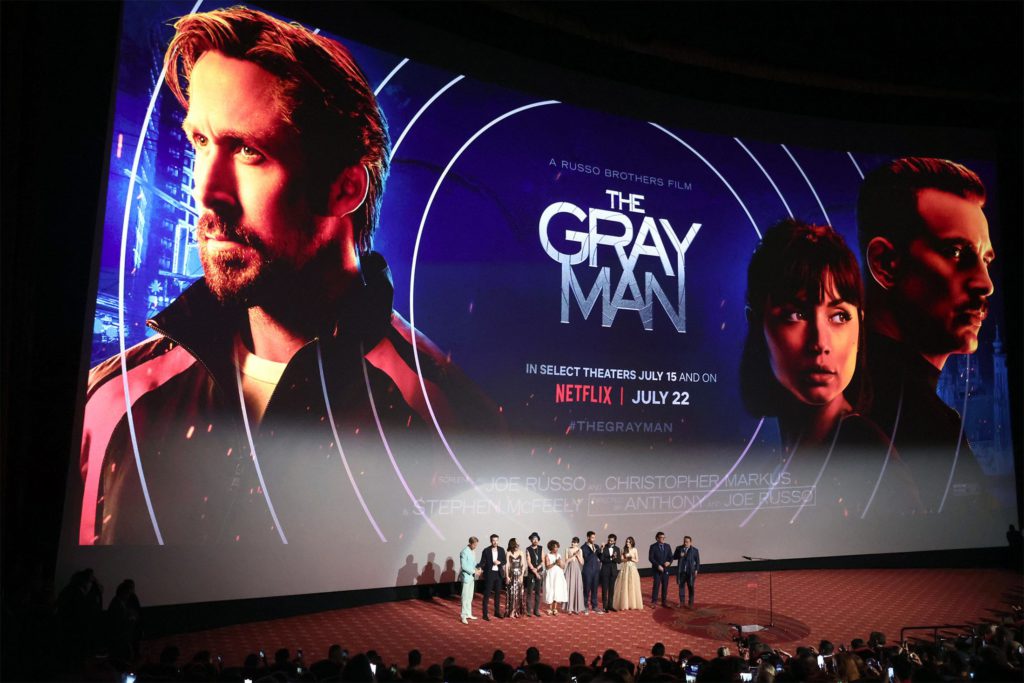
The streaming service is orchestrating one of its biggest promotional pushes ever ahead of the July 22 streaming debut of “The Gray Man,” a spy thriller starring Ryan Gosling. The campaign includes billboards in several cities, as well as TV advertising spots during major sporting events.

The campaign is a test for the world’s most-popular paid video service, which hasn’t historically prioritized marketing titles before their release. Executives at Netflix and creators of shows have been pushing the company’s leadership to increase the marketing budgets for its movies and TV shows. Major movie studios spend tens of millions of dollars on marketing campaigns ahead of big releases to drive ticket sales on opening weekend. TV networks do the same so a show can grab a large audience upon its debut.

Netflix spent more than $2.5 billion last year on marketing, but it has never invested as much per title as its peers in Hollywood. It saves money by not spending so much on marketing up front, which would cost billions of dollars more, given that it releases hundreds of titles a year. The company has relied on its algorithm to serve the right show to the right viewer, and then spends money to amplify a project that’s already popular.

Netflix has been reevaluating its strategy, especially after a subscriber loss caused its stock to fall more than 70% this year. The company’s growth has slowed to a crawl in some of the biggest countries in the world at the same time that services such as HBO Max, Disney+ and Hulu have eaten into its share of the streaming market. 

Netflix plans to introduce a cheaper, advertising-supported version of its service later this year, and just this week selected Microsoft Corp. to handle the advertising sales and technology. The company hopes that will entice price-conscious consumers to sign up for Netflix.

Increased competition has also made it harder for Netflix titles to stand out from the crowd. The company wants to make fewer, but better, movies. It restructured its marketing department earlier this year, not long after hiring a new chief marketing officer, Marian Dicus. Netflix has cycled through three CMOs in the last few years.

Netflix has ramped up its marketing spend over time and staged large pre-release marketing campaigns for new seasons of hit TV shows such as “Stranger Things,” “Ozark” and “Bridgerton.” It  bought national TV spots last month for “Hustle,” a basketball drama starring Adam Sandler, as well as “The Sea Beast,” an animated film.

Marketing budgets for movies have started to rise along with production budgets and star power. Netflix spent upwards of $100 million to produce “Red Notice,” an action comedy starring The Rock, Ryan Reynolds and Gal Gadot, and “The Adam Project,” which also starred Reynolds. The talent deals on “Red Notice” alone cost more than $50 million, according to reports. 

“The Gray Man” is one of Netflix’s most-expensive bets yet with a reported production budget of $200 million. Gosling stars as an assassin for the Central Intelligence Agency who becomes a target after he uncovers dark secrets about the organization. Chris Evans, Ana de Armas, Wagner Moura and Rege-Jean Page also star in the movie, which is produced and directed by Joe and Anthony Russo, the filmmakers of several major Marvel movies.

When spending that kind of money on casts that famous, Netflix wants to make sure people know the title is coming out. It can’t spend $150 million on a movie that nobody sees. The talent also wants to know the service is supporting the project. Dicus, as well as co-CEOs Ted Sarandos and Reed Hastings, have all signed off on spending more to boost new titles.

Executives at Netflix have also pushed for the company to release its movies in theaters, believing that will generate additional money and awareness. Theaters won’t show the movies unless Netflix commits to spend money on marketing and an exclusive theatrical release of at least a few weeks.

Hastings and Sarandos remain skeptical of the benefit of movie theaters. “The Gray Man” will appear in cinemas for just a week before it’s available on the service, and it won’t be in most of the major chains. 

Netflix shut down a block of Hollywood Blvd. Wednesday night for a premiere of the movie at the TCL Chinese Theatre, a 95-year-old venue in the heart of Hollywood. The event had the feel of a classic movie premiere, as stars traipsed down a lengthy red carpet and guests snacked on fried chicken and donuts. After the showing, they ventured to an after party at the nearby Hollywood Roosevelt hotel, site of the very first Academy Awards.

More stories like this are available on bloomberg.com

©2022 Bloomberg L.P.

Bridgewater’s Giant Bet Against Europe Stocks is Starting to Pay Off

(Bloomberg) — Bridgewater Associates’s call against European stocks has had a good month. 

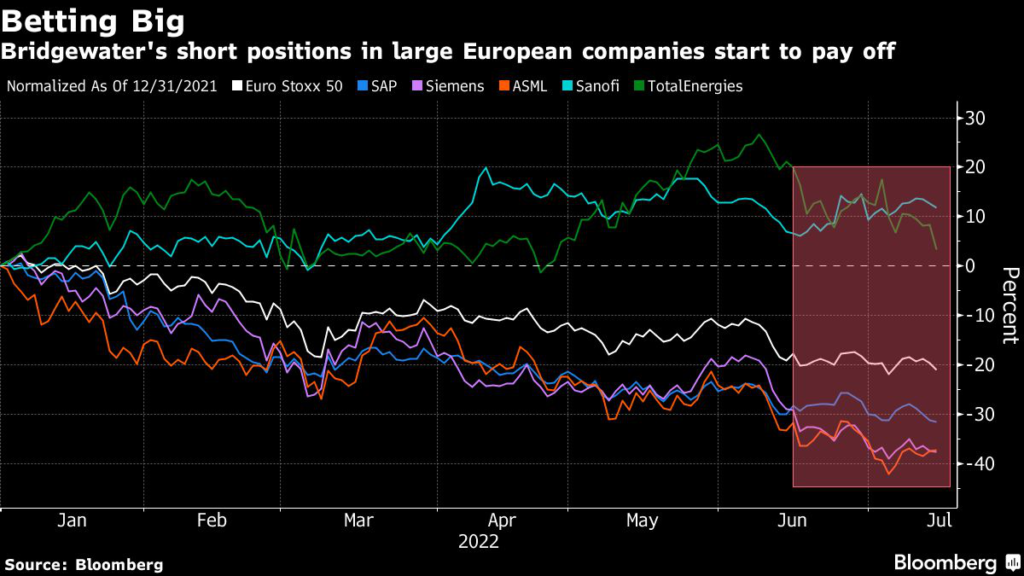
Since the world’s biggest hedge fund’s bets were disclosed last month, the large-cap Euro Stoxx 50 index has underperformed major equity benchmarks in the US, the UK and Japan. Among Bridgewater’s biggest short positions, TotalEnergies SE and Siemens AG are down 12% over the period, while ASML Holding NV has dropped 3.3%.

Overall, the firm has about $9.4 billion worth of bets against 26 companies in the Euro Stoxx 50 index, according to data compiled by Bloomberg. A protracted global equity selloff combined with a worsening economic outlook, exacerbated by an energy crisis and political turmoil, has created fertile ground for these bearish wagers in Europe. 

Short sellers seek to capitalize on falling stock prices by selling borrowed shares and buying them back at lower values. The positions could be aimed at pure profit, or form part of a broader hedging strategy at the firm, which uses quantitative models to invest.

A spokesperson for Bridgewater, the firm founded by Ray Dalio, declined to comment on individual short positions.

It’s not clear exactly when Bridgewater, which manages about $150 billion in assets, started shorting the European stocks as hedge funds don’t have to disclose smaller bets. Its flagship Pure Alpha II fund posted a 32% gain in the first half of this year, Bloomberg News reported this month.

This isn’t the first time Bridgewater has made a big bet against European stocks. It caused a stir in 2018 with a $22 billion short position against some of the region’s biggest companies, followed by wagers worth $14 billion that also included ASML and SAP in 2020.

(Updates with share performances in the second paragraph.)

More stories like this are available on bloomberg.com

©2022 Bloomberg L.P.

Dubai Digital Investments Seeks IPO to Raise Cash for Tech Deals

(Bloomberg) —

A new platform founded by entrepreneur Faisal Belhoul is planning an initial public offering in Dubai by the end of this year to invest in technology firms. 

Dubai Digital Investment Co. aims to raise 1 billion dirhams ($272 million) from the listing, Belhoul told Bloomberg in an interview. “We’ve been granted permission by the local authorities to launch a greenfield investment company that focuses on the technology sector,” he said.

Belhoul, vice-chairman of the Dubai Chamber of Commerce & Industry, was previously involved in the IPO of Al Noor Hospitals Group in London in 2013 and the share sale of another healthcare and education firm in Dubai a year later. 

With his latest venture, he plans to invest in regional and global technology opportunities alongside VC firms and founders. That also fits in with Dubai’s ambitions to become a major technology hub.  

Belhoul said the greenfield listing will allow retail and individual investors to gain exposure to technology companies. Many of those smaller investors are otherwise unable to buy into tech companies because the average investment size is too big, he said.  

Greenfield listings were popular in Dubai about a decade ago, but have since faded. 

The city’s last such IPO, healthcare and education investment firm Amanat Holdings PJSC, was also helmed by Belhoul. The stock dropped 20% on debut in 2014 and still trades below its offer price. Retail and dining company Marka, which raised $75 million from a greenfield IPO in 2014 and never reported a profit, wound down in 2019. 

Dubai Digital’s listing would come amid signs of waning demand for new shares sales in the Middle East. While the region just clocked its best first half for IPOs on record, spurred by high oil prices and equity inflows, local stock markets have plunged from peaks in May.

The firm’s plans to seek opportunities in technology also coincide with a rout in that sector, with investors turning away from what they see as overpriced assets. There are others eyeing bargains in the sector, though — Abu Dhabi’s Mubadala Investment Co. is defying the rout in valuations to invest in technology-focused businesses. 

“The current adjustment in valuations makes it a very attractive entry point for any investor focusing on the tech space,” Belhoul said. “We believe the market conditions have only made our strategy more compelling.”

Read More: NYSE Pitches US Listings to Gulf Tech Firms Amid Global Selloff

More stories like this are available on bloomberg.com

©2022 Bloomberg L.P.

Fist Bump or Punch? Emoji Mishaps Can Cause Confusion at Work

(Bloomberg) — As managing director of a transport consultancy, Carol Deveney is used to celebrating completed projects with her clients in the government and at engineering firms. While she’d usually be able to congratulate her clients in person, the lockdown meant switching to text-based chat tools, where emoji added a bit of levity. 

“Text messages just seem a bit bland,” said Deveney. “I was trying to put my friendly nature into the message.”

“It was: ‘Here’s the jazz hands,’ like, ‘Ta-da, we got this done.’ But they’re not jazz hands,” she said. Her son quickly told her the real name of the emoji “hugging face,” which is officially meant to be an offer of a hug.

That kind of confusion is commonplace in workplaces around the world, according to a survey of 9,400 hybrid workers across North America, Asia and Europe by workplace communications provider Slack and language learning app Duolingo.

Emoji have become a vital part of workplace communication, with 71% of American workers saying messages not peppered with the pictorial icons are incomplete in meaning. Globally, more than half of workers include emoji in messages sent to colleagues—though 30% refuse to do so with their boss.

“As we continue to embrace hybrid work from digital HQs, emoji help people acknowledge one another, clarify intent, and add a little color, depth and fun to work,” said Olivia Grace, senior director of product management at Slack.

It’s also seen as more efficient by 54% of workers worldwide, with two-thirds of American respondents saying it speeds up communication.

“Emoji are a significant and net positive communication tool in our digital world,” said Keith Broni, editor-in-chief of Emojipedia, an online reference encyclopedia whose parent company sits on the body which approves emoji for public use. “They really can enable us to clarify emotional intent and the means through which our messages will be interpreted by the recipient. This has never been more important than in the last two years.”

However, as hybrid work increasingly embraces cross-border working, and businesses are able to cherry pick employees from different countries, the risk of that missive being misconstrued increases, as in the case of Deveney and her “jazz hands.”

In all, 58% of survey respondents say they didn’t realize specific emoji have different meanings, and the potential issues that could cause.

Take the smiley face emoji, officially termed the “slightly smiling face.” Globally, people most closely associate the symbol with feeling happy and general positivity. But beware a message with a smiley face in the United States or Singapore: one in five people in both countries use it to show exasperation. In Japan, just one in 20 employees would catch on to that more subtle, subversive meaning.

Caution is also advised when deploying the peach emoji. Seven in 10 respondents took the symbol literally, missing its more euphemistic meaning more common elsewhere. And in China, 56% of workers took the eggplant or aubergine emoji to mean just that. Large parts of the rest of the world would snigger at that. “There is always potential for someone to look at an emoji and think it means X, but the most common understanding of that emoji is Y,” said Broni.

It all makes for a potential minefield of misinterpretation, one that Deveney’s keen to avoid in the future. At first, she considered sending an apology message explaining her misunderstanding, then decided she was overthinking it.

But the hugging face-jazz hands emoji has been consigned to history, she said: “I’ve stopped sending emojis in any business message.”

More stories like this are available on bloomberg.com

©2022 Bloomberg L.P.

China Mortgage Boycott Data Erased by Censors as Crisis Spreads

(Bloomberg) — China is censoring crowd-sourced documents tallying the number of mortgage boycotts spreading across the country, potentially hampering a key source of data for global investors and researchers tracking the property crisis. 

Shared files managed on platforms including China’s Quora-equivalent Zhihu Inc. and on sites like Kdocs and Wolai have been banned following reports that the number of homebuyers refusing to pay mortgages surged in a span of days. GitHub, a popular file-sharing site for coders, remains as a source for people to post documents.

The file sharing has provided a key battleground for homeowners who are shunning mortgage payments for apartments that haven’t been built on time. The information also offered a gauge for global investors and banks from Nomura Holdings Inc. to Citigroup Inc. to measure the scale of the unfolding protests. 

Lenders have said the bad housing loans are controllable. But the spike in incidents is fueling concerns that the property troubles — which have largely centered on developers following a government crackdown on excess leverage — will engulf big banks and China’s middle class, who have an estimated 70% of wealth stored in real estate. 

“This is a political protest,” Diana Choyleva, chief economist at Enodo Economics, said in an interview on Bloomberg Television. “It’s not going to be a banking crisis, they are not there. But it a crisis potentially of confidence and one that the Chinese Communist Party fears tremendously.”

Information shared on the platforms included names of projects that were stalled, and images of letters from homebuyers declaring that they refused to pay. GitHub’s page on the topic was starred, or bookmarked, by more than 14,000 users. 

Homebuyers complained that their social media accounts on TikTok’s Chinese cousin Douyin and the Twitter-like Weibo have also been banned. Some buyers who asked not to be named said they were contacted by police. 

Posts on WeChat and Weibo containing snapshots of charts tallying mortgage boycotts or project delays were deleted. Among them was a July 13 analysis by property researcher China Real Estate Information Corp. which showed homebuyers stopped mortgage payments on at least 100 projects in more than 50 cities. 

The Cyberspace Administration of China didn’t immediately respond to a faxed request for comment. 

The mortgage boycotts have alarmed investors, dragging down the stocks and bonds of property firms including China Vanke Co. and Country Garden Holdings Co., as well as the nation’s biggest lenders. A benchmark stock index for Chinese banks fell 7.7% this week, the most in four years.

Chinese authorities held emergency meetings with major banks this week to discuss the home-loan snub on concern that more buyers may follow suit, according to people familiar with the matter. Some lenders plan to tighten their mortgage lending requirements in high-risk cities, two of the people said.

Banks are rushing to reassure investors that risks are contained. Lenders have detailed 2.1 billion yuan ($311 million) of loans at risk. In most cases, the overdue amount makes up less than 1% of the lender’s total mortgage portfolio. However, GF Securities Co. expects as much as 2 trillion yuan of mortgages could be impacted. 

Nomura said the refusal to pay mortgages stems from the widespread practice in China of selling homes before they’re built. Funds from presales are kept in escrow accounts to use for construction. But confidence that projects will be completed has weakened as developers’ cash woes intensified. 

“Inappropriate usage of presale proceeds and the lack of adequate supervision of escrow accounts by local regulators and banks are likely associated with these mortgage suspension cases,” Zerlina Zeng, a senior analyst at CreditSights, wrote in a note.  

More stories like this are available on bloomberg.com

©2022 Bloomberg L.P.

Fund Manager Snubs ESG Stock Favorites and Handily Beats Peers

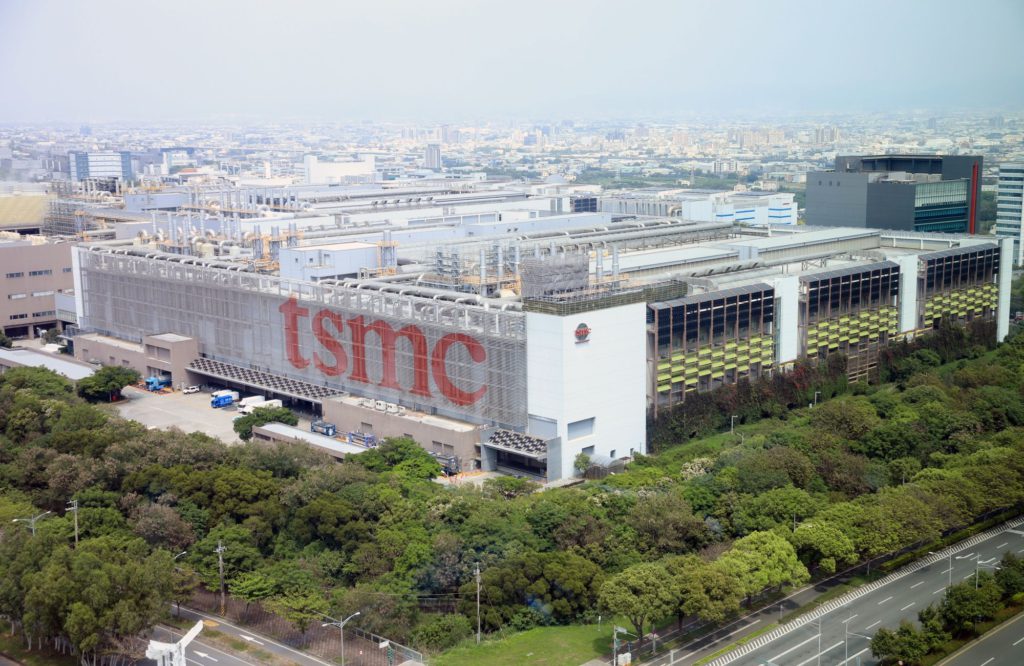
(Bloomberg) — The top-performing ESG fund for emerging markets surpassed its peers in the first half of 2022 by adopting a low-risk strategy that rejected tech companies Tencent Holdings Ltd., Alibaba Group Holding Ltd. and Taiwan Semiconductor Manufacturing Co. Ltd.

The Robeco QI Emerging Conservative Equities fund declined 4.9% this year, while the 15 largest actively managed ESG-labeled emerging market equity funds plunged about 23% on average, according to data compiled by Bloomberg. 

Top holdings in Robeco’s $2.2 billion fund are Samsung Electronics Co. Ltd., Infosys Ltd. and Bank of China Ltd. By comparison, TSMC ranks as the largest investment for all of the other biggest ESG emerging markets funds, which also have sizable stakes in Tencent and Alibaba. Shares of TSMC, Tencent and Alibaba have fallen as much as 26% this year amid rising global concerns about inflation and slowing economies.

Tech and financials are the biggest holdings in all of the biggest 15 funds, which also focus on four countries — China, Taiwan, South Korea and India. The funds largely avoid markets in Latin America, Africa and other emerging regions. This bias can divert greener capital that poorer countries need to decarbonize their economies and raise living standards.

Currently, 80% of global financial assets are in developed countries and 88% of sustainable investment funds are focused on global or developed markets. By contrast, 70% of the required United Nations Sustainable Development Goals and Paris Agreement capital needs to be directed towards developing countries, according to a May survey by South African asset manager Ninety One Plc.

Rotterdam-based Robeco said its fund’s success reflects a strategy of hand-picking stocks that are considered low risk and perform well over longer time horizons, and a willingness to deviate from its benchmark — the MSCI Emerging Markets Index — by as much as 10%.

“In the recent market turbulence, the low-risk characteristics of the stocks we select have helped a lot in terms of returns relative to the benchmark and to peers,” said Arnoud Klep, portfolio manager in Robeco’s quantitative equities team.

Tencent and Alibaba didn’t make the cut as they featured low on Robeco’s stock ranking. “TSMC does well on sustainability characteristics — it’s low on carbon and environmental footprint, and most ESG rating firms assign it a strong rating — but if you also take into account low risk and other characteristics, we find better candidates,” Klep said in an interview.

Most ESG-focused emerging market funds tend to be overweight tech, financials and consumer goods because companies in these sectors typically have stronger finances, said Dan Kemp, the London-based chief investment officer of Morningstar Investment Management. This has been a winning strategy for most of the past 30 years, he added.

But that approach has backfired for some this year. Fidelity’s $4 billion Emerging Markets Fund is the worst performing of the biggest ESG-labeled emerging market funds, falling 33%, followed by the Goldman Sachs Emerging Markets Equity Fund, which dropped 28% as of Thursday, Bloomberg data show. The two funds each have more than 14% of their assets in TSMC, Alibaba and Tencent.

The Robeco fund earns its ESG credentials because it adheres to Article 8 of the EU’s Sustainable Finance Disclosure Regulation. It excludes companies that derive revenue above a certain threshold from controversial weapons, tobacco, palm oil, coal and oil sands, according to its prospectus. It also has a lower environmental footprint than its reference index, tilts towards companies with better than average ESG scores, and adopts a voting and active engagement policy.

Unusually, even though it meets the SFDR requirement, Robeco doesn’t advertise the ESG theme in the fund’s name. That reflects some asset managers’ growing hesitation to slap an ESG label on a financial product and thereby invite concerns about greenwashing.

The SFDR’s main goal is to stem inflated ESG claims, but it doesn’t make the job easy. It defines Article 8 as “light green” investments only in vague terms, giving fund managers considerable leeway in deciding what’s ESG and what’s not. In February, for example, data provider Morningstar Inc. removed the ESG tag from more than 1,200 funds that it said failed to fulfil the promised environmental, social or governance goals. Most of the axed funds were Article 8.

Robeco’s emerging market fund has its share of controversial ESG stocks, including carbon-intensive companies China Petroleum & Chemical Corporation (Sinopec) and PetroChina, each representing around 1% of the fund’s total net assets. Klep justifies their inclusion on the basis of a three-year plan in place to actively encourage Sinopec and PetroChina to boost their sustainability performance. If that engagement works, Robeco says it will return to a full 2% equity position in each of the companies. If not, it will likely divest.

Indeed, Robeco may yet rename the fund to better reflect its ESG stance. “The investment industry is still looking to digest the impact of SFDR and how it impacts the investor landscape,” said Klep. “We’ll see how it evolves.”

More stories like this are available on bloomberg.com

©2022 Bloomberg L.P.

US Equity Futures Waver as Dollar Surge Stalls: Markets Wrap

(Bloomberg) — US equity-index futures fluctuated and the dollar’s surge stalled at the end of a week in which markets have been whipsawed by shifting expectations for monetary tightening by the Federal Reserve and worries over global economic growth.

S&P 500 and Nasdaq 100 contracts signaled a soft open for US stocks after Wall Street closed with a small drop as investors dialed back expectations of how aggressively the Fed will hike interest rates to combat inflation. Traders are awaiting earnings from CitiGroup Inc. and Wells Fargo & Co. Friday after disappointing results yesterday from JPMorgan Chase & Co. and Morgan Stanley.

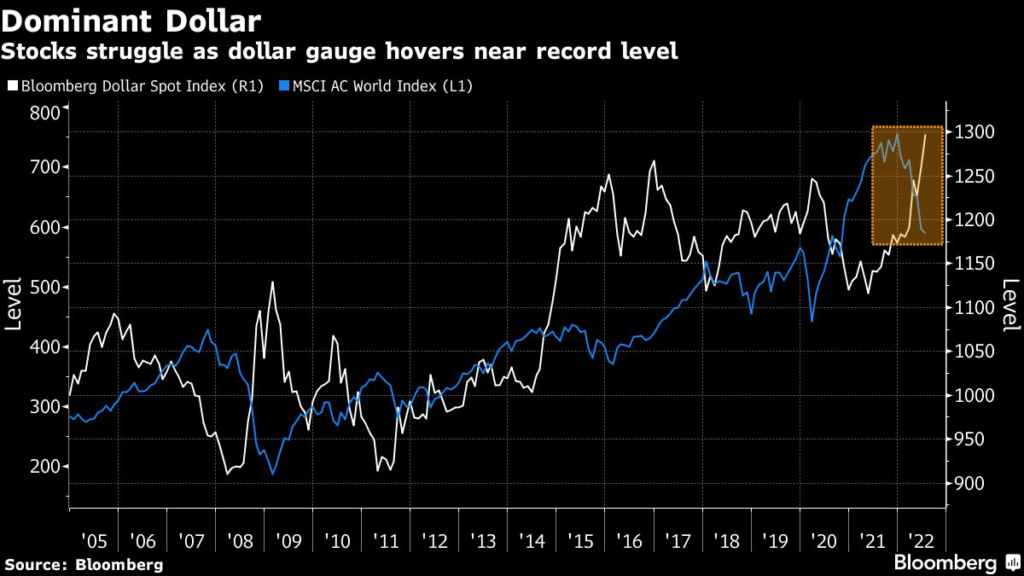
Treasuries rose and the the yield curve between two-year and 10-year maturities remained inverted, something viewed as recession signal. The Bloomberg Dollar Spot Index dipped from a record high. WTI crude oil is poised to end the week below $100 a barrel for the first time since April. Copper tumbled to its lowest level in 20 months as growth data from China fueled concern around the demand outlook for commodities.

Investors are weighing up how hawkish the Fed must be to curb inflation and the likely toll on the economy. Bets on a one-percentage-point July rate hike have been scaled back after the latest commentary pointed toward 75 basis points. The pace of monetary tightening along with ebbing liquidity still threatens to stir more market volatility after steep losses for stocks and bonds in 2022.

“We need liquidity to dry up in order to reduce inflation,” Erin Gibbs, chief investment officer at Main Street Asset Management, said on Bloomberg Radio. “It’s a challenge, it’s a difficult situation, transition. I don’t envy the Federal Reserve, but we’ve known there has been too much money out there and that’s why we’re here in this position.”

In the latest Fed comments, Governor Christopher Waller backed raising rates by 75 basis points this month, though he said he could go bigger if warranted by the data. St. Louis Fed President James Bullard echoed some of those comments, saying he favored hiking by the same amount.

Carmakers and energy companies led an advance in the Stoxx Europe 600 index, while basic resources declined after Rio Tinto Group’s grim warning about prospects for the global economy. Luxury retailer Richemont slumped more than 5% after reporting earnings tainted by concern about waning demand in China.

Italy’s benchmark index rallied after the country’s president rejected an offer from Mario Draghi to resign as prime minister as his coalition government teeters on the brink of collapse. Most European bonds advanced, through the premium of Italian debt over German bunds widened. 

Elsewhere, China’s second-quarter growth slowed on Covid lockdowns but consumption rallied in June as curbs eased. Officials refrained from injecting funds into the banking system and left borrowing costs unchanged. A slide in China tech shares on renewed worries about regulatory obstacles sapped an Asian stock index.

Meanwhile, about $1.9 trillion of options are set to expire Friday, a event that could bring some volatility to markets. Investors are also awaiting the next batch of US bank profit reports as the earnings season intensifies. 

What to watch this week:

  • US business inventories, industrial production, University of Michigan consumer sentiment, Empire manufacturing, retail sales, Friday
  • G-20 finance ministers, central bankers meet in Bali, from Friday
  • Atlanta Fed President Raphael Bostic speaks, Friday

Will the eurozone avoid a recession or a debt crisis? How will the euro and stocks perform in the next six months? Share your views and participate in the latest MLIV Pulse survey. It only takes a minute, so please click here anonymously.

Some of the main moves in markets:

Stocks

  • The Stoxx Europe 600 rose 0.6% as of 11:13 a.m. London time
  • Futures on the S&P 500 rose 0.2%
  • Futures on the Nasdaq 100 rose 0.1%
  • Futures on the Dow Jones Industrial Average rose 0.3%
  • The MSCI Asia Pacific Index fell 0.3%
  • The MSCI Emerging Markets Index fell 0.6%

Currencies

  • The Bloomberg Dollar Spot Index was little changed
  • The euro rose 0.2% to $1.0041
  • The Japanese yen rose 0.2% to 138.70 per dollar
  • The offshore yuan fell 0.2% to 6.7718 per dollar
  • The British pound was little changed at $1.1834

Bonds

  • The yield on 10-year Treasuries declined three basis points to 2.93%
  • Germany’s 10-year yield declined four basis points to 1.13%
  • Britain’s 10-year yield declined three basis points to 2.07%

Commodities

  • Brent crude rose 0.5% to $99.63 a barrel
  • Spot gold fell 0.5% to $1,701.56 an ounce


More stories like this are available on bloomberg.com

©2022 Bloomberg L.P.

Alums From Google’s DeepMind Want to Bring AI Energy Controls to Industrial Giants

(Bloomberg) — Industrial production is one of the dirtiest corners of the corporate world. A startup from former Google engineers thinks it can clean it up with artificial intelligence.

Phaidra, a company based in Seattle, sells AI software to automate building controls for power plants and other industrial giants. It’s relying on the same fix as their former company, DeepMind, Google’s research lab. For several years, DeepMind has let its AI system manage the temperature controls inside Google data centers, ultimately shaving huge chunks off the company’s electricity bill.

Phaidra’s algorithms are designed to select the most efficient temperature for unique facilities, such as a steel mill or a vaccine manufacturer, and identify when equipment starts to lag in performance. Once in place, Phaidra’s system can trim a plant’s energy consumption by up to 30 percent and save considerable amounts of capital, according to the startup. “It can immediately make these companies more profitable,” says Jeremy Brewer, managing partner with Starshot Capital, an investor.

Jim Gao, Phaidra’s chief executive officer, calls manufacturing a sector ignored by Silicon Valley yet ripe for the kind of advanced machine learning cooked up in places like Google. “They’ve been collecting data for so long, but they haven’t been using it,” he says of his new customer base.

Indeed, the industrial sector, which accounts for about a fourth of all US greenhouse gas emissions and continues to expand, is beginning to embrace cutting-edge data science. A report from IOT Analytics forecast revenue from industrial AI to balloon to $72.5 billion by 2025 from $11 billion in 2018.

Still, most of that usage represents basic tasks like digitizing data or creating online dashboards, not tools where algorithms run entire control systems without people tweaking the dials, like the one that Phaidra pitches. Not many manufacturers have the capacity to try that or the budgets and engineering prowess to maintain such a system. “It’s very few and far between,” explains Jon Van Wyck , a BCG managing director. 

Phaidra, which was formed in 2019, says it has several Fortune 100 industrial customers in areas as wide-ranging as pharmaceutical development to paper mills. It declines to name specific clients or financial figures. The startup recently raised $25 million in financing from Starshot and Character, investment firms started by other Google alums. It has also brought on Robert Locke, a 13-year veteran of industrial supplier Johnson Controls, as president. 

Gao formerly worked on the energy team at DeepMind alongside his technical co-founder, Vedavyas Panneershelvam. The engineers are among the few with extensive experience in reinforcement learning, a branch of AI where algorithms are designed to continuously improve. DeepMind’s most famous version of this is AlphaGo, its system for whupping the famously difficult board game, Go. 

While AlphaGo was optimized for winning Go, Katie Hoffman, another Phaidra co-founder, describes her system as one optimized to reduce the kilowatt hours of the plants it plugs into. Hoffman comes from the industrial sector — most recently as a manager with the equipment maker Ingersoll Rand Inc. — and says many of Phaidra’s customers work in “mission-critical” fields, with very specific demands about how their plants should be cooled and operated. They also rely on antiquated, hand-coded software. 

“They’re using what’s been around since the 1950s,” she says. “These industrial systems are incredibly difficult to run on a good day.”

DeepMind’s building control algorithms have continued to tweak dials inside Google’s data centers. And Google has begun to offer a similar service to its cloud customers. But Phaidra’s founders say their approach is tailored to the particularities of the industrial sector, which is lightyears away from the sophistication of a Google building.

Gao didn’t share his company’s prices but says customers pay Phaidra less than the energy savings they earn from its service.

More stories like this are available on bloomberg.com

©2022 Bloomberg L.P.
Google DeepMind Alums Want to Bring AI Energy Controls to Industrial Giants

(Bloomberg) — Industrial production is one of the dirtiest corners of the corporate world. A startup from former Google engineers thinks it can clean it up with artificial intelligence.

Phaidra, a company based in Seattle, sells AI software to automate building controls for power plants and other industrial giants. It’s relying on the same fix as their former company, DeepMind, Google’s research lab. For several years, DeepMind has let its AI system manage the temperature controls inside Google data centers, ultimately shaving huge chunks off the company’s electricity bill.

Phaidra’s algorithms are designed to select the most efficient temperature for unique facilities, such as a steel mill or a vaccine manufacturer, and identify when equipment starts to lag in performance. Once in place, Phaidra’s system can trim a plant’s energy consumption by up to 30 percent and save considerable amounts of capital, according to the startup. “It can immediately make these companies more profitable,” says Jeremy Brewer, managing partner with Starshot Capital, an investor.

Jim Gao, Phaidra’s chief executive officer, calls manufacturing a sector ignored by Silicon Valley yet ripe for the kind of advanced machine learning cooked up in places like Google. “They’ve been collecting data for so long, but they haven’t been using it,” he says of his new customer base.

Indeed, the industrial sector, which accounts for about a fourth of all US greenhouse gas emissions and continues to expand, is beginning to embrace cutting-edge data science. A report from IOT Analytics forecast revenue from industrial AI to balloon to $72.5 billion by 2025 from $11 billion in 2018.

Still, most of that usage represents basic tasks like digitizing data or creating online dashboards, not tools where algorithms run entire control systems without people tweaking the dials, like the one that Phaidra pitches. Not many manufacturers have the capacity to try that or the budgets and engineering prowess to maintain such a system. “It’s very few and far between,” explains Jon Van Wyck , a BCG managing director. 

Phaidra, which was formed in 2019, says it has several Fortune 100 industrial customers in areas as wide-ranging as pharmaceutical development to paper mills. It declines to name specific clients or financial figures. The startup recently raised $25 million in financing from Starshot and Character, investment firms started by other Google alums. It has also brought on Robert Locke, a 13-year veteran of industrial supplier Johnson Controls, as president. 

Gao formerly worked on the energy team at DeepMind alongside his technical co-founder, Vedavyas Panneershelvam. The engineers are among the few with extensive experience in reinforcement learning, a branch of AI where algorithms are designed to continuously improve. DeepMind’s most famous version of this is AlphaGo, its system for whupping the famously difficult board game, Go. 

While AlphaGo was optimized for winning Go, Katie Hoffman, another Phaidra co-founder, describes her system as one optimized to reduce the kilowatt hours of the plants it plugs into. Hoffman comes from the industrial sector — most recently as a manager with the equipment maker Ingersoll Rand Inc. — and says many of Phaidra’s customers work in “mission-critical” fields, with very specific demands about how their plants should be cooled and operated. They also rely on antiquated, hand-coded software. 

“They’re using what’s been around since the 1950s,” she says. “These industrial systems are incredibly difficult to run on a good day.”

DeepMind’s building control algorithms have continued to tweak dials inside Google’s data centers. And Google has begun to offer a similar service to its cloud customers. But Phaidra’s founders say their approach is tailored to the particularities of the industrial sector, which is lightyears away from the sophistication of a Google building.

Gao didn’t share his company’s prices but says customers pay Phaidra less than the energy savings they earn from its service.

More stories like this are available on bloomberg.com

©2022 Bloomberg L.P.
Close Bitnami banner
Bitnami