

Bloomberg

Biden Team, Top Democrat See Slimmer Bill Key to Chips Funding

(Bloomberg) — The Biden administration signaled support for scaling down a China competition bill to $52 billion in funding for US semiconductor production and a few other broadly-backed provisions as a way to get the long-delayed measure passed quickly.

Commerce Secretary Gina Raimondo said as she left a briefing for senators that lawmakers in both chambers of Congress are “coalescing around a chips-plus kind of a bill, and if that were to happen we would be supportive of that.” 

Raimondo said the administration wants to see a measure passed by Aug. 4.

A key Democratic lawmaker and proponent of the legislation, Intelligence Chair Mark Warner, said it was time to make progress, even if that means delivering a smaller bill. Delaying the $52 billion in grants and incentives for chipmaking that are part of the broader United States Innovation and Competition Act would put the US further behind other countries — and imperil national security, he said.

“If we don’t act now, a delay of months will turn into a delay of years” for the US chip industry, the Virginia Democrat said after the briefing, which also included Director of National Intelligence Avril Haines.

Lawmakers have been at loggerheads for months over what was envisioned by legislators on both sides of the aisle as an ambitious effort at enhancing US research and development to counter China’s growing economic influence. 

The semiconductor incentives has been a top priority for the Biden administration as well as chip manufacturers such as Intel Corp. and companies that are heavy users of chips. While the global semiconductor shortage has eased somewhat, there is still limited production for certain chips used in automobiles and home appliances.

Key Republican’s Stance

Warner said Congress should abandon the broader package in order to focus on passing, in the next 10 days, legislation with the chips funding, an investment-tax credit for chips manufacturing and money to speed the rollout of the faster, 5G telecommunications network. He said Intel and other companies already have new foreign subsidy commitments and could decide soon on boosting operations abroad instead.

Senator Todd Young, an Indiana Republican and one of the original co-sponsors of the competitiveness bill, said he also could support a slimmed-down version. He added, however, that the quickest solution would be for the House to approve the Senate’s version of the bill, which has been resisted by Democratic leaders in that chamber.

Negotiations to iron out differences between the House and Senate on how to do that effectively came to a halt after Senate GOP leader Mitch McConnell last week threatened to scuttle the bill — despite having voted for the Senate’s version — if Democrats go through with their plan for a separate package of tax increases and climate measures.

Its unclear whether McConnell would extend his threat to a smaller version of the bill.

More stories like this are available on bloomberg.com

©2022 Bloomberg L.P.
TikTok Use by Military Poses Security Risk, US Regulator Testifies

(Bloomberg) — US military members are risking national security with their use of the TikTok social-media service, according to a federal communications regulator who has been pushing for the video-sharing app to be removed from online stores.

Several military branches bar TikTok from official devices, but there’s “pervasive use on personal devices, so I think that’s a challenge we need to address,” Brendan Carr, a Republican member of the Federal Communications Commission, told a House panel Wednesday.

“We’re very concerned about that data flow back to Beijing,” Carr said. “With TikTok, this is a device right in your pocket. It’s going inside of the military installations. You’re looking at location data, which can give people information about troop movements.”

Carr testified at a House hearing on protecting service members and veterans from fraud and financial scams. The session was held by the National Security subcommittee of the House Committee on Oversight and Reform.

“We cannot have a conversation about veteran scams without talking about the information theft that is occurring on foreign-owned apps like TikTok,” said Representative Glenn Grothman, a Wisconsin Republican.

TikTok has been questioned by US officials over whether private data on Americans may have been handed over to the authoritarian regime in China. In a letter last month, Carr asked Apple Inc. and Google to remove the popular video app from their stores. During Wednesday’s hearing, Carr said he was waiting for Apple’s response. A person familiar with the matter said Google has responded.

TikTok Response

TikTok, owned by ByteDance Ltd., said in a June 30 letter that certain China-based employees can access information from US users, but denied information goes to the Chinese Communist Party.

“Commissioner Carr’s claims about TikTok seem to pull from outdated information, misreadings of our privacy policy and inaccurate reporting from BuzzFeed,” a TikTok spokesperson said in an email Wednesday. “Although the FCC does not have jurisdiction or expertise in national security issues related to apps and app stores, we look forward to briefing Commissioner Carr’s staff on our efforts to keep US user data secure.”

This month, the social network said certain employees outside the US who clear internal security protocols can access information from American users. TikTok also said it’s working with the US government to strengthen the security around user information — particularly anything defined as “protected” by the Committee on Foreign Investment in the US, or CFIUS.

The new effort includes physically storing US information in data centers on US servers owned by software giant Oracle Corp.

Video Uploads

Carr on Wednesday said TikTok “functions as a sophisticated surveillance tool that harvests extensive amounts of personal and sensitive data.”

“US service members around the world have participated in a viral TikTok trend where they upload video and audio of their barracks,” Carr told lawmakers. “Hundreds of video tours have been posted from not only multiple US installations but as far afield as the United Kingdom, South Korea, Japan, Italy, Germany and Afghanistan.”

The FCC doesn’t regulate the app stores. But in recent years the agency has barred some Chinese-based telecommunications providers from the US market, citing security risks.

More stories like this are available on bloomberg.com

©2022 Bloomberg L.P.
Panasonic Picks Kansas for $4 Billion Battery-Production Site

(Bloomberg) — Panasonic Holdings Corp. has decided on Kansas as the location to build a battery production site expected to cost $4 billion, as the Japanese manufacturer seeks to ramp up production capacity to meet growing demand from Tesla Inc. and other electric-vehicle makers. 

Panasonic applied for the project to receive incentives from Kansas and those plans were approved by Governor Laura Kelly, who announced the agreement Wednesday. The site is expected to generate as many as 4,000 jobs, according to a statement. 

“With the increased electrification of the automotive market, expanding battery production in the US is critical to help meet demand,” said Kazuo Tadanobu, chief executive officer of Panasonic Energy Co., in the statement.

Panasonic has been scouting sites in Oklahoma and Kansas for its multibillion-dollar factory, Bloomberg News reported in March. The newly planned plant is part of Panasonic’s push to increase investment in EV cell production — a segment the 104-year-old Japanese electronics giant sees as critical for future growth.  

For Panasonic, the Kansas location comes with the benefit of being close to the new factory that Tesla recently opened in Austin, Texas. 

Though Panasonic has supplied Tesla from its early days, the Japanese manufacturer has been slower to build scale compared with rivals LG Energy Solution of South Korea and China’s Contemporary Amperex Technology Co. Instead, Panasonic has stressed that it is prioritizing profit and dedication to safety over market share.

With its latest move, the Japanese company joins a slew of automakers and cell producers preparing for a predicted boom of EV sales in the US by building local battery production facilities. 

In September, Ford Motor Co. and South Korea’s SK Innovation Co. announced plans to spend $11.4 billion for an assembly plant and three battery factories in Kentucky and Tennessee. A few months later, Toyota Motor Corp. said it would open its first battery factory in the US, in North Carolina.

More stories like this are available on bloomberg.com

©2022 Bloomberg L.P.
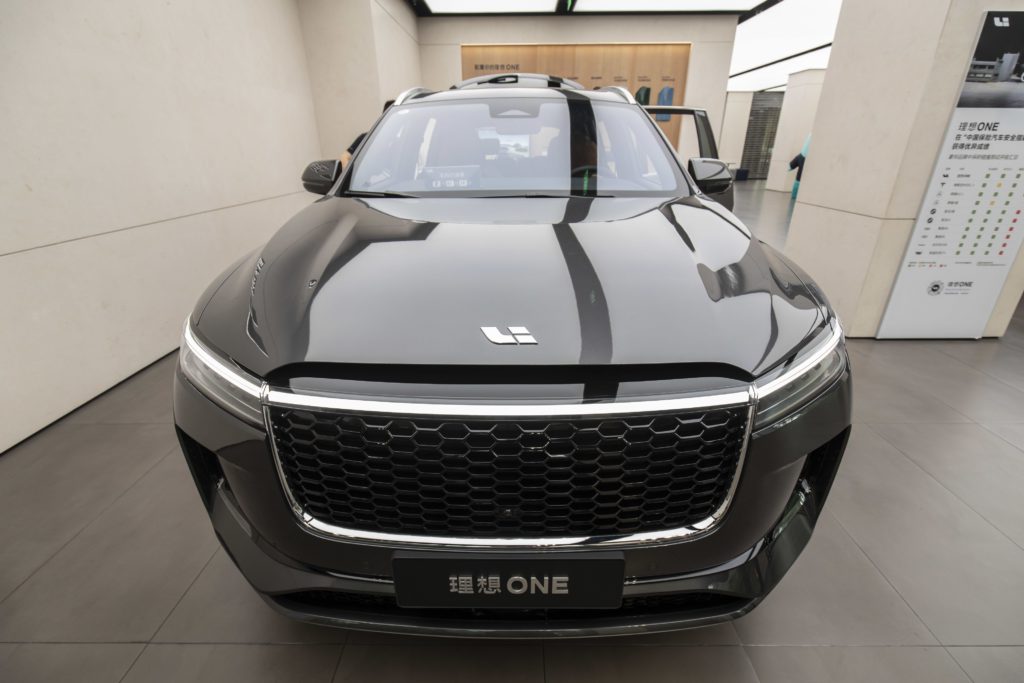
Li Auto’s Heady EV Sales Target Rests on Winning Over Chipmakers

(Bloomberg) — It’s not the best known of China’s US-listed electric car upstarts, but Li Auto Inc. has lofty ambitions — an audacious target of conquering 20% of the world’s biggest EV market, or selling two million cars a year, by 2025. 

To get there will require the Beijing-based maker of luxury e-SUVs to go where no automaker, let alone a startup, has gone before.

“We’re very serious about this 20% and we’re building everything around the target,” President Kevin Shen said in an interview with Bloomberg TV. That includes shoring up the carmaker’s supply chain, developing a more comprehensive vehicle lineup, boosting manufacturing capacity and accessing more funding.

It would seem a challenging goal for the seven-year-old upstart, which only launched its second model last month — a premium SUV — and delivered around 60,000 cars in the first half of 2022.

Li Auto will have to surge past China’s No. 1 new-energy vehicle maker BYD Co., which shipped around 584,000 cleaner cars last year. It’ll also have to outun SAIC-GM-Wuling Automobile Co., whose $5,000 pint-sized EV is a mass-market winner, and Elon Musk’s Tesla Inc., which sold about 320,000 vehicles in the nation in 2021.

Tiny Li Auto would even have to top the world’s best-selling carmaker, Toyota Motor Corp., which delivered 1.94 million automobiles in China last year.

“That’s why releasing more new products into the market is important,” said Shen, who is also Li Auto’s co-founder.

All Price Points

The plan is to have at least two models at every 100,000-yuan point between 200,000 yuan to 500,000 yuan ($30,000 to $74,000), one extended-range electric vehicle (with a gasoline-fueled engine to generate electricity to power the battery) and one pure-battery electric car, all on the market by 2025.

To that end, Shen said he is spending around a fifth of his time working with suppliers, trying to convince, in particular, global chip giants of the company’s sales projections. 

Li Auto is talking directly with chipmakers including Infineon Technologies AG, NXP Semiconductors Inc. and STMicroelectronics NV to secure supplies, rather than solely relying on distributors and component makers, Shen said.

The supply chain is “at least one of the biggest challenges” in achieving the 2 million sales target, he said.

The goal, predicated around Shen’s forecast for new-energy vehicle sales of 10 million in 2025, is grand but Li Auto does have a proven track record of making cars, unlike other Tesla wannabes like China Evergrande New Energy Vehicle Group Ltd., which is yet to mass produce a car three years after saying it would take on Musk.

Plant Capacity

Shen’s vision for overall EV sales in China seems reasonable, considering the China Passenger Car Association estimates sales will top 5.5 million this year, regardless of the extreme disruptions caused by Covid-19 lockdowns.

Read more: China EV Sales Set to Hit Record 500,000 in June as Snarls Ease

Morningstar Inc. forecasts Li Auto can reach sales of more than 540,000 units in 2025, taking close to a 7% share of China’s passenger new-energy vehicle market. 

“We like Li Auto’s precise product positioning,” analyst Vincent Sun said, noting that once it enters into more segments and competition heats up, “other automakers can offer similar value proposition cars.”

Li Auto is also still struggling with some key chip supplies and will continue to face problems given the number of semiconductors required by tech-laden EVs, Shen said. However, prices are coming off their peaks and aren’t “as crazy as last year,” he added.

Meeting the target will also require a steep increase in manufacturing capacity. Li Auto currently has one factory in Changzhou with an annual capacity of around 100,000 cars, and is readying a second factory in Beijing and another in Chongqing in southwestern China.

More Money

To help fuel the expansion, Li Auto will continue to raise money from the market when it “is in good shape,” Shen said. “Economies of scale are very important and we have to be prepared with enough ammunition.”

The automaker last month announced it will raise $2 billion through the sale of American depositary receipts after its shares rallied more than 50% in June. The US-traded stock is up 15% this year, outperforming local rivals Xpeng Inc. and Nio Inc. Li Auto raised a further $1.5 billion via a Hong Kong listing last year.

Other funding options include selling stock or issuing debt, and Li Auto will also work with suppliers and other partners to maximize cash flow, Shen said.

Unlike some of its domestic competitors that have moved to gain a foothold outside of China by exporting batches of cars to Europe, Li Auto has a “slightly different strategy and philosophy,” Shen said.

“We have to figure out how to win before we enter the war, rather than enter the war and then try to figure out how to survive,” he said.

More stories like this are available on bloomberg.com

©2022 Bloomberg L.P.

Twitter CEO Warns Staff of ‘Noise’ Ahead as Company Sues Musk

(Bloomberg) — Twitter Inc. Chief Executive Officer Parag Agrawal warned employees Tuesday that the company’s lawsuit against Elon Musk will create a lot of distractions around the company, encouraging them to stay focused. 

“The coming weeks will be filled with news and noise about this case,” including speculation from the media and analysts, Agrawal wrote in an email. “Some of the coverage will be helpful to explain this complicated process, but a lot of the speculation will be distracting.”

He ended the email, which was filed with the US Securities and Exchange Commission Wednesday, on an encouraging note. “The work all of us do, as individuals and as #OneTeam, impacts people’s lives and comes with deep responsibility and meaning,” he wrote. “Our resilience, collectively, will carry us forward.”

Twitter sued Musk on Tuesday demanding that the Tesla Inc. CEO complete a $44 billion takeover agreement that he signed in late April. Musk is trying to abandon the deal, claiming Twitter has violated the terms of the accord and hasn’t been helpful in sharing information about the number of spam bots on the service. 

Twitter has denied that claim and is asking a Delaware court to force Musk to complete the purchase. 

“Musk apparently believes that he — unlike every other party subject to Delaware contract law — is free to change his mind, trash the company, disrupt its operations, destroy stockholder value, and walk away,” Twitter’s lawyers wrote in the suit. 

More stories like this are available on bloomberg.com

©2022 Bloomberg L.P.
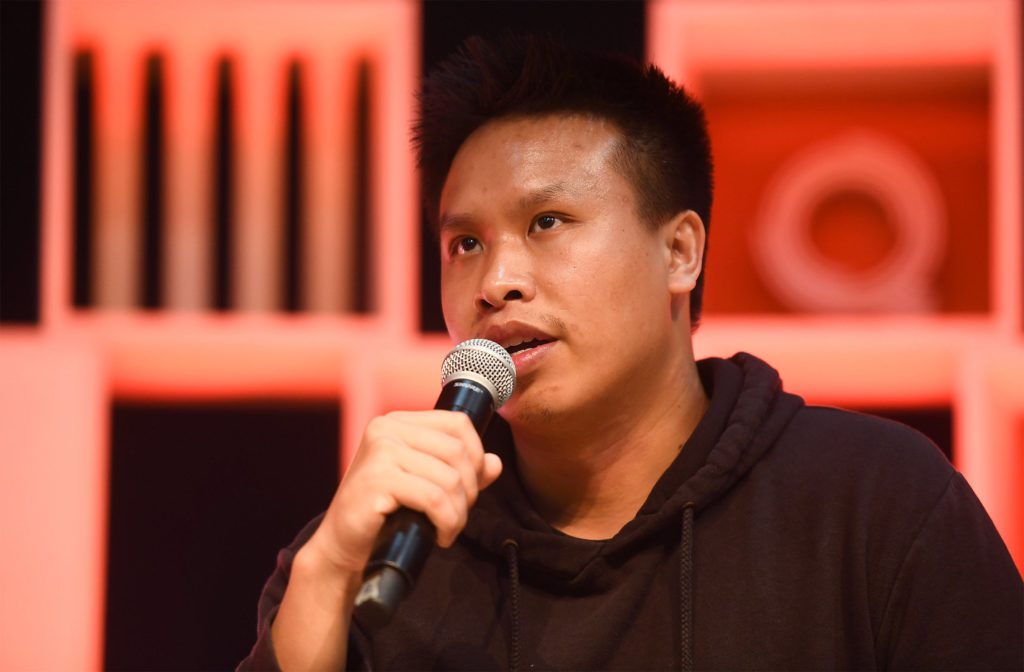
Riot Games Puts Esports Team TSM Owner On Probation for Bullying

(Bloomberg) — Riot Games issued its punishment on Wednesday for a top esports businessman accused of workplace toxicity and bullying.

After an eight-month investigation, Riot Games found Andy Dinh, owner of prominent esports team TSM, guilty of violating the company’s rules around “harassment” and “profanity and hate speech.” Riot Games placed Dinh, 30, on a two-year probation and fined TSM $75,000, which will be donated to an anti-bullying or mental health charity. 

“We believe that there was a pattern and practice of disparaging and bullying behavior exhibited by Dinh,” Riot’s head of North America Esports, Chris Greeley, wrote in the ruling. “This included verbally abusing pro players and TSM staff members and communicating in a demeaning and belittling manner.” The ruling noted that witnesses didn’t recall situations in which Dinh’s reported verbal abuse extended to protected classes. 

TSM operates competitive gaming teams in popular titles like League of Legends and Valorant, which are both produced by Riot Games. Los Angeles-based Riot also operates those games’ associated esports leagues. Dinh has led the organization, which had 51 full-time employees in January, since 2009. Riot Games is owned by China’s Tencent Holdings Ltd. Tencent’s American depositary receipts fell 1.3% in New York.

Forbes named TSM the highest-valued esports company in 2022 at $540 million. In 2021, TSM cut a $210 million naming rights deal with cryptocurrency exchange FTX, which changed its name to “TSM FTX.”  

In a January article in Wired, former employees detailed “mental abuse” they had endured from Dinh for years. TSM launched its own investigation, which in May found that Dinh had perpetuated “no unlawful conduct.” 

Riot Games investigators spoke with 14 people including Dinh. In addition to the fine and probation, Dinh is required to attend sensitivity and executive training. A spokesperson for TSM said neither the team nor Dinh had a comment on the ruling.

The League of Legends Players Association, which helped with the investigation, said it was “pleased to see strong action from Riot” and the League of Legends Championship Series on the matter. “The findings and associated consequences announced today have the potential to ensure a lasting impact on the workplace at TSM that will benefit all their players and staff,” the association wrote in a blog post. 

(Updates with no comment from TSM. A previous version corrected the headline to reflect the owner was put on probation, not suspended.)

More stories like this are available on bloomberg.com

©2022 Bloomberg L.P.
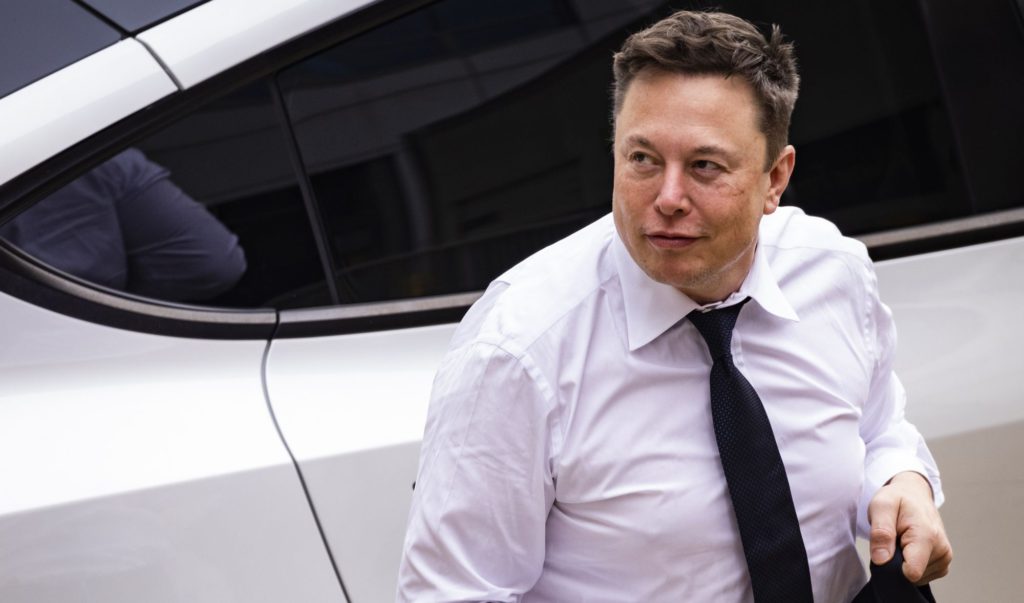
Twitter-Musk Case Assigned to Delaware Chief Judge McCormick

(Bloomberg) — Twitter Inc.’s lawsuit to force Elon Musk to follow through on a $44 million purchase of the social media platform will be handled by the chief judge of Delaware Chancery Court.

Judge Kathaleen St. J. McCormick, who already has taken on investor suits over the teetering transaction, was assigned to Twitter’s suit on Wednesday, according to the court docket. 

Read More: Twitter Says It Can Beat Musk’s Claims in Four Trial Days 

The Twitter suit is bringing world-wide attention to the chancery court, which is known for quickly handling complex merger and acquisition disputes. Delaware is the corporate home to more than 60% of Fortune 500 companies and even attracts cases from outside the US.

McCormick, a former legal-aid lawyer, was appointed to the bench in 2021 by Delaware Governor John Carney, a Democrat. Judicial candidates in the state are screened by a non-partisan board of practicing lawyers.

She already has presided over some big cases, including one brought Venezuela’s current leader challenging the opposition’s appointments to the board of the government-controlled oil company that owns U.S. refiner Citgo Petroleum Corp. McCormick found the appointments were valid.

In one of the Twitter cases she’s handling, an investor wants the company’s board to hand over internal files about Musk’s bid and about his assertion the platform is riddled with spam accounts, known as bots.

McCormick, a native of the tiny Kent County town of Smyrna, graduated from Harvard College and Notre Dame University’s law school. She’s known in Wilmington legal circles as a fervent Notre Dame football fan.

The case is Twitter v. Musk, 22-0613, Delaware Chancery Court (Wilmington).

(Updates with other cases judge has handled.)

More stories like this are available on bloomberg.com

©2022 Bloomberg L.P.
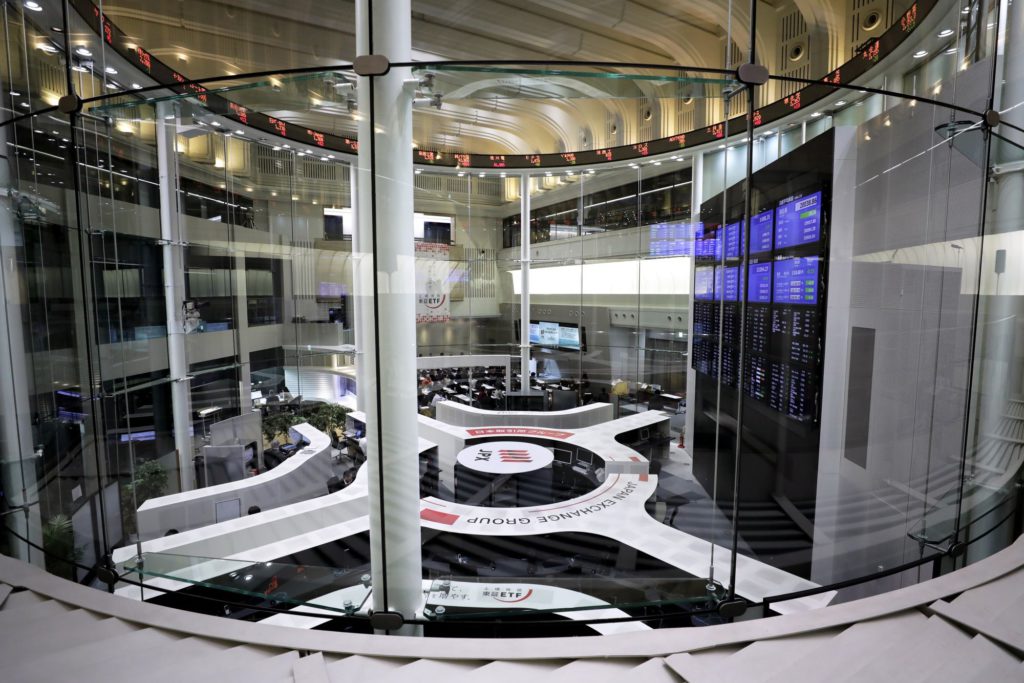
Stocks Buckle Under Hot CPI as Hawkish Bets Surge: Markets Wrap

(Bloomberg) — Stocks finished lower as a shockingly hot US inflation report rattled financial markets, boosting bets the Federal Reserve could get even more aggressive with its belt-tightening campaign.

Amid unnerving swings, the S&P 500 failed to hold gains after reversing a 1.6% slide. Also weighing on sentiment were hawkish signals from Fed Bank of Atlanta President Raphael Bostic, who said “everything is in play” to combat price pressures. Swap markets shifted to price in a full-point hike as more likely than a 75-basis-point increase in July.

Treasury two-year yields, which are more sensitive to imminent Fed moves, climbed. The euro snapped back after briefly falling below $1, while the loonie gained as the Bank of Canada raised rates by a 100 basis points. Bitcoin rose amid a revival of its inflation-hedge appeal.

The biggest surge in US consumer prices since 1981 showed that an inflation peak may still be out of reach. The Fed will likely resort to hawkish rhetoric and further front-loading of tightening as it fights to maintain its credibility, according to Federated Hermes’ Silvia Dall’Angelo.

“The June CPI print is ugly across the board,” wrote Krishna Guha, vice chairman at Evercore ISI. “This is bad news for risk assets as it increases the likelihood that the Fed will keep raising rates rapidly and end up overshooting by enough to push the economy into recession.”

Bank of America Corp. economists forecast a “mild recession this year” in the US, saying services spending is slowing and hot inflation is spurring consumers to pull back. They join Wells Fargo Investment Institute and Nomura Holdings Inc. in expecting a contraction in 2022. Deutsche Bank AG sees one starting in mid-2023.

Read: Fed Report Says Inflation ‘Substantial’ But Signs of Moderating

More comments:

  • “Clearly, we’re not out of the inflation woods yet,” said Mike Loewengart, managing director of investment strategy at E*Trade from Morgan Stanley. “We’re likely in for a bumpy ride in the market.”
  • “The June CPI release was an ugly print, no getting around it,” said Cliff Hodge, chief investment officer at Cornerstone Financial. “The Fed has no choice but to follow through on a more aggressive path, which raises the probability of recession next year.”
  • “The only option available to the Fed is to slow economic growth enough to bring domestic demand down to meet constrained supply — possibly tipping the US into recession,” said Richard Flynn, managing director of Charles Schwab UK.
  • “Inflation keeps heating up, defying expectations for a peak to be reached,” said Seema Shah, chief global strategist at Principal Global Investors. “We see rates moving to 4.25% next year as the Fed desperately attempts to recover from its earlier erroneous inflation read.”

The multi-year market mantra of TINA — there is no alternative to equities — is facing a major threat as bond yields are looking more attractive. The percentage of S&P 500 members with a dividend yield higher than the 10-year US Treasury rate has fallen to the lowest since 2007. Payouts are under pressure as companies grapple with fears of recession, historically high inflation and supply constraints.

In corporate news, Delta Air Lines Inc. fell short of profit expectations in the second quarter and said high operating costs will persist through the rest of the year. Spirit Airlines Inc. agreed to delay a planned shareholder vote yet again on a proposed acquisition by Frontier Group Holdings Inc.

Investors fixated on the looming risk of recession are about to get a crucial read on a question that’s been burning a hole through markets for months: whether bank earnings will show cracks forming in the economy. Net interest income for the six largest US lenders is expected to rise by roughly 15%, while at the same time mortgage and investment-banking revenue is projected to decline, according to data compiled by Bloomberg.

What to watch this week:

  • Earnings due from JPMorgan, Morgan Stanley, Citigroup, Wells Fargo
  • US PPI, jobless claims, Thursday
  • China GDP, Friday
  • US business inventories, industrial production, University of Michigan consumer sentiment, Empire manufacturing, retail sales, Friday
  • G-20 finance ministers, central bankers meet in Bali, from Friday
  • Atlanta Fed President Raphael Bostic speaks, Friday

Will the eurozone avoid a recession or a debt crisis? How will the euro and stocks perform in the next six months? Share your views and participate in the latest MLIV Pulse survey. It only takes a minute, so please click here anonymously.

Some of the main moves in markets:

Stocks

  • The S&P 500 fell 0.5% as of 4 p.m. New York time
  • The Nasdaq 100 fell 0.1%
  • The Dow Jones Industrial Average fell 0.7%
  • The MSCI World index fell 0.4%

Currencies

  • The Bloomberg Dollar Spot Index fell 0.2%
  • The euro rose 0.2% to $1.0060
  • The British pound was little changed at $1.1895
  • The Japanese yen fell 0.3% to 137.32 per dollar

Bonds

  • The yield on 10-year Treasuries declined six basis points to 2.91%
  • Germany’s 10-year yield advanced one basis point to 1.15%
  • Britain’s 10-year yield declined one basis point to 2.06%

Commodities

  • West Texas Intermediate crude was little changed
  • Gold futures rose 0.4% to $1,731.10 an ounce

More stories like this are available on bloomberg.com

©2022 Bloomberg L.P.
Rogers Takeover of Shaw Meets Skepticism; Deal Spread Widens

(Bloomberg) — Investors are casting more doubt over Rogers Communications Inc.’s proposed C$20 billion takeover of Shaw Communications Inc. as last week’s national network failure draws increasing scrutiny from Canada’s industry watchdogs.

The deal spread, the difference between Shaw’s stock price and the C$40.50 a share offer by Canada’s biggest cable and wireless firm, climbed to C$6.17 at the close on Wednesday, its widest point in a month. That’s down from less than C$3 at the start of July as investors price in further risk of the transaction collapsing in the wake of an outage that pushed millions of Rogers customers offline. 

Industry Minister Francois-Philippe Champagne, whose department will make the final decision on the deal, called the network problem “unacceptable” and ordered telecommunications companies to agree to emergency roaming and mutual assistance during future outages. The Canadian Radio-television and Telecommunications Commission, the telecom regulator, ordered Rogers on Wednesday “to respond to detailed questions and provide a comprehensive explanation” for the network outage. 

While the controversy throws Rogers into the middle of concerns around network reliability, the debacle could bolster antitrust czar Matthew Boswell’s argument that putting more power in the hands of one company could further harm competition in the nation’s already narrow telecommunications market. The antitrust agency said in May it opposed one of the country’s largest-ever mergers. As the July 31 closing date looms, uncertainty is seeping in and investors are opting out. 

“Boswell and the bureau are taking a pretty hard line publicly on these issues and, given all the jitters around regulators and the relatively consolidated nature of the Canadian markets, this kind of hard line tone on Shaw’s wireless assets has created jitters,” Jonestrading market strategist Cabot Henderson said in an interview. “The outage has not helped in the court of public opinion.”

Rogers shares have slumped 4.5% since Friday’s outage, while Shaw’s are down 5.8%. At least three analysts, those at Royal Bank of Canada, Bank of Montreal and National Bank of Canada, lowered their price targets on Rogers stock as the company plans to reimburse customers to help mitigate churn.

Even so, analysts remain bullish on Rogers’ prospects of closing the deal. The company previously agreed to sell Shaw’s wireless unit Freedom Mobile to rival Quebecor Inc. in an attempt to soothe the bureau’s concerns. By removing mobile services from the transaction, Rogers is essentially acquiring a cable provider by shuffling off its wireless division to a smaller competitor.

“As for the government’s desire to bring about more facilities-based competition to stimulate pricing options and less reliance on the Big 3 networks, we think the best opportunity it’s seen in years has presented itself with the prospect of Quebecor buying Freedom as part of a remedy solution for the proposed Rogers-Shaw merger.,” NBC Financial Markets analyst Adam Shine said in a note to clients.

(Updates with closing share moves. An earlier version of the story corrected the currency denomination and size and scope of deal spread.)

More stories like this are available on bloomberg.com

©2022 Bloomberg L.P.

Netflix Chooses Microsoft as Partner for Lower-Priced Service With Ads

(Bloomberg) — Netflix Inc. selected Microsoft Corp. as the technology and sales partner for its new advertising-supported streaming service, a key step in its effort to reignite subscriber and revenue growth.

Netflix plans to sell a cheaper, advertising-supported alternative to its flagship streaming service by the fourth quarter of this year. People who already subscribe won’t see the ads — those will be for customers signing up for the new tier.

Netflix long made the absence of ads a major part of its selling point to customers. But slowing growth has forced the company to look for new ways to attract subscribers and new sources of revenue. The company announced plans to enter the advertising business in April after reporting a drop in customers.

Because Netflix set a tight time frame to get the service up and running, management has searched for an outside partner to handle the sales and technology, at least to start. Chief Operating Officer Greg Peters met with potential candidates such as Alphabet Inc.’s Google and Comcast Corp.

With its win, Microsoft will become the exclusive server and seller of ads on Netflix, a company with 222 million subscribers and even more viewers.

“Microsoft has the proven ability to support all our advertising needs as we work together to build a new ad-supported offering,” Peters said in the blog post. “More importantly, Microsoft offered the flexibility to innovate over time on both the technology and sales side, as well as strong privacy protections for our members.” 

Shares Rally

Shares of Netflix gained 1.2% to $176.56 at the close in New York. The stock, once a highflier, is down 71% this year following the company’s prediction for a loss of 2 million subscribers in the just-ended second quarter. Netflix reports financial results on July 19. Microsoft was little changed.

The choice of Microsoft was a surprise to the advertising industry. Google and Comcast had been seen as frontrunners and leaders in the advertising technology and sales space. But both companies operate competing video services.

Microsoft generated $10 billion in advertising sales last year and bought Xandr, AT&T Inc.’s ad business, last December. AT&T had acquired two ad tech companies — AdWorks and AppNexus — and effectively relaunched the group as an advertising business in 2018 under the name Xandr, which was inspired by Alexander Graham Bell.

Xandr is considered an also-ran in video advertising, according to Ari Paparo, who sold his advertising tech company to Comcast and then worked at the cable giant for a couple of years.

“Advertising is not exactly the first thing you think of when you think Microsoft,” Paparo said. “However, they are global, which matters a lot to Netflix. And they aren’t competitive, like Comcast or Google.”

Ad Technology

Microsoft’s Xandr has technology that automates selling and serving ads on a global basis, which is important if Netflix wants to introduce spots in markets around the world, according to Dave Morgan, founder and chief executive officer at Simulmedia, a TV and streaming ad-buying platform.

The partnership also makes sense because Microsoft has made a big investment in video games with Xbox, an area Netflix is exploring, he said.

“I think it’s a smart move,” Morgan said. “It’s become pretty clear since they bought LinkedIn and Xandr that Microsoft has recommitted to the digital ad business.”

Media Partners

Introducing advertising is already posing challenges for Netflix, which offered few details Wednesday on how or if it wants to insert commercials into original series that were shot and edited for an ad-free service. It must also negotiate the right to insert spots into programs it licenses from other companies, which may demand additional payment.

Actors, producers, directors and other media companies that agreed to work at Netflix when it was an ad-free service will need to decide if they are comfortable with a new movie or series airing with commercials.

Yet the opportunity for Netflix is significant, according to media executives. With a couple hundred million customers and a programming budget of more than $17 billion, Netflix has the scale to build a large business. 

Walt Disney Co.’s Hulu generated about $2 billion in advertising sales during the 12-month period that ended in September, according to Kantar. Hulu only operates in the US. With ads, Netflix could boost its revenue in the US and Canada by $1 billion to $3 billion, according to Bloomberg Intelligence. 

(Updates with ad executives’ comment starting in 10th paragraph.)

More stories like this are available on bloomberg.com

©2022 Bloomberg L.P.

Close Bitnami banner
Bitnami
