Bloomberg

Stocks Slump as Hot CPI Boosts Fed Hike Wagers: Markets Wrap

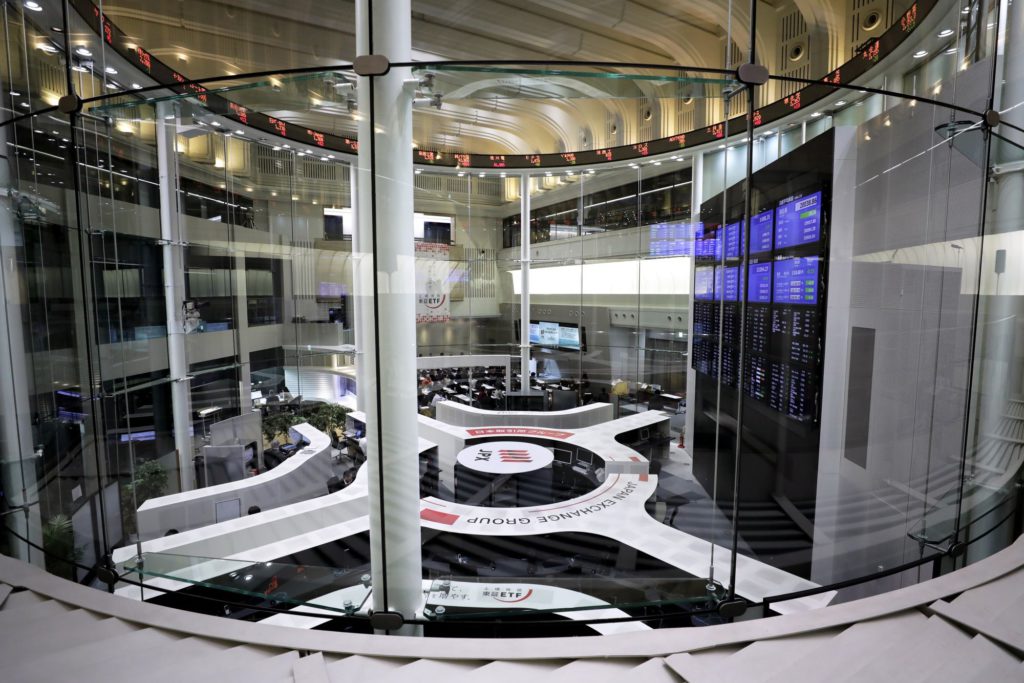
(Bloomberg) — Stocks slumped and bond yields climbed after a hotter-than-expected inflation report bolstered speculation on an aggressive Federal Reserve rate-hike path.

More than 90% of S&P 500 companies were in the red on Wednesday as the largest surge in consumer prices since 1981 showed that a peak in inflation may still be out of reach. The data fueled wagers that the central bank could boost rates by a full percentage point this month — raising the odds of a recession.

Treasury yields jumped, with the two-year rate — which is more sensitive to imminent changes in Fed policy — climbing as much as 16 basis points to about 3.21%. The dollar edged higher, while euro briefly fell below $1 for the first time since 2002.

The June CPI rose 9.1% from a year earlier in a broad-based advance. The widely followed inflation gauge increased 1.3% from the prior month, the most since 2005. Economists projected a 1.1% rise from May and an 8.8% year-over-year increase, based on the Bloomberg survey medians.

Comments on CPI:

  • “The June CPI release was an ugly print, no getting around it,” said Cliff Hodge, chief investment officer at Cornerstone Financial. “The Fed has no choice but to follow through on a more aggressive path, which raises the probability of recession next year.”
  • “Clearly we’re not out of the inflation woods yet,” said Mike Loewengart, managing director of investment strategy at E*Trade from Morgan Stanley. “Another three-quarter percent hike from the Fed is pretty much a forgone conclusion at this point, and we’re likely in for a bumpy ride in the market.”
  • “The only option available to the Fed is to slow economic growth enough to bring domestic demand down to meet constrained supply — possibly tipping the US into recession,” said Richard Flynn, managing director of Charles Schwab UK.
  • “Inflation keeps heating up, defying expectations for a peak to be reached,” said Seema Shah, chief global strategist at Principal Global Investors. “We see rates moving to 4.25% next year as the Fed desperately attempts to recover from its earlier erroneous inflation read.”
  • “Every month we wait for it to peak and are getting disappointed,” said Neil Birrell, chief investment officer at Premier Miton Investors. “Core inflation is the root of the problem, and this probably confirms a 75bps move by the Fed at the next meeting.”

Bank of America Corp. economists forecast a “mild recession this year” in the US, saying services spending is slowing and high inflation is spurring consumers to pull back. The economists expect fourth-quarter US gross domestic product to decline 1.4% from a year earlier, followed by a 1% increase in 2023.

Read: IMF to Cut Global Growth Forecast Again Amid ‘Darkened’ Outlook

The multi-year market mantra of TINA — there is no alternative to equities — is facing a major threat as bond yields are looking more attractive. The percentage of S&P 500 members with a dividend yield higher than the 10-year US Treasury rate has fallen to the lowest since 2007. Corporate payouts are under pressure as companies grapple with fears of recession, historically high inflation and supply constraints.

In corporate news, Delta Air Lines Inc. fell short of profit expectations in the second quarter and said high operating costs will persist through the rest of the year. Spirit Airlines Inc. agreed to delay a planned shareholder vote yet again on a proposed acquisition by Frontier Group Holdings Inc.

Investors fixated on the looming risk of recession are about to get a crucial read on a question that’s been burning a hole through markets for months: whether bank earnings will show cracks forming in the economy. Net interest income for the six largest US lenders is expected to rise by roughly 15%, while at the same time mortgage and investment-banking revenue is projected to decline, according to data compiled by Bloomberg.

Read: Higher Oil Prices Are Poised to Last for Months, If Not Years 

What to watch this week:

  • Earnings due from JPMorgan, Morgan Stanley, Citigroup, Wells Fargo
  • US PPI, jobless claims, Thursday
  • China GDP, Friday
  • US business inventories, industrial production, University of Michigan consumer sentiment, Empire manufacturing, retail sales, Friday
  • G-20 finance ministers, central bankers meet in Bali, from Friday
  • Atlanta Fed President Raphael Bostic speaks, Friday

Will the eurozone avoid a recession or a debt crisis? How will the euro and stocks perform in the next six months? Share your views and participate in the latest MLIV Pulse survey. It only takes a minute, so please click here anonymously.

Some of the main moves in markets:

Stocks

  • The S&P 500 fell 1% as of 9:47 a.m. New York time
  • The Nasdaq 100 fell 1.2%
  • The Dow Jones Industrial Average fell 0.9%
  • The Stoxx Europe 600 fell 1.3%
  • The MSCI World index fell 0.9%

Currencies

  • The Bloomberg Dollar Spot Index rose 0.1%
  • The euro fell 0.1% to $1.0023
  • The British pound fell 0.2% to $1.1871
  • The Japanese yen fell 0.4% to 137.47 per dollar

Bonds

  • The yield on 10-year Treasuries advanced four basis points to 3.01%
  • Germany’s 10-year yield advanced four basis points to 1.17%
  • Britain’s 10-year yield advanced two basis points to 2.10%

Commodities

  • West Texas Intermediate crude rose 0.6% to $96.42 a barrel
  • Gold futures were little changed

More stories like this are available on bloomberg.com

©2022 Bloomberg L.P.

Tesla Loses Out as Elon Musk Girds for Another Legal Battle

(Bloomberg) —

Tesla bulls rejoiced last week when Elon Musk sought to terminate his agreement to buy Twitter. That initial relief has given way to realization the overhang from this ordeal won’t lift anytime soon.

This acquisition has dogged Tesla’s shares from the beginning. There was instant worry the social media platform will divert Musk’s attention away from Tesla and its mission. Fighting for free speech is clearly important to Musk, but it’s also quite a detour from electric vehicles and sustainable energy.

Fears that Tesla’s chief executive officer would have to sell a chunk of his holdings in the carmaker to partially fund the Twitter purchase also were quickly realized when Musk offloaded about $8.5 billion worth of Tesla stock.

In the three months since Musk made his $54.20-a-share offer to Twitter, Tesla has underperformed amid a broader stock rout, shedding just shy of $332 billion of market value. Its CEO is now headed for a potentially protracted legal battle. Ross Gerber, a fund manager invested in both Tesla and Twitter, first celebrated Musk clinching the deal and now calls it a debacle.

Assuming Musk and Twitter are unable to agree to an out-of-court settlement in the meantime, the lawsuit the latter filed Tuesday will take time to work its way through the Delaware Chancery Court. Twitter told staff in a memo Wednesday that it’s asked for the case to be heard on an expedited basis in September.

The odds the two sides will reach an agreement for Musk to pay a cash settlement or reprice the deal seem low, at least based on the position Twitter has staked out since last week. The company has rejected Musk’s allegations that it misrepresented the number of spam bots on its service, vowed to enforce the deal and laid out reasons it believes Musk has operated in bad faith.

Musk also has exhibited a tendency to take on all comers in court. In 2014, long before SpaceX was regularly landing re-useable rockets on drone ships, Musk sued the US Air Force for the right to compete for lucrative military launches. It seemed nuts at the time — since when has an upstart rocket company litigated against the very government it’s seeking contracts with? But the two sides settled the following year, and SpaceX has become a major defense contractor.

In 2019, Musk prevailed in a lawsuit brought by a cave diver who played a role in the rescue of a youth soccer team in Thailand. A jury decided Musk calling the man a “pedo guy” on Twitter didn’t amount to defamation.

And earlier this year, a judge at the same Delaware Chancery Court that will handle the Twitter case ruled in Musk’s favor in a battle with investors over whether he improperly forced fellow Tesla directors to accept an overpriced buyout of SolarCity. All other Tesla board members settled for $60 million.

If there’s a silver lining for Tesla investors in this latest saga, it’s that Twitter is mutually eager for swift resolution. Twitter’s lawyers say they may need only four days in court to prove their case, which the company hopes will start on Sept. 19.

More stories like this are available on bloomberg.com

©2022 Bloomberg L.P.

UK’s IMG Raided Over Top Broadcasters Sports Antitrust Probe

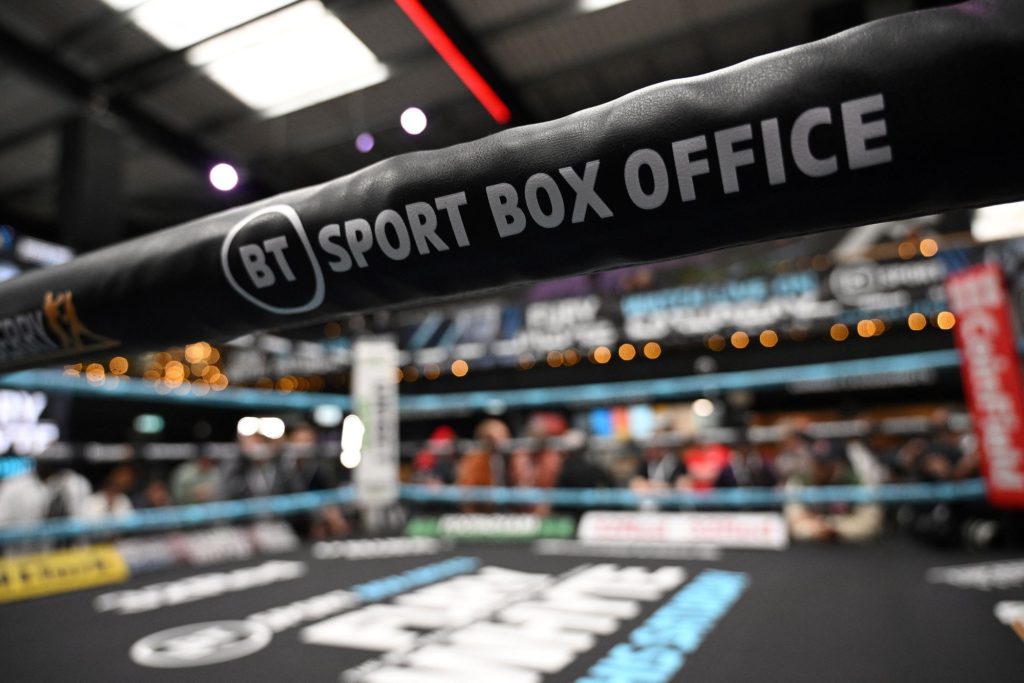
(Bloomberg) — The offices of UK-based IMG Media Ltd. were searched by Britain’s antitrust watchdog as part of a wider probe into how some of the nation’s top sports TV broadcasters and production firms may have colluded to buy freelance services. 

The Competition and Markets Authority said in a statement on Wednesday it had opened an investigation as it “has reasonable grounds to suspect one or more breaches of competition law” by firms also including Sky UK Ltd. and BT Group Plc and ITV Plc.

The investigation looks into the purchase of freelance services which support the production and broadcasting of sports content in the UK, the CMA said.

IMG confirmed its offices were visited by the CMA. “IMG is co-operating with the CMA in its inspection,” a spokesperson said. “No further comment will be made at this time.”

The CMA doesn’t confirm whether it has raided premises during investigations.

Sky declined to comment when asked if they were also raided but said it’s cooperating fully with the authority.  ITV said in a statement that it’s committed to complying with competition law and is cooperating with the CMA. 

BT Group said in a statement it’s reviewing the details of the probe but will be “co-operating fully with the CMA.” 

“It is clear that CMA’s investigation is focused very specifically on the purchase of freelance services and not any other aspects of the BT Sport or wider BT Group business,” the company said.

SEE: BT’s Sport TV Deal With Warner Bros. Discovery Gets UK Probe

(Updates with comment from IMG in the fourth paragraph)

More stories like this are available on bloomberg.com

©2022 Bloomberg L.P.

Venture Capitalists Face a Reckoning as Funding and Deals Slow

(Bloomberg) — Venture capitalists are reckoning with their worst quarter in almost a decade as economic uncertainty and lackluster returns have prompted investors to hold back following the startup funding boom in 2021.  

Global funding to startups fell 23% in the the second quarter from the first, to $108.5 billion, according to a recent report from CB Insights. While the US drove almost half of all funding  — $52.9 billion — that was still down 25% from the previous quarter and marked its lowest funding amount since 2020. The report indicates that the drubbing the crypto and public markets have taken in recent weeks is affecting private companies as well.

The number of deals fell 15% globally, a decline that corresponds with a sharp drop in the number of investor exits, which fell 16% in the quarter, as fewer startups are going public than in the previous quarter and fewer are achieving so-called unicorn status with a valuation of more than $1 billion. The number of M&A deals fell by 16%, the lowest in six quarters.

The slowdown in funding is driven by economic concerns and declines in tech stocks, said Sharla Grass, a principal at the VC firm Greycroft. “We are broadly seeing this across the market.”

Venture firms including Sequoia Capital and Lightspeed Venture Partners warned their portfolio companies in May that they should prepare for the end of the good times, after a decade of money flowing at increasing volumes. Sequoia’s investors pointed to a looming, drawn-out recession and called it a “crucible moment” —  a prediction reminiscent to the firm’s “RIP Good Times” memo in 2008. Sequoia told founders to “do the cut exercise,” meaning to look at their spending and find places where they could lower expenses on short notice if needed. 

The tech investing climate has changed dramatically in recent months. After a short period of uncertainty at the beginning of the Covid-19 pandemic, startup investing activity shot upward, fueled by a newly remote world. That frenzy led to unprecedented levels of money funneled into startups in 2021. By early 2022, so many companies were raising funds at valuations of $1 billion or more that a new unicorn was minted about twice a day. In the second quarter, the number of new unicorns dropped by 43% to 85.

The top new unicorns in the second quarter were KuCoin, a global cryptocurrency exchange valued at $10 billion, and Elon Musk’s Boring Co., valued at $5.7 billion.

Venture capital firms aren’t necessarily short on cash, with the US industry raising $73.8 billion in the first quarter, more money than in any other previously announced three-month period and more than the total for most full years. Even so, big-name investors are being more conservative in funding rounds. The number of so-called mega-rounds, with funding of more than $100 million, fell 31% in the second quarter from the first, the lowest level since 2020.  

“We’re seeing VCs increasingly advising companies seeking funding that if they have sufficient runway, it may be optimal to wait until the market returns to a more predictable,normal state,” Grass said.

Early-stage investments account for a majority of deals so far this year, or 64% globally. Investors want in early before the company has expanded to its full potential to make maximum returns on their investments. 

The report also highlighted the continuing growth in startup activity in Denver, which saw investment jump by 111% during the second quarter. The city emerged as a technology hub during the pandemic, attracting $3.9 billion in funding in 2021 and $2.8 billion in the first half of 2022. Denver-based startups such as HR management platform Velocity Global and energy solutions company Crusoe Energy Systems Inc. received a collective investment of $750 million last quarter. 

More stories like this are available on bloomberg.com

©2022 Bloomberg L.P.

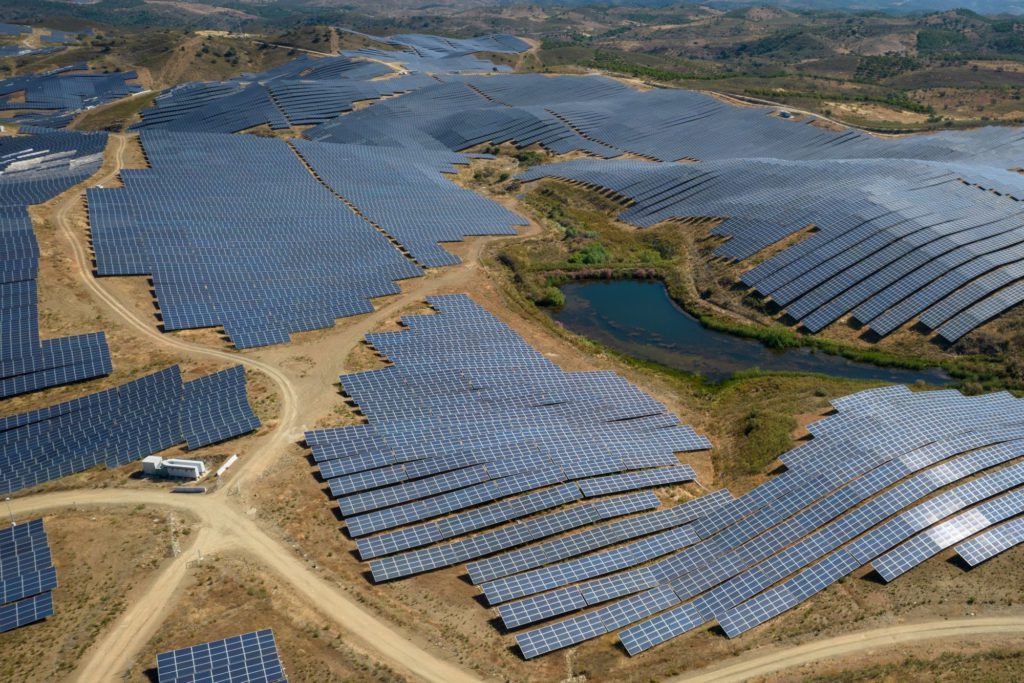
Green Tech Boom Threatened as Solar Prices Surge to Decade High

(Bloomberg) — The price of a key material for solar panels rose for the seventh straight week, threatening to slow clean energy installations critical to the world’s efforts to achieve climate targets.

Prices of polysilicon, the ultra-conductive metal used to make solar panels, have surged to the highest level since 2011. The increases are rippling through the solar supply chain, with panel prices beginning to rise this week after holding steady for two months, Solarbe analysts said in a research note.  


Higher costs could derail projects and slow clean energy adoption. Longi Green Energy Technology Co., the world’s largest solar company, believes the industry is at the threshold of price levels that would no longer be acceptable to developers, Morgan Stanley analysts said last week.

“If polysilicon prices continue at a high level, all ground utility-scale projects will be stalled,” Solarbe analysts said.

The surge began last year, as countries including China boosted clean energy installations to meet climate goals. Demand for polysilicon rose faster than companies could build new factories to produce it. The problem has been compounded this summer after a fire reduced output at one factory and several others shut down for planned maintenance. 

“All this interest in solar has increased demand right at this time when polysilicon supply is struggling, so polysilicon prices continue to go up,” said Martin Green, a professor at the University of New South Wales.

Relief may come later this quarter, with production expected to ramp up and ease supply tightness, Yali Jiang, an analyst at BloombergNEF, said in a note.

The average cost of the most expensive grade of polysilicon rose 1.1% to 294.9 yuan ($43.87) per kilogram on Wednesday, Solarbe reported, citing a statement from the China Silicon Industry Association. A separate index from PVinsights showed prices hitting the highest level since late 2011. 

More stories like this are available on bloomberg.com

©2022 Bloomberg L.P.

Blackstone’s King of Hedge Funds Shakes Up Its Lagging Business

(Bloomberg) — When Blackstone Inc. recruited Ivy League endowment manager Joe Dowling to make its lumbering hedge fund division more competitive last year, it took pains to minimize any appearance of drama.

Within a year, Dowling’s co-head atop the unit left. So, too, have other senior staff, by choice or pushed out, as Dowling made big hires. Clients including pensions noticed all the turnover, and some have raised questions.

What’s afoot is an effort by a new generation of Blackstone leaders to overhaul an $80 billion corner of the firm that has long operated in the shadows of its gargantuan private equity and real estate operations. The division known as BAAM — for Blackstone Alternative Asset Management — ranks as the world’s biggest hedge fund investor, yet its performance hasn’t measured up for the firm’s leaders.

Clients pulled money in each of the past three years. With other parts of Blackstone swelling, the unit’s assets under management made up just 9% of the firm’s total in the first quarter, down from about 22% a decade ago.

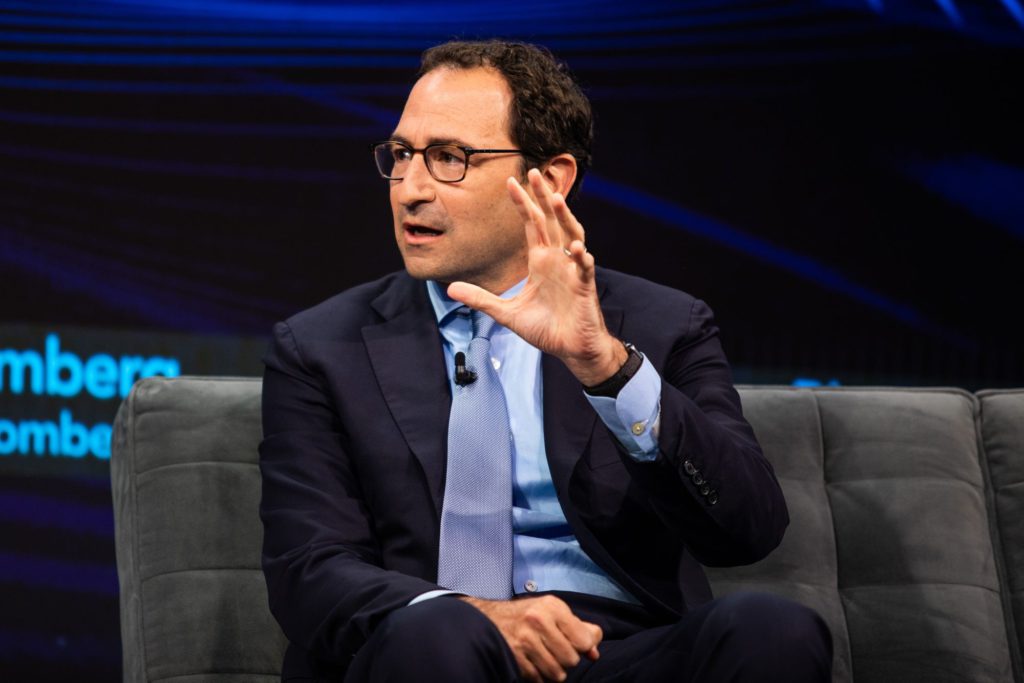
“This should be a much larger business than where it is today,” Blackstone President Jon Gray said in an interview. 

Gray has enlisted Dowling, 58, to jolt returns, an assignment that looks all the more formidable amid this year’s market slump, with the S&P 500 clocking its worst first-half loss since 1970.

Yet BAAM’s biggest business — creating packages of hedge funds for clients — is so far defying that trend. It eked out a 1.3% gain, its biggest outperformance of markets since the 1990s, according to people with knowledge of the matter. And since the start of 2021, around the time that Dowling arrived, the division has notched an 8.6% net gain, beating both the S&P’s 3% total return as well as benchmarks tracking hedge funds, which are underwater.

With the spotlight on Dowling, the next test will be whether the team he’s building can continue the streak through turbulent markets. If he succeeds, it will bolster the clout of a new generation of Blackstone leaders.

This account is based on conversations with more than 20 current and former employees, investors and others close to the New York-based firm, many of whom asked not to be identified discussing confidential information. 

In Dowling, Gray saw an unconventional money manager who transformed Brown University’s underdog endowment into the top performer in the Ivy League by the time he stepped down about two years ago. He’s a sports enthusiast with a fondness for self-improvement books. At Brown, Dowling gained a reputation for his unusually aggressive approach to going beyond the numbers when vetting outside managers, getting to know their families and personal lives.

At Blackstone, he’s reshaping a business that’s more than 10 times larger. Its mainstay is assembling portfolios of hedge funds, but it also seeds new hedge funds, buys stakes in private equity firms, runs a mutual fund and invests in deals alongside other money managers.

He’s trying to do it amid treacherous markets that have humbled once-high-flying firms including Tiger Global Management, D1 Capital Partners and Melvin Capital Management — all three of which held money from BAAM.

This year’s swings may provide opportunities for hedge funds, and “could be an incredible investment environment for BAAM,” Gray said.

‘Not Satisfied’

The hedge-fund unit wasn’t originally designed to serve customers. Blackstone established it in 1990 to manage executives’ money. But as clients clamored for access, the firm relented, letting in pensions, endowments, family offices and wealthy individuals. For years, the division kept amassing assets and pulling in fees under former Lehman Brothers co-Chief Executive Officer Tom Hill, the wheeler and dealer-turned-billionaire who’s credited with inspiring the look of Gordon Gekko in the movie “Wall Street.”

Despite that image, BAAM’s executives tended to shun the sort of high-profile transactions that regularly drew headlines about Blackstone’s other divisions. Executives viewed their main offering as a replacement for bonds, where steady gains are prized above sizzling returns — a throwback to the original meaning of “hedge” fund.

Hill stepped back from running the business in early 2018 and John McCormick assumed his duties. Gray, 52, succeeded Tony James as president weeks later, taking a more hands-on approach to BAAM. He encouraged the division to be less hidebound, more active and ramp up direct investing. He also pushed it to adopt Blackstone’s embrace of “megathemes,” such as life sciences and technology, to capitalize on fast-growing parts of the economy, as well as favored sectors such as housing and travel. 

When searching for a new investment chief a few years later, Gray told potential candidates that BAAM wasn’t growing as quickly as expected and needed to take better advantage of the firm’s intellectual capital.

After reading a newspaper article on Dowling’s unconventional approach to picking hedge funds at Brown, the pair met at a restaurant on Manhattan’s Upper East Side two years ago. The candidate, once co-captain of Harvard’s squash team, struck a different tone from his short-time co-head, McCormick, a former McKinsey consultant with a dry sense of humor.

“This is someone who is clearly not satisfied with the status quo,” Gray recalled.

Since arriving at Blackstone, Dowling’s competitive streak has become well known around the office. He has compared sleep statistics collected from his smart ring with David Blitzer, the firm’s head of tactical opportunities, to see who rests better at night.

Dowling is also known for his enthusiasm for sports analogies. Investing, he said in an interview, is like scoring points.

“You are going to miss some shots,” he said. “But you are going to hopefully make more shots than you miss and win the game at the end of the day.”

Shifting Bets

Dowling is taking a lot more shots. He added dozens of outside hedge funds to the firms’ roster, reducing concentration. He placed money, for example, with Atreides Management, a “crossover” investor in public and private markets, and Islet Management, a small firm known for block trading, an area of finance that has come under regulatory scrutiny. He also ramped up co-investing with other Blackstone units, dialed down various portfolios’ credit exposure and layered on more equities. 

Some of BAAM’s bets haven’t panned out. Equity hedge funds that gained last year are down in 2022. And growth equity, which makes up about 8% of Blackstone’s portfolios of hedge funds, has fallen particularly hard in this year’s tech selloff.

BAAM invested in Gabe Plotkin’s Melvin Capital after that hedge fund was crushed by a short squeeze during the meme-stock mania of early 2021. In May, with losses continuing to mount, Plotkin opted to close the firm — and Blackstone executives fielded investor questions about lessons learned.

Horizon, a new Blackstone-run crossover fund that bets on public and private growth companies, was down about 17% as of April, fueled in part by declines in China-based firms JD Logistics Inc. and Didi Global Inc., the ride-hailing giant under scrutiny by Beijing. 

The fund was meant to initiate a push into growth products. But Blackstone, concerned about lofty valuations, didn’t make new private investments from July to December last year, and it has deployed just half of the $2 billion committed so far. Investors expect the firm to use the rest of that dry powder to take advantage of the market swoon and recoup losses.

Conceding they came into growth at the top of the market, executives told Horizon investors in recent months they will wait until private company valuations reset before they get comfortable investing more there. Going forward, Blackstone will continue to pursue opportunities in China, but be mindful it needs to be compensated for regulatory risk.

Gray and CEO Steve Schwarzman, 75, have both put money in Horizon.

Employee Exits

Since January, Gray and Dowling have made BAAM a part of Blackstone’s Monday meetings with the company’s most senior management — a ritual featuring debate and pointed questions from the top. Schwarzman, whose golden rule is “don’t lose money,” is present to keep tabs, and every other week Dowling moderates a brisk conversation about BAAM. The division’s employees and those in supporting roles — about 400 people — can tune in. Most do.

“That’s transparency,” Dowling said. “They can see what Steve’s asking, what Jon’s asking.” 

In the same spirit, he recently moved the desks of the team that seeds hedge funds to encourage communication, and he’s convened internal roundtables.

It has been a rocky adjustment for some staff.

A third of BAAM’s roughly dozen partners left since the start of last year, and so have personnel, taking advantage of an era of job openings across Wall Street. Some departing staffers were encouraged to go. Others disagreed with the direction of the unit, the focus on thematic investing or the frequency of meetings with senior management. Some questioned whether Blackstone had strayed too much from its view of hedge fund of funds as a replacement for bonds. 

The view inside the C-suite hasn’t changed, people familiar with the matter said.

The most high-profile exit came in late 2021, when Dowling’s co-head, McCormick, a 17-year-veteran at Blackstone who helped grow fee streams and products at BAAM, shocked associates by saying he wanted to focus on teaching and do something more entrepreneurial. Other departures included Min Htoo, head of special situations investing, and Michael Pierog, who led hedge fund seeding.

R.V. Kuhns & Associates, a pension adviser, recommended vigilance. 

“RVK would not be surprised to see additional turnover within BAAM over the next several quarters as individuals who may have been loyal to prior leadership or who feel marginalized by new leadership seek out other opportunities,” the consultant wrote in a note to clients.

In June, the City of Norwalk Municipal Employees’ Pension Board grilled Blackstone about whether to expect more turnover. Afterward, the pension decided it wasn’t comfortable with the changes and asked to redeem $20 million from an equity hedge fund strategy.

New Playbook

Meanwhile, Dowling has been recruiting. Since his arrival, BAAM has added 20% more investment professionals. The division’s headcount is now higher than ever. 

He installed David Ben-Ur as investment chief for the group’s hedge fund of funds. Ben-Ur brought over his team from CAM Capital, as well as the firm’s client, Bruce Kovner’s family office. Ben-Ur has been dialing up macro, commodities and quant hedge funds, strategies seen as less reliant on markets rising.

Atish Nigam, tapped from David Tepper’s Appaloosa Management, now leads the special situations business and has been cutting back on risk.

Gray said BAAM’s performance speaks for the unit’s ability to deliver steady returns through up or down markets.

The stress of the job and the changes aren’t for everyone, Dowling said. “That goes with a high-performance culture.” 

The most important goal, he said, is to achieve a high-quality return. “If you handle that, everything else takes care of itself.”

More stories like this are available on bloomberg.com

©2022 Bloomberg L.P.

Indonesia to Temporarily Halt Sending More Workers to Malaysia

(Bloomberg) — Indonesia will temporarily stop sending more workers to Malaysia, demanding that its neighbor commit to agreements between the two nations to resolve labor issues.

“We have agreed to use the One Channel System for placement of Indonesian workers, but Malaysia still has multiple hiring channels,” Rendra Setiawan, director for the placement and protection of Indonesian migrant workers, said by phone on Wednesday. That makes it hard for the government to monitor and protect migrant workers, he said.

Malaysia, which relies on migrant labor from countries including Indonesia, continues to struggle with shortages of workers in key sectors including palm oil, manufacturing and semiconductors. Both nations have two agreements in place aimed at ensuring protection for Indonesian migrant workers, said Setiawan. 

“There are also issues such as labor wages, which have not been paid for years,” Setiawan said. Such problems prompted the Indonesian ambassador for Malaysia to recommend suspending orders for new workers and the ministry will follow up with a formal letter soon, he said. 

Malaysia’s Ministry of Human Resources will hold a discussion with the Ministry of Home Affairs following the decision by the Indonesian government, according to a statement from the Ministry of Human Resources late Wednesday. The talks will address issues related to the intake of Indonesian workers into the country, the ministry said. 

More stories like this are available on bloomberg.com

©2022 Bloomberg L.P.
Here Are the Best and Worst Countries for Remote Work

(Bloomberg) — When it comes to picking best remote working destinations, tropical, low-cost locations like Bali or Bangkok might spring to mind first. In fact, European countries dominate. 

Germany is the top ranked country for remote working, followed by Denmark and the US, according to cybersecurity software firm NordLayer. European countries make up the remainder of the top 10, aside from Singapore which ranks ninth.   

“The trend is clear — ever since the beginning of Covid-19, remote or hybrid work has become inevitable even in those companies that previously preached the importance of face-to-face interactions,” says Juta Gurinaviciute, chief technology officer at NordLayer. 

The ranking of 66 countries is based on four key criteria: cybersecurity; economic and social conditions including health care and English proficiency; digital and physical infrastructure, and Covid-19 response. The “least ideal” country for remote work is Algeria, the firm said. 

For cybersecurity, European countries, particularly smaller ones like Lithuania, Estonia and Slovakia are safest, according to NordLayer.   

On digital accessibility, South Korea, which ranks 11th overall, has the fastest internet while 37th-placed Israel’s is the most affordable.

More stories like this are available on bloomberg.com

©2022 Bloomberg L.P.

You’ve Been Served Via NFT: Court Gives OK to Sue on Blockchain

(Bloomberg) — In Britain, you can now use the blockchain to sue someone.

A UK judge gave the go-ahead to serve legal documents — the process of bringing a lawsuit to a person’s attention — over the blockchain ledger by a nonfungible token for the first time, according to court documents made public this week. 

An NFT is a line of code on the blockchain that confirms unique certificates of authenticity. They’re typically used to prove ownership of a piece of digital art.

The ruling comes from a case brought by Fabrizio D’Aloia, founder of an online gambling company, who’s suing cryptocurrency exchange Binance Holdings and other platforms. D’Aloia filed the claim after his crypto assets were fraudulently cloned on the brokerages.

The court also ruled that the exchanges were responsible for ensuring stolen crypto is not moved or taken out of their systems.  

The service will now take place by airdropping the lawsuit documents via NFT into two wallets that were originally used by D’Aloia and stolen by the fraudsters. This paves the way for victims of crypto fraud to sue unknown crooks in the UK, law firm Giambrone & Partners LLP said.

A US court made a similar move to authorize service via an NFT in June. 

(Updates with an explanation of a nonfungible token in the third paragraph)

More stories like this are available on bloomberg.com

©2022 Bloomberg L.P.
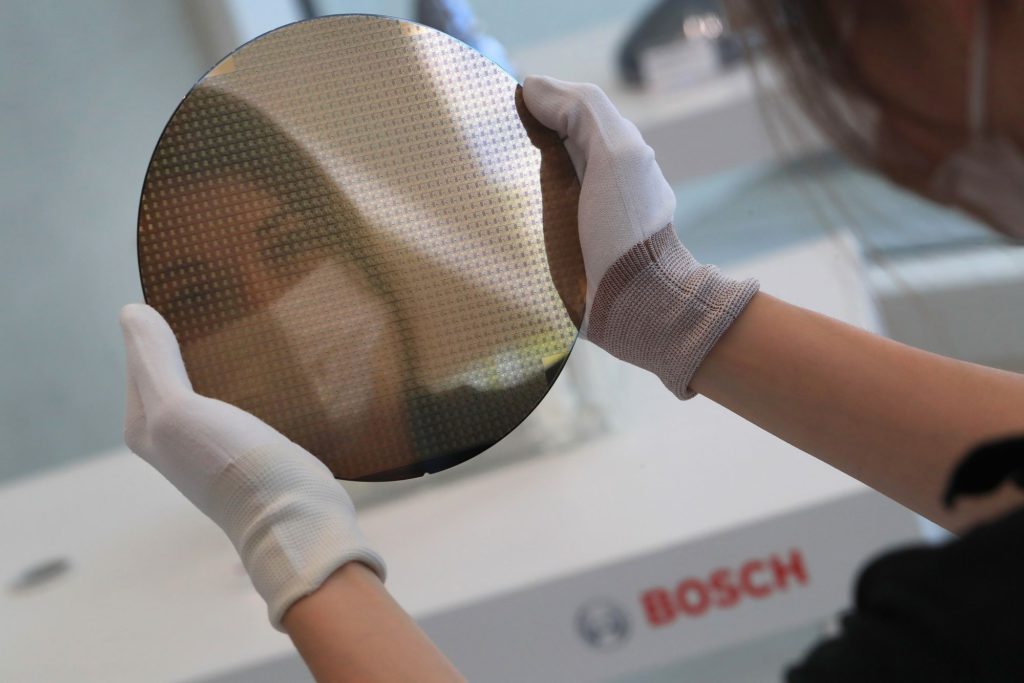
Bosch to Spend $3 Billion to Bolster European Chip Supplies

(Bloomberg) — Germany’s Robert Bosch GmbH is making a bigger bet on semiconductors with plans to spend 3 billion euros ($3 billion) to help ease a worldwide shortage of computer chips that has crimped vehicle production. 

The auto-parts supplier said Wednesday it will make the investment by 2026 as part of European Union and German government efforts to double Europe’s share of global chip output to 20% by the end of the decade. 

The US government also has stepped up calls to boost domestic production after supply constraints sparked by the pandemic heightened risks of over-reliance on Asian imports.

“We’re gearing up for continued growth in demand for semiconductors,” Bosch Chief Executive Officer Stefan Hartung said in a statement.

It’s the latest move by Bosch to expand chip production after it spent 1 billion euros on a new wafer plant in the Dresden, Germany, that opened in June of last year. The additional semiconductor supply will be used not only in cars and trucks, but also for a number of other applications from household appliances to wearable technology, Bosch said.


More stories like this are available on bloomberg.com

©2022 Bloomberg L.P.
Close Bitnami banner
Bitnami