
Bloomberg

Tesla Falls on Plan to Cut Output of EVs at Shanghai Factory

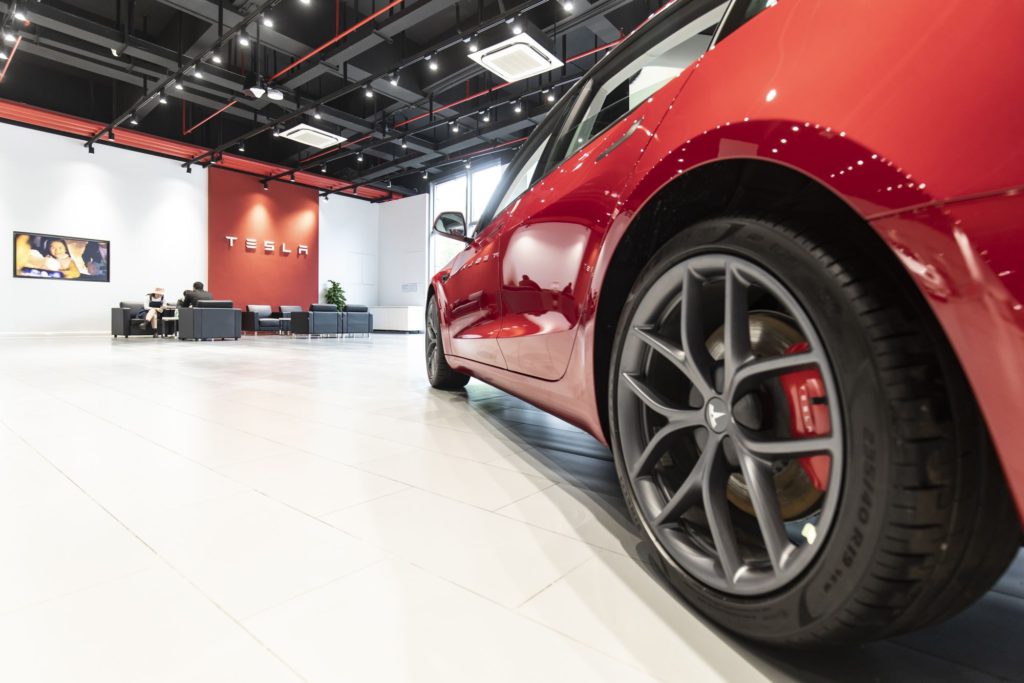
(Bloomberg) — Tesla Inc. plans to lower production at its Shanghai factory, according to people familiar with the matter, in the latest sign demand in China isn’t meeting expectations. The company’s shares fell in early trading. 

The output cuts will take effect as soon as this week, said the people, who asked not to be identified because the information isn’t public. They estimate the move could reduce production by about 20% from full capacity, which is the rate at which the factory ran in October and November.

The decision was made after the automaker evaluated its near-term performance in the domestic market, one of the people said, adding that there’s flexibility to increase output if demand increases.

A Tesla representative in China said Tuesday that plans to cut output were “untrue,” declining to elaborate. Shanghai Securities News, citing unidentified people familiar with the company, reported late Monday the planned cut in the Chinese plant’s production is “false information.” 

The carmaker’s shares fell 4.6% to $185.83 as of 9:58 a.m. in New York. The stock is down about 47% this year.

The trimming marks the first time Elon Musk’s EV maker has voluntarily reduced production at its Shanghai plant, with previous reductions caused by the city’s two-month Covid lockdown or supply chain snarls. Recent price cuts and incentives such as insurance subsidies, along with shorter delivery times, suggest demand has failed to keep up with supply after an upgrade doubled the plant’s capacity to about 1 million cars a year.

Read more: Tesla Revamps China Marketing Strategy as Rivals Lure Customers

Tesla’s China deliveries were a record 100,291 in November, China’s Passenger Car Association said on Monday, as lead times for the Model 3 and Model Y — the two vehicles Tesla makes in Shanghai — shortened markedly, another sign the factory is pumping out more cars than it’s selling.

Any Model 3 and Model Y ordered in China today should be delivered within the month, Tesla’s website shows, down from as long as four weeks in October and up to 22 weeks earlier this year. The Shanghai factory mainly serves the Chinese market, although some cars are exported to Europe and other parts of Asia.

Full production capacity at the Shanghai factory is around 85,000 vehicles per month, Junheng Li, chief executive officer of equity research firm JL Warren Capital LLC, said in a Nov. 22 note. “Without more promotions, new orders from the domestic market will likely normalize to 25,000 in December,” she said, adding that increased production couldn’t all be absorbed by exports.

Tesla is facing intensifying competition from local automakers such as BYD Co. and Guangzhou Automobile Group, which are raising prices in the world’s largest EV market. BYD posted a ninth consecutive month of record sales in November, with deliveries topping 230,000, including almost 114,000 pure-electric models.

This has contributed to Tesla — which has long eschewed incentives and traditional advertising — deciding to offer extended insurance subsidies, reinstating a user-referral program and even advertising on television.

Tesla’s reliability also is back in the spotlight after two recalls in China in the past month that required both over-the-air software fixes and some vehicles to be returned for maintenance. A recent fatal crash involving a Model Y that killed two people has again sparked discussion of Tesla’s safety record.

(Updates with Tesla response in fourth paragraph.)

More stories like this are available on bloomberg.com

©2022 Bloomberg L.P.
Tycoon Chey Set to Keep Control of Giant SK Group After Divorce

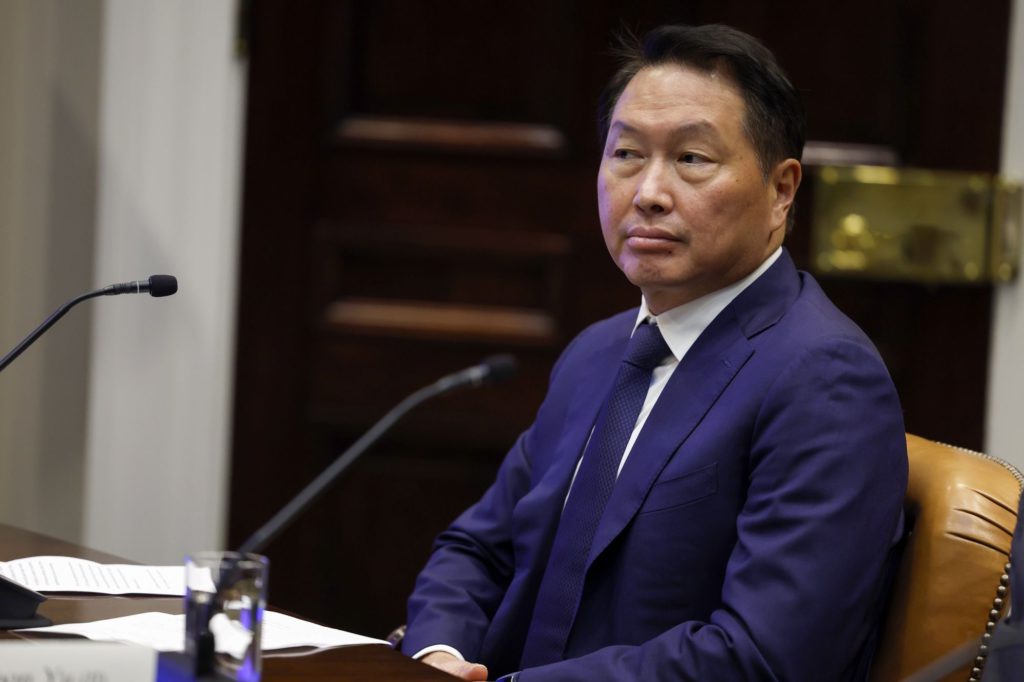
(Bloomberg) — South Korean tycoon Chey Tae-won is poised to retain control of conglomerate SK Group following his divorce from Roh Soh-yeong.

In a first court ruling, a judge awarded Roh 66.5 billion won ($50 million) and 100 million won in alimony. The court rejected her claim for a stake in SK Inc., the holding company that controls the group’s business interests spanning memory chips to telecommunications. 

Chey, 62, will keep 17.5% of SK. He was worth $2.6 billion as of Monday’s close, according to the Bloomberg Billionaires Index. 

Chey met Roh, the daughter of former President Roh Tae-woo, while studying at the University of Chicago. They married in 1988 and had a son and two daughters together.

In 2015, Chey revealed he had a child with another woman, and two years later, he sought a divorce settlement mediated by a court. As the couple failed to reach an agreement, the case went back to court, and in 2019 Roh filed a lawsuit demanding 42.3% of Chey’s stake in SK. She also asked for 300 million won in alimony. 

Chey has led SK Group since the 1998 death of his father, Chey Jong-hyon, the brother of the late founder. Under him, SK Group overtook Hyundai Motor Group to become the country’s second-largest conglomerate with 292 trillion won in assets this year, just behind Samsung Group, according to data compiled by the Korea Fair Trade Commission. Chey also ventured into new areas and in 2012 acquired Hynix Semiconductor, the memory-chip maker that’s now SK Hynix Inc., a giant with $45 billion in market value. 

At its peak in 2017, Chey’s net worth topped $5.1 billion. In 2014, he ranked as South Korea’s fourth richest person. 

SmileGate Holdings’ Kwon Hyuk-bin, whose wealth is estimated at $5.4 billion, is also facing an expensive breakup. His wife requested a court last month to ban Kwon from selling his shares in the gaming company until a divorce is finalized. 

While Chey’s split won’t reshape the wealth rankings, some recent high-profile breakups have. MacKenzie Scott, with a $21 billion fortune, became one of the world’s wealthiest women — and one of the most prolific philanthropists — after divorcing Amazon.com Inc.’s Jeff Bezos in 2019. Melinda French Gates is now worth $11.2 billion after breaking up with Bill Gates last year. 

–With assistance from Jack Witzig.

More stories like this are available on bloomberg.com

©2022 Bloomberg L.P.
Xi Hails Jiang as Leader Who Stood Up to West After Tiananmen

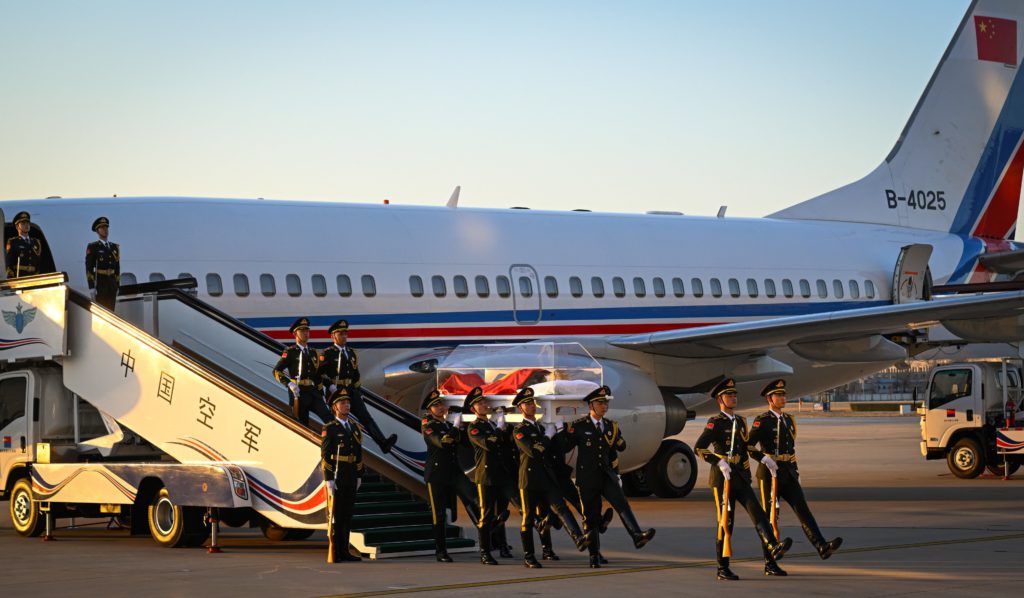
(Bloomberg) — President Xi Jinping praised Jiang Zemin as a leader who led China’s boom despite Western pressure and domestic turmoil after the Tiananmen crackdown, using his predecessor’s memorial service to bolster his own assertive agenda. 

Xi credited Jiang, who took power right after Chinese troops crushed pro-democracy demonstrations in Tiananmen Square in 1989, with carrying out the Communist Party’s “correct decision” to resolve what he described only as a “severe political disturbance.” While Xi’s remarks Tuesday reiterated the party’s view on the incident, it also served as warning in light of protests that have sprung up in recent weeks to challenge Xi’s Covid Zero policies.

“Some Western countries imposed so-called sanctions against China, posing unprecedented difficulties and pressure for the development of China’s socialism,” Xi recounted for party leaders assembled in the Great Hall of the People in Beijing, draped with black instead of the usual red. 

“At this critical historical juncture that determined the future and destiny of the party and state, comrade Jiang relied on the central collective leadership of the CPC and firmly relied on the full party, entire military, and the Chinese people of all ethnic groups to unswervingly take economic development as the central task,” Xi said, wearing a black suit with a white flower on his lapel. 

The memorial for Jiang comes at challenging time for Xi, with his government facing calls at home and from abroad to loosen virus restrictions that have stifled daily life and hurt the economy. The protests against the policies were the most widespread China has seen since 1989, and during at least one event in Shanghai last month demonstrators called for Xi and the party to step down. 

Jiang, who led the country from 1989 to 2002, oversaw China’s global reemergence during the 1990s and paved the way for its pivotal entry into the World Trade Organization. While he sought to convey openness and accessibility and played down China’s gathering military might, Xi has led the country toward a more confident, assertive stance. 

Xi’s speech Tuesday highlighted echoes of his own agenda in Jiang’s legacy, from challenging “separatist” forces to “fighting corruption.” He also credited Jiang with pushing for a “multipolar world,” echoing Xi’s view of the US as a declining hegemon that must let China play a bigger role.

Jiang Zemin, Who Led China’s Boom After Tiananmen, Dies at 96

“Dare to fight and dare to win is the great spiritual power for the CPC and China,” Xi said, citing Jiang as saying: “The confrontations and fights — domestic and abroad — between the different social systems and ideologies, is always testing party members. We must be heroic to overcome all the enemies. Men cannot bend our noble heads.”

The speech displayed “Xi’s signature approach to domestic and international affairs,” said Alfred Wu, associate professor at the National University of Singapore’s Lee Kuan Yew School of Public Policy. “His main theme is going against the West.”

The ceremony for Jiang, who’s death in Shanghai at the age of 96 was announced by state media on Nov. 30, started with a moment of silence and marked by sirens in cities such as Beijing and Shanghai. In attendance were hundreds of top party leaders, clad in black and wearing surgical masks due to continued virus outbreaks. The only other surviving former Chinese president, Hu Jintao, didn’t appear to be in attendance. 

Chinese Students Protest Over Wuhan University’s Covid Rules

There had been concerns that Jiang’s death could provide a rallying point for protesters, though worries have faded some given moves by authorities in several major cities to ease testing requirements and the appearance that Xi is shifting away from Covid Zero. 

Students at a university in Wuhan demonstrated on Sunday over what they said were confusing travel rules and access to food. Millions of people in that central city were locked down in early 2020 for more than two months, setting a precedent that has been repeated across the nation many times since, most notably in Shanghai earlier this year.

China’s Covid Pivot Accelerates as Cities Ease Testing Rules

The service was a heavily scripted affair, like most party events. The people that lined the streets of Shanghai and Beijing recently to watch his hearse pass by were apparently organized by the government, and photos that circulated online seemed to show people being bused to specific locations.

Jiang’s death has prompted a wave of nostalgia on Chinese social media, with internet users remembering him as colorful and erudite. One clip that was shared widely showed him playing conductor as senior leaders sang at a gala for China’s writers and artists in late 2001.

“Jiang Zemin, whom I knew personally, was a great man, a man of great achievements, a man of great humor and great talents and great accomplishments,” Victor Gao, a professor at Soochow University and vice president of think tank Center for China and Globalization told Bloomberg Television on Tuesday. “But among all the other things, I think Jiang Zemin was a man of great reform and opening to the outside world.”

Xi used his speech to press China to follow what he described as the example of the late leader.

“On the new journey ahead, we must keep the fighting spirit for every single day as well as our bravery and actively greet the forces of history, enhancing the determination, backbone and confidence of the whole party, the whole country, and all ethnic groups,” Xi said. “We are not going to believe in heresies and won’t succumb to pressure. We are going to deal with all the difficulties and challenges on the way ahead.”

–With assistance from Jill Disis and Philip J. Heijmans.

More stories like this are available on bloomberg.com

©2022 Bloomberg L.P.

Apple Sued by Women Over ‘Dangerous’ AirTag Stalking by Exes

(Bloomberg) — Apple Inc. was sued by two women who say its AirTag devices make it easy for stalkers to track and terrorize victims.

The inexpensive devices, about the size of a half-dollar coin, are intended to be slipped into or attached to personal possessions, like backpacks or keys, to help owners locate them. But privacy advocates have warned — and police reports have verified — that AirTags can also be used to track people without consent.

An ex-boyfriend of one of the women who filed the lawsuit planted an AirTag in the wheel well of her car and was able to find out where she had moved to avoid his harassment, according to the proposed class-action complaint filed Monday in federal court in San Francisco.

The other woman said her estranged husband tracked her movements by placing an AirTag in her child’s backpack.

In other cases, AirTags tracking has led to murder, according to the lawsuit. In one instance, an ex-boyfriend used the device to track and shoot a woman in Akron, Ohio; in another, a woman in Indianapolis, Indiana, hid an AirTag in her ex-boyfriend’s car, followed him to a bar and ran him over.

Read More: Apple Boosts Privacy of AirTags After They’re Used for Stalking

Apple advertised the AirTag as “stalker proof” when it released the device in April 2021. It included chimed notifications to inform users of Apple devices, such as iPhones and MacBooks, if there was an AirTag within Bluetooth range (about 30 feet or 9 meters) for an extended period of time.

After continued complaints from privacy advocates, the company upgraded safeguards earlier this year, shortening the time for notifications and also informing Apple device users when an AirTag that wasn’t registered to them was “Moving With You,” such as one attached to the undercarriage of a user’s car. Apple also released an app for Android users that lets them scan for AirTags around them.

But that hasn’t silenced concerns about the devices.

“While Apple has built safeguards into the AirTag product, they are woefully inadequate, and do little, if anything, to promptly warn individuals if they are being tracked,” according to Monday’s suit.

The women accuse the company of negligently releasing an unsafe device and are asking the court to award unspecified monetary damages. They seek to represent others “who have been and who are at risk of stalking via this dangerous product.”

Apple didn’t immediately respond to a request for comment.

The case is Hughes v. Apple, Inc., 3:22-cv-07668, U.S. District Court, Northern District of California (San Francisco).

More stories like this are available on bloomberg.com

©2022 Bloomberg L.P.
Indonesia Maps Out a Digital Rupiah as a ‘Tool of the Future’

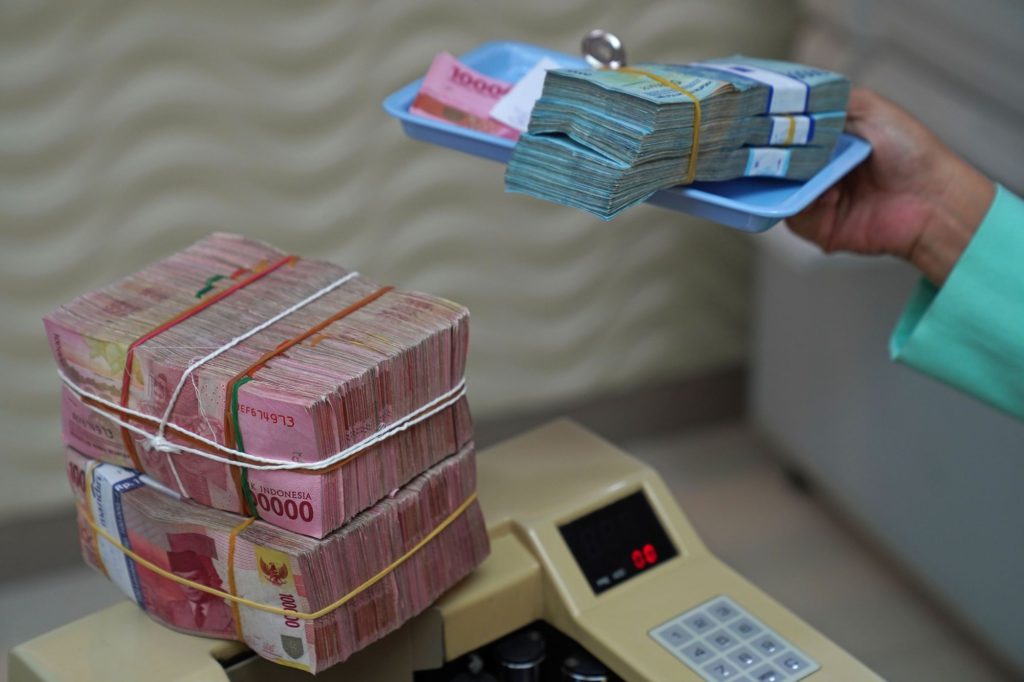
(Bloomberg) — Indonesia is setting out its plans and concept for the digital rupiah, a blockchain-based currency, starting with transactions between local banks.

The so-called “Project Garuda” — named after the mythical bird — is Bank Indonesia’s attempt at experimenting with central bank digital currencies to safeguard its position as the sole authority issuing legal tender in a rapidly changing digital era. The monetary authority recently issued a white paper to detail its plans.

“Digital rupiah is inevitable. It’s the transaction tool of the future,” said Governor Perry Warjiyo in a briefing on Monday. The move will keep Indonesia at the forefront of efforts to develop a CBDC, like Project Dunbar and Project mBridge that Bank Indonesia also participates in, he added. 

Here’s what we know so far about the digital rupiah:

The Stages

The digital currency will be rolled out in three phases. First, the wholesale form will be used by mostly larger banks to transfer funds among themselves and the central bank.

Next, the CBDC use will be expanded to the rest of the interbank money market and monetary operations. Lastly, the digital rupiah will be used by retail consumers for everything from fund transfers to payments.

The Players

Bank Indonesia will start by limiting the use to qualified banks, who would need to convert their reserves at the central bank to obtain digital rupiah tokens.

“This ensures the issuance of digital rupiah won’t impact the size of Bank Indonesia’s balance sheet, meaning it has a neutral monetary impact,” said Filianingsih Hendarta, the head of payment systems policy. 

Later, anyone would be able to get CBDC for retail use by exchanging everything from banknotes to deposits, including those held in electronic money form. The central bank may distribute digital rupiah directly to end-users, especially in areas that lack access. 

The Technology

The central bank wants to ensure the digital rupiah supports cross-border transactions, so it will be built on a combination of distributed ledger technology and centralized infrastructure. A closed-source ledger is preferred for wholesale use as the participants would be known, while a centralized infrastructure is more efficient for retail use as it can support faster speed and high volumes. 

Wholesale CBDC will be token-based, while the retail form will be both account- and token-based. 

The Future 

Bank Indonesia will push to have digital rupiah be the legal tender on local digital platforms and applications, such as for the still-nascent metaverse.

Globally, the central bank will work with its counterparts to discuss CBDC exchange rates, cybersecurity and capital flows management.

More stories like this are available on bloomberg.com

©2022 Bloomberg L.P.
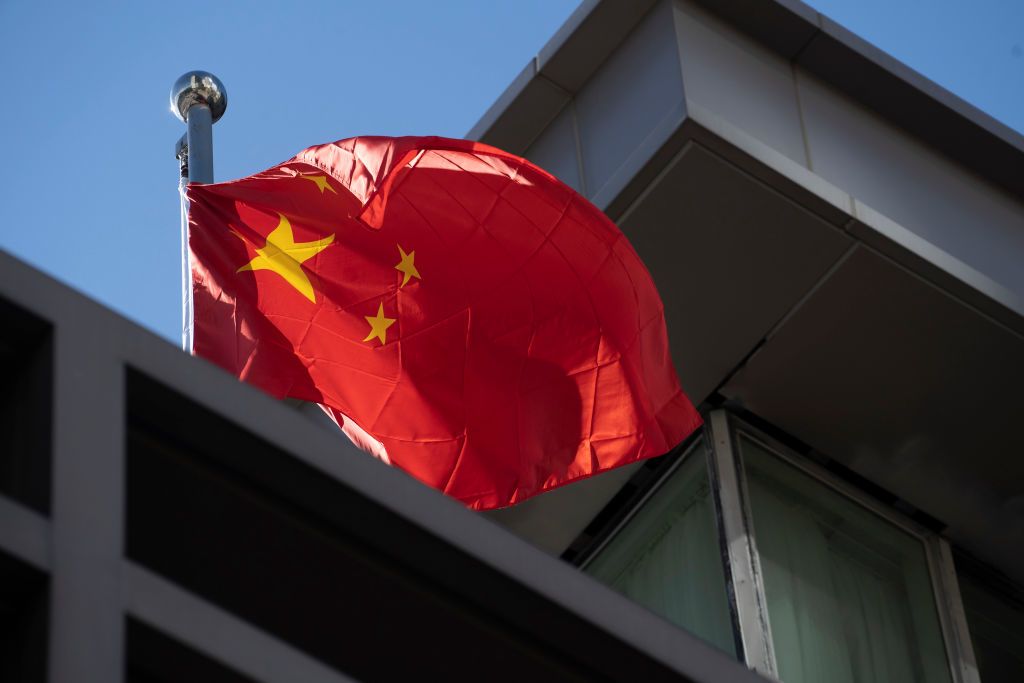
China Helps With US Tech Firm Scrutiny in Sign of Easing Tension

(Bloomberg) — Beijing has begun cooperating with US efforts to ensure American technology isn’t routed to China’s military, according to people familiar with the matter, a positive step in relations between the countries since their leaders met last month.

China’s Ministry of Commerce is helping its domestic companies through end-use checks by the US, which Washington requires to take firms off its Unverified List, the people said, asking not to be named as the information is not public. 

Chinese firms on the Unverified List have 60 days from Oct. 7 to show their products won’t go to a military end-use or risk being pushed onto the US Entity List, which prohibits trade with US businesses or those utilizing US-sourced technology without a license from Washington. 

Relations between the world’s two biggest economies worsened in October after the Biden administration imposed broad curbs on China’s access to semiconductor technology and tools, with some analysts foreseeing little opportunity for reconciliation. A breakthrough meeting between Joe Biden and Xi Jinping last month in Indonesia opened the door for renewed cooperation on shared priorities including climate change, though deeper strategic issues remain, including over Taiwan, Hong Kong and the South China Sea. 

Deadline Expiry

The leading memory maker in China, Yangtze Memory Technologies Co., is among the marquee names on the Unverified List, along with chip production equipment maker Shanghai Micro Electronics Equipment Group Co. and a subsidiary of Naura Technology Group. The expiry of their 60-day deadline is on Monday, however no announcement is expected on the day, according to one of the people. It’s unclear though which Chinese firms have undergone US checks. 

Naura shares rose as much as 7.4% in China trading Tuesday.

The US Department of Commerce on Oct. 7 said that if it can’t complete checks on firms on the Unverified List within that timeframe, this will trigger an interagency process to move the entities concerned to the Entity List. 

The Chinese Commerce ministry didn’t respond to a request for comment. A spokesman for the US Department of Commerce didn’t respond to a request for comment.

Chinese officials convened emergency talks with local semiconductor companies, including YMTC, in the wake of those October restrictions to assess the damage and pledge support for the sector. SMEE, a homegrown rival to Dutch firm ASML Holding NV, was added to the list earlier this year.

Washington has said its trade measures as closely tailored to prevent China’s military from obtaining advanced chips and technology. Outside of this point of friction, US-China trade looks on a path to set a record this year with the US already importing more than $418 billion in goods from China in the first nine months of the year.

–With assistance from Luz Ding.

(Updates with trading in sixth paragraph)

More stories like this are available on bloomberg.com

©2022 Bloomberg L.P.
EV Battery Makers Face Emissions Focus, Panasonic Unit Head Says

(Bloomberg) — Electric vehicles battery makers will need to respond to the climate crisis and sustainability goals by disclosing their carbon footprints and reducing the use of rare metals, according to a senior executive at Panasonic Holdings Corp.’s battery unit. 

Customers are now adding carbon footprints — or the total greenhouse gases generated during a product’s life-cycle — as a measurement when assessing batteries, on top of cost and capacity, Shoichiro Watanabe, the chief technology officer of Panasonic Energy Co., said in an interview. It’s important for battery makers to spend more on facilities from an environmental, social and governance perspective, even if costs rise, he added. 

While battery makers’ environmental approach has yet to impact orders, “it’s pretty obvious that we will see this happen at some point,” Watanabe said. 

Europe is taking the lead in regulating standards for greener batteries. The European Commission unveiled proposals in December 2020 requiring firms to disclose the carbon footprint of battery manufacturing and disposal from 2024; set an upper limit for carbon footprints from 2027; and will require the use of a certain amount of recycled materials from 2030.  

Japan’s auto sector contributes 16% of the country’s carbon emissions, and the government has set a target of making all new vehicle sales hybrid or electric by the middle of the next decade to help achieve Japan’s net zero emissions goal by 2050. 

“Battery makers won’t be a target for investment or will be regarded as risky stocks, unless they consider ESG” when they build facilities, said Morningstar Investment Service analyst Kazunori Ito.  

A study group formed by Japan’s Economy, Trade and Industry Ministry has compiled an interim report that calls for the calculation of carbon footprints on a trial basis.    

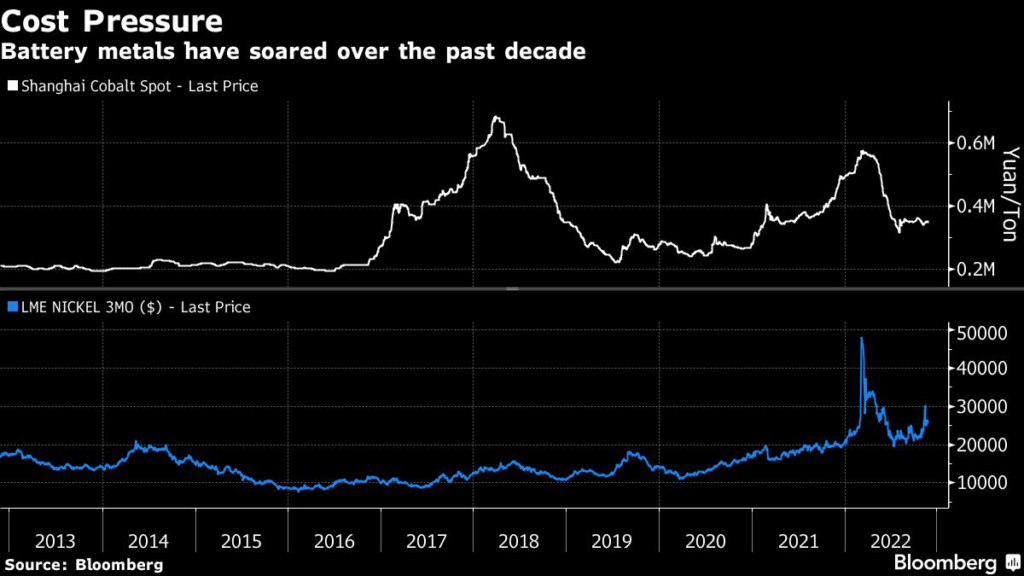
Panasonic Energy plans to reduce the carbon footprint of its battery manufacturing process by 50% by March 2031 from 2022 levels. Using less cobalt and nickel will be key because extracting the metals from ore accounts for about 40% of the company’s carbon footprint. It’s ready to offer cobalt-free batteries, and plans to cut use of nickel substantially by 2030 while increasing capacity by 20%, according to Watanabe. 

–With assistance from Masumi Suga.

More stories like this are available on bloomberg.com

©2022 Bloomberg L.P.
Elon Musk’s Neuralink Faces Animal Welfare Probe, Reuters Says

(Bloomberg) — Elon Musk’s brain implant company Neuralink Corp. is under federal investigation for allegedly violating the Animal Welfare Act amid staff complaints its animal testing is being rushed, Reuters reported.  

The probe was opened in recent months by the US Department of Agriculture’s Inspector General at the request of a federal prosecutor, Reuters said, citing people familiar with the investigation and company operations.  

Musk has revealed ambitious plans for his startup, last week saying Neuralink is developing implants that can go into the spinal cord and potentially restore movement in someone suffering from paralysis, and an ocular implant meant to improve or restore human vision. During the event, Musk showed a video of a monkey “telepathically typing” on a screen in front of it. 

Read more: Musk’s Neuralink Aims for Human Implant Approval in Six Months 

Last year, Musk said Neuralink had installed a wireless implant into a monkey that allowed it to play video games with its mind. 

Neuralink didn’t respond to a request for comment from Bloomberg News. Musk and Neuralink representatives didn’t respond to Reuters, and a spokesperson for the USDA Inspector General also declined to comment to the news outlet. 

Neuralink has previously denied criticism it mistreats its monkey test subjects, after facing complaints from an animal rights group. 

More stories like this are available on bloomberg.com

©2022 Bloomberg L.P.
China Mourns Ex-Leader With Police Patrolling for Covid Protests

(Bloomberg) — China held a public memorial service for former President Jiang Zemin Tuesday morning, an event that comes with police still deployed on the streets of the Asian nation’s capital and financial hub to deter further protests against harsh Covid Zero rules.

Senior leaders and other elites gathered to remember Jiang, whose term as head of the ruling Communist Party from 1989 to 2002 coincided with China’s economy more than tripling in size.

The ceremony started with a moment of silence, one marked by sirens sounding in central areas of Beijing and Shanghai. Xi then spoke about Jiang’s accomplishments before a crowd at the Great Hall of the People in Beijing that included other top leaders.

Jiang Zemin, Who Led China’s Boom After Tiananmen, Dies at 96

In a sign of lingering tension China, police continue to patrol protest sites in Beijing and Shanghai, two of the dozens of cities where demonstrations erupted early last week against the government’s zero-tolerance approach to eradicating the coronavirus. That unrest was the biggest display of civil disobedience in China in decades. In the days since then, the government has taken steps to ease some of its restrictions.

Similar protests have occurred in other cities around the world. Some 200 demonstrators gathered near the White House on Sunday, shouting “Free China,” the Associated Press reported. A bipartisan group of US senators has warned China of “grave consequences” to ties between the world’s two biggest economies if a violent crackdown was unleashed on peaceful protesters.

China hit back at the lawmakers on Monday, when Foreign Ministry spokeswoman Mao Ning said at a regular press briefing in Beijing that they didn’t know enough about her nation. The Chinese government is “listening to the voices of the people,” she added.

Chinese Students Protest Over Wuhan University’s Covid Rules

Frustration with tough Covid rules remains in China. Students at a university in Wuhan demonstrated on Sunday over what they said were confusing travel rules and access to food. Millions of people in that central city were locked down in early 2020 for more than two months, setting a precedent that has been repeated across the nation many times since, most notably in Shanghai earlier this year.

There had been concerns that Jiang’s death could provide a rallying point for protesters, though worries have faded some given moves by authorities in several major cities to ease testing requirements and the appearance at least that Xi is now shifting away from Covid Zero. 

Jiang’s funeral gives Xi the opportunity “to project his own power and authority,” said Neil Thomas, a senior China analyst at Eurasia Group, a political risk advisory and consulting firm

“Xi is leading an elaborate show of mourning for Jiang that foregrounds continuity and unity in party rule but emphasizes that China has never been stronger than under Xi’s leadership,” he said.

China’s Covid Pivot Accelerates as Cities Ease Testing Rules

The memorial service is a heavily scripted affair, like most events held by the Communist Party. The people that lined the streets of Shanghai and Beijing recently to watch his hearse pass by were apparently organized by the government, and photos that circulated online seemed to show people being bused to specific locations.

Jiang’s death has also prompted a wave of nostalgia on Chinese social media, with internet users remembering him as colorful and erudite. One clip that was shared widely showed him playing conductor as senior leaders sang at a gala for China’s writers and artists in late 2001.

Jiang Death Injects Risk for Xi at Fraught Time in China

The memorial for Jiang — whose death in Shanghai at the age of 96 was announced by state media on Nov. 30 — may give the public another glimpse of former President Hu Jintao, who was mysteriously escorted out of a major party congress in October. It wasn’t immediately clear if Hu was at the ceremony Tuesday.

Hu, president in the decade following Jiang, attended a tribute for the former leader at Chinese PLA General Hospital in Beijing on Monday morning, accompanied by an attendant, according to China Central Television — his first public appearance in some six weeks.

Hu Jintao Appears in Public for First Time Since Congress Exit

The 79-year-old seemed confused when he was led offstage halfway through the closing session of the twice-a-decade leadership reshuffle that handed Xi more time in power. State media later said Hu felt unwell, though speculation was rampant that the unscripted moment was a display of power by Xi.

–With assistance from Lucille Liu.

(Updates with memorial service starting.)

More stories like this are available on bloomberg.com

©2022 Bloomberg L.P.

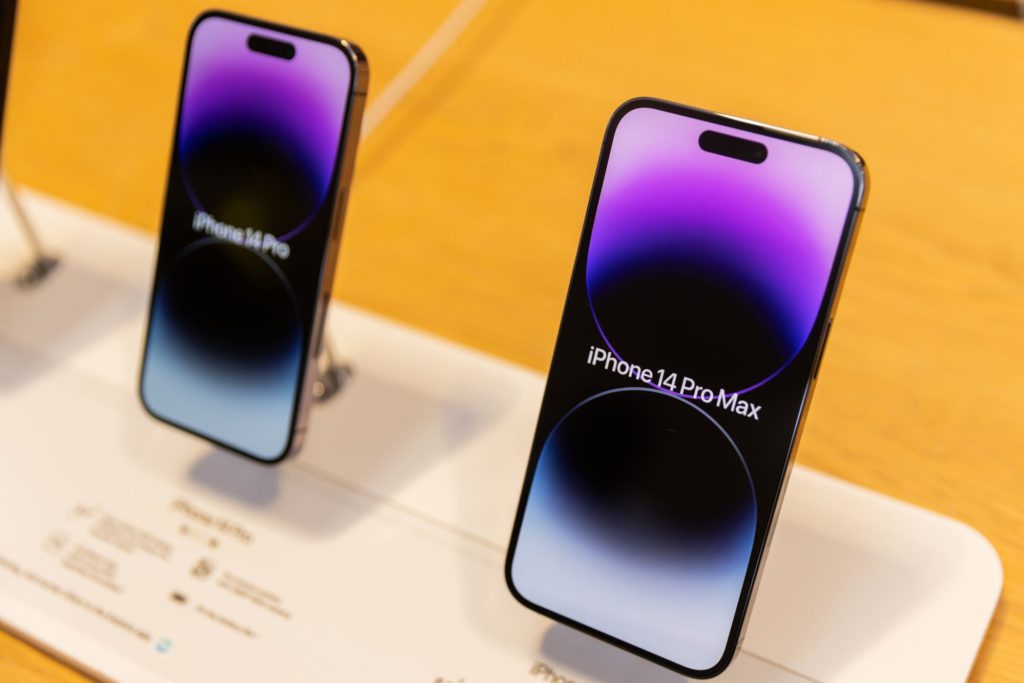
Foxconn Reports Big Sales Drop After IPhone Plant Disruption

(Bloomberg) — Hon Hai Precision Industry Co. reported sales for November were down 11.4% from the prior year after some shipments were affected by a Covid outbreak in the Chinese city of Zhengzhou, where the company operates the world’s largest iPhone assembly complex.

The company, also known as Foxconn, said November was the most affected period by the pandemic and it expects the fourth quarter to be “roughly in line with market consensus.” The Covid outbreak led to government lockdowns, a worker exodus and violent protests at the manufacturing facility. 

The Zhengzhou campus in central China is where the bulk of the world’s iPhone Pro handsets are assembled, making it critical to Apple Inc.’s ability to satisfy demand for the latest generation. Apple has said it expects deliveries to be delayed this year because of disruption, and analysts have offered a series of increasingly downbeat forecasts for the shortfall in shipments this year. UBS this month said the entire iPhone 14 generation may fall short of earlier expectations by 16 million units.

Hon Hai shares slid as much as 2.4% in Taiwan trading on Tuesday, the biggest intraday decline since October, while Apple’s stock dropped less than 1% in the US.

Foxconn offered reassurances that the situation has been “brought under control” and that its production will improve through the rest of the year.

“In addition to reallocating production capacity of different factories, we have also started to recruit new employees, and are gradually moving toward the direction of restoring production capacity to normal,” Foxconn said in the statement.

China is rolling back Covid restrictions in some cities, including Zhengzhou, where authorities announced on Sunday the immediate end of mandatory Covid testing to enter buses, subway, taxis and other public venues besides for those who depart from the city or go to karaoke bars and internet cafes. Foxconn is continuing with closed loop operations, restricting workers’ movements to their dormitories and the factory, according to a notice posted on WeChat.

“China’s easing of Covid-Zero policy might help lift Hon Hai’s December sales, paving the way for it to meet or even beat 4Q guidance,” Bloomberg Intelligence analysts Steven Tseng and Sean Chen said in a note Monday.

(Updates with Hon Hai shares in fourth paragraph)

More stories like this are available on bloomberg.com

©2022 Bloomberg L.P.

Close Bitnami banner
Bitnami