
Bloomberg

Distressed Crypto Lender Babel Wins Reprieve on Debt Repayments

(Bloomberg) —

Babel Finance, the distressed crypto lender which froze withdrawals on Friday, said it won a reprieve on debt repayments as it battles to survive a tumultuous slump in cryptocurrency markets. 

Hong Kong-based Babel has “reached preliminary agreements on the repayment period of some debts, which has eased the company’s short-term liquidity pressure,” it said in a statement sent to Bloomberg on Monday and later posted to its website. Co-founder Flex Yang told Bloomberg the company “will disclose to the public” once they’ve made progress.

Babel is in talks with large institutions about potential solutions that include setting up a new entity to take over some of the debt, a person with knowledge of the matter said, asking not to be identified discussing private information. 

Babel’s difficulties highlight the turmoil sweeping the crypto industry, where at least one more major lender has frozen withdrawals and a prominent hedge fund is trying to stave off collapse. Babel cited “unusual liquidity pressures” for its decision to halt withdrawals. 

Read more: Crypto Tumult Spreads as Lender Babel Puts Freeze on Withdrawals

The person familiar with Babel’s plans didn’t say when the company might open its platform for withdrawals or name the lenders it’s in discussions with.

“Given the current context of severe market volatility, Babel Finance’s management will continue to communicate closely with customers, counterparties, and other partners, and provide updates in a timely and transparent manner,” the company said in the statement.  

The halt on withdrawals marked a sudden reversal of fortunes for Sequoia Capital China-backed Babel, which less than a month ago announced an $80 million funding round that put its valuation at $2 billion. The company had an outstanding loan balance of more than $3 billion at the end of last year. 

Read more: Crypto Firm Babel Hits $2 Billion Valuation in Funding Round

A wave of liquidations and weeks of market tumult pose an existential threat to many industry participants. 

Celsius Network Ltd., the rival lender that froze deposits earlier in June, on Monday said it needs more time to stabilize its liquidity and operations. “This process will take time,” the company said on its blog. 

Crypto hedge fund Three Arrows Capital has hired legal and financial advisers after this year’s crypto selloff left it with large losses, its co-founders told the Wall Street Journal last week. 

As of Monday afternoon in New York, Bitcoin was holding above $20,000, a level that Bloomberg Intelligence strategist Mike McGlone described in a recent note as “akin to about $5,000 in 2018-20 as part of what we see as the great reversion of 2022.”

(Adds Bitcoin price and quote from Bloomberg Intelligence. A previous update added comment from co-founder Flex Yang.)

More stories like this are available on bloomberg.com

©2022 Bloomberg L.P.

Ocado Seeks $704 Million From Share Placing to Fund Expansion

(Bloomberg) — Ocado Group Plc is raising £575 million ($704 million) to fuel expansion as it seeks to become the top global provider of automated online grocery-fulfillment technology.

The British e-commerce group will raise the funds via an accelerated share placing, which includes a tranche for retail investors, the company said in a statement Monday. Ocado also agreed a new £300 million credit facility with a group of banks and reiterated its outlook for this year.

The company had gathered enough orders to cover the share sale within about half an hour, according to terms seen by Bloomberg.

Ocado, whose shares have nearly halved this year, said the funds will give it enough liquidity to meet existing commitments to current clients and drive further growth. 

Read More: Ocado $700 Million Equity Raise Signals Capital Intensity: React

While Ocado is best known in Britain as an online grocer, its main focus is selling robotic warehouse technology, maintaining partnerships with retailers worldwide from Kroger Co. in the US to Coles Group Ltd. in Australia. The company said the surge in virtual food shopping during the pandemic will continue and the additional funds will help it ramp up capacity. It also wants to reduce the amount of time it takes to get its highly automated warehouses up and running. 

Ocado was founded by three former Goldman Sachs Group Inc. bankers in 2000 and has hardly ever made a profit since. It has raised significant amounts of cash over the past two decades to fuel the development of its robotic “grid system.” 

During the pandemic, Ocado Retail, its joint venture with Marks & Spencer Group Plc, struggled with capacity, having to temporarily close its website in March 2020 because it was deluged with orders.

More stories like this are available on bloomberg.com

©2022 Bloomberg L.P.
UK Rail Strikes to Proceed After Unions Reject Last-Minute Offer

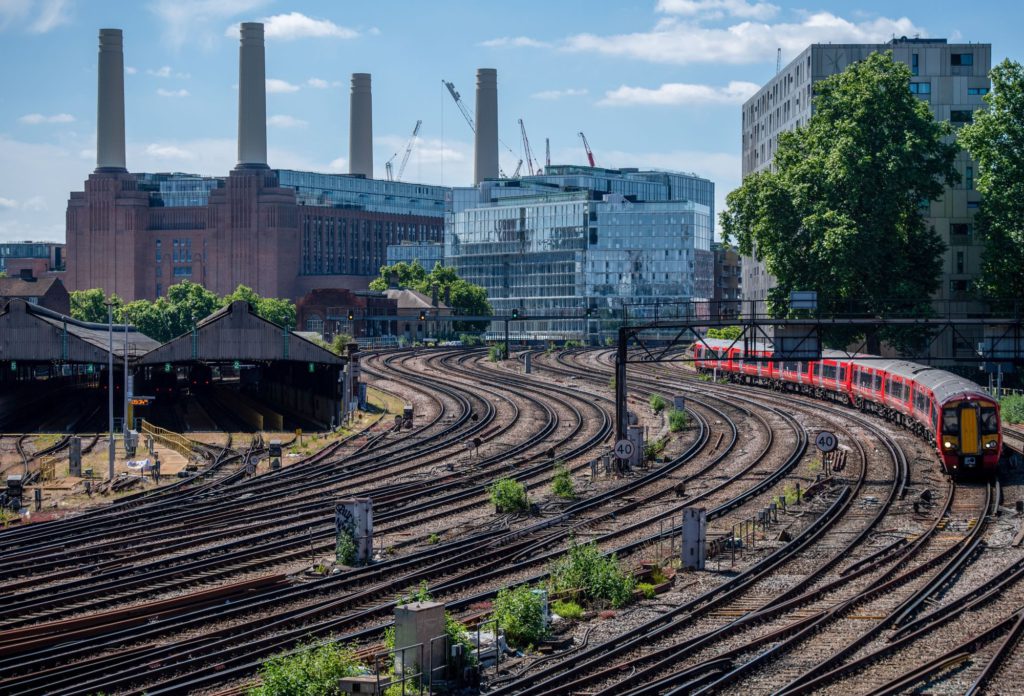
(Bloomberg) — UK rail workers will begin Britain’s biggest rail strike in three decades on Tuesday after unions rejected a last-minute offer from train companies, bringing services nationwide to a near standstill. 

A proposal from track manager Network Rail was considered and rejected on Friday, and another one from train companies was turned down on Monday, National Union of Rail, Maritime and Transport Workers General Secretary Mick Lynch said in statement broadcast from near Euston Station, north London.

The failure of negotiations means some 40,000 staff at 13 train operating companies and Network Rail will walk out on Tuesday, Thursday and Saturday, bringing commuter services to a standstill nationwide and threatening to cause transport chaos in London. Prime Minister Boris Johnson’s government refused to intervene, saying the dispute was between the companies and their workers.

But Lynch blamed the government, saying the root of the problem is £4 billion ($4.9 billion) of budget cuts — £2 billion each for Transport for London and the national railways. “That is hobbling this industry and it’s forcing the companies to implement transport austerity and massive cuts to our system,” he said.

In the House of Commons, Transport Secretary Grant Shapps called that analysis a “fundamental misunderstanding,” and said the money missing from the railways budget was down to lower takings from fares after passenger numbers failed to recover to pre-pandemic levels.

Pandemic Hit

Figures released by the Office of Road and Rail on Thursday reveal the extent of rail’s retreat, with total journeys at only 62% of the pre-pandemic tally in the quarter through March. 

The strikes are “orchestrated by some of the best-paid union barons representing some of the better-paid workers in this country” Shapps said, referring to the median wages of train drivers being well above salaries of nurses and other professions.

Yet the RMT argues that many of the strikers are among the lowest paid on the railway networks, including cleaners. The union representing most train drivers, ASLEF, is not joining the national strike.

Labour’s transport spokeswoman Louise Haigh accused Shapps of “washing his hands” of responsibility. “On the eve of the biggest rail dispute in a generation taking place on his watch, he has still not lifted a finger to resolve it,” she said.

Service Disruption

Only about 20% of services will survive the stoppages, with Scotland and Wales hit hardest. Tuesday will also see action by 10,000 London Underground workers in a separate dispute over jobs and pensions. 

In a move that’s likely to inflame tensions with the unions further, Shapps said the government is planning to end a ban on the use of temporary workers to stand-in for those on strike. 

Both the Trades Union Congress and Unite condemned the plans, saying it would only prolong the conflict between employers and their staff.

More stories like this are available on bloomberg.com

©2022 Bloomberg L.P.
Disney’s ‘Lightyear’ Misses Estimates in Debut, Trails ‘Jurassic World’

(Bloomberg) — The Walt Disney Co. and Pixar marked a rare miss at the box office this holiday weekend, with the animated kids film “Lightyear” falling short of estimates in what was supposed to be a triumphant return to theaters.

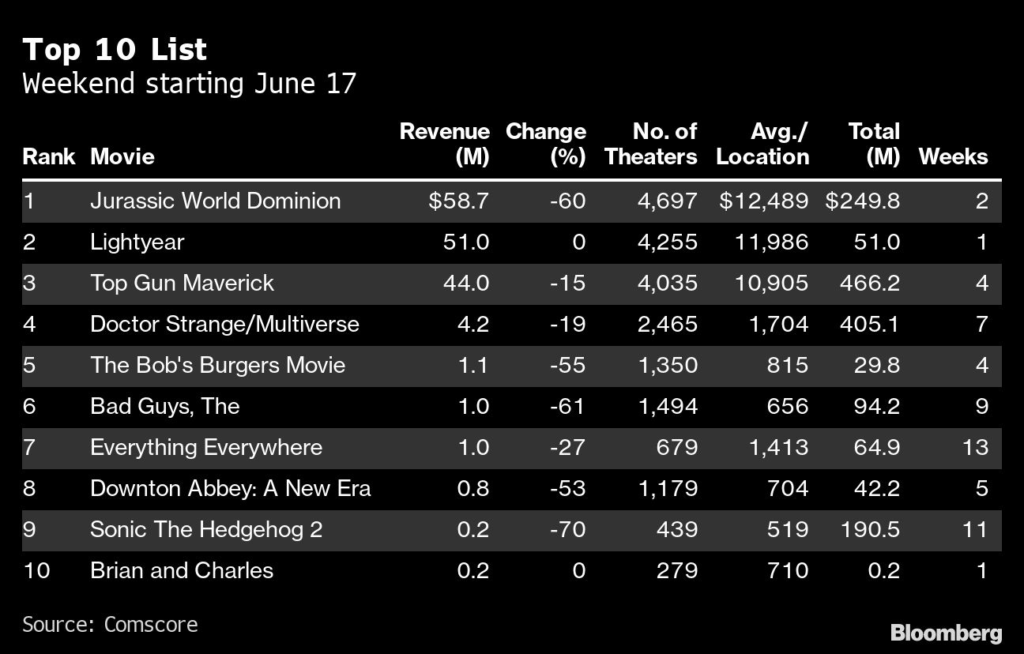
The film — a kind of origin story for Buzz Lightyear, the astronaut of “Toy Story” fame — brought in an estimated $51 million in the US and Canada. That trailed Boxoffice Pro’s prediction of between $76 million and $105 million and was one of the worst domestic openings against expectations for a Pixar film. It failed to knock “Jurassic World: Dominion” out of first place at the box office, data tracker Comscore Inc. reported.

“Lightyear” was an important test for Disney as its first animated kids movie released exclusively in theaters in more than a year, after mostly opting to debut films on its Disney+ streaming service during Covid-19 lockdowns. While Disney on Sunday emphasized it views the film as a long play that will draw in families over the summer, analysts said that doesn’t ease the initial disappointment.

“This was definitely an unwelcome surprise for what has traditionally been a trifecta of very reliable brands in Disney, Pixar, and ‘Toy Story,’” said Shawn Robbins, chief analyst at Boxoffice Co. “It’s certainly not the way their big summer box office comeback was written up on paper.”


The film may not be much of a catalyst for Disney shares. The stock has fallen 39% so far this year, to $94.34 as of June 17, and has dropped in all but two weeks since late February.

“I‘m not sure we can pinpoint one factor behind the misfire, but rather quite a few,” Robbins said. Those circumstances range “from a competitive market of male-skewing theatrical releases to genuine questions about how Disney marketed ‘Lightyear’ to audiences and what negative impact their straight-to-streaming strategies for recent Pixar movies might have had.”

The film also faced bans abroad and ire from conservative political figures in the US who say the fictional space inhabitants in a same-sex relationship couldn’t naturally produce children and the portrayal violates their religious beliefs.

However, Disney will still consider other sources of revenue when it comes to determining whether “Lightyear” was a flop, according to Jeff Bock, a senior media analyst at Exhibitor Relations. The entertainment giant can still make money off merchandise tied to the film and streaming success, he said.

Disney said it’s betting on the long game. “It should be noted that in nearly all international markets, Lightyear is opening ahead of upcoming school holidays and so long-term play is key,” a company spokesperson said in an emailed statement. “In several markets, Lightyear posted Saturday grosses significantly above Friday, showing that families did come out over the weekend.”

“Lightyear” had been expected to be the largest kids movie since the start of the pandemic, topping the domestic $72 million opening of the Paramount Pictures movie “Sonic the Hedgehog 2” in April.

There was plenty of competition this weekend. “Jurassic World: Dominion,” the sixth film in the successful dinosaur movie franchise from Universal Pictures, led the box office with $58.7 million in its second weekend, Comscore estimated. It had one of the largest openings of 2022 last week, as fans returned for the first real summer moviegoing season in three years.

In addition, “Top Gun: Maverick” continued to generate high ticket sales. It made $44 million over the weekend, and is now the highest-grossing picture starring Tom Cruise. The film may ultimately generate close to $1 billion in global ticket sales, having made more than $800 million in its first 21 days after release.

Get More

  • See the schedule for upcoming releases.
  • See Boxoffice Pro’s long-range forecast.

More stories like this are available on bloomberg.com

©2022 Bloomberg L.P.
Pernod Ricard Sells Tormore Scotch to Whisky Exchange Founders

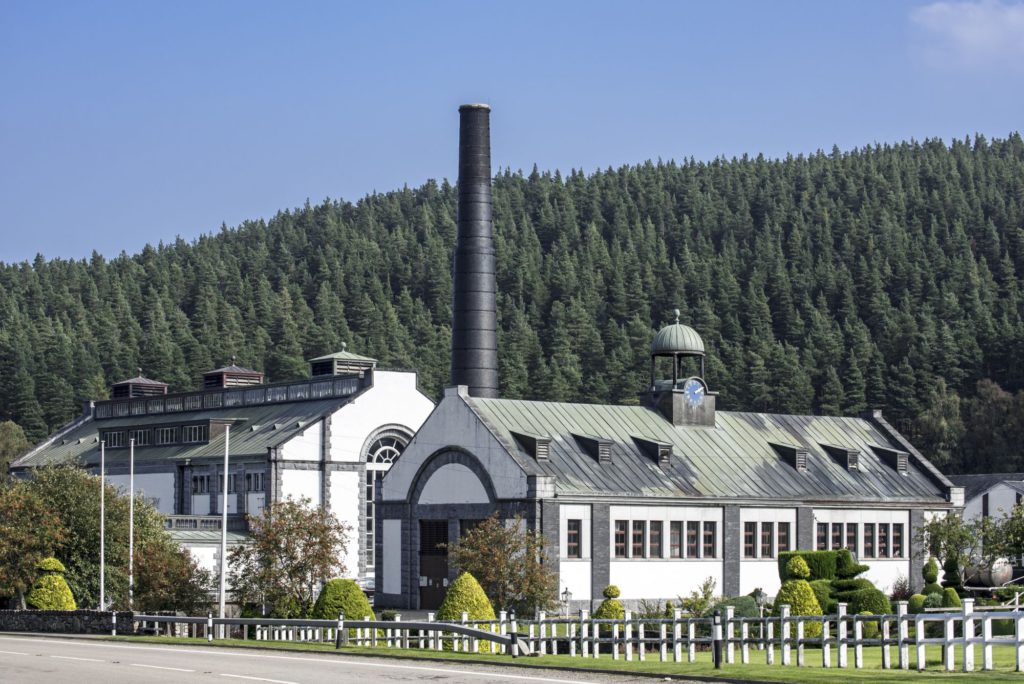
(Bloomberg) — French distiller Pernod Ricard SA is selling its Tormore Scotch whisky brand and distillery to Elixir Distillers, a company co-founded by brothers Sukhinder and Rajbir Singh. 

The single malt distillery, based in Speyside, has an annual production capacity of close to 5 million liters of alcohol, the companies said in a statement Monday. Terms for the deal were not disclosed. 

“We are hoping to build on the work that’s been done by Pernod Ricard to bring to life the magic of Tormore and show consumers around the world just what a hidden gem it is,” Sukhinder Singh said in the statement. 

Last year, Pernod Ricard acquired the Whisky Exchange, one of the world’s largest e-commerce platforms for liquor, which was founded by the Singh brothers in the 1990s. The sale of Tormore follows an £88 million ($107.8 million) investment in Pernod Ricard’s Aberlour and Miltonduff distilleries, which will increase Scotch production there by 14 million liters of alcohol a year.

Pernod Ricard has a history of selling some assets to corporate partners it’s acquired businesses from. Late last year, the company sold southwest France’s Societe des Produits d’Armagnac to Alexander Stein, from whom it had bought Monkey 47 in 2015. 

More stories like this are available on bloomberg.com

©2022 Bloomberg L.P.
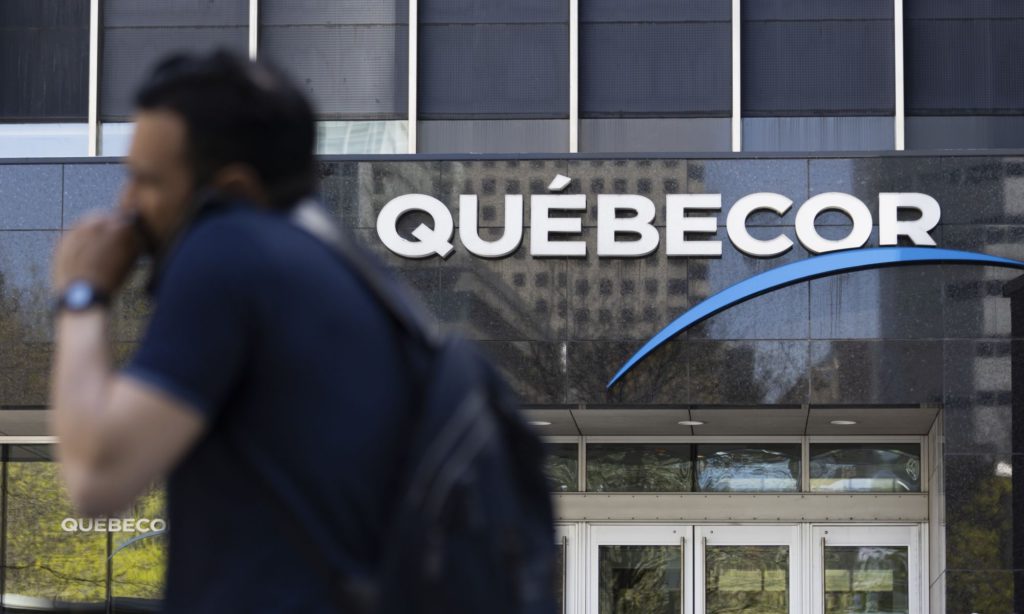
Rogers, Quebecor Jump After Striking ‘Attractive’ Wireless Deal

(Bloomberg) — Quebecor Inc. is getting a bargain as two of its rivals attempt to close their merger by divesting Freedom Mobile, Canada’s fourth-largest wireless provider, according to analysts.

Quebecor has agreed to pay C$2.85 billion ($2.2 billion) for Freedom — a side deal by Shaw Communications Inc. and Rogers Communications Inc. that’s designed to resolve antitrust concerns about their C$20 billion deal. 

The headline figure for Freedom is below the consensus C$3 billion to C$4 billion value of Shaw’s wireless assets, according to Tim Casey, analyst at BMO Capital Markets. The Quebecor deal includes most, but not quite all, of Shaw’s wireless assets: Rogers is trying to keep a small number of customers who are Shaw cable and internet consumers and also have phones under the Shaw Mobile brand.  

Quebecor rose 6.3% to C$29.39 as of 11:07 a.m. in Toronto. Rogers jumped 6.9%, and Shaw was up 6.7%, trading just below C$37. The Rogers takeover offer is C$40.50 per Shaw share. 

‘Biting the Bullet’

Rogers’ plan to acquire Shaw hit a regulatory roadblock in May after Canada’s Competition Bureau sued to stop the deal, citing anti-competitive concerns in the wireless business, where the companies’ operations overlap. Rogers and Shaw were already looking for a buyer for Freedom Mobile at the time. That’s when Quebecor stepped in. 

The deal with the Montreal-based communications firm may check the boxes the bureau is looking for, according to some analysts. 

Competition in the sector would increase because Quebecor would scale up Freedom Mobile’s operations after the deal closes, said Jerome Dubreuil, a telecommunications analyst at Desjardins Securities Inc. That would also keep Freedom a viable competitor in key markets like Toronto and Vancouver.

“Quebecor gets an attractive deal,” Dubreuil said in a note to investors. “Rogers is biting the bullet and making the right moves to increase the odds of gaining regulatory approval for its merger. Meanwhile, Quebecor is picking a ripe fruit and extending its growth runway with its core competencies for a reasonable price.”

The question now is whether Rogers and Shaw can persuade the antitrust body and the federal government to accept the Quebecor solution, preventing a protracted hearing at the Competition Tribunal, Canada’s merger court. The parties are expected to work through a negotiated settlement this summer, with the deal closing in July or August, said Adam Shine, an analyst at National Bank Financial.  

More stories like this are available on bloomberg.com

©2022 Bloomberg L.P.
Crypto ‘Smart Contracts’ May Need Oversight, Bank of Israel Says

(Bloomberg) —

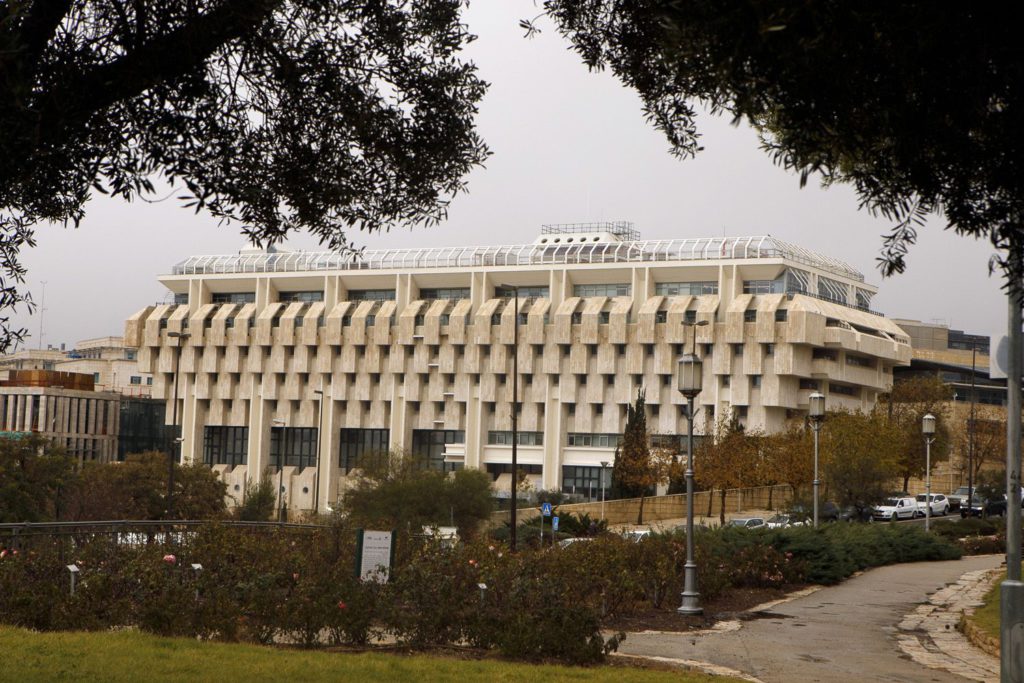
The so-called smart contracts that underpin automatically executed crypto transactions could be an area for central banks to supervise, researchers at the Bank of Israel suggested. 

Researchers taking part in the central bank’s first technological experiment on digital currencies said smart contracts can be written in “malicious” ways that lead to losses for cryptocurrency users, according to a report published by the institution on Monday.

The Bank of Israel ran tests using an Ethereum-based blockchain to examine how payments are made between two virtual wallets, analyzing the systems by which the transactions were executed and the level of privacy they afforded users.

“An important question…is who writes the smart contract,” the researchers wrote. “Allowing anyone who wanted to to write the smart contract on the blockchain may pose a significant risk to the entire system.”

Israel and Hong Kong Team Up to Test Digital Currency Cyber Risk

The Bank of Israel is one of around 100 central banks that have either rolled out central bank digital currencies, or are considering them, according to the International Monetary Fund. In China, the digital yuan has already been tested by around 140 million people, including at the recent Winter Olympics in Beijing.

More stories like this are available on bloomberg.com

©2022 Bloomberg L.P.
Northam Chairman, Vodacom Director David Brown Has Died

(Bloomberg) — David Brown, the chairman of Northam Platinum Holdings Ltd. and lead independent director of Vodacom Group Ltd., has died. He was 59.

“It is with great sadness that Vodacom advises shareholders of the untimely passing of David Brown,” the telecommunications company said in a statement on Monday. Brown died from a heart attack, said three people familiar with the situation, asking not to be identified as the details aren’t public.

Brown was also the former chief executive officer of Impala Platinum Holdings Ltd. and Zimbabwe’s Kuvimba Mining House Ltd. 

Read: Mining Veteran Quits Zimbabwe Firm Tied to Economic Revival 

His death comes as Northam Platinum is locked in a battle with rival Impala Platinum to take over Royal Bafokeng Platinum Ltd. CEOs for both Northam and Impala Platinum have said they want to wholly own the smaller platinum group metals producer, which has assets that are mechanized and could be mined at lower costs.

The mining veteran served as chief financial officer and later CEO at Impala from 1999 until 2012, overseeing assets in both South Africa and Zimbabwe. He has also led MC Mining Ltd., a coal producer. 

He quit as CEO at Zimbabwe’s Kuvimba Mining last year but stayed on as a director at its Bindura Nickel Corp unit. 

Khumo Shuenyane will take over the role of lead director at Vodacom, the company said. Temba Mvusi, who was Northam’s lead director, will become chairman of the company, Northam said. Hester Hickey has been appointed as lead director.

(Updates with Northam appointing new chairman in last paragraph)

More stories like this are available on bloomberg.com

©2022 Bloomberg L.P.

Zilingo’s Board to Weigh Options Including Liquidation or Buyout

(Bloomberg) — Zilingo Pte’s board of directors is weighing options for the embattled Singapore startup after a financial adviser to the company said liquidation is the most viable solution and its co-founder presented an 11th-hour pitch for a management buyout.

The board members met on Monday to hear the alternatives, including a presentation from adviser Deloitte LLP to sell off the company’s assets, according to people familiar with the matter. Co-founder Dhruv Kapoor briefly made the pitch for a buyout, a surprise, last-minute development, said the people, asking not to be identified because the discussions are private.

The board meeting ended without a decision on Zilingo’s fate, they said. Directors will consider Deloitte’s findings as well as the new management buyout proposal, and they’re trying to set a date for a new gathering.

Zilingo and Deloitte representatives didn’t respond to requests for comment.

Kapoor proposed the buyout to the Singapore-based company’s board late Sunday. He has secured commitments from a small group of new investors including a US private equity firm, Bloomberg News reported Sunday. The offer detailed plans for the investor group to inject $8 million in new equity in a newly incorporated entity in tranches, while the remaining assets and the old corporate entity would be liquidated in due course.

Ankiti Bose, the startup’s ousted chief executive officer, endorsed Kapoor’s preliminary proposal minutes after it was sent out to existing shareholders. In her email, as seen by Bloomberg News, Bose urged investors to see beyond their “personal differences” and support the initiative.

Read More: Zilingo Founders Make Surprise Buyout Offer for Startup

Allegations of financial irregularities in March prompted an investigation into Zilingo, valued at $970 million in 2019, and led to the dismissal of co-founder Bose as CEO in May. Her ouster plunged the once high-flying startup into crisis and sent shockwaves through Southeast Asia and India’s technology industry.

More stories like this are available on bloomberg.com

©2022 Bloomberg L.P.
It Took a Record $81 Billion Bond Buy for BOJ to Restore Calm

(Bloomberg) — Tokyo’s bond market began the week on a much calmer footing as traders mulled unprecedented intervention by the Bank of Japan, which dragged benchmark yields back below their closely watched ceiling.

Ten-year yields edged higher to 0.23% Monday in the aftermath of the BOJ’s 10.9 trillion yen ($81 billion) of government bond purchases last week, the most on record, data compiled by Bloomberg show. The central bank ramped up bond buying as benchmark yields breached its 0.25% tolerated limit amid a global debt selloff.

By way of comparison, European Central Bank asset purchases under its so-called APP program averaged about $27 billion — per month — this year through May.


Market watchers see the calm as temporary as the BOJ continues to defy an intensifying global wave of central bank tightening and concentrated market pressure on the yen and government bonds. Treasuries are closed for the Juneteenth holiday Monday, but remain a key driver as does the direction of the dollar-yen, hovering around a 24-year low.

“If the yen weakens further as a sell-off in foreign bonds resumes, it would not be surprising were the yen rates market to start testing the BOJ again,” wrote Citigroup Inc. strategist Tomohisa Fujiki in a note. 

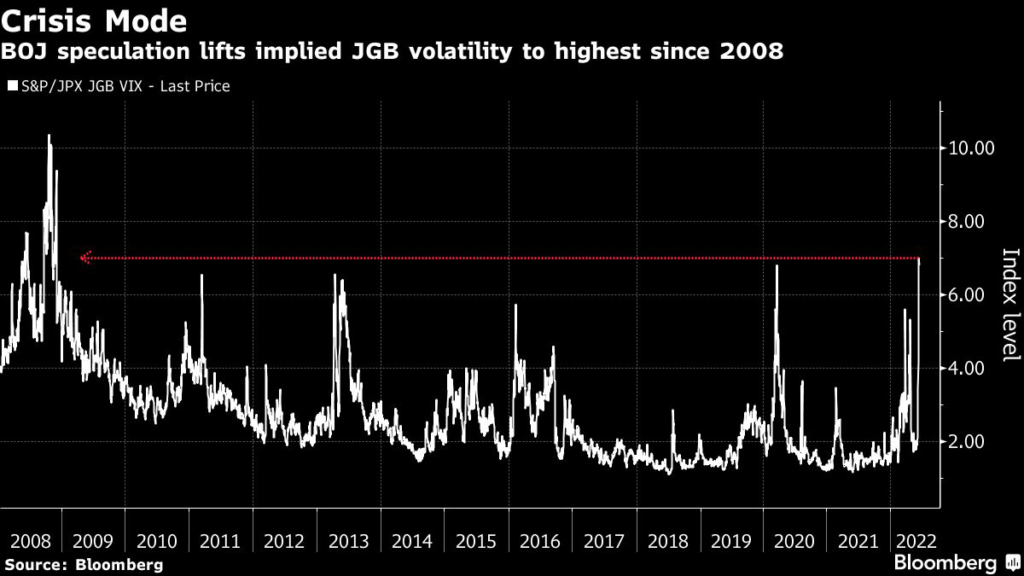
Implied volatility for 10-year JGBs eased after rising to the highest since the global financial crisis in 2008 on Friday. The BOJ said Friday its bond buying will continue for an extended period of time.

“Since the JGB market volatility has been initiated by the global reaction to US CPI and the Federal Reserve’s tightening, the structure keeping it unstable remains quite intact,” said Mari Iwashita, chief market economist at Daiwa Securities. “Even as the BOJ steps up efforts to defend its turf, the structure behind the challenges remain the same.”

Speculative attacks on Japan’s bond market have mounted amid bets the BOJ will cave in to pressure and tweak its increasingly isolated easy monetary policy — something it reconfirmed at its policy decision Friday. But the impact of the central bank’s bond purchases have squeezed some corners of the futures markets, putting at least some arbitrage traders under pressure.

Basis Trade Blowup Adds New Drama to BOJ Fight With Bond Market

Meanwhile, the appointment of a Japanese government bond expert with experience of the market turmoil of the late 1990s to a key role in the Finance Ministry has caught the attention of market watchers in Tokyo. Michio Saito — dubbed “Mr. JGB” — will head up a division that covers the bond market and may strengthen lines of communication with the central bank, according to some strategists.

For the BOJ to seek a smooth exit from massive bond purchases, close cooperation with the finance ministry is essential, so the appointment of an experienced person in charge is very significant, Iwashita said. This “is positive news for the market,” she said.

(Updates prices, adds story links.)

More stories like this are available on bloomberg.com

©2022 Bloomberg L.P.

Close Bitnami banner
Bitnami
