Bloomberg

What Would You Pay for Lunch With Warren Buffett? Bidding Stands at Record $12 Million

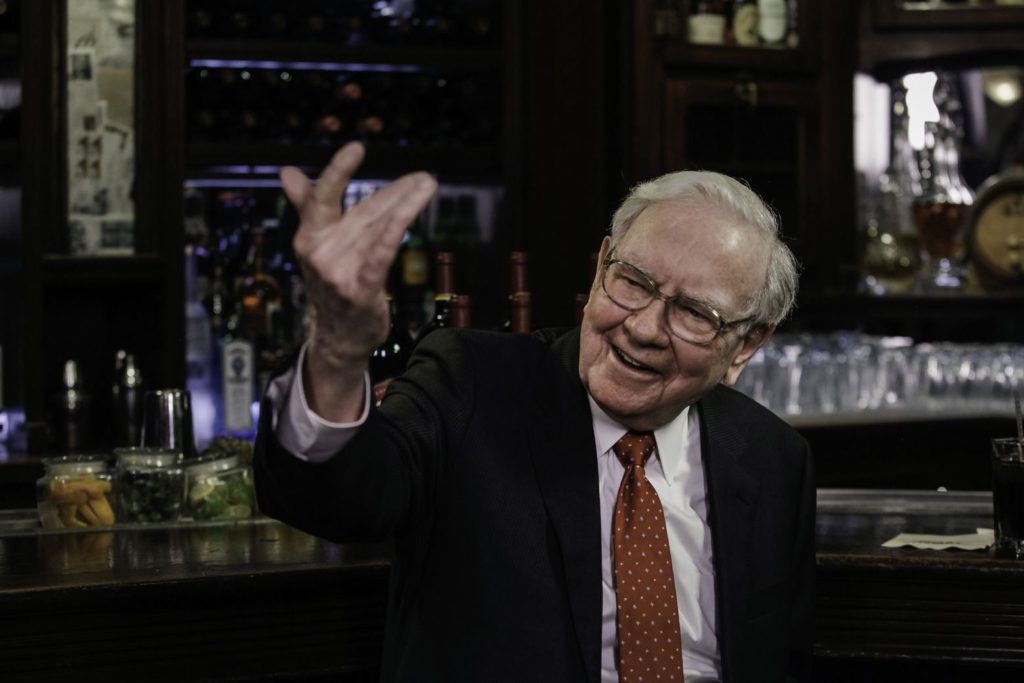
(Bloomberg) — The final day of bidding for Warren Buffett’s last charity lunch just got interesting.

As late as Thursday evening, the highest bid for a chance to eat with the billionaire investor and as many as seven guests at Smith & Wollensky in New York stood just above $3 million. But the amount jumped more than threefold to $11 million at 11:03 a.m. Friday in New York, then increased to $12.3 million within a half hour.

#PowerofOneLunch! Use code “LOVE2022” to get your free tickets to the countdown party! https://t.co/ud5QMUZWQC

— GLIDE (@GLIDEsf) June 16, 2022

Whoever wins the bidding war will easily shatter the record set in 2019 by cryptocurrency entrepreneur Justin Sun, who paid $4.57 million for the meal with the Berkshire Hathaway Inc. chairman and chief executive officer. This year, there appears to be a back and forth between two of the five anonymous prospective diners, with a total of 34 bids so far.

This lunch auction will be Buffett’s last. The annual affair — which started in 2000 and took a two-year hiatus during the pandemic — has raised more than $34 million to support Glide, which offers programs to address poverty and homelessness, particularly in San Francisco. Bidding closes at 10:30 p.m. in New York.

More stories like this are available on bloomberg.com

©2022 Bloomberg L.P.

Silicon Valley’s Menlo Park Plans to Electrify 10,000 Buildings

(Bloomberg) — Facebook’s hometown of Menlo Park, California, has struck a deal to decarbonize 95% of its buildings by 2030, replacing the city’s fossil-fuel infrastructure with climate-friendly heat pumps, solar panels and electric car chargers.

The wealthy Silicon Valley enclave on Wednesday announced a partnership with BlocPower, a New York-based company that, in founder Donnel Baird’s words, “turns buildings into Teslas.” In New York City, the startup coordinates and finances retrofits of apartment buildings, replacing natural-gas and oil boilers with high-efficiency heat pumps and solar panels. BlocPower has focused on low-income communities and last year the city of Ithaca, New York, chose the company to lead an initiative to decarbonize its building stock.

The agreement with Menlo Park marks BlocPower’s expansion to the West Coast and could serve as a model to ramp up efforts to electrify buildings while ensuring that low-income neighborhoods are not left out of such programs. 

“We have to make sure that we do this in such a way that we don’t strand low-income households on an aging and underutilized gas network,” said Sam Calisch, head of special projects for Rewiring America, a national nonprofit that promotes home electrification. “The folks at BlocPower know this very well and have that as core to their mission.”

  • Do you own an electric car? Bloomberg Green wants to learn more about your experience with EVs. Take our brief survey.

Although median household income in Menlo Park approaches $200,000 and the median home sales price was $3.2 million in May, the city includes a lower-income neighborhood called Belle Haven, wedged between a ring of freeways and the San Francisco Bay near the headquarters of Meta Platforms Inc., Facebook’s parent company. 

“We have low-interest-rate capital that we can use for Menlo Park residents who don’t have their own resources to finance upgrades,” said Baird, BlocPower’s chief executive officer. “We have to come up with plans and proposals and implementation for clean energy that leads with equity or we won’t have an effective clean energy policy.” 

A nonprofit called Menlo Spark is working with the city to raise up to $35 million to help finance installation of heat pumps, heat pump water heaters, battery storage, solar panels, electric car chargers and other clean energy improvements for low- and moderate-income families in the city of 32,500 people. 

Buildings account for 41% of Menlo Park’s greenhouse-gas emissions. The new voluntary program aims to decarbonize more than 10,000 structures by the end of the decade, according to the city. While Menlo Park and a growing number of cities across the country have banned natural gas in new construction (Facebook already powers its campus with renewable energy), significant hurdles remain to electrification of existing homes.

“We have lots of people who are interested in electrification,” said Menlo Park Mayor Betsy Nash, who noted that the city obtains all its electricity from carbon-free sources. “But it’s actually very hard to get the attention of a contractor, to navigate your way through the various incentive programs and to figure out exactly what equipment to install. That’s where BlocPower brings all of this together for us.” 

BlocPower will first form an advisory board of residents and local leaders to help organize the initiative and roll it out to the community. Once the program is launched, residents enter their address on BlocPower’s website and answer a series of questions about their building. 

The company’s proprietary software will analyze a structure’s energy use and create a decarbonization plan. “We simulate the physics of how they use and consume and waste fossil fuels per square foot, and what kind of building decarbonization hardware and software will make sense for each and every building in Menlo Park,” said Baird. The Bezos Earth Fund is financing that work and Baird said that decarbonization plans would be provided at no cost to Menlo Park residents. 

“And then if they’re interested, we’re going to connect them to a cohort of woman- and minority- and veteran-owned green construction companies,” he added, “to help residents to decarbonize their homes and schools, and community buildings.” Baird said BlocPower will work with local partners to train installers to do the retrofits.

The program is targeting 15 buildings for retrofits in 2022, 100 in 2023 and at least 1,000 conversions from 2024 on.

Rewiring America’s Calisch said such an integrated approach should be adopted by other cities. “That’s exactly what we need to be shooting for, to demonstrate not only the benefits that electrification provides to households, but also to be on track to meet our aggressive climate goals.” 

(Updated with new details about household decarbonization plans in the 11th paragraph.)

More stories like this are available on bloomberg.com

©2022 Bloomberg L.P.

KKR, GIP Jointly Bid for $21 Billion Deutsche Telekom Unit

(Bloomberg) — KKR & Co., Global Infrastructure Partners and Stonepeak Partners have jointly made a binding offer for a controlling stake in Deutsche Telekom AG’s 20 billion-euro ($21 billion) towers unit, people familiar with the matter said.

They’re competing with a consortium of Canadian investment firm Brookfield Asset Management Inc. and Spain’s Cellnex Telecom SA, which made a confirmatory bid for part of the Deutsche Telekom business, the people said, asking not to be identified because the information is private. 

Deliberations are ongoing and other bidders may still emerge, the people said. Vodafone Group Plc’s listed infrastructure unit, Vantage Towers AG, is keen on Deutsche Telekom’s towers assets and could make a bid on its own or with a partner, one of the people said. Investment firm DigitalBridge Group Inc. has also been evaluating the business, Bloomberg News reported in May.

Representatives for Brookfield, Cellnex, Deutsche Telekom, Stonepeak and Vantage declined to comment. Spokespeople for KKR and GIP didn’t immediately respond to requests for comment.

Shares in Deutsche Telekom rose as much as 2% on Friday. The stock was up 1.6% at the close in Frankfurt, giving the company a market value of 90.2 billion euros. 

Europe’s struggling phone carriers once saw ownership of these network infrastructure assets as a vital part of their business models. Now, under pressure to raise cash and cut the bill for new network investments, they’ve begun to spin off their wireless masts into separate units or sell them outright.

Private equity firms are drawn to telecoms infrastructure because of its ability to generate steady, long-term returns. KKR raised $17 billion for its latest global infrastructure fund earlier this year, while GIP is targeting $25 billion for what would be the world’s biggest pool of capital dedicated to infrastructure investments. 

Cellnex, Europe’s biggest mast operator, already jointly owns towers with Deutsche Telekom in Switzerland and the Netherlands. Germany is the only major European market where Cellnex hasn’t been able to build a presence.

(Adds shares in fifth paragraph.)

More stories like this are available on bloomberg.com

©2022 Bloomberg L.P.

A New Dawn Breaks for the Global Trading Order

(Bloomberg) — As a red sun rose over Lake Geneva Friday morning, exhausted trade officials from around the globe celebrated the fact that for the first time in recent memory the World Trade Organization was no longer in crisis.

Bolstered by a successful package of narrow trade agreements, there is now a growing sense that once-taboo compromises among major trading nations are still possible even in an era of rising protectionism and economic fragmentation. 

WTO Director-General Ngozi Okonjo-Iweala admitted being tired, but was relieved there was something to show for it after she was installed a little over a year ago with a tough mandate of fixing an organization almost universally written off as ineffective.

It was a small, symbolic victory that reinstalls hope that this post-World War II bastion for peace and prosperity can still deliver tools to address some of most important challenges of the day — the Covid-19 pandemic, food inflation, environmental sustainability and warring neighbors.  

“In uncertain and troubled times, the value of global rules is more important than ever,” European Union Executive Vice President Valdis Dombrovskis said in a statement. “These guarantee legal and economic certainty and keep global value chains open and functioning.”

Compromise Still Possible

This week’s WTO negotiations were noteworthy because they proved the world’s governments can navigate huge political disagreements — such as the West’s opposition to Russia’s war with Ukraine — to reach outcomes that advance the cause of economic cooperation. 

Trade delegates made strategic moves during the WTO’s six-day ministerial conference to deprioritize their national interests in order to benefit the common good. A key example was India, which climbed down from its hard-line demands and reached a compromise on issues that have long plagued the WTO negotiating agenda. 

There was also quiet but critical compromise between the US and China that settled the question of Beijing’s ability to sidestep patent rights under the WTO’s new intellectual-property waiver. 

“The vaccine waiver agreement is important because it shows that the US and China are still capable of working together at the WTO and provides a formula for future collaboration,” the body’s deputy director-general, Xiangchen Zhang, told Bloomberg in an interview. 

Deputy US Trade Representative Maria Pagan agreed, telling reporters “it is hugely powerful when the US and Chinese delegates are like-minded on an issue.” 

E-commerce Moratorium

While it didn’t exactly dominate headlines in a week of tumbling stocks and rising policy interest rates, the fact that trade ministers didn’t let the WTO’s moratorium on digital duties expire was a significant achievement. It will keep one of the most vibrant sectors of the modern global economy free from punitive cross-border trade restrictions. 

There were fears that if the WTO’s 1998 accord lapsed this week, it could result in higher consumer prices for cross-border Amazon.com purchases, Netflix movies, Apple music, and Sony PlayStation games.  

As a result, the institution’s move to avert new digital tariffs marks an important step forward for the Geneva-based trade body, whose mission is to reduce barriers to cross-border trade, rather than increase them. 

“In the digital age, the e-commerce moratorium provides certainty and lowers costs for global supply chains,” UK International Trade Secretary Anne-Marie Trevelyan said in a statement. 

Solution-Finding Mode

To be sure, the package that ministers delivered this week was in no way perfect. Some of the deals — like an accord to curb harmful fishery subsidies — were incomplete and lacked the level of ambition that the US and others were seeking. 

But the agreements include provisions that encourage members to find solutions in the months to come, which should instill WTO members with a real sense of purpose for the first time in half a decade or more. 

That means WTO negotiators are leaving the negotiating table ready to engage in the next conversation — with a view to fixing the institutional problems that have stymied the organization’s work for decades. 

“The WTO has earned important breathing room to focus on reform in weeks and months ahead,” said Wendy Cutler, a former US trade negotiator and vice president at the Asia Society Policy Institute.

Forward Progression

Going forward, a key test of the relevance of the institution is whether its members can overcome long-held US frustrations and fulfill their pledge to restore a “fully and well-functioning” dispute-settlement system by 2024. 

If successful, this effort could resolve the paralysis of the WTO appellate body — which until 2019 had the final say in international trade disputes — and make the organization once again fit for purpose. 

“It was great to see that we were not isolated in saying that reform needs to be open, inclusive and transparent,” Pagan said. “I am hopeful this will be a good conversation.” 

More stories like this are available on bloomberg.com

©2022 Bloomberg L.P.

As the Crypto Winter Hits Its Peers, Chicago Trading Firm Jump Is Ready for More Bets

(Bloomberg) — Twelve weeks and $1 trillion ago, Kanav Kariya had a question for thousands of people gathering in Spain to glorify cryptocurrencies: “Who the f**k is Jump?”

This was before crypto broke bad and then unraveled to worse. Before the spectacular collapse of Luna and TerraUSD, the digital currency that was supposedly safely pegged to the dollar. Before Bitcoin plunged into a vicious bear market and people began whispering about a “crypto winter.”

Before all that, Kariya, 26, was his relentlessly bullish self. Wearing flip-flops and an orange jacket, he regaled a conference in Barcelona about his crypto ambitions at Jump Trading, a normally hush-hush private firm that elbowed its way out of the hurly-burly Chicago commodities pits and into the “Flash Boys” realm of high-speed, electronic trading. 

Today, despite everything, Kariya is still crowing. Speaking Wednesday from Jump’s tech-chic Chicago offices — white board, glass wall, green-velvet chairs — the president of Jump’s crypto business exudes a confidence that seems out of step with the doom and gloom elsewhere. Jump Crypto is hiring, not firing, he said. The place is hopping. The summer interns have arrived. Everyone feels energized.

“When markets get so volatile — and we’re seeing real craziness — there is opportunity to really dig in and be differentiated,” Kariya said. “We are not exposed, we are not suddenly stuck in a bunch of illiquid positions. For us, it’s just thinking about the right opportunities as the market turns.”

But that question from Spain still nags — and not just for Jump, one of the world’s biggest high-frequency trading firms. 

The crypto mania that swept the globe over the past two years has given way to panic and now something darker. Bit by bit, the global digital asset industry — a 24/7 ecosystem of miners, traders, exchanges and more — appears to be buckling. On Sunday, crypto lender Celsius Network Ltd. abruptly froze withdrawals. On Tuesday, some employees at exchange Coinbase Global Inc. awoke to find their corporate email accounts disabled. Coinbase, it turned out, was cutting 18% of its workforce. By Friday, digital asset lender Babel Finance had also frozen withdrawals. And Three Arrows Capital, a major crypto hedge fund, is facing liquidity troubles that rattled the industry.

Coinbase Co-founder Brian Armstrong was blunt: This crypto winter, he told staff in a memo, “could last for an extended period.”

People who traded good jobs on Wall Street and in Silicon Valley for crypto dreams are struggling to reconcile those choices and to pick up the pieces.

If any of this was rattling Jump, you would never know it. 

Inside its offices in the hulking Montgomery Ward building, the old headquarters of the defunct American merchandising empire, some employees play Foosball and order custom smoothies. The crypto team is heads down, huddled around their monitors, while traders and engineers toil away at the firm’s crypto strategies. Jump is pressing on with building a co-working space called ‘The Pit,’ designed to host the crypto entrepreneurs it’ll help fund. 

Jump came to digital currencies with a long, successful history in Wall Street-style proprietary trading. In futures and equities, it squeezes big profits out of small price movements, benefiting from wild swings in volatility.

As the pain spreads in both traditional and crypto markets, it’s worth keeping an eye on Jump. How Kariya and his crew weather this will offer clues about when, or maybe if, crypto spring will arrive.

Kariya insists Jump Crypto will come out of this stronger as crypto’s weaklings get cast aside. As far as Jump is concerned, the firm’s strategy hasn’t changed, he said, with assurance befitting of November 2021, when Bitcoin was flying high at almost $69,000, rather than June 2022, when it’s trading at just above $20,000.

So who is Jump? Virtually unknown outside financial circles, it’s a huge global player in futures, options, equities and crypto. Since its founding in 1999, it’s morphed from an old-school pit trader to an electronic-trading powerhouse to a major force in algo-driven, high-frequency trading. More than six years ago, before Bitcoin mania took hold, it got into crypto. 

From the start, founders Paul Gurinas and Bill Disomma, who met in the Deutsche Mark pit at the Chicago Mercantile Exchange, have cultivated an air of mystery around the place by rarely if ever speaking to the news media about their strategies. They declined to be interviewed for this story. Jump manages its own internal capital only, rather than answering to outside investors.

Jump Crypto has taken the opposite approach. Rather than avoid the public, Kariya has chosen to engage with social media, even these days, with crypto melting down. In now familiar industry parlance, he said, Jump has to keep building “communities” and “ecosystems” to succeed in crypto.

Few traditional financial players have pushed deeper into crypto than Jump, or in so many different ways. Kariya initially signed on in 2017, as part of an internship that Jump created at the University of Illinois Urbana-Champaign. This was before Gurinas and Disomma considered digital currencies a real business. The interns were asked to build a gateway to various exchanges that’d allow traders to arbitrage price differences for Bitcoin.

Kariya ended up being hired among the first 15 full-time, dedicated employees in Jump’s crypto arm. Today, Jump Crypto employs roughly 150 people.

Jump Crypto’s goal is not only to process trades for counterparties and trade for Jump’s own accounts, but also to invest in startups and build crypto “infrastructure.” Those include Wormhole — the crypto platform that was the subject of a heist earlier this year, losses Jump fully refunded. There’s also Solana, and Pyth Network, projects meant to ultimately underpin the marketplace.

Asked this week about Jump Crypto’s immediate plans in light of the recent tumult, Kariya said they remain active. “We’re still growing and looking at investment opportunities that are coming up in the coming weeks,” as valuations start to contract, he said. 

As a private business, Jump Trading Group doesn’t disclose its financial results. But the firm likely benefited from being in crypto during distinct periods, making advances in times of volatility on the trading side, and losses when hacks or prices hit rock bottom. The size of any profits remains an open question. The firm and Kariya prefer to talk more about their ambitions in abstract form, rather than specific figures. 

At the same time, industry players say Jump is widely seen as a bigger risk-taker than most traditional trading firms when it comes to crypto. Competitors like Jane Street and Susquehanna International Group also have venture capital arms that make crypto-related investments. But none of them operates on Jump’s scale or integrate trading and incubating startups the way Jump does. 

Jump’s approach isn’t without its dangers. Since Kariya was named president nine months ago, before the peak of 2021 and fall of 2022, Jump Crypto ate hundreds of millions of dollars in customers’ losses from the Wormhole hack. But the speed with which Jump plugged the $320 million hole suggests Jump was making a lot of money on crypto before.

Jump Crypto also got caught up in the implosion of the Terra stablecoin fiasco — having backed the project since 2019. In February, Jump Crypto and Three Arrows Capital co-led a $1 billion fundraising for Luna Foundation Guard, the non-profit managing the Luna and TerraUSD tokens, in a private token sale, an attempt to shore up confidence in Terra stablecoin.

The buzz on social media and in the markets was that Jump Crypto’s backing instilled a false sense of confidence in Terra. Others speculated the firm took significant losses during the depeg. In multiple interviews, Jump executives declined to discuss Terra or Luna in much detail, beyond saying that Jump Crypto held on to Luna tokens and bought TerraUSD as the latter’s peg to the dollar began to break in May. Jump declined to comment if it has taken profits from Luna prior to the depeg. 

Looking back, Kariya said Jump never would’ve invested in the Terra project if it had known the ultimate outcome would be calamitous to some investors. But Jump Crypto grew out of a trading culture, where conviction and discipline count more than emotion, he said. The downturn hasn’t changed his team’s general approach to trading, VC-style investing and project development.

“We’re going to keep investing significantly in this space over the next few years,” Kariya said. In time, blockchain technology will more than live up to its promise, even if many digital currencies are rendered worthless or die off.

He said he and his team are undeterred. “Mostly I feel a lot more positive,” he said. “If we didn’t have the conviction, we’d simply wind down.’

More stories like this are available on bloomberg.com

©2022 Bloomberg L.P.

If You’re Thinking of Taking Fridays Off This Summer, You’re Not Alone

(Bloomberg) — Worried that summer Fridays will go the way of snow days? Don’t fret: They’re here to stay, and gaining in popularity.

According to data from job search platform ZipRecruiter Inc., listings offering summer Fridays are up 56% from last year.

Remote work has dissolved many boundaries but Friday afternoons from Memorial Day to Labor Day seem to have retained their protected status. It’s a perk that thousands of organizations, from small startups to large corporations like Pfizer Inc. and International Business Machines Corp., offer to win talent and fight burnout. 

“In a tight labor market with fierce competition for talent, but also rising input costs, many businesses have raised wages as much as they feel they can afford and are looking for non-monetary ways to appeal to candidates,” said Julia Pollak, ZipRecruiter’s chief economist. Offering Fridays off in the summer months appeals to job-seekers, she said, while “the monetary and productivity costs for many employers are minimal to none.”

Giving workers the day off can also improve morale. According to LinkedIn’s Global Talent Trends 2022 report, employees are two and a half times more likely to report being happy if they approve of their companies’ flexible hours and location policies. 

Neal Manowitz, president and chief operating officer of Sony Electronics Inc. North America, last week posted on LinkedIn a sample out-of-office message that doubles as a recruitment ad: “PSA for #TeamSony. Here is how to reply to emails during our Summer Fridays. Or, you could just say ‘out of the office, went to the beach.’”

Almost four in 10 workers say their organization offers some form of flexible scheduling, according to a not-yet-released survey conducted last month of more than 3,500 employees worldwide by consulting firm Gartner Inc. Of those, half said the policy started in the last year. 

Although the Monday–to-Thursday schedule is shaping up as the new normal, such flexible scheduling means that many employees can come and go as they please.

Data from the Hampton Jitney, a coach service that departs from multiple Manhattan locations and drops passengers off at various places in the Hamptons, shows ridership on Fridays is down 15% from before the pandemic, while midweek traffic is up 19%. The summer Friday tradition is said to have originated in the 1960s as a way for Manhattan publishing-house and advertising-agency staffs to beat the weekend rush to the Hamptons.

Catching the so-called cannonball train that departs Fridays just after 4 p.m. had been the “goal of many hard-working New Yorkers,” said James Keogh, a real estate agent at Douglas Elliman, referring to the nonstop Long Island Railroad train that leaves from Penn Station and arrives in the Hamptons in 95 minutes.  

But now, “summer Fridays happen any day of the week, any time of the year,” said Judi Desiderio, chief executive officer of Town and Country, a Hamptons real estate firm.

Ethena, a compliance training platform, decided to start summer Fridays this year to reduce pandemic-related stress and burnout. “The lines have become really blurry between work and personal life,” said Melanie Naranjo, Ethena’s vice president of people. “Employees are looking for employers to help them set up certain boundaries” to build work-life balance into the structure of the company, she said. 

Some policies, like unlimited personal time off, sound great in theory but put the onus on workers — especially younger or newly hired workers who may feel they have less license to use the benefit — to figure out where to draw the line. Employees also return from vacation with a sense of dread to a full inbox and a mountain of work to catch up on, Naranjo said. “So we really felt that it was important to pick days for everyone to take off at the same time.” 

Even if a company doesn’t offer summer Fridays in so many words, the rise of flexible scheduling means many employees can make it their own personal policy, whether or not their boss approves. In the words of one Twitter user: “companies that don’t grant your employees summer fridays – the employees are giving it to themselves hope u know.”

Read More: The Summer Friday Isn’t Dead. You Just Have to Be a Bit Creative 

Those with hybrid schedules are most likely to wrap up the week at home. “Fridays are the least popular day in the workplace,” said Jonathan Weindel, head of data analytics at workplace platform Envoy. In New York City in May, Fridays saw only 8% of the work week’s office foot traffic, down from about 12% the same time last year, according to Envoy. Tuesdays were the most popular workdays, with 24% of the week’s foot traffic.

Many people are taking advantage of relaxed schedules to depart for trips on Fridays. According to Flightradar24, a global flight tracking service, there were nearly 110,000 commercial flights last Friday, the most since March 2020. As statistician and writer Nate Silver put it on Twitter that day: “Never fight a land war in Asia or try to get to Newark Airport from Manhattan in the late afternoon of a summer Friday.”


More stories like this are available on bloomberg.com

©2022 Bloomberg L.P.
SpaceX Fires Employees Over Letter Critical of CEO Musk

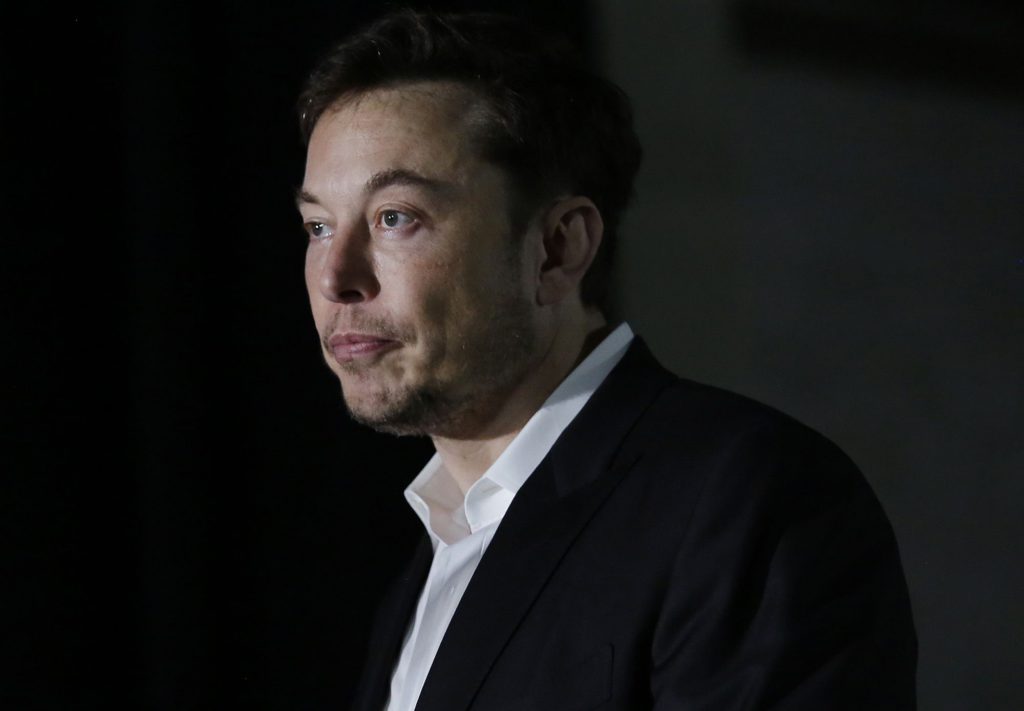
(Bloomberg) — SpaceX has fired “a number of employees” responsible for an open letter critical of the behavior of Chief Executive Officer Elon Musk, according to an internal memo, an unusual clash hinting at growing discord over the billionaire’s controversial comments.

The open letter called Musk’s behavior and tweets “a frequent source of distraction and embarrassment for us, particularly in recent weeks.” The document, which began circulating among staff in recent days, called on SpaceX leadership to condemn and distance itself from Musk’s “personal brand.”

SpaceX President Gwynne Shotwell said in the memo, which was seen by Bloomberg, that the company investigated the open letter and has terminated employees involved.

The situation “made employees feel uncomfortable, intimidated and bullied, and/or angry because the letter pressured them to sign onto something that did not reflect their views,” Shotwell said in the email. “We have too much critical work to accomplish and no need for this kind of overreaching activism.”

SpaceX didn’t immediately respond to a request for comment. The firings were reported earlier by the New York Times. A separate report from Reuters said at least five workers were fired.

See also: Elon Musk’s 180 on Tesla Job Cuts Did Damage to His Credibility

The upheaval is unusual for the rocket-launch and satellite-communications company, which Musk has maintained a tight grip over since founding it two decades ago. Space Exploration Technologies Corp., which has roughly 12,000 employees, serves private customers as well as government agencies including NASA.

Musk, also CEO of electric-vehicle maker Tesla Inc., regularly generates controversy, whether over his stances on overtly political topics, crass tweets or references to drug culture. Last month, Insider reported that SpaceX had paid an employee $250,000 to settle a claim she was sexually harassed by Musk in 2016. He has pushed back against the allegations, calling them “utterly untrue.”

Musk also is in a contentious process to acquire Twitter Inc. for $44 billion. He met with employees Thursday for the first time, where he said people should be allowed to say “pretty outrageous things” on the social-media platform.

(Updates with additional details beginning in fourth paragraph)

More stories like this are available on bloomberg.com

©2022 Bloomberg L.P.

India Seeks to Globalize Payment Systems, Keep Processing Local

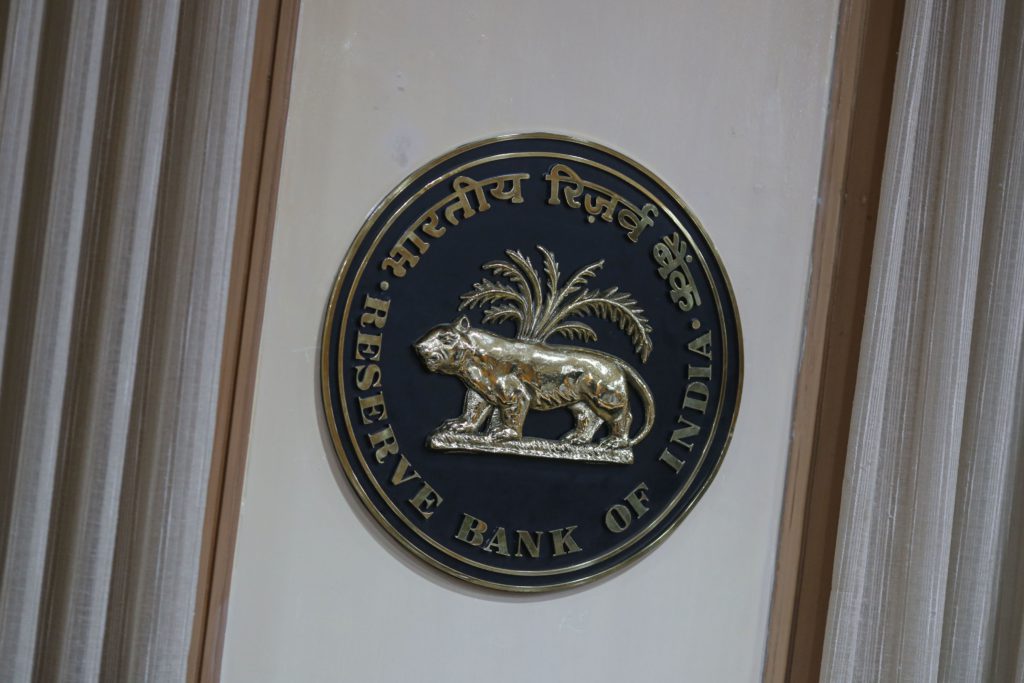
(Bloomberg) — The Reserve Bank of India will support internationalization of the country’s popular UPI digital payments system, part of its vision for the coming years.

“Enhanced interest evinced by major countries across the globe in India’s UPI could accelerate growth in trade and commerce with partnering countries while reducing speed and cost of remittances,” the central bank said in a Vision 2025 document. It will also explore expanding the SFMS financial messaging system across jurisdictions. 

The RBI expects the UPI platform to see average annualized growth of 50% in the next three years, and said measures it plans to take will triple the number of digital payment transactions. The body governing UPI signed an agreement this week to allow UPI in France after entering partnerships in Singapore and the UAE.

While the central bank looks at ways to promote India’s payment systems to other countries, it could consider mandating only domestic processing of payments. Payments providers are already required to store data locally, with credit card provider Mastercard seeing a nearly year-long ban on adding new customers lifted on Thursday after it complied with the rules. 

The central bank will also soon publish a discussion paper on the need for regulation of big technology companies in the payments ecosystem.

More stories like this are available on bloomberg.com

©2022 Bloomberg L.P.
US Needs Plan for Universal Mobile Device Chargers, Senators Say

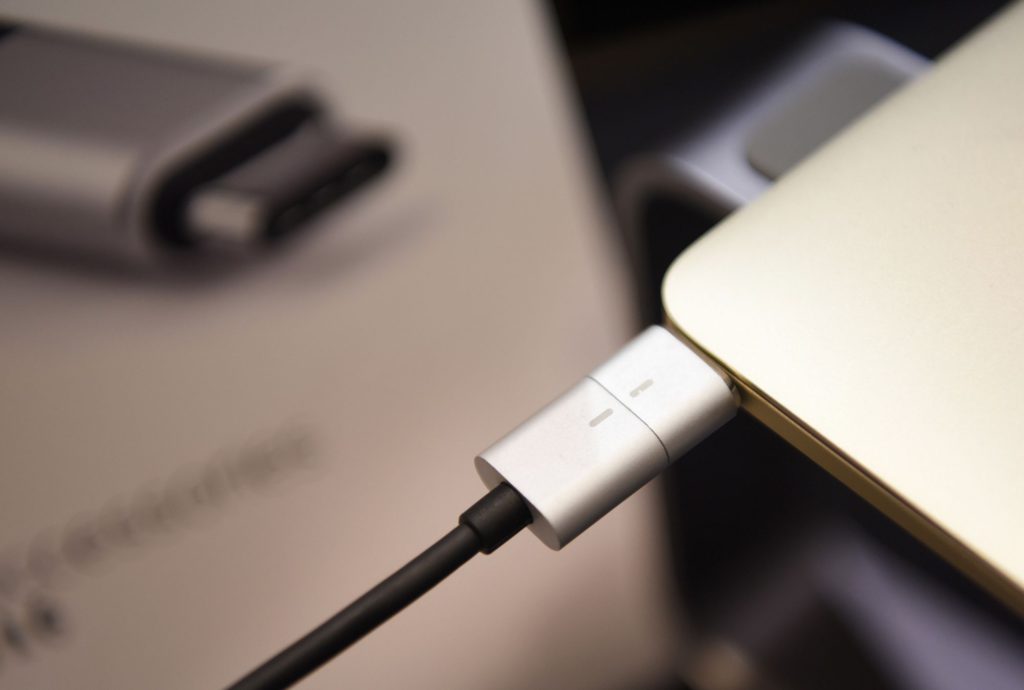
(Bloomberg) — A trio of US senators has called on the Commerce Department to develop a plan to implement common chargers across mobile devices.

Senators Edward Markey, Elizabeth Warren and Bernie Sanders said the US should follow the European Union’s lead and require electronics manufacturers to adopt a common charger for cell phones.

The EU’s “policy has the potential to significantly reduce e-waste and help consumers who are tired of having to rummage through junk drawers full of tangled chargers to find a compatible one, or buy a new one,” the senators said in a letter to Commerce Secretary Gina Raimondo.

Consumers own an average of three different charging devices, according to a statement from Markey. 

More stories like this are available on bloomberg.com

©2022 Bloomberg L.P.
UK’s M&A Watchdog Appoints First Female CEO for Interim Role

(Bloomberg) — The UK has appointed the first woman as head of the nation’s antitrust watchdog, as it searches for a permanent chief to steer the increasingly aggressive regulator.

Sarah Cardell, who currently serves as the Competition and Markets Authority’s most senior lawyer, will take over the role from chief executive Andrea Coscelli on an interim basis when he steps down in July after six years, Business Secretary Kwasi Kwarteng said in a statement on Friday. The UK has now began the recruitment process for a new permanent CEO.

By promoting Cardell, the UK joins with the European Union, where Margrethe Vestager is in her second term as competition commissioner, and the US, which last year elevated Lina Khan to become chair of the Federal Trade Commission.

The CMA has become more interventionist and expanded its global profile under Coscelli’s tenure, flexing its powers in clamping down on big tech dominance. It launched a probe last week into Alphabet Inc.’s Google Play app store over suspected anticompetitive conduct, alongside results of a sweeping study taking aim at Alphabet and Apple Inc.’s “strong grip” over mobile technologies. 

A changing of the guards is taking place at the agency, with Kwarteng recently ending a two year search to fill the position of chair by nominating ex-Boston Consulting Group senior partner Marcus Bokkerink. 

Cardell and her successor will inherit the CMA’s ambitious probes and also await legislation which gives its Digital Markets Unit the power to enforce more types of intervention. The agency is also grappling with how to use its powers to deal with the cost-of-living crisis, including opening a review into the fuel market ordered by the government.

Cardell takes over at a time when critics argue that the agency is taking a more interventionist approach than is necessary and that the watchdog has become more politicized and less business friendly. The UK says it wants the next CEO to prioritize both competition and consumers.

“The work of the CMA to promote competition has never been more important, ensuring that prices remain as low as possible and supporting growth and innovation in our economy,” said Cardell in a statement. 

The chief executive role comes with annual pay of about £195,000 ($238,570), according to a job advert from recruitment agency Gatenby Sanderson. The deadline for applications is next month and the process will run through to a final panel mid-September.

Read more: Silicon Valley Will Be Tamed By Global Response, U.K. Chief Says

(Updates with details of the recruitment process, salary in the last paragraph)

More stories like this are available on bloomberg.com

©2022 Bloomberg L.P.

Close Bitnami banner
Bitnami