Bloomberg

Twitter Cancels Its Company Retreat at Disneyland, Citing Costs

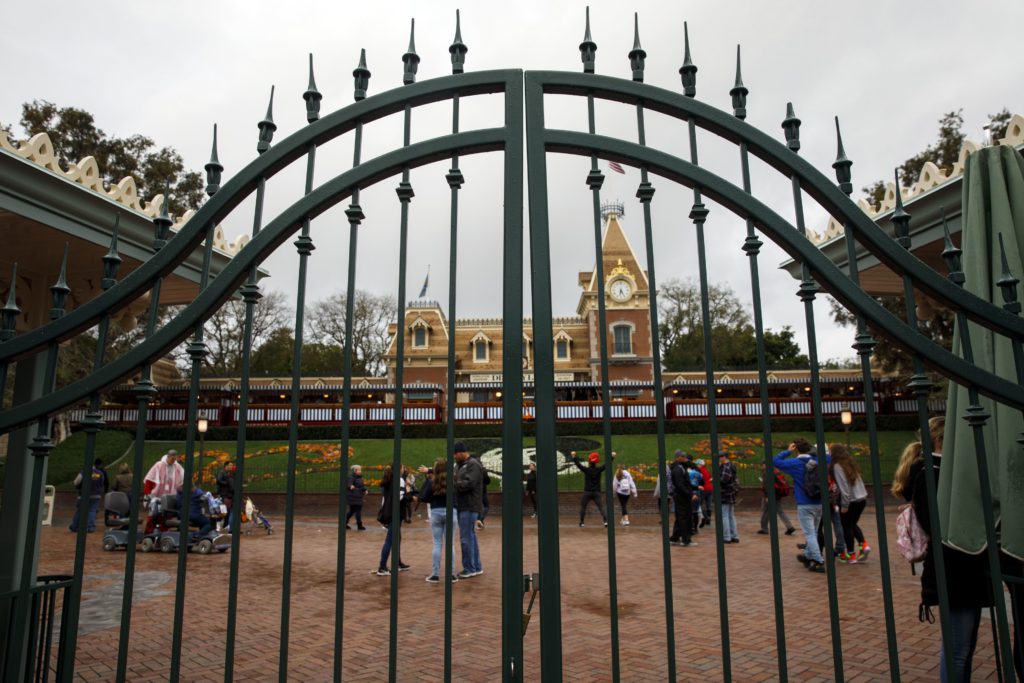
(Bloomberg) — Twitter Inc. has canceled a companywide retreat scheduled for January 2023 at Disneyland, saying cost-cutting measures to reduce corporate travel led the event to be scrapped.

The occasional gathering, known as OneTeam, was last held in early 2020 in Houston before the pandemic forced the San Francisco-based social media company and its employees to start working remotely. 

“We’ve made the difficult decision to not move forward with our OneTeam annual gathering in 2023, and are limiting domestic and international business travel for business-critical purposes only,” a spokesman said in a statement. “The reduction of travel and event costs allow us to operate in a more responsible and efficient manner, considering the global macroeconomic environment we’re currently facing.”

Twitter previously announced a hiring pause and other efforts to reduce expenses. Employees are expected to hear Thursday at an all-hands meeting from billionaire Tesla Inc. Chief Executive Officer Elon Musk, who has reached an agreement to buy the company for $44 billion. Musk has already pitched bankers on plans for cost cutting at Twitter when the deal closes.

(Updates with Musk’s plans in the final paragraph. A previous version corrected the second paragraph to reflect the event is held occasionally.)

More stories like this are available on bloomberg.com

©2022 Bloomberg L.P.

Jeffrey Gundlach Tells CNBC That Powell Is ‘Very Short-Termist’

(Bloomberg) — DoubleLine Capital Chief Executive Officer Jeffrey Gundlach took Federal Reserve Chairman Jerome Powell to task for what he said were “contradictory” statements after the central bank raised rates by 75 basis points on Wednesday. 

Gundlach, speaking in an interview on CNBC, said Powell’s comments earlier in the day showed the Fed chair had taken a short-term outlook and made a “complete U-turn on some of the things” said “six weeks ago and six months ago.” 

The investment manager sees the target for the federal funds rate at around 2.5% to 2.75% by September. 

Inflation is “so high” that for the Federal Open Market Committee’s objective to return inflation to 2% is “completely out of the cards if you look at the data,” Gundlach added. 

US inflation hit a fresh 40-year high in May, with the consumer price index rising 8.6% from a year ago. The DoubleLine model sees inflation possibly coming down to the high 6s by year end. 

Gundlach argued that the Fed should bring rates to 3% now and then watch the data in order to give themselves the flexibility that they need. 

Gundlach said he wasn’t bullish on Bitcoin at $20,000 or $21,000 and “wouldn’t be surprised if it went to $10,000.” He said he is bearish on the dollar in the long term but remains “kind of neutral on stocks.”

More stories like this are available on bloomberg.com

©2022 Bloomberg L.P.

Europe’s Rubber Addiction Is Killing Africa’s Tropical Forests

(Bloomberg) — Europe’s demand for rubber to make tires and other products is destroying tropical forests across Africa and proposals from Brussels to limit environmental damage currently do little to address the problem.

A new satellite data study by non-profit Global Witness links European Union rubber imports to the deforestation of 520 square kilometers in Cameroon, Gabon, Ghana, Ivory Coast Liberia and Nigeria since the start of the millennium. Rubber poses a bigger threat to Africa than the bloc’s imports of palm oil, yet it is not included in a law designed to stop trees being cut down outside of the EU.

The findings underscore the damage that demand for commodities has on ecosystems crucial to combating climate change. Forests in West and Central Africa absorb about three times as much carbon dioxide per year as France emits, according to World Bank data. 

“The EU’s voracious appetite for rubber is devastating indigenous communities and eroding a vital carbon sink,” said Giulia Bondi, senior EU forests campaigner at Global Witness. “Yet astonishingly a draft law to prevent deforestation-linked products from being sold in Europe doesn’t include rubber.”

Read: Cattle, Palm Oil Firms Miss Deforestation Targets, Report Finds

The EU currently imports about 30% of the rubber shipped abroad by Africa’s top producers, more than 12 times the value of the palm oil it buys, according to the study. Global demand for the commodity rebounded last year, rising by 9% from 2020, according to the Association of Natural Rubber Producing Countries.

While a pledge to end deforestation was one of the big breakthroughs at the COP26 climate summit last year, some agri industries are trying to weaken the proposed regulations, according to Greenpeace. That pressure may increase as food and commodities prices soar.

The European Commission’s proposal — covering beef, wood, soya, coffee and cocoa, in addition to palm oil — is designed to bring the greatest benefits in terms of prevented deforestation at the lowest cost for the operators involved, according to an EU official. The scope of the initiative could later be expanded, he said.

Christophe Hansen, lead negotiator for the EU’s deforestation law in Parliament, is pushing for rubber to be included in the list of sectors covered by the proposal. He says the European Commission was wrong in taking a cost-benefit approach on which sectors to include, and should have instead looked at the environmental footprint of the products.

The commission’s approach to include certain commodities, but not others, was not the right one, said Hansen, a lawmaker for the European People’s Party, said in an emailed response to questions. “The report clearly confirms my move to include rubber in the scope of the regulation,” he said.

More stories like this are available on bloomberg.com

©2022 Bloomberg L.P.

Goldman Buyback Desk Was Flooded With Orders During Stock Rout

(Bloomberg) — While hedge funds were busy bailing from stocks at a record pace as the S&P 500 plunged into a bear market, Corporate America was furiously buying.

As the benchmark index notched successive drops of more than 2.9% on Friday and Monday, Goldman Sachs Group Inc.’s unit that executes share buybacks for clients saw volume spiking to 2.8 times last year’s daily average on the first day and more than triple the average on the second. Each session ranked as the firm’s busiest of this year. 

The deluge of repurchases didn’t keep the S&P 500 completeing a 10% drop in just five sessions. Still, that willingness to snap up shares in times of turmoil underlines how reliable a source of support companies are in a year when many investors have taken the Federal Reserve’s hawkishness to heart and turned their backs on risky assets like stocks. 

“It provides some level of comfort to know that companies are viewing the latest selloff as an opportunity to repurchase shares rather than retrenching,” said Adam Phillips, managing director of portfolio strategy at EP Wealth Advisors. “It will be interesting to see if this trend can be sustained in the second half of the year.”

The S&P 500 jumped 1.5% Wednesday after the Fed raised interest rates by the most in almost three decades, but suggested such outsize moves won’t be common as it moves to bring inflation back under control.

Regardless, corporate buys don’t look set to slow when judging by announced plans. American firms have advertised the intention to buy back $709 billion of their own shares since January, 22% above the planned total at this time last year, data compiled by Birinyi Associates show. 

David Kostin, chief U.S. equity strategist at Goldman, predicts actual buybacks this year will rise 12% to a record $1 trillion. 

But Goldman’s trading desk also sounded a near-term warning: with second-quarter earnings season slated to kick off in weeks, Tuesday marked the start of a blackout period where buyback volumes usually decline by 35%. 

Read more: Big Money in Stock Market Is In Mad Dash to Get Out of Fed’s Way

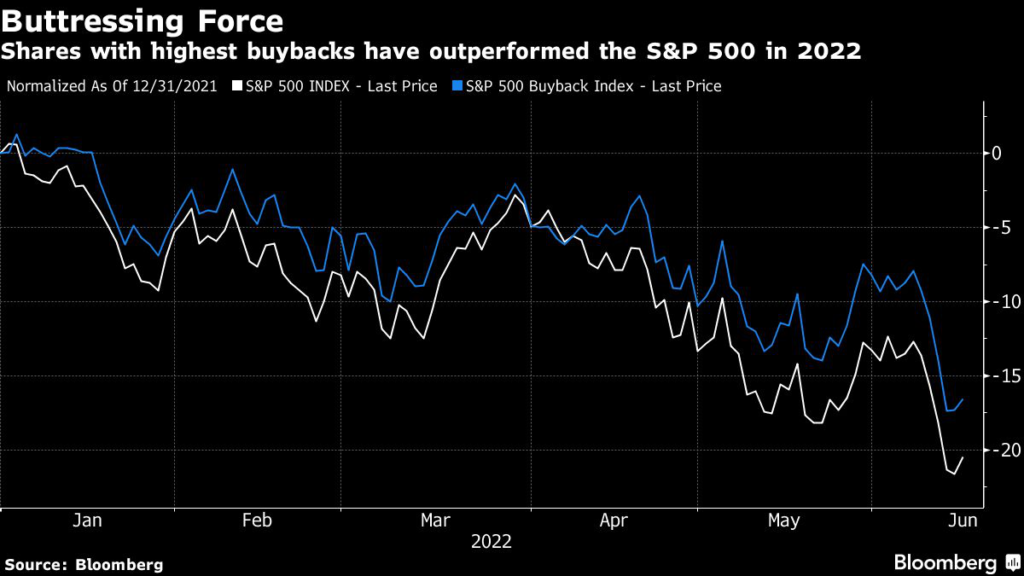
Repurchases tend to keep equity losses from snowballing. The S&P 500 Buyback Index, tracking the top 100 stocks with highest repurchases, is down 16.5% this year, roughly 4 percentage points better than the broad benchmark. 

Shareholders fretting over stagflation are not totally in love with companies using cash in that manner. In Bank of America Corp.’s latest monthly survey, roughly one fifth of money managers voted for returning cash to shareholders, down slightly from the 2022 peak. Meanwhile, 44% of money managers wanted companies to strengthen their balance sheets, the highest proportion since January 2021.  

Mike Wilson, chief U.S. equity strategist at Morgan Stanley, is less sanguine that corporate demand will be able to sustain the record-setting pace when the earnings outlook is murky.  

Plotting sentiment among chief executive officers and corporate buybacks since 1998, Wilson’s team found that falling confidence among business leaders, as is the case now, tended to lead buybacks by roughly six months. Should the pattern play out this time, buybacks could fall toward the back half of this year. 

“It’s unlikely we repeat the massive growth from 2021 vs. 2020 but the question is whether markets can maintain growth,” Wilson wrote in a note earlier this week. “2022 has been a unique year with cost pressures pushing down on corporate margins and posing risk to EPS estimates.” 

More stories like this are available on bloomberg.com

©2022 Bloomberg L.P.

Battered WTO Risks a ‘Dead End’ Heading Into Final Day of Talks

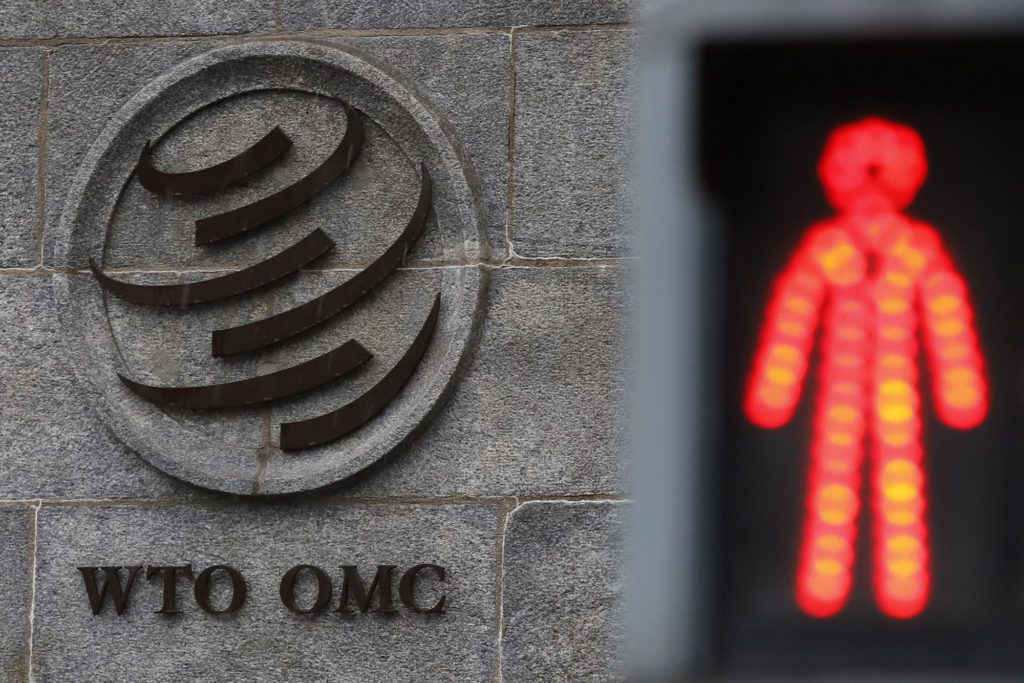
(Bloomberg) — A global bid to deliver a package of World Trade Organization agreements on issues ranging from food security to tariff-free digital commerce headed into an extended session with hopes fading that a final push for compromise will yield 11th-hour breakthroughs.

On the final full day of the WTO’s 12th ministerial conference in Geneva, officials from the world’s largest economies were only a few words away from an agreement to waive intellectual-property rights for Covid-19 vaccines. But India remained a key holdout in negotiations expected to end by mid-afternoon on Thursday. 

The future success of a trade body that has not concluded any multilateral agreements in almost a decade hinges on members making sufficient compromises in the coming hours in order to overcome a veto by any of its 164 members. 

“There are three roads out of here,” International Chamber of Commerce Secretary-General John Denton said in video statement. “The first is compromise, which will provide relevance for the WTO. The second is muddling together something that looks acceptable. The third is the dead end.”

“It looks like the 100 ministers present in Geneva are condemning the WTO to a dead end,” he said. “We’re going to work like hell to find ways through that.”

Green Room Meeting

WTO Director-General Ngozi Okonjo-Iweala sought to close the remaining gaps in the negotiations and produced a series of draft texts that aimed to resolve disagreements that have persisted in the WTO’s negotiations for years.

On Wednesday evening, Okonjo-Iweala convened a closed-door meeting with more than a dozen trade officials to determine their willingness to approve the following:

  • a framework to expand global access to vaccines and help mitigate the global food crisis
  • a process to reform how the WTO functions
  • a renewal of the WTO’s ban on e-commerce duties
  • an agreement to curb harmful fishery subsidies, and
  • a work program to improve the WTO’s agriculture rules

The European Union, which has been an active contributor to all areas of the the WTO’s ministerial negotiations, said it was broadly supportive of the proposed texts, including the IP waiver, according to an account of the deliberations from a person close to the WTO. 

Meanwhile, the Chinese delegation said that with a little more work it may be in a position to support the WTO’s proposal to waive IP rules — indicating that negotiators may be close to resolving a key disagreement with the US over its ability to benefit from the proposal.

But prospects appeared more bleak for a deal to curb harmful government fishing subsidies, a rollover of the WTO’s e-commerce moratorium and a package to help alleviate the looming food crisis, according to the readout.

The US delegation urged members to press forward and indicated that US Trade Representative Katherine Tai plans to depart Geneva on Thursday morning at 9 a.m., after which point any agreements may prove elusive.

Vaccine Waiver

India reiterated Commerce Minister Piyush Goyal’s view that any WTO vaccine agreement must also waive IP rights for Covid-19 diagnostic tests and therapeutic drugs, according to the readout.

On Tuesday, Goyal told ministers “there is no way we are going to yield” on its demand and for the first time acknowledged that “not a single plant to make manufacturing of vaccines will come with this” agreement.

India blamed powerful nations for dragging out the negotiations for so long that it finally lost its relevance as pharmaceutical manufacturers were ultimately able to produce an oversupply of vaccines.

“What we are getting is completely half-baked and it will not allow us to make any vaccines,” Goyal said in a statement posted on his ministry’s website. “Vaccines have already lost relevance,” he said. “It’s just too late; there is no demand for vaccines anymore.”

E-Commerce Moratorium

If governments fail to roll over the WTO’s digital duty ban, it could open a new regulatory can of worms that could increase consumer prices for cross-border Amazon.com purchases, Netflix movies, Apple music, and Sony PlayStation games.

India, which previously proposed ending the ban, said it won’t concede its ability to impose digital tariffs and wanted policy space to help develop its own domestic e-commerce industry, according to the readout. Likewise, South Africa said a rollover of the WTO e-commerce ban was not yet ripe for adoption.

Most other delegates at the meeting — including the EU, US, UK, China, Brazil — favored renewing the WTO’s e-commerce moratorium as a means to reduce poverty, support small businesses and help women entrepreneurs. India separately rebuffed a Chinese proposal to allow nations to voluntarily opt out of the waiver.

“If they can’t do this then the WTO, as they convene it, will be officially broken,” Denton said.

More stories like this are available on bloomberg.com

©2022 Bloomberg L.P.

Tiger Global Partner Behind Big Carvana Wager Leaves Hedge Fund

(Bloomberg) — Tiger Global Management has parted ways with Sam Harland, the partner responsible for the hedge fund’s bet on beleaguered used-car dealer Carvana Co., according to people with knowledge of the matter.

Harland, 33, also led the firm’s wagers on remote talent marketplace Instant Teams, hiring platform WizeHire and Bravado, a networking platform for sales professionals. 

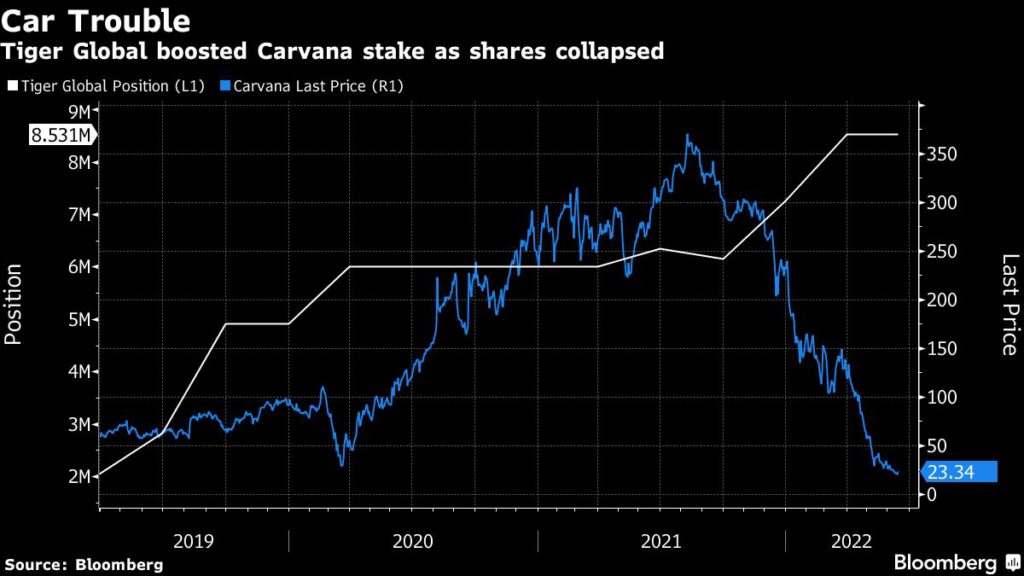
But the hedge fund’s investment in Carvana, which it ramped up in the six months through March, has drawn particular scrutiny. The Phoenix-based company’s shares have tumbled more than 90% from their peak in August, saddling Tiger Global and other hedge funds who bet big on the pandemic darling with steep losses.

Harland didn’t immediately respond to requests for comment, and a spokesperson for Tiger Global declined to comment on his departure. 

Led by Tiger founder Chase Coleman, the hedge fund’s losses this year reached 52% as of the end of May. Carvana was Tiger Global’s eighth-largest position by market value as of March 31, according to a regulatory filing.

The New York-based firm began amassing its position in Carvana in early 2019. It added an additional 1.27 million shares in the first quarter, bringing its total position to 8.53 million shares, or an 8.1% stake, making it the third-largest public shareholder tracked by Bloomberg. Its average cost basis is $105.80, more than five times the $20.92 level the stock closed at on Tuesday. 

Carvana, which soared in popularity during the pandemic as consumers turned to e-commerce, has gradually faced a reckoning as investors questioned its grow-at-all-costs strategy. It reported its first-ever sequential decline in quarterly retail sales in February and last month said it cut 2,500 employees in an effort to “better align staffing and expense levels with sales volumes.”

Harland was among the group of partners investing out of the firm’s $12.7 billion venture fund, known as PIP 15, according to data compiled by PitchBook. 

More stories like this are available on bloomberg.com

©2022 Bloomberg L.P.
Technology and Bank Stocks Get Boost After Aggressive Fed Action

(Bloomberg) — Technology and financial stocks got a boost on Wednesday after the Federal Reserve raised rates by the most in nearly three decades but it ruled out signs of a broader economic slowdown.

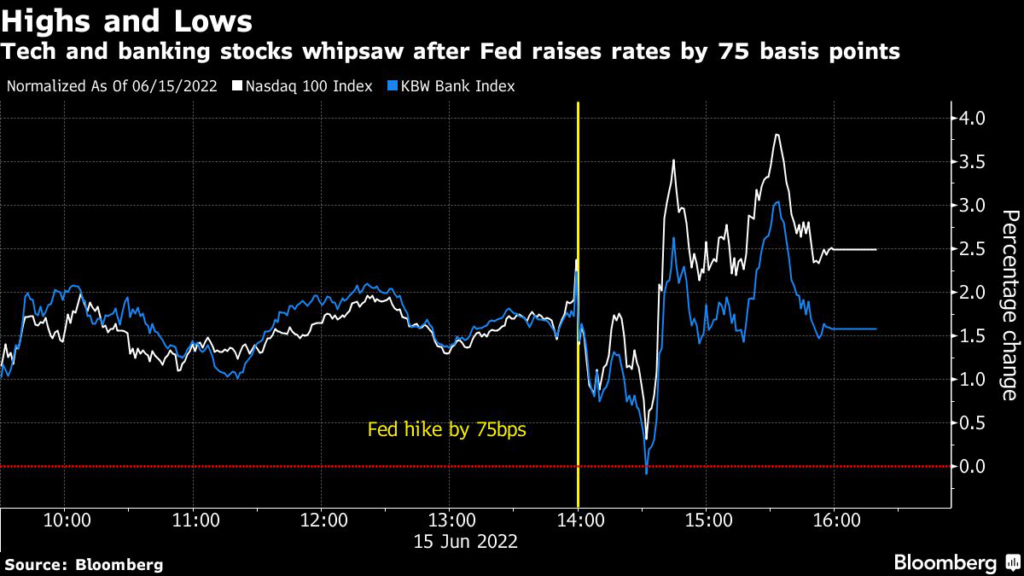
The tech-heavy Nasdaq 100 Stock Index rallied 2.5%, the most in nearly two weeks, led by beaten down stocks such as Netflix Inc. The KBW Bank Index of 24 financial stocks rose 1.6%, putting a halt to a five-day losing streak. 

Stocks waffled in the aftermath of the Fed’s announcement but later extended gains notched earlier in the day after Chair Jerome Powell said he doesn’t expect Wednesday’s 75-basis point rate increase to become a common occurrence and that he didn’t see signs of a broader slowdown in the economy.

“As far as the initial reaction, we were probably sated with what we got,” said Sameer Samana, senior global market strategist at Wells Fargo Investment Institute. “There are some spots within equities that look attractive.”

Netflix and Amazon.com Inc., which have seen their stocks pummeled this year amid slowing growth and soaring US Treasury yields, posted the biggest gains in more than a month. Netflix jumped 7.5% and Amazon rose 5.2%.

Read more: Apple’s $2 Trillion Market Valuation on Shaky Ground: Tech Watch

In the banking sector, Citigroup Inc. was among the biggest advancers with a gain of 3.5% while Bank of New York Mellon Corp. rose 3.1%. While rising interest rates are typically seen as a boon for lenders, the threat of a recession has weighed heavily on the sector since mid-January. All six of the largest US lenders remain lower by 20% or more this year. 

“This Fed rate hike and likely additional ones should help traditional banking revenues grow at the fastest pace in four decades over the next couple of years,” said Wells Fargo banking analyst Mike Mayo.

(Updates with closing prices throughout, additional commentary and futures trading)

More stories like this are available on bloomberg.com

©2022 Bloomberg L.P.

Crypto-SPAC Deals Stuck in SEC Limbo as Token Demand Plunges

(Bloomberg) — Crypto companies that have been trying to go public since last year’s boom remain stuck in a lengthy back-and-forth with US regulators, adding to the pile of challenges facing the industry.

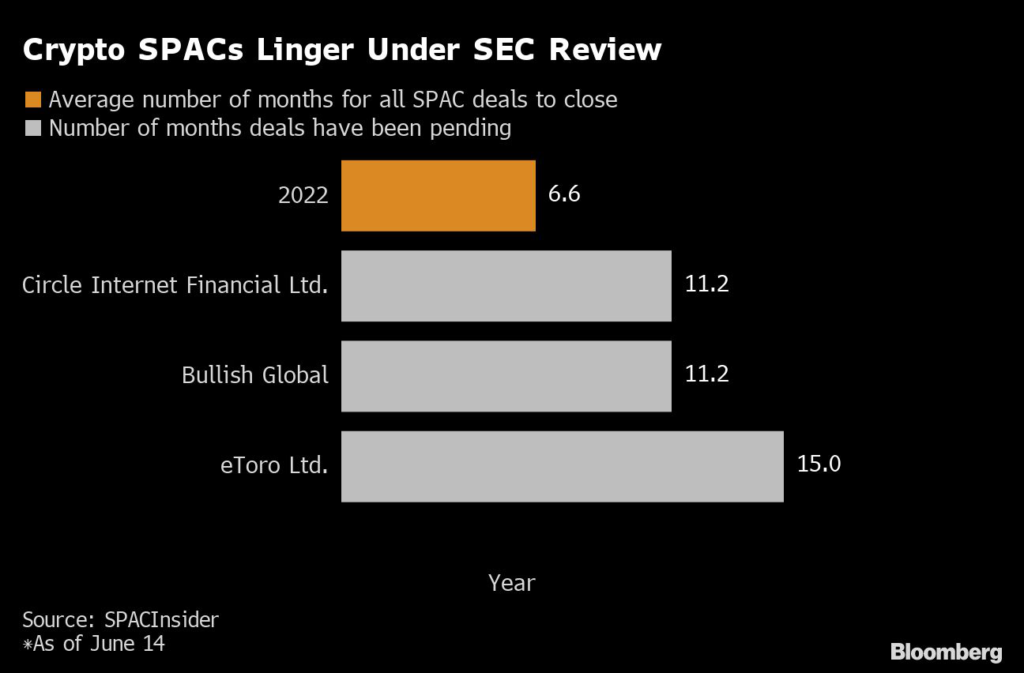
Bids to merge with blank-check companies are getting scrutiny from accountants at the Securities and Exchange Commission because the asset class raises fresh bookkeeping issues, according to people familiar with the matter. Dates for closing multibillion-dollar deals involving Circle Internet Financial Ltd., a stablecoin issuer, and exchanges run by Bullish Global and eToro Group Ltd. have all been pushed back multiple times. 

While the SEC has been stepping up oversight of all deals involving special purpose acquisition companies, the delays are particularly fraught for virtual-coin companies already reeling from a steep market downturn. The total market value of cryptocurrencies has plunged to less than $1 trillion from $3 trillion in November amid high-profile blowups and a rise in interest rates that’s sapped demand.

“This is just another brick in the obstacle wall that has been steadily constructed by the SEC to impede crypto developments,” said Gary DeWaal, chair of Katten Muchin Rosenman’s financial markets and regulation practice.

In some cases, the regulator now takes twice as long to review paperwork from firms in the crypto industry as they do for other sectors, according to data and research provider SPACInsider. The SEC declined to comment. 


The SEC doesn’t technically approve SPAC deals, but sponsors are loathe to finalize a tie-up until the agency is satisfied. That means that even for those involving more vanilla companies, the back-and-forth over investor disclosures can go on for months. 

Bitcoin has declined for nine straight days, falling as much as 8.6% on Wednesday. The world’s biggest cryptocurrency was down 2.3% at 4:20 p.m. in New York.

Topsy-turvy markets can create new risks that companies must disclose to investors and lead to prolonged discussions with regulators. For crypto, another major sticking point has been accounting guidance that the SEC issued in March. To satisfy the agency, firms must count assets they’re safeguarding for customers as liabilities on their balance sheets. 

It’s standard for the SEC chief accountant’s office to get involved in the review process when businesses raise new accounting issues, said one of the people familiar with the matter who asked not to be named discussing the agency’s internal procedures. 

Successfully navigating that process with the regulator is crucial for SPAC sponsors who generally must complete a deal within two years. 

Bullish Global revised its paperwork for a sixth time on May 31, and now has until July to close its SPAC deal that last year was valued at $9 billion. Trading platform eToro, which has until June 30 to complete its SPAC deal that’s been valued at $8.8 billion, is studying the accounting guidance, a spokesperson said. Bullish Global declined to comment beyond its filings. Last month, Circle updated its accounting in the latest amendment of its SEC registration statements to reflect the SEC’s guidance.

“We appreciate that the SEC is being thorough as they navigate fairly novel businesses that want the trust, transparency and accountability that come with being a public company,” Circle said in a statement. The firm announced in February that the terms of its planned merger changed and the value of the transaction had doubled to $9 billion. 

Since taking over as head of the agency in April 2021, Gensler has frequently raised concerns around crypto and SPACs.

In March, the SEC proposed sweeping rule changes for all blank-check companies. That proposal would tighten oversight of the market, require more disclosure about potential conflicts of interest and impose new responsibilities on banks underwriting the transactions. Since then the once white-hot SPAC market has cooled significantly with underwriters including Goldman Sachs Group Inc. and Bank of America Corp. have distanced themselves.

While some have applauded the SEC’s plan to crack down on SPACs, others on Wall Street are pushing back. The specter of increased legal liability for banks underwriting the transactions emerged as a particular sticking point in comment letters filed with the regulator this week. 

Of 14 total crypto-related SPAC deals announced since 2019, only five of have closed, according to SPACInsider.

(Updates with Bitcoin price drop in seventh paragraph.)

More stories like this are available on bloomberg.com

©2022 Bloomberg L.P.

Gold’s Floor Price Is Getting Higher, Top Producer Newmont Says

(Bloomberg) — The head of the biggest gold producer isn’t about to join bullion bugs in predicting a price rally. But Tom Palmer does see a higher floor forming under the market as years of stimulus devolve into a fight to contain inflation.

As global markets wilt on fears of stagflation, gold has stayed relatively resilient given its haven status. Prices are set to stay around current levels of about $1,800 an ounce, or even a little higher, amid inflationary, economic and geopolitical uncertainties, said Newmont Corp.’s chief executive officer.

That’s a downright conservative view among industry peers who have been predicting much higher prices after an unprecedented period of fiscal and monetary stimulus. But Palmer is willing to project more support when prices dip — previously the floor was about $1,200 and now it’s probably more like $1,500 or $1,600, he said.

“I see no reason why you wouldn’t, over the next year or two, see it around current levels, but more importantly sitting on top of a floor that has fundamentally moved given the events of the last couple of years,” Palmer said in an interview Wednesday at the Prospectors & Developers Association of Canada gathering in Toronto.

To be sure, gold is down from a March peak of above $2,000. But it’s little changed this year and has held up much better than the cryptocurrencies that have diverted attention of some investors away from gold. 

Palmer isn’t about to delight in crypto misfortune, though: “I focus on gold being a store of wealth for millennia in a transparent and highly regulated market. Gold is a different investment decision than crypto.”

While gold may be around forever, not all producers will, he predicted. The battle for investor attention and the increasing difficulties in developing deposits in a green way mean producers will have to be big to survive, he said. 

Newmont is big enough, Palmer said, particularly after its acquisition of Goldcorp Inc. and its Nevada partnership with Barrick Gold Corp. It also has plenty of projects in its own pipeline, such as a possible $2.5 billion expansion in Peru. Still, if opportunities to buy other large, low cost assets in the right jurisdiction came along, it would take a look.

“Our radar is tuned on if opportunities were to present, but we’re very clear on the filters that would trip that radar,” he said.

More stories like this are available on bloomberg.com

©2022 Bloomberg L.P.
Robinhood’s Stock Is Now Worth Less Than Its Cash on Hand

(Bloomberg) — Robinhood Markets Inc. shares slumped to a fresh low on Wednesday, giving the beleaguered brokerage a market value that’s less than the cash on its balance sheet.

After posting more than $3 billion of losses since its initial public offering in late July, Robinhood’s shares have plunged more than 80%, cutting its market capitalization to as low as $5.99 billion. The firm had $6.19 billion of cash and cash equivalents at the end of the first quarter.

At least two Wall Street analysts lowered their price targets on the stock this week after Robinhood reported disappointing metrics for May, reflecting a broader downturn in trading and upheaval in cryptocurrency markets as monthly active users plunged 39% from a year earlier. The firm is also trading at about 85% of its book value, down from more than 500% at the end of September.

“With customers returning to pre-pandemic behavioral trends and a potential recession ahead, user engagement seems likely to decline further,” Atlantic Equities analyst John Heagerty wrote in a note to clients. “Plummeting crypto valuations will have a direct impact on both volumes and order value.” 

Heagerty downgraded Robinhood to the equivalent of sell and lowered his price target to $5 a share, a day after JPMorgan Chase & Co.’s Ken Worthington slashed his to $7 from $11. The stock slid 2.2% to $7.07 at 2:53 p.m. in New York, after dropping earlier to a record low of $6.87. 

“A lot of guys who opened up accounts, acting on suggestions from Reddit, have gone away,” Piper Sandler & Co. analyst Rich Repetto, who has a neutral rating on the stock, said in a phone interview.

A spokesman for Menlo Park, California-based Robinhood declined to comment.

Robinhood’s founders, Chief Executive Officer Vlad Tenev and Chief Creative Officer Baiju Bhatt have fallen from the ranks of the world’s billionaires amid the rout. It has also dented the fortunes of crypto billionaire Sam Bankman-Fried, who recently acquired 7.6% of Robinhood’s outstanding shares. His stake is now worth about $400 million, roughly 40% less than when the initial investment was disclosed in May.

Read more: Robinhood Lists Four Crypto Tokens, Including Shiba, Solana

Earlier this month, Securities and Exchange Commission Chair Gary Gensler said he asked staff to consider an overhaul to US equity markets that could threaten a key source of Robinhood’s revenue. Equity order flow payments — transactions that could be under threat if the SEC moves forward with major changes — made up about 12% of the company’s revenue in the first quarter. 

Robinhood was a central figure in last year’s meme-stock mania, when hordes of individual investors banded together on Reddit to bid up shares of GameStop Corp. and others. The episode forced Robinhood to limit certain trades and raise capital to cushion against future volatility. The company’s executives have noted its strong cash position and credit lines.

Wall Street sees more losses ahead, which could erode Robinhood’s cash pile. 

The firm is expected to post a $314 million loss for the second quarter ended June 30 and more than $1.25 billion for the full year, according to the average estimate of analysts surveyed by Bloomberg. 

More stories like this are available on bloomberg.com

©2022 Bloomberg L.P.
Close Bitnami banner
Bitnami