Bloomberg

PlayStation Takes On Xbox With New Subscription Service

(Bloomberg) — PlayStation’s revamped version of its video game subscription service went live on Monday, giving members access to a catalog of several hundred games both new and old.

PlayStation Plus, once code-named Spartacus, is Sony Group Corp.’s attempt to compete with rival Microsoft Corp.’s popular Xbox Game Pass as both publishers jockey to be the Netflix of video games. The new service combines Sony’s previous subscription offerings into a three-tiered system. The most basic level, Essential, costs $10 a month and replaces the old PlayStation Plus, offering two downloadable games per month, a smattering of discounts and access to online multiplayer games. 

It’s the top two tiers that are new for PlayStation users. The Extra tier, at $15 a month, offers a library of about four hundred PlayStation 4 and 5 games, while the $18 a month Premium level adds a few hundred classic games to the pool, mostly from the PlayStation 3. The service only has around thirty PS1, PS2 and PSP games, which has been a disappointment for retro gamers.

Still, the core lineup has impressed fans so far. It includes Sony first-party games such as Spider-Man and Returnal as well as recent titles from external publishers, such as Take-Two Interactive Software Inc.’s Red Dead Redemption II and Square Enix Holdings Co.’s Guardians of the Galaxy. Indie classics such as Outer Wilds and Hollow Knight help round out the catalog. The service ran smoothly during tests by Bloomberg Monday afternoon.

But the new PlayStation Plus differs from Xbox Game Pass in one key way: It doesn’t include brand-new games. Sony’s Horizon Forbidden West, which came out in February, isn’t yet available on the service, and the upcoming God of War Ragnarok won’t be on it right away either. Sony, which relies on its blockbusters to sell tens of millions of games, has said the economics wouldn’t make sense for it to put titles on PlayStation Plus when they come out. In contrast, Microsoft has committed to putting all of its games on Game Pass as soon as they launch.

The new PlayStation Plus service debuted just one day after Microsoft’s annual Xbox showcase, which revealed several new games and highlighted footage from upcoming titles like Starfield. Each new reveal ended with a simple yet effective chyron that illustrate’s Microsoft’s biggest advantage in the coming streaming war: “Play it day one with Game Pass.”

More stories like this are available on bloomberg.com

©2022 Bloomberg L.P.

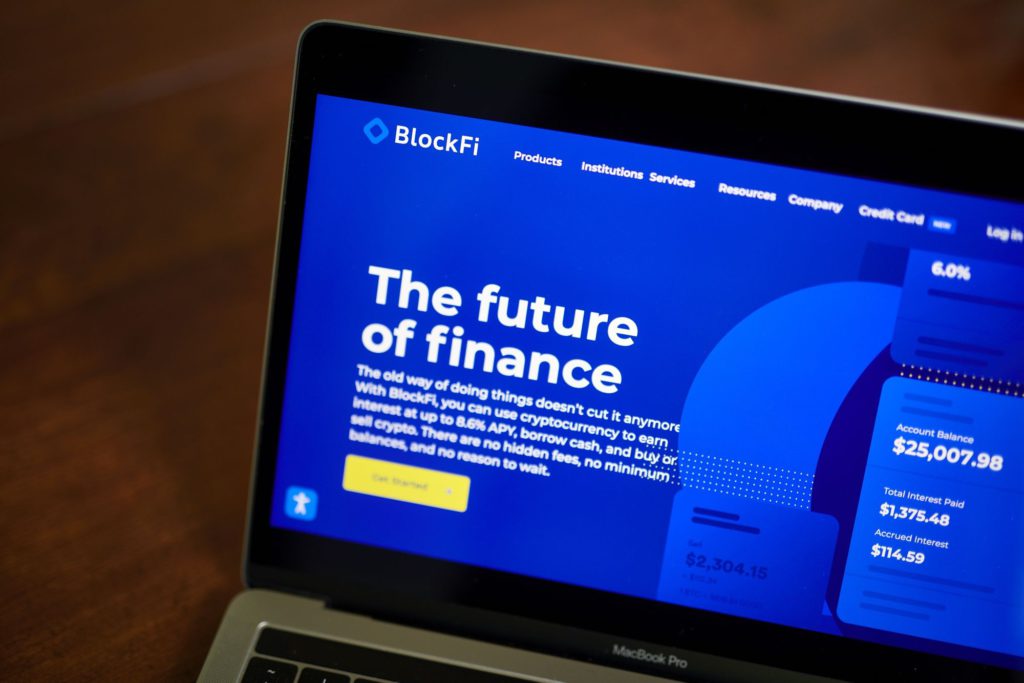
BlockFi, Crypto.com Slash Jobs as Market Meltdown Worries Swirl

(Bloomberg) — Two big names in crypto are cutting jobs as the digital currency market continues to spiral downward. Crypto lending platform BlockFi Inc. said Monday that it will reduce its headcount by about 20%, while digital currency exchange Crypto.com announced a 5% cut on Friday.

The layoffs are yet another sign of trouble for the once white-hot crypto industry. Celsius, another top crypto lending platform, said Sunday that it was pausing withdrawals, swaps and transfers following weeks of speculation that it would be unable to pay out the significant returns promised on its products. Earlier this month, crypto exchange Gemini Trust Co. said it plans to slash 10% of its staff and Coinbase Global Inc. also announced that it is rescinding job offers and freezing hiring. 

The crypto market plummeted after the implosion of the TerraUSD stablecoin in May and several coins are trading significantly lower. At the moment, the price of Bitcoin is just under $24,000, representing a 20% drop over the last 30 days. 

BlockFi founders Zac Prince and Flori Marquez said in a blog post that “market conditions that have had a negative impact on our growth rate” drove their decision to make the job cuts. Based in Jersey City, N.J., the company has more than 850 employees and is laying off more than 200 workers, dropping its headcount to arround 600 employees.

In a tweet Monday announcing the layoffs, Prince, who is the company’s chief executive officer, said that the company is committed to sticking around for the long haul.

“Our clients will not experience any material changes to the quality of service they have come to expect, their funds are safeguarded, and all platforms and products continue to operate normally,” he said. 

The crypto lending platform is also looking to secure fresh funding at a reduced valuation of $1 billion, after being previously valued at $3 billion. The lower valuation is another sign of cooling interest from venture capitalists who poured billions of dollars into the crypto industry over the past two years. 

BlockFi hit another speed bump this year, when the company agreed to pay $100 million in penalties following the US Securities and Exchange Commission’s allegations that it was selling its crypto lending product as an unregistered security.

The company declined to comment beyond what had already been posted by its executives.

Meanwhile, Crypto.com, which is headquartered in Singapore, also announced layoffs of about 260 staff, or 5% of its workforce. Chief Executive Officer Kris Marszalek tweeted Friday that the company made the “difficult and necessary decisions” to optimize for profitability and sustainable growth during a market downturn.

More stories like this are available on bloomberg.com

©2022 Bloomberg L.P.

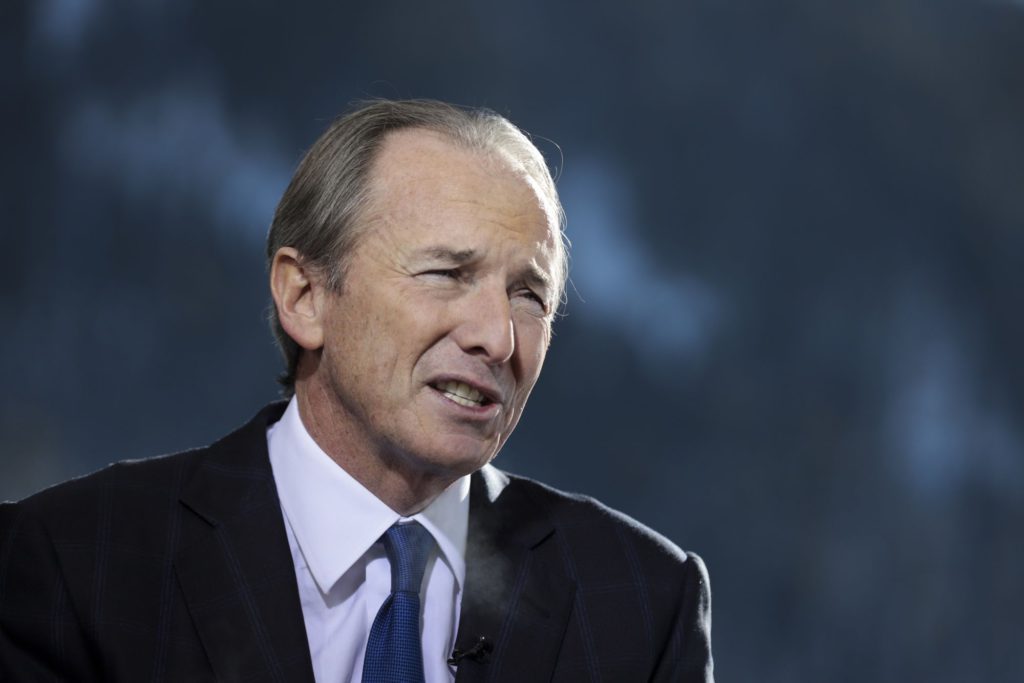
Morgan Stanley CEO James Gorman Sees 50% Recession Risk

(Bloomberg) — Morgan Stanley Chief Executive Officer James Gorman said he sees the risk of a US recession at about 50% even as he’s more focused on non-financial perils including the possibility of cyber attacks.

“It was inevitable this inflation was not transitory, it was inevitable the Fed would have to move faster than they were projecting,” he said Monday at the Morgan Stanley US Financials, Payments and CRE conference. “There was a legitimate recession risk. I used to think it was about 30%. It’s probably more like 50% now — it’s not 100%. It behooves you to be a little cautious.”

Morgan Stanley has strong liquidity and capital, and a sturdy credit profile, Gorman said, adding that his focus is more on non-financial risks such as data stability, cyber and operations risk “given where we are around the world and some of the geopolitical uncertainty associated with that.” 

The fallout could hurt some institutions with some “potentially fatally damaged,” though US banks are in very good shape, the CEO said.

More stories like this are available on bloomberg.com

©2022 Bloomberg L.P.

TerraUSD Meltdown Spurs Investor Lawsuit Against Binance.US

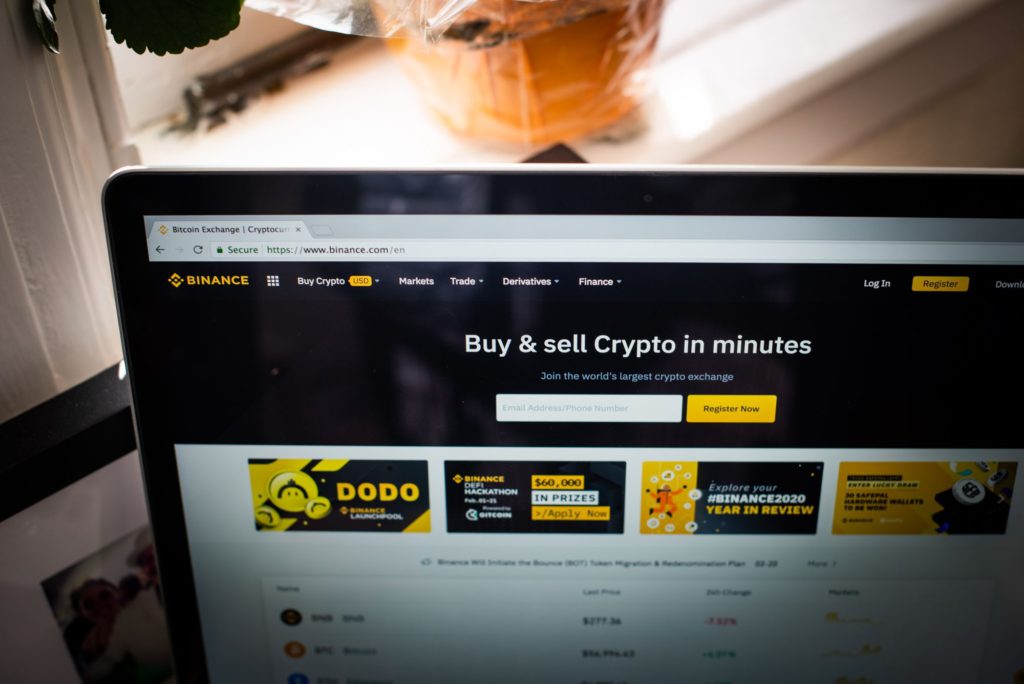
(Bloomberg) — Binance.US was sued by an investor in TerraUSD who claims the cryptocurrency exchange flouted federal regulations, with “disastrous consequences” for its customers when the stablecoin crashed last month.

Jeffrey Lockhart filed the lawsuit on Monday in federal court in San Francisco against BAM Trading Services Inc., which does business as Binance.US, alleging the exchange failed to disclose that TerraUSD is a security and seeking to represent other investors.

“Investors who purchased UST on Binance US were wiped out, learning quickly that, contrary to Binance’s U.S. advertisements, UST was not ‘safe,’ ‘stable,’ or ‘fiat-backed,’” Lockhart said in the suit, adding that Binance had taken down the ads, “effectively conceding that UST was none of those things.”

Because TerraUSD isn’t registered with the US Securities and Exchange Commission or a state regulator, Lockhart argues, buyers are deprived of “the precise disclosures designed to avoid a repeat of the 1929 stock market crash and the Great Depression that followed.”

Read More: How Billions in TerraUSD Went Up in Algorithmic Smoke

Sam Fisher, a spokesperson for the exchange, said the lawsuit had no merit.

“Binance.US is registered by FinCEN and adheres to all applicable regulations,” Fisher said, referring to the U.S. Treasury Department’s Financial Crimes Enforcement Network, adding that “we will defend ourselves vigorously.”

Bloomberg News reported last week that the SEC is investigating whether the marketing of TerraUSD violated rules instituted to protect investors. The stablecoin’s implosion last month was one of the biggest in crypto history, wiping out tens of billions of dollars in value and sending shock waves through markets. 

Stablecoins can act as a haven for investors in the volatile cryptocurrency market — when they work. TerraUSD was meant to maintain a 1-to-1 peg to the US dollar through an algorithm and trading in a related token called Luna. 

Read More: SEC Investigating UST Stablecoin Blowup in Fresh Threat to Terra

The suit comes as Bitcoin, the world’s largest digital token, fell to its lowest value in a year and a half, amid a broader cryptocurrency sell-off, after a freeze on withdrawals by the Celsius lending platform heightened worries about crypto risk.

Lockhart, a resident of Utah, is asking for an injunction blocking Binance from offering TerraUSD for purchase or sale, as well as unspecified damages. 

According to the suit, Binance itself has failed to register with the SEC as a securities exchange or broker-dealer, and it has continued to sell securities created by Singapore-based Terraform Labs, adding “insult to injury” when it started selling Luna 2.0, a new token controlled by Terraform, on May 31. 

The case is Lockhart v. BAM Trading Services Inc., 22-cv-3461, US District Court, Northern District of California (San Francisco).

Read More: Crypto Market Sinks Below $1 Trillion After Latest DeFi Blowup

(Adds comment by Binance.US in second section and context on crypto declines in third.)

More stories like this are available on bloomberg.com

©2022 Bloomberg L.P.

There’s Something Different About This Bitcoin Drawdown

(Bloomberg) — Another year, another Bitcoin collapse. At least, that’s what it looks like from the outside. But look closer, and this time really does look different.

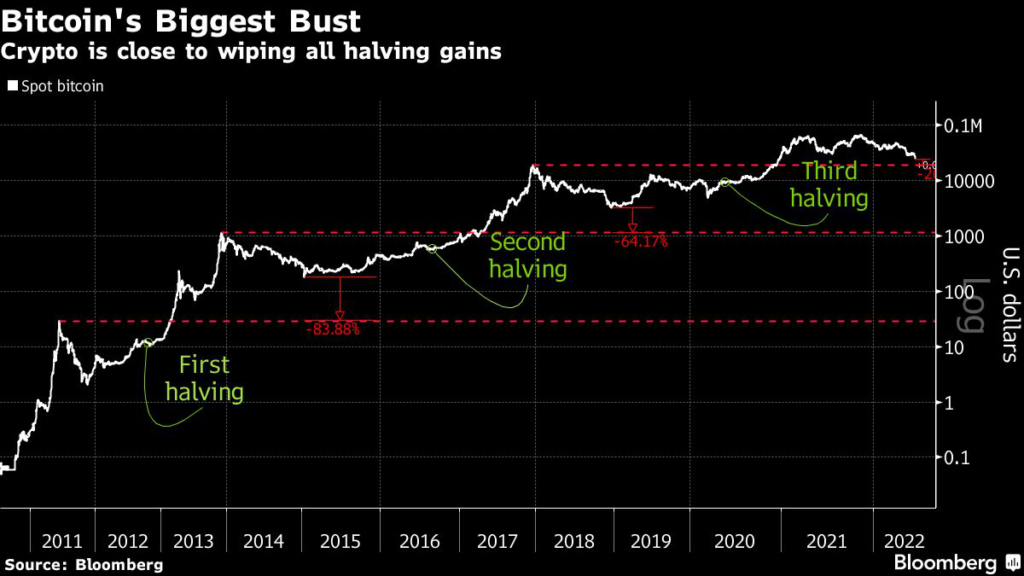
On Monday Bitcoin tumbled as much as 17% to $22,603, the lowest in about 18 months, after the freezing of withdrawals by the Celsius lending platform added to an overall risk-off backdrop as traders raise bets on more aggressive Federal Reserve tightening. Bitcoin is about to fall back below the highs of its previous halving cycle peak. That’s something that’s never happened before and matters for the investment case in crypto.

Every four years or so, the amount of crypto that miners receive for solving the algorithmic problems that allow them to record transactions on the blockchain is halved. Every time this has happened, it triggered a parabolic rally. Every successive peak was higher than the last, and when a new peak was put in place, prices never revisited the lows again. 

But it’s more than a historical curiosity. It means that, no matter how late you were in the previous cycle, even if you bought at the very peak, as long as you waited four years, you always made money. And of course, every halving has had a smaller upside impact on the price too. If we drop below $19,511 now (or so, exact figures vary by exchange) — little over 10 percentage points from where we are now — that will no longer be true.

And that could seriously damage the investment case for Bitcoin, which relies on its ability to make money as its primary means of attracting capital and keeping the cycle going.

Now, I’m not saying a drop to $18,000 would spell the end of Bitcoin. But it would seriously undermine the long-term narrative.

  • NOTE: Eddie van der Walt writes for Bloomberg’s Markets Live blog. The observations he makes are his own and are not intended as investment advice. For more markets commentary, see the MLIV blog

More stories like this are available on bloomberg.com

©2022 Bloomberg L.P.

Musk Encourages Tesla Staff While Warning of ‘Tough Quarter’

(Bloomberg) — Tesla Inc. has had a “very tough quarter” as it struggles with supply-chain snags, Chief Executive Officer Elon Musk warned in an internal memo, imploring workers to help get the electric-vehicle maker back on track.

“This has been a very tough quarter, primarily due to supply chain and production challenges in China,” Musk said in an email to employees over the weekend that was seen by Bloomberg. “So we need to rally hard to recover!”

The company’s Shanghai plant, which had slowed production in recent weeks amid severe Covid-19 restrictions, is returning to full strength and its Austin, Texas, facility is ramping up production as well, Musk said. Last week, he noted, Tesla’s Berlin factory built almost 1,000 cars, while its Fremont, California, plant notched a record day of production.

Musk often sends companywide emails near a quarter’s end to push staff to sprint to the finish, and Tesla is known to deliver many units in the the final weeks. In a subsequent memo, he told workers to be proud of the “great, real products” they make.

The emails of praise and encouragement are in stark contrast with internal messages the world’s richest man sent earlier this month warning of layoffs among salaried employees and his “super bad feeling” about the economy.

In the first three months of the year, the EV maker delivered 310,048 cars — a quarterly record that came in above analysts forecasts — as supply chain challenges were offset by accelerating EV adoption. Analysts are forecasting Tesla will deliver about 296,000 units this quarter, according to data compiled by Bloomberg.

Read more: Tesla’s China Production Roars Back With Output Tripling

Tesla’s shares fell 5% at 12:06 p.m. in New York amid a broad market decline. The stock had fallen 34% this year through Friday’s close, worse than the decline in the S&P 500.

Tesla makes the 3 and Y models, as well as the older Model S sedan and X crossover in Fremont, California. The Shanghai factory produces the 3 and Y models. Tesla also recently began delivering Model Ys from the newer plant in Berlin and has begun customers deliveries of the Y from Austin too.

Electrek earlier reported Musk’s emails.

(Updates with additional context beginning in fourth paragraph)

More stories like this are available on bloomberg.com

©2022 Bloomberg L.P.

Stocks Knocked Down With Fed Walking a ‘Tightrope’: Markets Wrap

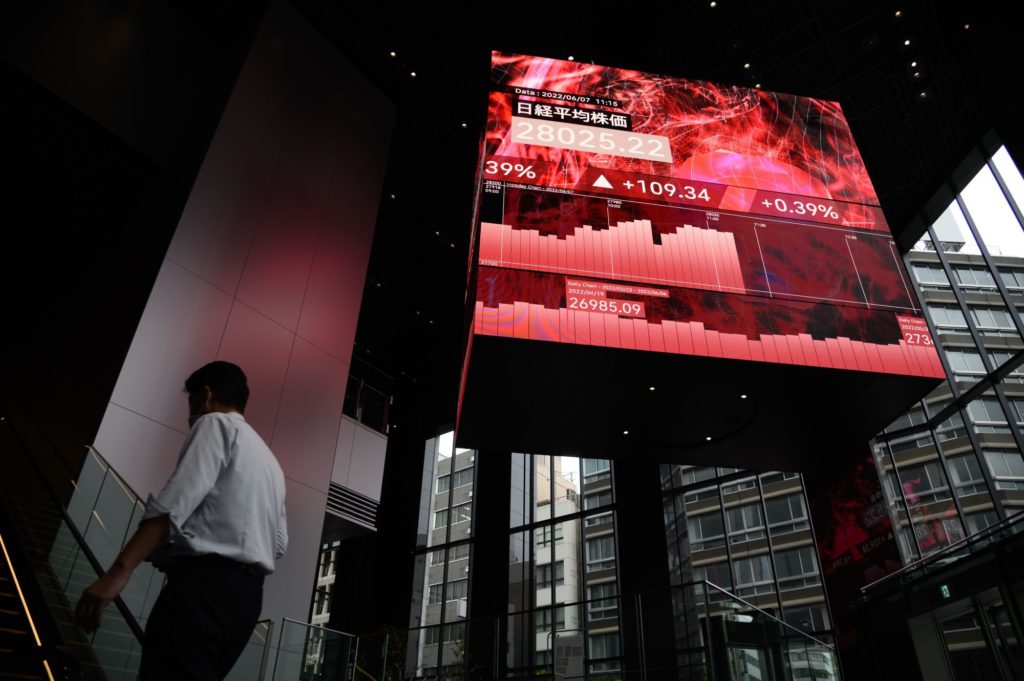
(Bloomberg) — US stocks hurtled toward a bear market, Treasury yields spiked to levels not seen in a decade and the dollar powered higher as the fallout from a hot inflation reading continued to rattle financial markets already shaken by worries the Federal Reserve will plunge the economy into a recession.

Another brutal bout of equity selling sent the S&P 500 to the lowest in 15 months and down more than 20% from its January record. Highly valued technology shares bore the brunt of the rout, with the Nasdaq 100 slumping over 4%. The Cboe Volatility Index jumped above 30 and the futures curve inverted in a rare instance of traders pricing in more uncertainty in the here-and-now than in three months. Speculative areas of the market inflated by years of Fed and government largesse buckled. Profitless software firms, newly public companies and blank-check entities sold off. Bitcoin plummeted below $24,000 after a lending platform ceased operations, roiling the crypto world.

Credit markets continued their historic repricing of rate trajectories. Treasury 10-year yields climbed to the highest since 2011 while two-year rates jumped to levels last seen before the 2008 crisis. A closely watched part of the bond curve inverted as worries mounted that an aggressive Fed won’t be able to avoid an economic contraction. A recession-signaling indicator in the credit market has jumped the most since 2020 as investors pile into contracts insuring against defaults among the most-precarious corporate borrowers. Only the dollar provided a respite from the selloff, as the greenback had its biggest four-day rally since the onset of the pandemic.

“It’s going to get a little uglier,” said Victoria Greene, chief investment officer at G Squared Private Wealth. “It’s going to be very hard for stocks to rally when the Fed continues to put hawkish pressure. There’s no way they can slam on the brakes with inflation without slamming on the brakes economically speaking. It’s funny we still have recession deniers.”

Financial markets are now bracing for the Fed to turn extremely hawkish after its meeting Wednesday. Traders are now pricing in 175 basis points of tightening by September — implying two half-point and one 75 basis points hike. If that comes to pass, it would be the first time since 1994 the Fed resorted to such an aggressive pace. Fed officials are muzzled before the decision in two days and Chair Jerome Powell’s conference, where policy makers’ characterization of inflation and long-term forecasts for the fed funds target — the so-called dot plot — will be critical.

Read: Powell Facing Choice Between Elevated US Inflation and Recession

Even after this year’s selloff, equities are still not fully reflecting the risks facing corporate earnings and weaker consumer demand, according to strategists at Morgan Stanley and Goldman Sachs Group Inc. US stocks might find it tough to post a meaningful rebound without a broad rout accompanied by heavy volumes, noted Evercore ISI strategist Julian Emanuel. “What’s been missing the last several months is sort of what I would call a ‘cathartic flush out,’ where you get the VIX above 40, which is one of the things you need for at least a trading bottom,” he added.

More comments:

  • “The idea that there is some Goldilocks outcome in the cards or soft landing is a mockery,” wrote Danielle DiMartino Booth, chief strategist of Quill Intelligence. “While tightening into a recession is no easy task, the Federal Reserve must indicate a willingness to raise interest rates by more than a half-percentage point at upcoming meetings if inflation continues to surprise to the upside.”
  • “Chairman Jerome Powell and his colleagues are walking a monetary policy tightrope hoping to avoid a recession while dampening demand,” wrote Mark Hamrick, senior economic analyst at Bankrate.com. “This year’s decline in stock prices and rise in bond yields are among the more obvious consequences of the Fed’s actions.”
  • “There has been no follow-through by the bulls,” wrote JC O’Hara, chief market technician at MKM Partners. “Until they have a data point to celebrate, investors will continue to shed risk assets. The largest risk now is that interest-rate expectations are still too low and earnings expectations are still too high.”

The damage in the highly speculative crypto market took on staggering contours, as the value of all assets sank below $1 trillion, down by two-thirds from the heady levels reached last fall. Bitcoin and its cousins have largely tracked risk assets, but the latest leg down — as much as 17% for Bitcoin, double that for other large tokens — came with concern that the freezing of withdrawals at the Celsius lending platform might indicate systemic risk in the crypto ecosystem that could accelerate the meltdown.

“You can’t have these massive drawdowns without some real damage being done and real money being lost,” said Art Hogan, chief market strategist at National Securities. “The volatility is inherent in both directions.”

What to watch this week:

  • US PPI, Tuesday.
  • China key economic activity data, liquidity operations, medium-term lending facility, Wednesday.
  • FOMC rate decision, Chair Jerome Powell briefing, US business inventories, empire manufacturing, retail sales, Wednesday.
  • ECB President Christine Lagarde due to speak, Wednesday.
  • Bank of England rate decision, Thursday.
  • US housing starts, initial jobless claims, Thursday.
  • Bank of Japan policy decision, Friday.
  • Eurozone CPI, Friday.
  • US Conference Board leading index, industrial production, Friday

Some of the main moves in markets:

Stocks

  • The S&P 500 fell 2.8% as of 12:12 p.m. New York time
  • The Nasdaq 100 fell 3.4%
  • The Dow Jones Industrial Average fell 2%
  • The MSCI World index fell 3%

Currencies

  • The Bloomberg Dollar Spot Index rose 0.8%
  • The euro fell 0.7% to $1.0446
  • The British pound fell 1.1% to $1.2178
  • The Japanese yen rose 0.3% to 134.05 per dollar

Bonds

  • The yield on 10-year Treasuries advanced 18 basis points to 3.33%
  • Germany’s 10-year yield advanced 12 basis points to 1.63%
  • Britain’s 10-year yield advanced eight basis points to 2.53%

Commodities

  • West Texas Intermediate crude rose 0.5% to $121.25 a barrel
  • Gold futures fell 2.3% to $1,832.30 an ounce

More stories like this are available on bloomberg.com

©2022 Bloomberg L.P.

Crypto Debacle at Celsius Rattles Market Already Shaken by Terra

(Bloomberg) — A month after the implosion of the Terra stablecoin sent the crypto market reeling, another crisis is causing fresh angst across the entire digital-asset universe.

Celsius Network Ltd., one of the biggest lenders in crypto and a key player in the world of decentralized finance, said late Sunday that it was pausing withdrawals, swaps and transfers following weeks of speculation over its ability to make good on the outsize returns it offered on certain of its products, including yields as high as 17%. The move effectively halted a platform with registered entities across the globe and billions of dollars worth of digital coins under management, accelerating a selloff in the broader market that was already in progress on concern over prospects for tightening monetary policy ahead of a Federal Reserve meeting this week. 

“The Celsius news added fuel to the fire, adding to the uncertainty in the market,” said Vijay Ayyar, vice president of corporate development and international at crypto platform Luno. “There is a lot of pressure on prices as we go into the week of Fed decision coupled with concerns on the protocols offering high-yield products.”

The meltdown is the latest blow to the cryptocurrency market and DeFi, its largely unregulated answer to traditional finance — which, at its best, promises more control for users along with higher returns and less costs but also brings with it more risks and fewer safeguards. 

In May, the collapse of the TerraUSD (UST) stablecoin and its sister token Luna captured most of the market’s attention, but one of the project’s main attractions for investors had been its promised interest rate, set as high as 20% for UST deposits in the Terra blockchain-based lending project Anchor. While Celsius is a centralized platform, with operations and staff that sets it apart from DeFi, its deep involvement in the space — including an investment in Terra and multiple risky strategies designed to earn high yields it could then pass on to its users — cast intensified doubts about its own viability. 

Both TerraUSD and Celsius revolved around the prospect of super-high yields to keep up demand, which itself depended on a steady flow of new entrants feeding the system, or borrowing or other investment to pay the high rates. Celsius previously acknowledged its exposure in defunct TerraUSD, but said it was able to exit the crisis early on. Across the crypto space, however, demand for high-yielding lending protocols has slumped since Terra’s imposion.

Read more: Crypto Lender’s Woes Spark Dash by Rivals to Soothe Nerves


Tokens linked to lending and borrowing protocols slumped on Monday, with the Celsius native token plunging 50% to 23 cents as of 11:30 a.m. Monday in New York, according to CoinGecko. Celsius peers Aave, Maple and Compound slumped 12%, 15% and 13%, respectively. 

“The plunge of Celsius’s token $CEL seems to be a realization of the contagion risk of UST/LUNA into similar financial tools,” said Burak Tamac, senior analyst for regulatory and on-chain at CryptoQuant.  

Read more: Crypto Market Sinks Below $1 Trillion After Latest DeFi Blowup

The MVIS CryptoCompare Digital Assets 100 Index, which measures 100 of the top tokens, dropped as much as 17%. And the total market value, which topped $3 trillion in November, dropped below $1 trillion, with almost $1 trillion in losses coming in the past two months alone, according to CoinGecko.

Crypto lending has come under the regulatory spotlight, with BlockFi earlier this year agreeing to pay $100 million to settle allegations from the U.S. Securities and Exchange Commission and state regualtors that it illegally offered a product that pays customers high interest rates to lend out their digital tokens. 

Read more: BlockFi to Pay $100 Million to SEC, States on Crypto Lending 

A little over a day before Celsius announced its halt, Chief Executive Officer Alex Mashinsky appeared to counter speculation about a freeze on withdrawals, tweeting, “Do you even know one person who has a problem withdrawing from Celsius?” 

In announcing the move, Celsius said: “We are taking this action today to put Celsius in a better position to honor, over time, its withdrawal obligations.” It added that users will continue to accrue rewards during the pause.

The announcement landed in the midst of turmoil in crypto markets, with worse-than-expected US inflation data on Friday stoking expectations of faster interest rate increases, hitting riskier assets like digital tokens. Bitcoin has tumbled 50% this year, while Ether has lost about two-thirds of its value. 

Read more: Celsius Crypto FOMO Lured Finance Pros Too: Lionel Laurent

Ethereum blockchain data shows that the largest single digital wallet holding CEL tokens is a wallet that belongs to Celsius itself, with more than 184 million CEL tokens, or 26.6% of the total supply in circulation. Mashinsky clarified in a weekend tweet that Celsius hadn’t been selling the token. 

(Updates with added comment from Nexo in fourth paragraph.)

More stories like this are available on bloomberg.com

©2022 Bloomberg L.P.

Crypto Lender’s Woes Spark Dash by Rivals to Soothe Nerves

(Bloomberg) — Crypto lender Celsius Network Ltd.’s shock announcement that it’s freezing withdrawals sparked a rush by companies in the digital-assets sector to reassure markets about the health of their operations.  

BlockFi, Nexo, Tron and Tether were among those who took to Twitter in the hours after Celsius’s announcement, which accelerated a crypto rout that erased more than $100 billion of market value. With memories of last month’s collapse of the Terra ecosystem still fresh, attention is turning to decentralized-finance projects that offer eye-popping yields as well as stablecoins billed as pegged to an asset like the US dollar. 

Read More: Crypto Lender Celsius Stops Withdrawals, Fuels Market Slump (1)

Zac Prince, chief executive of crypto lender BlockFi, said its systems were operating normally and that it had “zero exposure” to assets such as a version of Ether (stETH) that had appeared to lose its peg to Ether over the weekend. 

That doesn’t mean BlockFi has been unscathed by the current crypto downturn. Hours later, Prince tweeted that the company is cutting headcount by 20% after being hit by a “dramatic shift in macroeconomic conditions, which have had a negative impact on our growth rate.”

Nexo, another competitor, went a step further in its efforts to project strength. The London-based company said it offered to buy Celsius’s “remaining qualifying assets” and followed by tweeting that it had sent a formal offer to Celsius. 

Celsius’s announcement compounded a crypto slump driven by expectations of higher interest rates following worse-than-expected US inflation data on Friday. Bitcoin extended a seven-day decline by falling 15% to $23,250, the lowest since December 2020. Ether tumbled 18%, and altcoins like Solana and Avalanche suffered declines of similar magnitude. 

Read More: Bitcoin Tumbles to 18-Month Low as US Inflation Impact Spreads

Although stablecoins mostly weathered the selloff, they weren’t immune. Crypto entrepreneur Justin Sun’s newly launched algorithmic stablecoin USDD slipped to as low as 98.4 cents from its $1 peg, and was trading at 99.2 cents at 4 p.m in London. 

Sun, the founder of blockchain network Tron, said the platform had added $700 million worth of USDC, another stablecoin, to reserves meant to serve as a backstop to the USDD peg. Larger stablecoins like USDC and Tether are purportedly backed by dollars and dollar-equivalent assets. 

Tether, which operates an eponymous collateralized dollar-pegged stablecoin and is an investor in Celsius, tweeted a link to a blog post that said its stake represents “a minimal part of our shareholders’ equity.” It added that there was “no correlation” between the Celsius investment and its own reserves. 

Tether was trading at its dollar peg on Monday afternoon after briefly slipping as much as 35 basis points, data compiled by Bloomberg show. 

(Updates with BlockFi job cuts in fourth paragraph.)

More stories like this are available on bloomberg.com

©2022 Bloomberg L.P.

Terra Stablecoin Meltdown Spurs Investor Suit Against Binance.US

(Bloomberg) — Binance.US was sued by an investor in TerraUSD who claims the cryptocurrency exchange flouted federal regulations, with “disastrous consequences” for its customers when the stablecoin crashed last month.

Jeffrey Lockhart, a resident of Utah, filed the lawsuit on Monday in federal court in San Francisco against BAM Trading Services Inc., which does business as Binance.US, alleging the exchange failed to disclose that TerraUSD is a security. He is seeking an injunction blocking Binance from offering it for purchase or sale unless it is registered as such, as well as unspecified damages. He is also seeking to represent a class of investors like himself.

“Investors who purchased UST on Binance US were wiped out, learning quickly that, contrary to Binance’s U.S. advertisements, UST was not ‘safe,’ ‘stable,’ or ‘fiat-backed,’” Lockhart said in his suit, adding that Binance had taken down the ads, “effectively conceding that UST was none of those things.”

TerraUSD was meant to maintain a 1-to-1 peg to the US dollar through an algorithm and trading in a related token called Luna. Because of their peg, stablecoins can act as a haven for investors in the volatile cryptocurrency market.

Read More: SEC Investigating UST Stablecoin Blowup in Fresh Threat to Terra

But since the stablecoin wasn’t registered as a security, investors lacked disclosures to protect them, Lockhart said. 

Bloomberg News reported last week that the US Securities and Exchange Commission is investigating whether the marketing of TerraUSD violated rules instituted to protect investors. Terra’s implosion last month was one of the biggest in crypto history, wiping out tens of billions of dollars in value and sending shock waves through markets.

Lockhart said in his suit that Binance sold TerraUSD even though there is no securities registration statement for it and that Binance itself has failed to register with the SEC as a securities exchange or broker-dealer. In addition, he said, Binance has continued to sell securities created by Singapore-based Terraform Labs and “added insult to injury” when it started selling Luna 2.0, a new token controlled by Terraform, on May 31. 

“Even though UST and LUNA are both securities, neither is registered with the SEC nor any state regulator,” according to the lawsuit. As a result, Lockhart argues, buyers are deprived of “the precise disclosures designed to avoid a repeat of the 1929 stock market crash and the Great Depression that followed.”

The case is Lockhart v. BAM Trading Services Inc., 22-cv-3461, US District Court, Northern District of California (San Francisco).

Read More

  • How Billions in TerraUSD Went Up in Algorithmic Smoke
  • Bitcoin Tumbles to 18-Month Low After Latest DeFi Lender Blowup

More stories like this are available on bloomberg.com

©2022 Bloomberg L.P.
Close Bitnami banner
Bitnami