Bloomberg

Trucker Strike in Korea Roils Shipments From Steel to Autos

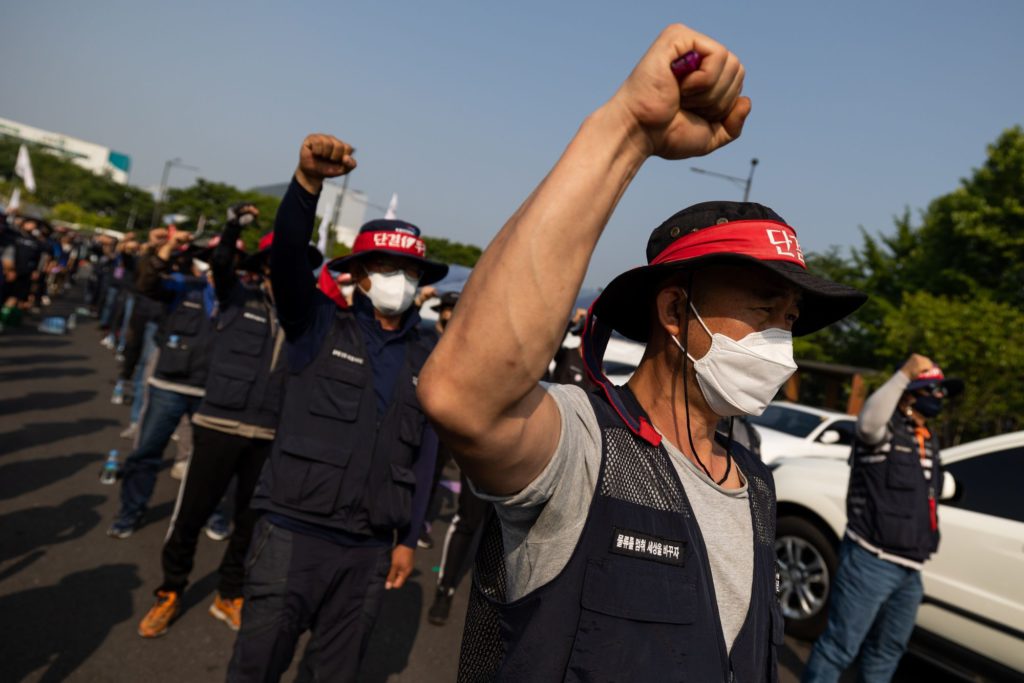
(Bloomberg) — An escalating strike by truck drivers in South Korea is adding more disruption to global supply chains, from a slowdown at the country’s ports to production halts at auto factories.

Thousands of truckers have stopped work since Tuesday to protest the removal of a minimum wage scheme. Tensions are rising as drivers move to block deliveries of the Asian country’s most critical export items, including materials for semiconductor chips.

The daily volume of container boxes transported to and from the nation’s 12 ports dropped 64% on Thursday compared with the average for May, according to data from the Ministry of Land, Infrastructure and Transport. Inbound and outbound volumes at Busan, the world’s seventh-busiest port, were less than half their usual amount at 13,035 containers.

No goods went in or out of Ulsan port on Thursday, where leading automaker Hyundai Motor Group has its production facilities, the ministry said. Meanwhile, deliveries to Pohang and Daesan port dropped to zero, affecting the transportation of steel and petrochemicals.

The first large-scale strike under newly elected President Yoon Suk Yeol is fueling concerns over further disruptions to supply chains, which are already stressed after Covid-19 lockdowns in China and Russia’s invasion of Ukraine. 

It’s uncertain how long the strikes will continue, but a prolonged dispute threatens to have ripple effects across the globe. South Korea is the largest exporter of memory chips and is home to some of the world’s biggest car companies. 

Steel and cement are at risk of becoming major victims of the strike, Land Minister Won Hee-ryong said at a press event on Thursday. About 90% of cement isn’t being trucked from plants run by six companies, which are delaying deliveries until protesters leave the factory gates, according to the Korea Cement Association.

Hyundai has experienced partial production disruptions at its Ulsan plants and is monitoring the situation closely, the company said in an emailed statement. Chosun Ilbo reported earlier on Friday that about 50% of production at Hyundai’s plant is now halted, stopping production of about 2,500 cars a day.

With trucks unavailable, companies are seeking alternative ways to transport goods. At Kia, an affiliate of Hyundai, employees were spotted driving newly produced cars on the streets to warehouses. 

At a plant run by metal giant Korea Zinc Co. in Ulsan, several truck drivers on Thursday attempted to disrupt supplies of high-grade sulfate, a key material used for making semiconductors. Police dispersed the truckers in 30 minutes, said a person familiar with the matter, who requested anonymity because of the sensitivity of the issue. A representative for Korea Zinc declined to comment.

Trucker Strike in South Korea Poses New Risk to Global Trade

The government is trying to ship out emergency exports through cooperation with police, the Land Ministry said in a statement. About 37% of 22,000 union members joined the national strike on Thursday, it said. 

The government should remain neutral in labor matters so that companies and labor unions build up their ability to resolve issues, Yoon told reporters on Friday. 

More stories like this are available on bloomberg.com

©2022 Bloomberg L.P.

Ericsson’s New Fines May Reach $300 Million, Handelsbanken Says

(Bloomberg) — Ericsson’s alleged misconduct in Iraq could trigger fines in the range of $100 million to $300 million, Svenska Handelsbanken analyst Daniel Djurberg said in emailed comments.

Thursday’s news that the US Securities and Exchange Commission had started an investigation into the Swedish company “is obviously negative for the share, but should come as no major surprise to the market,” said Djurberg, who rates the stock a buy.

The analyst also says that he expects a resolution to be reached within 12 months. “The outcome in the DOJ/SEC resolution will become a positive trigger of the future,” he said in reference to the share performance.

Ericsson’s share price is down 18.5% so far this year compared to a 15.5% drop in the benchmark OMX Stockholm 30 Index. Of the 31 analysts covering the stock, 20 rate it a buy, 10 a hold and 1 sell, according to Bloomberg data.

More stories like this are available on bloomberg.com

©2022 Bloomberg L.P.

TSMC’s $100 Billion Wipeout Fails to Faze Bullish Analysts

(Bloomberg) — The share price slump that’s erased about $100 billion from the market value of Taiwan Semiconductor Manufacturing Co. this year means little to the legion of analysts who see the stock as a screaming buy.

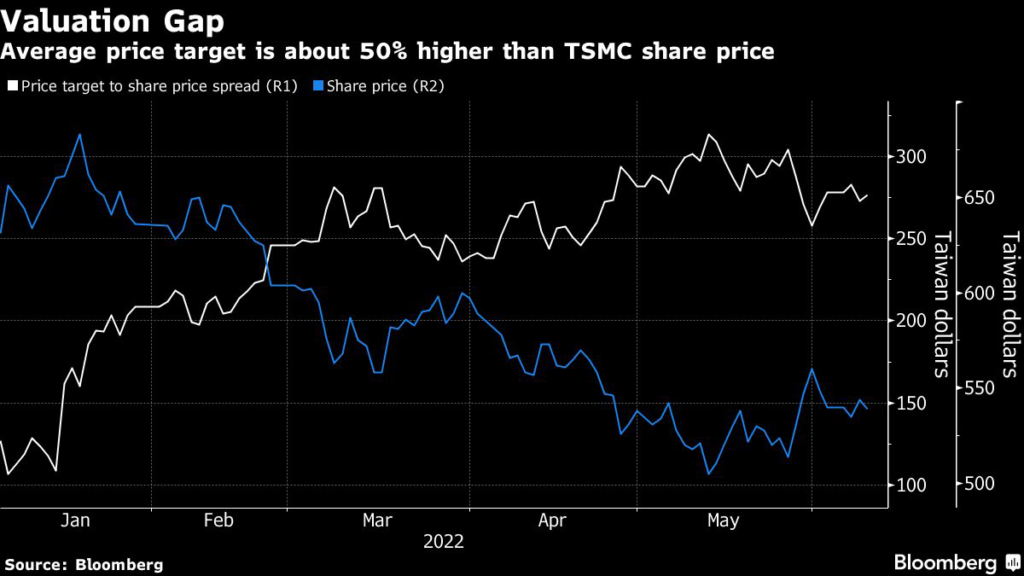
TSMC shares are expected to climb about 50% to a record high 12 months from now, according to sell-side analyst estimates compiled by Bloomberg, as macro headwinds buffeting the sector ease and investors return their focus to the company’s fundamentals.

Fund managers are also starting to view an end in sight to the rout, and Chairman Mark Liu’s Wednesday forecast for 30% revenue growth this year bolsters this case. The company’s May sales grew 65% from last year, TSMC reported Friday after the market close. Shares fell 2% during the session in Taipei. 

Read: TSMC Expects 30% Sales Rise Despite Global Economic Ructions 

While the scale of TSMC’s drop is notable, having shed more than a tenth of its share value, it is still about half the fall seen in 2022 in the global semiconductor benchmark index. The company occupies a powerful position in the global technology supply chain as the most advanced maker of chips for giants from Apple Inc. to Nvidia Corp.

“Buyers may return as soon as non-fundamental factors disappear,” said Alex Huang, manager of Capital Hi-Tech Fund in Taipei. He sees a prospect of inflationary concerns and the war in Ukraine, which have both weighed on semiconductor makers, changing for the better in the second half of the year.

Being the largest and the most liquid stock on Taiwan’s equity market also made TSMC an easy selling target for some foreign investors, according to Huang. The $475 billion company accounts for about 27 percent of Taiwan’s entire equity market value. 

“While many worry about a cyclical correction, we forecast share gain and robust pricing which will ensure TSMC grows uninterruptedly this year and also in 2023 and 2024,” Sanford C Bernstein analysts including Mark Li wrote in note earlier this month. 

Of the 37 analyst recommendations compiled by Bloomberg, 34 are buys, three are holds and none are sells. The average 12-month price target is NT$816.75, versus Friday’s close of NT$530.  

Risk factors

To be sure, investors were blindsided by the pandemic, missed many of warning signals before Russia invaded Ukraine and are divided on the course of inflation — all of which will continue to shape the macro picture for chip makers.

“We think TSMC stock is already factoring in a downturn,” JPMorgan Chase & Co. analysts including Gokul Hariharan said in a note Wednesday. “However, the extent of potential downside to 2023 estimates is still unclear,” they said, while maintaining a buy rating.

Others though, are less hesitant in their calls.

Morgan Stanley analysts including Charlie Chan said the current nervousness in the market presents a good opportunity to buy TSMC, whose “future looks secure.”

“We think now is a great time to accumulate,” he wrote in a report late last month, noting the company’s technology leadership.

(Updates with Friday share price and May sales data in third and eighth paragraph)

(Updated with latest sales data for May and Friday’s share move in third paragraph and closing price in eighth paragraph.)

More stories like this are available on bloomberg.com

©2022 Bloomberg L.P.

Gorillas Startup Dream of Food Delivery and Office Raves Falters

(Bloomberg) — After Germany’s rapid food delivery startup Gorillas Technologies GmbH closed a $1 billion funding round last October, the company launched its own record label and started plotting a move to a lavish office complete with vinyl decks and a mixer. 

By the time it moved to a former brewery in Berlin’s chic Prenzlauer Berg neighborhood this week, just two years after it was founded, venture funding for tech startups globally had dried up and Gorillas management was focused on cost-cutting. 

Last month the company slashed office staff by half, and it is now curtailing services in some markets and letting warehouse supervisors go, according to current and former employees who asked not to be identified because the information isn’t public. 

The cuts have run so deep that the team in charge of the office relocation recruited people in other departments to help because they were shorthanded, according to internal messages seen by Bloomberg. Gorillas, valued at $3 billion, has also reined in free-spending policies that allowed employees to take home Apple Inc. MacBooks and AirPods without registering them, and has been struggling to control the suspected abuse of delivery promo codes meant to lure first-time customers, several of the people said. 

The company is considering proposals to close four warehouses outside of the UK capital, and one in Greater London, a Gorillas spokesman said by email. Issues of equipment issued without proper documentation and fraudulent use of promotional codes were “isolated cases,” he added, and the relocation message was a reminder for employees to pack their belongings ahead of the move and the request for help was “completely voluntary.”

Gorillas, co-founded in May 2020 by Chief Executive Officer Kagan Sumer. is among a group of companies, including Instacart Inc. and Uber Technologies Inc., as well as startups Getir and Flink SE, that promise to ferry groceries to customers in as little as 15 minutes. However, the industry is increasingly questioning whether such fast deliveries can be made profitably. 

With funding suddenly scarce, the services are shifting to efficiency from rapid growth as inflation eats into margins and the war in Ukraine threatens the global economic outlook. European grocery delivery startups have raised $248 million this year to date, compared to a record $4.5 billion in all of 2021, according to Dealbook data.

“The last five years were quite unusual in terms of access to capital,” said Christophe Maire, founding partner of FoodLabs, which invested in Gorillas’ October round. “We’re hopefully back to a state where a company becomes successful based on persistence, frugality and focus.”

Neck Tattoo

Growing pains are normal for startups as they mature. Gorillas’ workforce exploded from 400 when it was founded in the early days of the pandemic to 15,000 in May. By the end of last year, it was operating in nine countries and had struck high-profile deals with flagship grocers including Tesco in the UK and Casino in France. It also bought rival French delivery company Frichti in March.

“The business plan before had been every six to 12 months you’d do a big funding round,” said Citigroup analyst Monique Pollard. “All areas that are hyper-growth but are going to be loss-making or very investment heavy will need to be scaled back.” 

Still, the breakneck expansion exposed oversights at the company, which prides itself in defying corporate stereotypes. Sumer posted his neck tattoo of a gorilla on his Instagram page, and the company holds live DJ sets to “energize the work environment.”

“Tech companies, especially low or negative margin tech companies, are facing a very strong headwind,” Sumer wrote last month in a letter to employees announcing the cuts. A leaner office would allow them to remain competitive and riders and warehouse workers weren’t affected, he said. 

Food Waste

It was a reversal from February, when he announced plans to raise at least $700 million this year to fund development. After last month’s cuts, he said the company would concentrate investment in Germany, the Netherlands, the UK, France and the US, while reevaluating its presence in other markets.

The company is also reducing management positions at warehouses in its core markets, according to current and former employees. Mariano Ciancio, a former deputy supervisor at a warehouse in the key market of Berlin, said his contract was not renewed “because of the restructuring.” Three supervisors told Bloomberg that they no longer have deputies.

Gorillas declined to comment on warehouse operations for competitive reasons.

Staff at Gorillas delivery warehouses have also complained about food waste, with perishables sometimes piling up because there’s no room in overflowing refrigerators, according to internal communications seen by Bloomberg. Gorillas spokesman said the company has less overstock than traditional supermarkets. 

Craft Beer

Gorillas struggled to control customers exploiting promo codes intended for first-time users, which allowed credit to be built up in dummy accounts, according to three people familiar with the issues. A Slack channel set up for employees to flag suspected fraud that Bloomberg viewed was shut down in April after approximately 50 cases were raised in a single day. 

The Slack system was intended to offer guidance for managers, who have the authority to decide whether to deliver an order, and has been consolidated in a document, according to a Gorillas spokesperson. 

Last year Gorillas let employees take home equipment without keeping track of its inventory, and some former workers kept Apple Inc. products after they were let go, according to three people familiar with the practice.  

Despite the turmoil, Gorillas is seeking to stay true to its anti-corporate roots as it tries to become profitable. This week it launched its own brand of goods, but focused on craft beer, oat milk, and recyclable coffee pods. 

More stories like this are available on bloomberg.com

©2022 Bloomberg L.P.

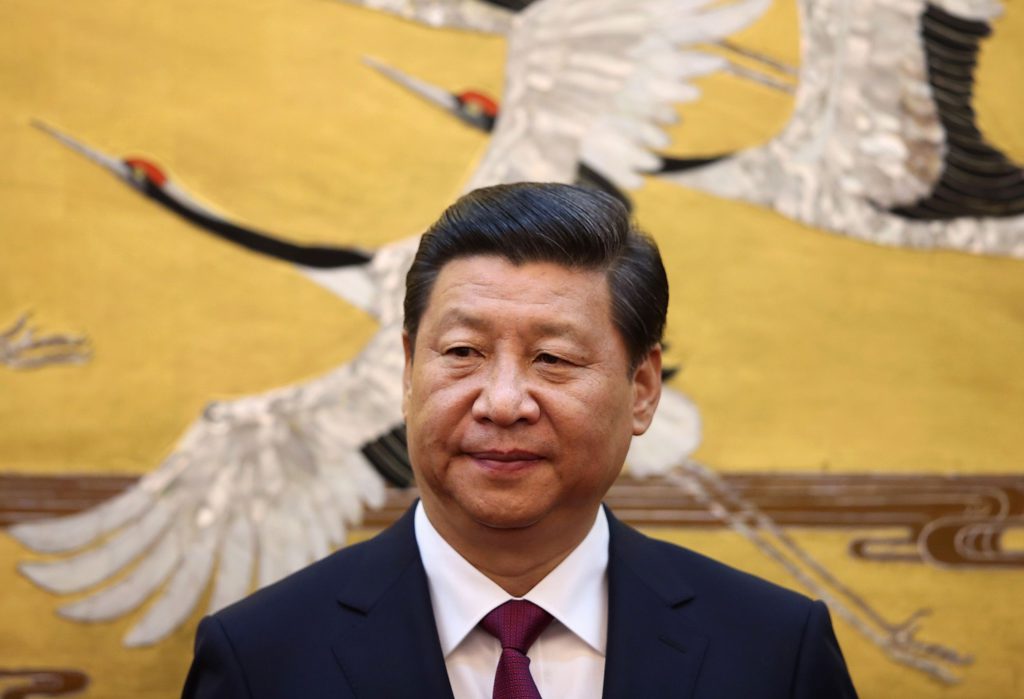
Xi Says Social Stability Key in Balancing China Economy, Virus

(Bloomberg) — Chinese President Xi Jinping underscored the need to maintain social stability while balancing the twin goals of snuffing out Covid cases and bolstering the economy, as strict lockdowns spark sporadic unrest and online outrage.

During a visit to the southwestern province of Sichuan, Xi called on his government again to adhere “unwaveringly” to its Covid Zero strategy, while at the same time striking a balance with the needs of the economy and social stability, the Xinhua news agency reported Thursday.

“Work to maintain social stability must be carried out well in all aspects so that people feel reassured and social stability is secured,” Xi said. The Chinese leader also highlighted key areas including employment, social security and aid for people living in difficulties.

The remarks largely echoed sentiments since mid-March, when Xi first urged Chinese officials to reduce the economic impact of the country’s measures to combat the outbreak. But the emphasis on ensuring stability indicated growing anxiety over the economic fallout of China’s strict Covid measures, particularly as Xi prepares for a Communist Party leadership reshuffle later this year at which he’s expected to secure a precedent-breaking third term as president.

Read More: Shanghai to Lock Down Parts of City Again as Virus Fears Return

China’s economy is widely expected to miss its growth target of about 5.5% this year because of the virus curbs and a slump in the property market. A two-month lockdown of financial hub Shanghai caused food shortages and limited access to critical medical needs, fueling social discontent and sparking clashes between residents and police.

The Shanghai government announced Thursday it will lock down seven districts this weekend to mass test millions of people, risking more disruption for residents and businesses that have just emerged from a grueling shutdown.

Leaders of the country of 1.4 billion people have always been vigilant against the threat of food shortages fanning inflation and endangering social stability, with rising global commodity prices and geopolitical tensions only deepening that concern. Premier Li Keqiang told local officials in late May they must ensure summer harvesting of crops and food supplies aren’t affected by the government’s efforts to contain Covid.

Xi shared those concerns, calling on farmers and agro-technicians to maintain the country’s food security during his tour of a rice field in Sichuan. 

“We are confident and capable of retaining the rice bowl in our own hands,” he said.

Xi also highlighted the plight of youth unemployment, which has soared to a record this year and is set to worsen in coming weeks as 10.76 million graduates hit the job market. During a trip to a university in Yibin city, Xi urged students to lower their expectations on jobs and “be practical” when assessing their qualifications and social demand. 

He also told universities, companies and government officials to provide more help for graduates from poorer families and those who’ve been looking for a job for a long time.

At a visit to a company making video projectors, Xi reiterated a call to push for technology innovation and foster advanced companies in different sectors.

“We should cultivate more ‘hidden champions’ and form clusters of technology innovation,” he said.

(Updates with more comments from Xi.)

More stories like this are available on bloomberg.com

©2022 Bloomberg L.P.

Bezos and Ambani Set to Battle Over $7.7 Billion Cricket Rights

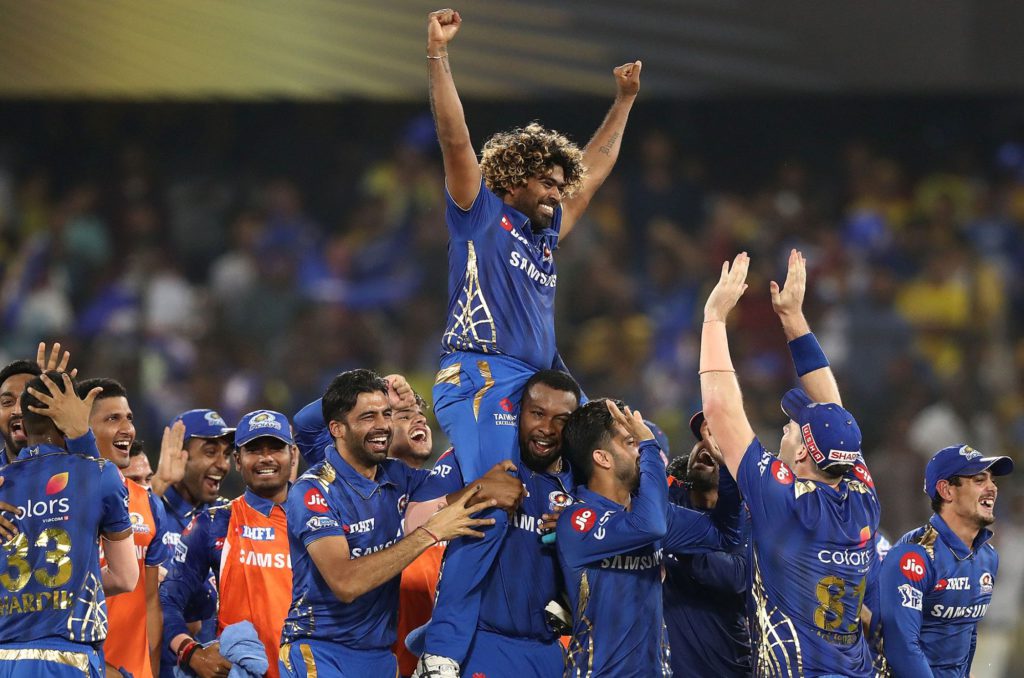
(Bloomberg) — Jeff Bezos and Mukesh Ambani, two of the world’s richest men, are set for another clash. This time the potentially $7.7 billion fight is over the media rights to the Super Bowl of cricket, one of the world’s fastest-growing sporting events with 600 million viewers. 

The billionaires’ companies are expected to be the top two contenders at a June 12 Indian Premier League auction, which is likely to lure several bidders for separate, five-year telecasting and online streaming contracts in different geographies. The tycoons are preparing aggressive game plans to ensure a win, according to people familiar with the matter. Other fierce competitors include Walt Disney Co., which held the rights until this year’s just-concluded season, and Sony Group Corp.

For the two first-time participants, there’s far more at stake than just a shot at becoming the No. 1 media player in a country of 1.4 billion people. The English sport enjoys cult-like status in the former British colony. Both Ambani’s Reliance Industries Ltd. and Bezos’s Amazon.com Inc. are betting the game will serve as a gateway to their ultimate goal: Dominating an Indian consumer market that’s increasingly going online. 

“The bidding action will be a bet on the India story over the coming decade,” said Karan Taurani, a media analyst at Mumbai-based Elara Capital. “Bidders are putting money on the promise that data-consuming Indians will dictate the fortunes of every business, from retail to banking, and from travel to education.” 

Starting mid-2021, Ambani, 65, has been identifying and hiring veteran executives for the job, people familiar with the matter said. They include Anil Jayaraj and Gulshan Verma, who helped 21st Century Fox Inc. clinch the previous deal in 2017. 

Reliance’s war room also comprises Ambani’s trusted lieutenant Manoj Modi and older son Akash Ambani, people familiar with the developments said. A recent alliance forged with Uday Shankar, a former head of Fox’s and later Disney’s India and Asia Pacific operations, will also add heft to the team.

Amazon, which has identified IPL among a half-dozen global sports franchises it’s interested in, is equally determined to score a victory, a separate group of people said, asking not to be identified discussing internal deliberations. The thinking is against playing conservative, said one person. The retail titan has spent hundreds of millions of dollars on European soccer rights, and has forged a deal to broadcast Thursday Night Football in the US at $1 billion a season until 2033. 

Disney+ Hotstar

Disney, which needs to decide how much it’s ready to shell out, is flying in top executives from its headquarters in Burbank, California to Mumbai for the auction, according to people familiar with the matter. The US entertainment giant has much to lose if it fails to retain the rights it inherited three years ago from the $71 billion acquisition of Fox. The purchase came with Hotstar, a streaming service popular among cricket fans, giving an instant boost to Disney’s relatively new position in the Indian market.

Globally, the Disney+ streaming service boasts about 138 million paid subscribers, of which Disney+ Hotstar accounts for more than a third. While rival Netflix Inc. has stumbled, Disney+ added 7.9 million new subscribers in the quarter ended April 2. More than half of those came from Disney+ Hotstar, which is offered in India and several Southeast Asian nations. 

Amazon’s Prime Video country head Gaurav Gandhi declined to be interviewed for this article and Amazon did not respond to an email seeking comment. Representatives for Disney, Reliance and Sony declined to comment. 

When IPL started in 2008, Apple Inc.’s iPhone was just a year old and live streaming was still sporadic. Now, with more and more Indians watching content online, including on smartphones, digital rights are expected to bag a hefty premium. 

The IPL is a multiweek tournament typically held in April and May every year. Ten teams comprising players from mostly the British Commonwealth play matches that last three hours each, a shortened and more entertaining format compared to the classic five-day test cricket. Drawing more than half-a-billion viewers, the annual IPL tournament trails only English soccer and the National Football League in popularity globally, according to its organizer, the Board of Control for Cricket in India.

IPL was valued at about $5.9 billion in 2020 by Duff & Phelps, now known as Kroll. That number could now be 25% higher, said Santosh N, managing partner at D and P India Advisory Services. 

For the first time, BCCI will auction IPL’s broadcast and streaming rights separately. Four contracts are up for grabs, broadly covering television and digital rights, as well as a pick of key matches, in the Indian subcontinent and overseas. Elara’s Taurani said he won’t be surprised if total bids reached 600 billion rupees ($7.7 billion), more than triple the 163 billion rupees collected in 2017. 

The stakes are also high with the escalating rivalry between Amazon and Reliance in the Indian retail market. Most recently, the two companies were engaged in a bitter legal dispute over the control of struggling local retailer Future Group. Neither succeeded.

Following that stalemate, some are terming the fight over cricket rights as Ambani v. Bezos 2.0. 

As for Disney, the chances of a reasonable bid are seen to be receding, a person with knowledge of the matter said, asking not to be identified discussing internal matters. Aggressive bidders like Reliance and Amazon could come with an “open purse,” making the price nonviable in terms of future ad revenue returns, the person said.

Disney will bid for both broadcast — local and overseas — and digital, but may ditch broadcast in favor of upping its offer for live-streaming, said the person.

Top executives at both Amazon’s and Disney’s head offices will decide on auction tactics and prices, according to several people tracking the developments within the companies. The final numbers are likely to exceed $1 billion per year for the much-coveted rights, they said.

The aim of winning the auction isn’t grounded in the conventional profit and loss logic, but a hypothesis that a few hundred million internet users will become committed users of a variety of digital businesses, said Tarun Pathak, a research director at consultancy Counterpoint Technology. 

“Amazon took commerce and built the Prime Video content business on top of it,” Pathak said. “If Reliance wins, it’ll take the opposite approach — building commerce on top of content to make Jio a household name,” he said, referring to its technology arm.

More stories like this are available on bloomberg.com

©2022 Bloomberg L.P.

Musk Targets Twitter Reaching of 80% of Americans, Electrek Says

(Bloomberg) — Tesla Inc. Chief Executive Officer Elon Musk told employees at a meeting Wednesday that he is aiming for 80% of Americans to be on Twitter when he buys the social platform, according to an Electrek report.

At the meeting, when one of the Tesla employees asked Musk “how the Twitter drama affects people at Tesla and what he can do to shield them from it,” he thought about it for a second and said “Well, you know. Ignore Twitter. Ignore. Ignore,” Electrek said in the report.

Musk then continued his pitch for buying Twitter and trying to turn it into a free-speech platform. “In the case of Twitter, it’s about how can we assure that there’s a digital town square that is inclusive and as trusted as possible and where ideally, I don’t know, 80% of Americans are on it,” Musk said, according to the report. “They can speak their minds with reasonable freedom.”

The social media service had 39.6 million daily users in the US in the first quarter. 

Twitter Inc.’s top lawyer told company employees that Musk’s $44 billion offer is progressing and a shareholder vote is expected in later July or early August, Bloomberg reported Wednesday.

To view the source of this information click here

More stories like this are available on bloomberg.com

©2022 Bloomberg L.P.
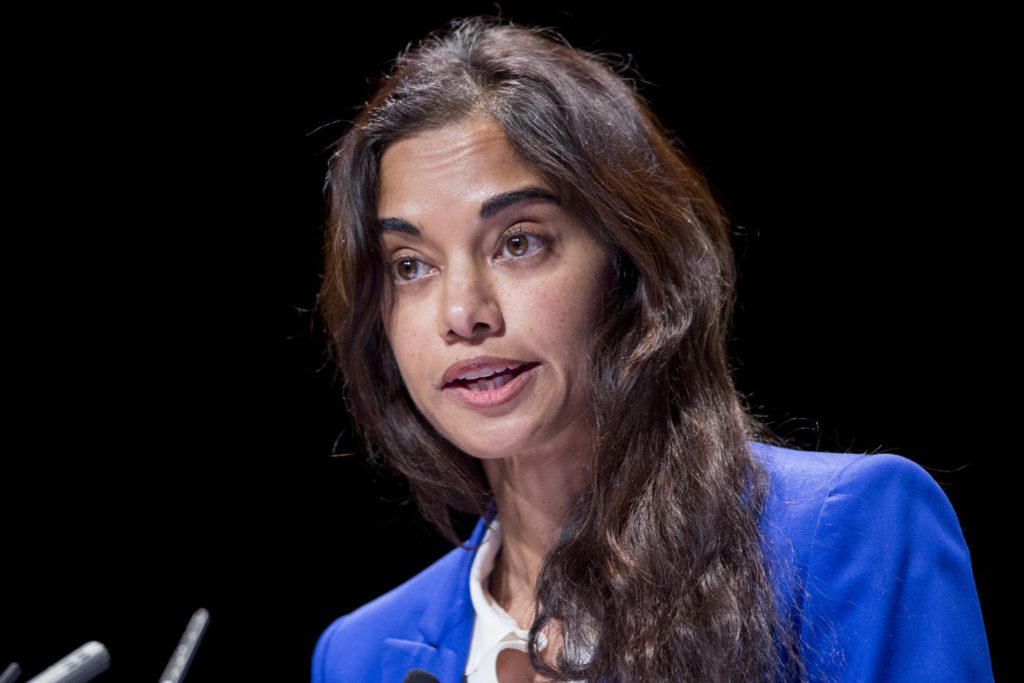
Lone Pine Alum Gaonkar Hires From Rivals Third Point, Maverick for Hedge Fund Launch

(Bloomberg) — Former Lone Pine Capital Managing Director Mala Gaonkar is grabbing talent from industry rivals as she expects to launch her hedge fund early next year with at least $1 billion.

She hired 13 employees for her SurgoCap Partners, including personnel from Dan Loeb’s Third Point and Lee Ainslie’s Maverick Capital, according to people familiar with the matter. Gaonkar, 52, plans to build out her team further before the firm’s debut, which is planned for the first quarter. 

Her five-person investment team includes Anand Krishnamurthy, former sector head of financials at Maverick who will continue that focus at SurgoCap. John Kaszuba, a 13-year Third Point veteran, will oversee data science and analytics, while Jason Hong, who worked there for almost a decade before leaving in 2020, will focus on the application of technology to health-care companies and industrials. 

The team also includes Jason Kong, who will focus on private investments and previously wagered on late-stage enterprise software, fintech and consumer technology at growth-equity firm IVP; and Molly Jordan, who will target health-care investments. She previously focused on growth investing at Greenoaks Capital and also worked at TPG. 

Gaonkar will be the sole portfolio manager and make final investment decisions. 

SurgoCap is expected to be one of the largest upcoming hedge fund launches and among the few led by a woman. The fund will invest in publicly traded stocks and closely held startups across enterprise data, financial services, industrials, and health care and biopharma. A spokesman for New-York based SurgoCap declined to comment. 

The firm’s back-office staff includes Diana Dieckman, former global head of capital introduction at Goldman Sachs Group Inc., who will oversee SurgoCap’s partnerships. Chief Operating Officer Colleen Lynch joins from Coatue Management, where she was general counsel and chief compliance officer. Felix Jimenez, who has worked at Third Point, Millennium Management and Point72 Asset Management, will be chief technology officer. 

At the Sohn Investment Conference Thursday, Gaonkar said she was bullish on ServiceNow Inc., an enterprise-software company that helps automate workflow. The firm has “a meaningful runway for expansion” given that it has only penetrated 6% of a potential $200 billion market, she said. SurgoCap expects ServiceNow to generate $6.2 billion of free cash flow by 2026, helping drive shares to $820 apiece, up from the current $492.22. 

Gaonkar was a founding partner of Lone Pine, which debuted in 1998. Three years later, she was named portfolio manager overseeing technology, media, internet and telecommunications investments, and she also co-headed the firm’s long-only funds. In January 2019, she was one of three people to take over day-to-day leadership after founder Steve Mandel stepped away. 

A graduate of Harvard Business School, Gaonkar is a founding trustee of Surgo Ventures, a nonprofit that uses artificial intelligence and behavioral and data science to help find solutions to global health and social problems.

(Updates with Gaonkar comments on ServiceNow in eighth paragraph.)

More stories like this are available on bloomberg.com

©2022 Bloomberg L.P.

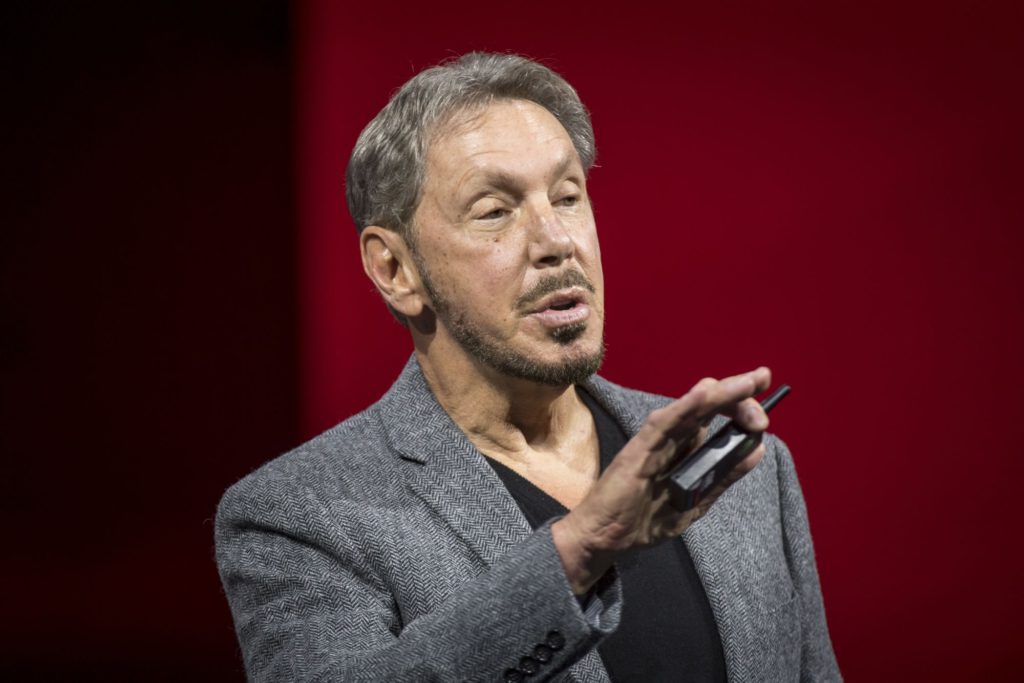
Oracle’s Ellison Pitches US Health Database With Power of Cerner

(Bloomberg) — Oracle Corp. is looking to develop a national system of digital health care records after completing its acquisition of electronic medical records provider Cerner Corp.

“Data today is fragmented in thousands of databases across the United States,” Larry Ellison, Oracle board chairman and chief technology officer, said Thursday at a press briefing. “We’re going to solve this problem by putting a unified national health records database on top of all of these of thousands of separate hospital databases.” Ellison said this new system will only have anonymous information until individual patients give consent.

Oracle, the second-biggest software maker by revenue, is best known for legacy database products. The company has struggled in recent years to gain ground in cloud computing, in which companies rent data storage and analytic power from large server centers, trailing far behind market leaders Amazon.com Inc. and Microsoft Corp. The $28.3 billion purchase of Cerner, which closed earlier this week, gives Oracle a huge foothold in technology for the health care industry.

Cerner’s central service, Millennium, will be updated with features such as voice interface, more tele-health capacity and disease-specific AI models, Ellison said. In addition, the system will be able to facilitate research studies across different geographies, ensuring a diverse sample size. Cerner, which competes with Epic Systems Corp. and Allscripts Healthcare Solutions, among others, has many large US hospital systems among its customers.

The acquisition will be “substantially accretive” to Oracle’s earnings in fiscal year 2023, and a “growth engine for years to come,” said Oracle Chief Executive Officer Safra Catz in a statement last week.

More stories like this are available on bloomberg.com

©2022 Bloomberg L.P.
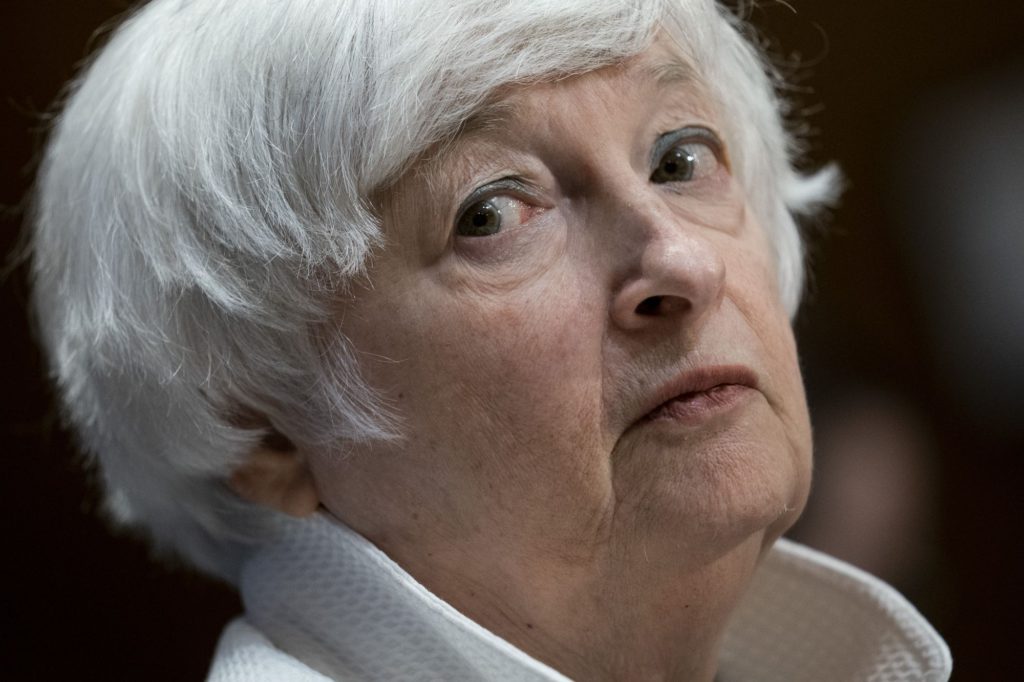
Yellen Says Crypto Is ‘Very Risky’ Option for Retirement Savers

(Bloomberg) — US Treasury Secretary Janet Yellen said that crytocurrency assets are a “very risky” choice to include in the retirement plans of average savers, and that it would be reasonable for Congress to address the danger.

“It’s not something that I would recommend to most people who are saving for their retirement,” Yellen said Thursday in Washington at an event organized by the New York Times. “To me it’s very risky investment.”

Yellen was responding to a question about an announcement from Boston-based Fidelity Investments in April that it would add a crypto option to workplace retirement plans it manages. The Labor Department has signaled its opposition.

Yellen said it would be reasonable for Congress to regulate what assets could be included in tax-favored retirement vehicles, like 401(k) plans.

“I’m not saying I recommend it, but that to my mind would be a reasonable thing,” she said of congressional action.

Read More: 401(k) Provider Sues Labor Department Over Anti-Crypto Guidance

More stories like this are available on bloomberg.com

©2022 Bloomberg L.P.
Close Bitnami banner
Bitnami