Bloomberg

China’s Xi Exalts Next Hong Kong Chief on National Security

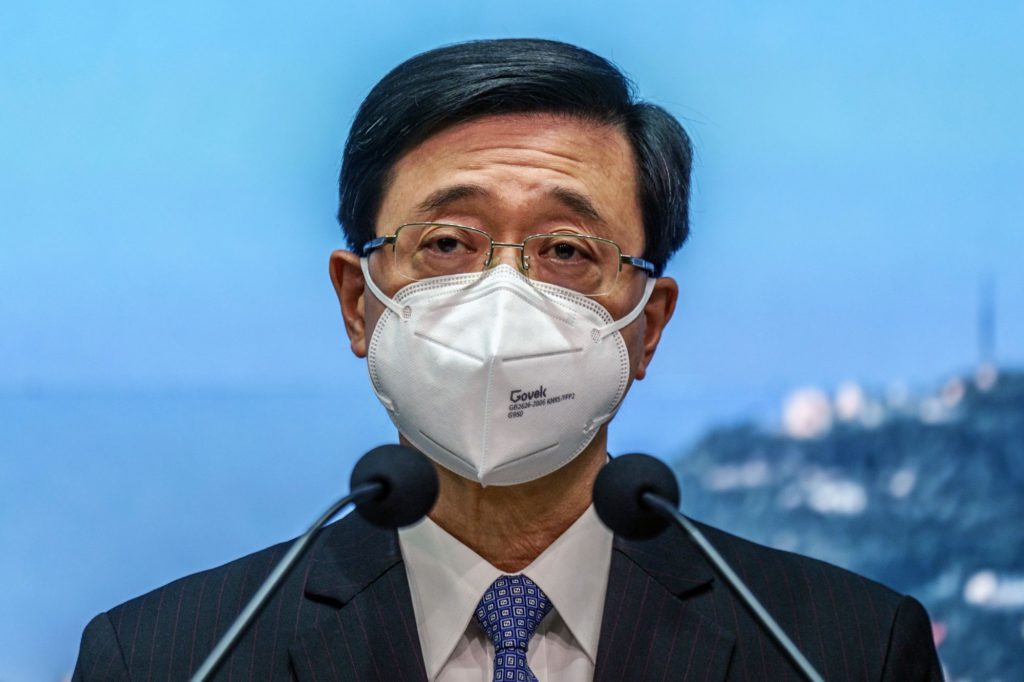
(Bloomberg) — Chinese President Xi Jinping praised Hong Kong’s next leader for defending national security and upholding stability at their first meeting since John Lee was selected as chief executive earlier this month.

The leader of the world’s second largest economy told Lee that the central government had “full confidence” in him on Monday afternoon, according to the official Xinhua News Agency. Xi also stressed China’s commitment to the “one country, two systems” principle and said the city’s new electoral process revamped by Beijing was “to be treasured and upheld in the long-term.”

Lee’s meeting with Xi was routine. It’s common practice for the incoming chief executive to visit Beijing to be formally appointed to the chief executive role, in line with the requirements of the Basic Law — the mini-constitution that governs Hong Kong.

Earlier Monday, Premier Li Keqiang gave Lee a letter approving his appointment, the final formality before he’s sworn into office on July 1. Li said China supported Hong Kong elevating its status as an international financial, trade and shipping hub, at a press conference. 

READ: Hong Kong’s Lee Pledges to Prioritize Security, China Ties

“I am deeply honored by the appointment and aware of the great responsibility,” Lee said in Beijing on Monday, according to a statement from the Hong Kong government. “I will spare no effort to live up to the trust of the state and the expectations of the people of Hong Kong.”

During his trip, the former police officer will likely submit his cabinet picks for the central authority’s approval and discuss a plan to restructure the Hong Kong government, according to local media reports, as well as meet with other top officials. Lee is expected to hold a news conference at Hong Kong airport upon his return Tuesday afternoon, according to the South China Morning Post. 

Lee’s trip to the capital is being conducted under a closed-loop system, meaning his entourage isn’t allowed to interact with anyone outside their meetings, the Post reported separately. That mirrors a protocol used for the Beijing Winter Olympics and a parliamentary summit in March, as China continues to pursue a rigid Covid Zero policy. 

The former chief secretary will be formally sworn into office on the 25th anniversary of the former British colony’s return to Chinese rule. He was picked by a group of some 1,460 election committee members who’d been vetted for their loyalty to the Chinese Communist Party, and ran unopposed.

Lee will face pressure to restore business confidence in the wake of the city’s restrictive hotel quarantine rules, address the affordable housing crisis and ease social divides that were inflamed by mass anti-government street protests in 2019 — challenges he spoke optimistically about in Beijing.

“I will unite all sectors of society,” he said, “to seek development and happiness for Hong Kong, and build a long-term prosperous, stable, caring and inclusive city.” 

(Updates with comments from President Xi Jinping.)

More stories like this are available on bloomberg.com

©2022 Bloomberg L.P.

Europe Faces an Old Methane Hotspot in Rush to Exit Russian Gas

(Bloomberg) —

A giant gas field in North Africa that Europe is banking on to make up for its shortfall in Russian imports risks complicating the bloc’s climate goals.

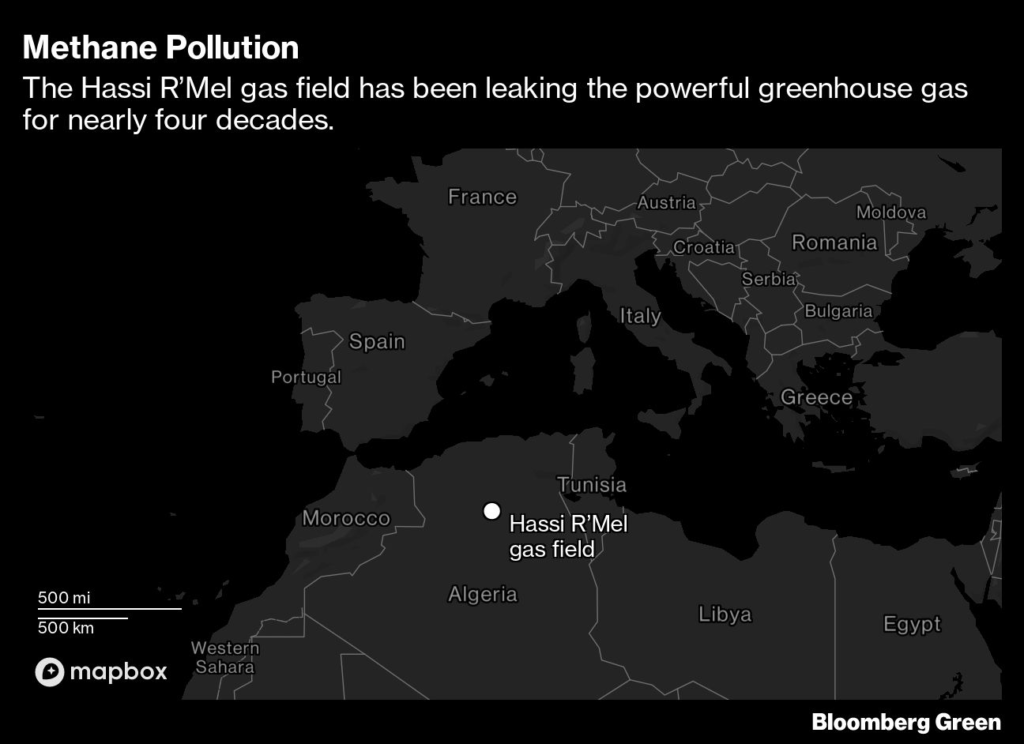
The Algerian facility has been leaking methane, a powerful greenhouse gas, for nearly four decades, according to an analysis of satellite data by scientists at Spain’s Valencia Polytechnic University that was funded by Greenpeace. The findings highlight the global warming impact of a country that provides about 8% of Europe’s gas imports and is the continent’s biggest supplier after Russia and Norway.

The most potent and persistent emissions were traced back to a compressor station at Hassi R’Mel, which helps transport gas to Europe and elsewhere. Algeria has the third-highest methane intensity of production among selected global oil and gas suppliers, according to the International Energy Agency, and the Hassi R’Mel basin is acknowledged as a global methane hotspot by scientists who study satellite data. 

But the new analysis adds to pressure on European Union lawmakers who have been looking to tighten controls of leaks from within the bloc and from key sources outside the continent. “The danger now is that Algeria holds more of the cards” because of the EU’s efforts to cut its reliance on Russian fossil fuels makes it more dependent on other suppliers, said Antoine Vagneur-Jones, head of trade and supply chains at clean energy research group BloombergNEF. “Pressuring it to act would be a lot harder than before.”

Methane has 84 times the warming power of CO₂ in the short term if released directly into the atmosphere, and stopping leaks has become a priority for some governments. Algeria didn’t join more than 100 countries in signing a pledge in November at COP26 in Glasgow to reduce emissions by 30% by 2030.

Sonatrach, the Algerian state oil and gas company that operates the Hassi R’Mel gas field, said its own emissions estimates are “much lower than what is announced elsewhere.”

“We have reduced flared gas emissions from 9 billion to 3 billion cubic meters per year,” said Toufik Hakkar, chief executive officer of Sonatrach. “I would also like to specify that we impose in all contracts with our partners the recovery of flared gases.”

Hakkar said Sonatrach had a meeting with the World Bank and “they told us that our estimates and methodology are good.” Sonatrach will soon publish, in partnership with the Algerian Space Agency, new results that back up their on-the-ground estimates, he said.

Estimating the total amount of emissions from fossil fuel basins can be tricky because the frequency of satellite observations over a given geographic area can be 24 hours or longer. The researchers at Valencia Polytechnic University estimated emissions rates up to 4.5 metric tons of methane an hour from the compressor station. The basin spewed an estimated 939,000 tons of methane last year, up 67% from the previous year, according to estimates from geoanalytics company Kayrros SAS, which used an inversion model to measure total emissions from all sources in the basin. That amount of methane has roughly the same short term climate impact as the annual emissions from about 17 million US cars. The EU signaled earlier this month that it would pursue decarbonization efforts with Algeria, with a focus on cutting methane emissions. One plan is to set up a “you collect, we buy” program with partner countries, where the bloc would purchase gas that would otherwise be intentionally released or burned off.The arrangement would incentivize gas companies to save more of their product — whose main component is methane — and provide the EU with more fuel. Around 46 billion cubic meters of the gas a year is lost to unnecessary venting or flaring, which companies do for safety reasons or when they don’t have anywhere to send the gas, according to the International Energy Agency. That’s almost a third of what the EU currently imports from Russia.

John Kerry, the US climate envoy, has also backed the idea. Operators must “plug the leaks of methane that are occurring in too many parts of the world,’’ he said at the World Economic Forum in Davos on Tuesday. 

Methane experts have praised the idea as a smart solution that could help benefit the planet and help Europe weather its energy crunch. “It’s genuinely a world-leading proposal,” said Jonathan Banks, global director for super pollutants at Clean Air Task Force. “It highlights the rapid climate wins possible at a time when most eyes are squarely on questions of energy security.”

More stories like this are available on bloomberg.com

©2022 Bloomberg L.P.

Ukraine Latest: EU Seeks Elusive Accord on Russian Oil Embargo

(Bloomberg) — European Union officials are meeting Monday to try to break an impasse over a proposed embargo on Russian oil imports amid continued resistance from Hungary.

The EU failed to strike a deal Sunday despite a push to get an agreement before a two-day meeting of the bloc’s leaders starting Monday afternoon in Brussels. Hungary is refusing to back a compromise despite proposals aimed at securing its Russian oil supplies, according to people familiar with the talks.

Meanwhile, Russia is planning a bond-payment mechanism to sidestep US sanctions and a potential default as a grace period ticks down on its latest missed coupons. On Sunday, Ukrainian President Volodymyr Zelenskiy visited front-line troops in the Kharkiv region in his first trip away from Kyiv since Russia’s invasion.

(See RSAN on the Bloomberg Terminal for the Russian Sanctions Dashboard.)

Key Developments

  • EU Nations Yet to Break Stalemate Over Russian Oil Embargo
  • Russia Comes Up With a New Bond-Payment Plan to Avoid Default
  • Rosneft Plans to Pay Record-High Annual Dividend on Oil’s Rally
  • Ukraine Faces a Dangerous New Adversary — Time: Balance of Power
  • Zelenskiy Visits Troops, Inspects Bombed-Out Housing in Kharkiv

All times CET:

Rosneft Plans Record Dividend (11:45 a.m.)

Russian oil giant Rosneft PJSC promised record dividends on the back of soaring prices, but some foreign investors may struggle to access the payout.

The board recommended 23.63 rubles a share for the second half of 2021, bringing full-year dividends to an all-time high of 41.66 rubles. That follows an announcement last week by Gazprom PJSC, which proposed its highest ever payout after benefiting from a supply crunch in Europe. The decisions of both companies will see the Russian state gaining the most, as it’s the biggest shareholder. Many foreign investors could have difficulties obtaining the payout following restrictions imposed by President Vladimir Putin.

Crypto Exchange Buys Eurovision Mic to Fund Drones (11:15 a.m.)

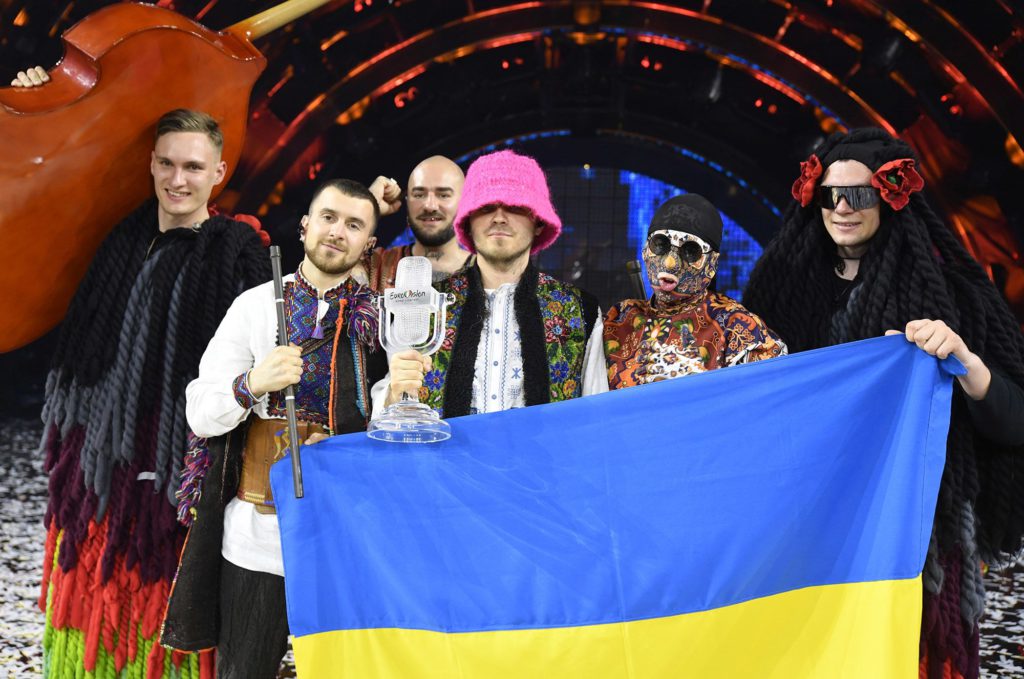
A crypto-currency exchange bought this year’s Eurovision crystal mic trophy from Kalush Orchestra, the Ukrainian rap-folk band that won the competition, to help it raise funds for their country’s military.

Estonian crypto exchange WhiteBit bought the trophy for $900,000 in an auction held on Instagram over the weekend. Oleh Psiuk, Kalush Orchestra’s lead singer, also sold his signature pink hat for 11 million hryvnia ($374,000). The money will be spent on drone systems, according to the band.

Kherson Farmers ‘Start Grain Sales to Russia’ (11 a.m.)

Part of last year’s grain harvest is being shipped from the southern Kherson region to Russia, Tass reported, citing Kirill Stremousov, a representative of the military-civilian administration there. Ukrainian farmers and officials have accused Russia of confiscating and stealing grain from areas it has seized. Russia almost completely occupies Kherson and Stremousov is deputy head of the administration.

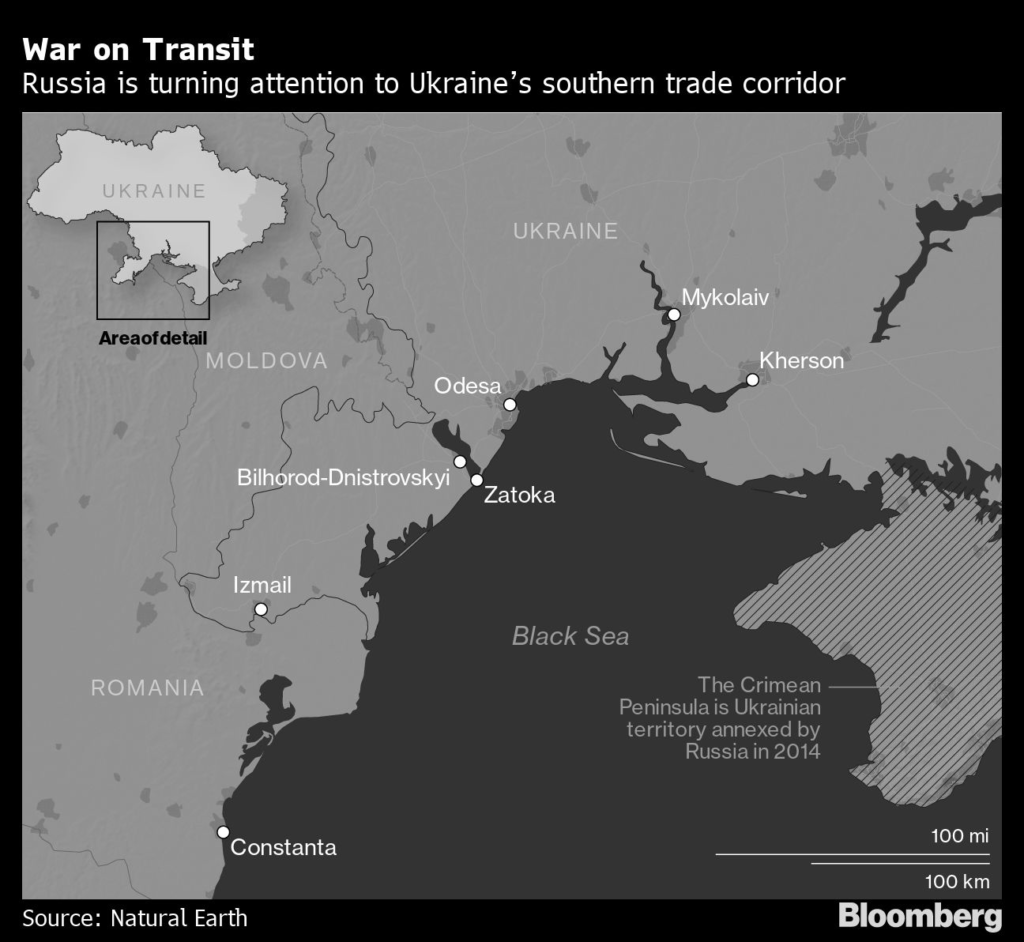
Separately, Taras Kachka, a deputy Ukrainian economy minister, called for warships to patrol the Black Sea to protect vessels carrying food exports from Russian attacks. His comments on Facebook followed reports of multiple Russian air strikes on a bridge in Zatoka between the Black Sea and the Bilhorod-Dnistrovskyi estuary, which is key for Ukrainian export shipments.

Ukraine’s exports have been limited to rail and road routes via neighboring EU nations since the war started, helping to keep grain prices near a record high.

Russian Advance in Sievierodonetsk Continues (9:30 a.m.)

Russian troops continue to advance toward the city center in Sievierodonetsk in the eastern Luhansk region, according to Serhiy Haiday, the local governor. “Battles are continuing, the situation is very difficult,” he said on his Telegram channel.

The city’s infrastructure has been ravaged, with 60% of residential buildings so severely damaged that they can no longer be repaired, Haiday said, adding that about 1 million of people in the occupied areas of Luhansk remain without a functioning water supply.

New French Foreign Minister Visits Kyiv (7:30 a.m.)

France’s new foreign affairs minister, Catherine Colonna, is visiting Kyiv on Monday, where she will meet Ukrainian counterpart Dmytro Kuleba and President Zelenskiy.

Colonna will underline France’s determination to reinforce its support for Ukraine, both humanitarian and financial, and in terms of supplying defense equipment, according to a statement from the foreign ministry. She will discuss the blockade of cereal and oil-seed exports from Ukraine in an effort to find concrete solutions as quickly as possible, the ministry said.

South Korea Conservatives Plan Ukraine Visit (5:44 a.m.)

Members of South Korean President Yoon Suk Yeol’s conservative People Power Party said they plan to visit Ukraine next month, as the government mulls sending more aid to Kyiv.

Yoon’s government may reach a deal with Canada that could include providing the North American country with as many as 100,000 artillery shells, which would then make their way to Ukraine, South Korean broadcaster SBS reported, citing an unidentified military source. Canada has been providing lethal weapons to Ukraine and recently requested South Korea to provide weapons to Ottawa, it said.

New Russian Bond-Payment Plan (1:12 a.m.)

The proposal would allow foreign investors to open accounts in Russian banks in both rubles and hard currency, Finance Minister Anton Siluanov said in an interview with the Vedomosti newspaper.

Unlike the previous payment system, investors would be able to access the funds without restriction, he was quoted as saying. The mechanism is still being discussed by the government, after which it will be presented to investors. Russia is back in default countdown as coupon payments in euros and dollars worth about $100 million hadn’t landed in investors accounts as of Friday evening, effectively triggering a 30-day grace period.

Zelenskiy Fires Kharkiv Security Head (9:30 p.m.)

Zelenskiy said he fired the head of Ukraine’s security service in the Kharkiv region, where he handed out medals earlier Sunday to troops fighting Russian forces.

“I dismissed the head of the Security Service of the Kharkiv region because, since the beginning of the war, he has not been trying to protect the city and was thinking only of himself,” Zelenskiy said on Telegram. He didn’t elaborate or provide the official’s name.

More stories like this are available on bloomberg.com

©2022 Bloomberg L.P.

China’s EV Growth Forecasts Are Starting to Look Shaky

(Bloomberg) — Optimism this would be a banner year for the world’s biggest electric-car market is starting to wane. After all, who wants to spend big bucks on a vehicle right now in China? 

Shanghai’s grueling two-month lockdown and whack-a-mole restrictions in cities from Beijing to Tianjin have had a deleterious effect on consumer confidence and left the economy reeling. In fact, not a single car was purchased in Shanghai in April — not surprising given no one could leave their homes and dealerships were closed.

At the start of the year, the China Passenger Car Association was forecasting 5.5 million EVs would be sold this year, up from 3.3 million last year. That could be under threat — even if demand quickly bounces back, automakers are struggling to operate at full capacity given Covid-19 restrictions on workforces and supply chain constraints. 

You just have to look at recent sales figures from the likes of Xpeng and Li Auto to see how big a hit the auto industry has taken. Xpeng deliveries plunged 42% in April from March to just over 9,000. Li Auto shipped just 4,167 vehicles in April, and earlier this month said it sees deliveries of 21,000 to 24,000 vehicles in the second quarter, well short of analysts’ expectations for 29,750.

Even Tesla hasn’t escaped, shipping just 1,512 vehicles from its Shanghai plant in April, when it was closed for three weeks. Production has now resumed, with the EV pioneer going to extreme lengths to get back to capacity of around 2,100 cars a day.

The easing of Shanghai’s lockdown and recently announced central government measures to kickstart the economy and revive auto sales may not be much help to EV makers, either. 

A 60 billion-yuan ($9 billion) tax cut on new car sales will mostly aid fossil fuel-powered automobiles, according to Fitch Ratings, given that EVs are currently exempt from the 10% purchase tax (a subsidy that is set to expire at the end of this year). That end-of-year cliff edge for EV subsidies is a timely reminder of how much more expensive battery-powered cars could get without further government support, especially given the recent pressure on battery prices.

It’s not all bad news on the subsidy front, however, with regional governments pitching in to help EV makers. Shandong is providing subsidies for fossil-fuel and electric vehicles, while Shenzhen and Guangzhou are offering 10,000-yuan subsidies for EVs and expanding license plate quotas for petrol and diesel-powered cars. Over the weekend, Shanghai increased the quota for car ownership this year by 40,000, and offered subsidies to EV buyers. 

Even so, Fitch’s China auto analyst, Jing Yang, says the firm’s forecast for 50% growth in EV deliveries this year may have to be “revisited” once the effect of all the government moves becomes clearer. “Demand could be negatively affected by lower value-for-money compared to internal combustion engine cars after subsidies and new tax relief, in particular amid surging battery costs,” Yang said.

Independent economist Hao Hong says annual vehicle sales are already high, and car ownership among those who can afford one is “rapidly” reaching saturation point.  

“Unless the rough management of lockdown goes away, it will be difficult for car sales to normalize,” Hong said. “People don’t spend when they’re despondent. Zero car sales in Shanghai in April is the epitome of the destruction caused by lockdown.”

More stories like this are available on bloomberg.com

©2022 Bloomberg L.P.
Eurovision Winner Sells Trophy for $900,000 to Buy Drones for Ukraine

(Bloomberg) —

A crypto-currency exchange bought this year’s Eurovision crystal mic trophy from Kalush Orchestra, the Ukrainian rap-folk band that won the competition, to help it raise funds for their country’s fight against the Russian military. 

Estonian crypto exchange WhiteBit, which is ranked 19 out of 624 on trust score by industry tracker CoinGecko, bought the trophy for $900,000 in an auction held on Instagram over the weekend. Oleh Psiuk, Kalush Orchestra’s lead singer, also sold his signature pink hat for 11 million hryvnia ($374,000). The money will be spent on drone systems, according to the band.

Kalush Orchestra won Eurovision amid a wave of viewer support across the continent for the song Stefania, which they dedicated to all Ukrainian mothers. They filmed a video for the song among ruined buildings destroyed during the Russian invasion. 

Read more: Russian Wins in Eastern Ukraine Spark Debate Over Course of War

Ukraine’s military, after repelling an initial Kremlin-led blitzkrieg, is now facing a renewed Russian push to take territory in the east using a more focused offensive and superior firepower.

Russian troops now control almost all of the Luhansk region and are threatening to encircle thousands of Ukraine’s most experienced troops, leading the government in Kyiv to issue increasingly urgent calls for more military assistance. 

More stories like this are available on bloomberg.com

©2022 Bloomberg L.P.
Telecom Italia Kicks Off Plan to Sell Network to State, Funds

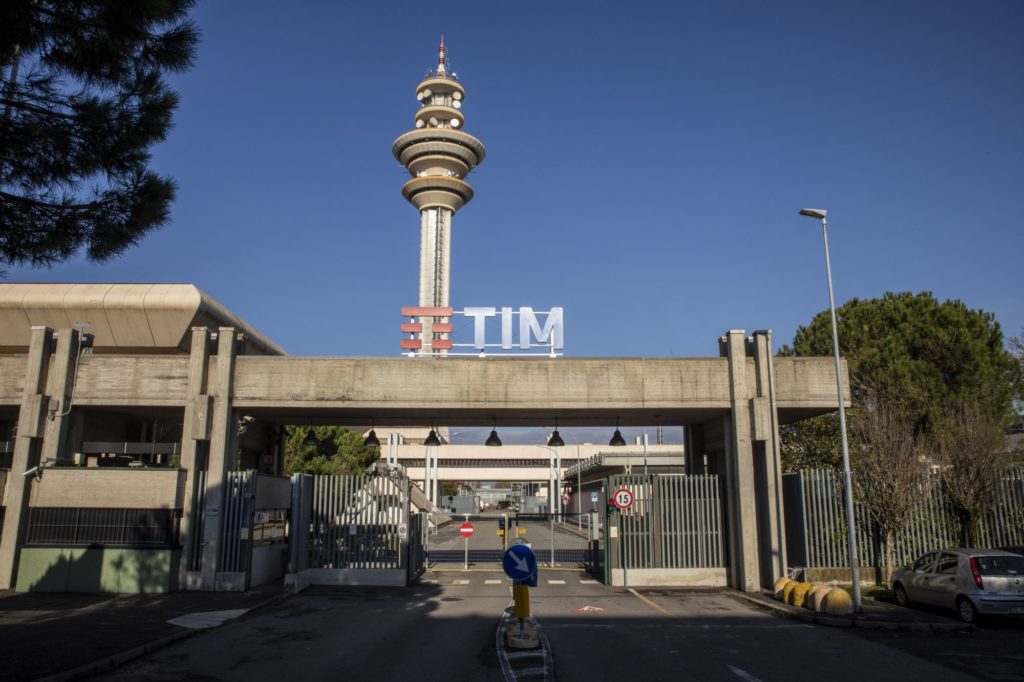
(Bloomberg) — Telecom Italia SpA said late Sunday that it’s preparing to sell off the entirety of its network, in a plan that would shift control of the multi-billion-euro asset to the Italian state. 

The carrier’s shares rose as much as 5.1% in early trading in Milan on Monday. Telecom Italia said it reached a preliminary, non-binding accord with state lender Cassa Depositi e Prestiti SpA, which serves as the government’s financial arm, to combine its grid with a similar network owned by smaller rival Open Fiber SpA, which is controlled by CDP.

The accord was also signed by Open Fiber, and Teemco, a Luxembourg company controlled by US private equity firm KKR & Co., which owns a stake in Telecom Italia’s FiberCop SpA fiber unit, and Macquarie Group Ltd., a minority investor in Open Fiber.

The news marks the end of an era for the carrier, which was privatized in 1997 and has struggled with financing for decades. The ex-monopolist is now hoping to use proceeds from the network sale to cut its staggering debt pile and kick-start a fiber rollout for a country that lags far behind its European peers.

Turnaround Plan

The deal will allow Milan-based Telecom Italia to “focus its activities in the Italian market on telecommunications and data transmission services as a priority,” the company said. 

Under the accord, Telecom Italia’s fixed network infrastructure activities will be split off from its commercial activities and merged with Open Fiber’s network. The involved parties plan to sign a binding agreement by the end of October.

Chief Executive Officer Pietro Labriola, an industry veteran, has been tasked with turning the troubled company around while striving to maintain its independence. 

Telecom Italia earlier this year rejected a 10.8 billion-euro ($12 billion) takeover proposal from KKR, preferring to push ahead with an in-house plan aligned with the Italian government’s goal of building a single national fiber network while avoiding duplicate investments. 

Labriola also wants to spin the company’s commercial services off into a separate unit. That process will need approval from Italian and European authorities, which could take several months, people familiar with the matter said. 


More stories like this are available on bloomberg.com

©2022 Bloomberg L.P.
Stocks Gain on China Virus Easing; Dollar Falls: Markets Wrap

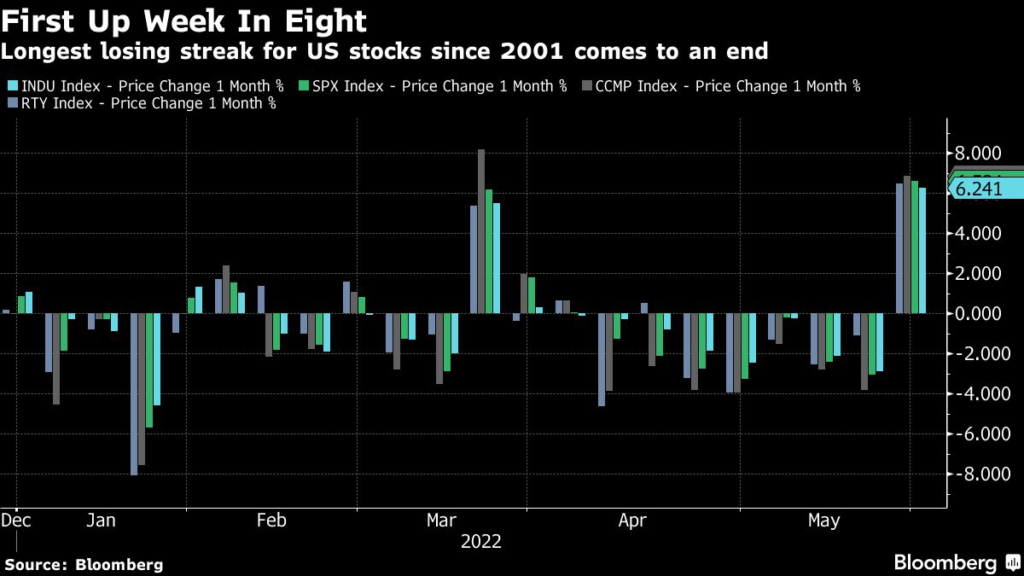
(Bloomberg) — Stocks and US futures advanced Monday after China eased some virus curbs and Wall Street had its best week since November 2020. 

European equities rose to the highest level in three weeks, trimming their monthly drop. Nasdaq 100 contracts climbed more than 1% and S&P 500 futures also gained in a sign the bounce may have further to run. The S&P 500 wiped out its May losses and snapped a string of seven weekly declines as institutional investors rebalanced portfolios into the end of the month.

Japanese and Hong Kong equities led gains in Asian stocks. China’s yuan outperformed after the nation reported fewer Covid-19 cases in Beijing and Shanghai. That spurred the government to ease some of the strict virus controls to stimulate sagging growth. 

The dollar slipped for a third day versus major peers as havens lost their appeal amid the improved mood. Cash Treasuries weren’t trading because of the US Memorial Day holiday.

Oil climbed in response to the easing of Chinese lockdowns and as the European Union worked on a plan to ban imports of Russian crude.

Spanish inflation unexpectedly quickened, denting hopes that the euro zone’s record price surge has peaked and piling more pressure on the European Central Bank to act. 

Read: Wild Five Months Leaves Wall Street Split on When Selloff Ends

Traders are pondering whether the bottom of the selloff is near as investors have been buying the dip after one of the worst starts to the year for equities. However, a wall of worries remains from hawkish central banks underscoring fears of a recession, escalating food inflation from the war in Ukraine and China’s lockdowns stunting economic activity.  

“We are in the middle of a bear-market rally,” said Mahjabeen Zaman, Citigroup Australia head of investment specialists, said on Bloomberg Television. “I think the market is going to be trading range-bound trying to figure out how soon is that recession coming or how quickly is inflation going down.” She added that Treasury yields are set to peak this year.

Traders will be looking to the US payroll numbers later this week to gauge the Federal Reserve’s tightening path as it strives to rein in inflation. Meanwhile, the Fed is set to start shrinking its $8.9 trillion balance sheet starting Wednesday. 


China in Danger of Exporting Fresh Inflation Turmoil: MLIV Pulse

Here are some key events to watch this week:

  • US markets closed for Memorial Day Monday
  • EU leaders start a two-day special meeting in Brussels Monday with the war in Ukraine, defense, inflation, energy and food security on the agenda
  • China PMI Tuesday
  • Euro zone CPI Tuesday
  • The Federal Reserve is set to start shrinking its $8.9 trillion balance sheet Wednesday
  • The Fed releases its Beige Book report on regional economic conditions Wednesday
  • New York Fed President John Williams, St. Louis Fed President James Bullard speak at separate events Wednesday
  • OPEC+ virtual meeting Wednesday
  • Cleveland Fed President Loretta Mester discusses the economic outlook Thursday
  • US May employment report Friday
  • The UN’s Food and Agriculture Organization releases its monthly food price index at a time of maximum concern about global supplies on Friday

Some of the main moves in markets:

Stocks

  • The Stoxx Europe 600 rose 0.7% as of 8:14 a.m. London time
  • Futures on the Nasdaq 100 rose 1.4%
  • Futures on the Dow Jones Industrial Average rose 0.6%
  • The MSCI Asia Pacific Index rose 2%
  • The MSCI Emerging Markets Index rose 2%

Currencies

  • The Bloomberg Dollar Spot Index fell 0.2%
  • The euro rose 0.2% to $1.0755
  • The Japanese yen fell 0.1% to 127.25 per dollar
  • The offshore yuan rose 0.9% to 6.6615 per dollar
  • The British pound was little changed at $1.2632

Bonds

  • Germany’s 10-year yield advanced six basis points to 1.02%
  • Britain’s 10-year yield advanced five basis points to 1.97%

Commodities

  • Brent crude rose 0.3% to $119.83 a barrel
  • Spot gold rose 0.5% to $1,863.69 an ounce

More stories like this are available on bloomberg.com

©2022 Bloomberg L.P.

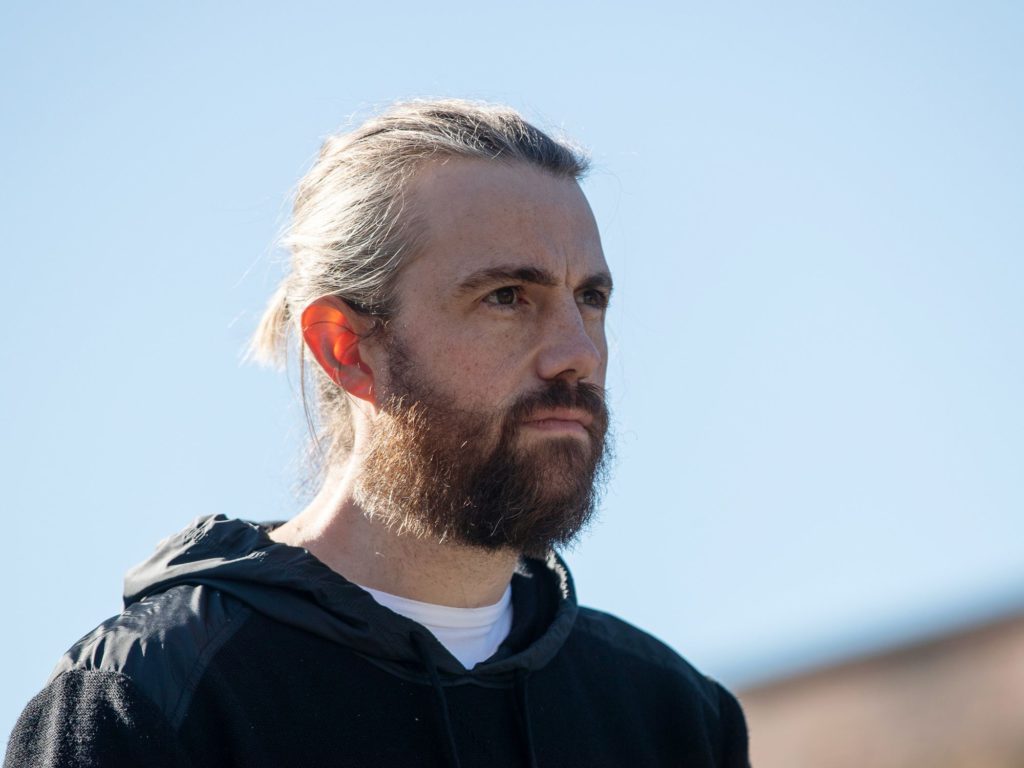
Who Is Tech Tycoon-Turned Climate Activist Mike Cannon-Brookes

(Bloomberg) — Atlassian Corp. co-founder Mike Cannon-Brookes’s day job has catapulted him up the Bloomberg Billionaires Index since the software firm’s US listing in 2015. It’s what he calls his night and weekend work that’s turned him into a climate crusader.

The campaign by Australia’s fourth-richest person to halt the breakup of utility AGL Energy Ltd. is just one of a raft of initiatives and investments he’s launched in recent years intended to speed up action to curb emissions, and aimed at seizing opportunities as the world decarbonizes.

What has his career involved?

The 42-year-old set up Atlassian, a supplier of work-collaboration software, with friend Scott Farquhar after graduating from university, funding it with credit cards, so that — Cannon-Brookes has claimed — he’d never have to wear a suit to work. The Sydney-based firm went public in New York in Dec. 2015. Cannon-Brookes remains co-chief executive officer and is chairman of Australian investment firm Blackbird Ventures. 

How has he campaigned for climate action?

Cannon-Brookes’s activism came into public view in 2017 when he challenged Elon Musk via Twitter to help fix power failures in South Australia by installing a 100 megawatt Tesla Inc. battery plant — at the time the world’s largest — and do it within 100 days, or complete the work for free. The project’s success is seen as having strengthened the case for wider adoption of energy storage batteries. 

With iron ore billionaire Andrew Forrest, Cannon-Brookes signed up to an early investment round in Sun Cable — a A$30 billion ($21.9 billion) project which aims to export solar power from Australia’s Outback to Singapore via a 2,600-mile high-voltage undersea cable.

He previously tangled with former Prime Minister Scott Morrison over Australia’s commitment to renewables, and also backed plans to create one million jobs in green energy in the nation.

Is AGL his first activist campaign?

In 2019, his personal office Grok Ventures joined other investors in BHP Group in demanding the world’s top miner suspend ties with industry groups seen as hindering climate change goals. 

Earlier this year, Grok joined a A$20 billion Brookfield Asset Management-led takeover offer for AGL, which was rejected. The partners planned to quickly replace coal plants with clean energy and storage capacity, enabling the utility to hit net zero emissions by 2035.

Is he likely to go after other companies?

It’s possible, as Australia has other major polluters that have been criticized for a laggard approach on emissions reduction. 

Grok has also invested in firms including home energy efficiency company Sealed, plant-based meat alternative producer Fable Food Pty. and solar technology developer SunDrive Solar.

Cannon-Brookes has pledged to give A$1.5 billion directly to climate causes. 

What else does he invest in?

He’s bought up luxury real estate across his home state of New South Wales, including multiple waterfront mansions in Sydney. 

Other notable corporate investments have been in sporting clubs. Cannon-Brookes is a minority owner of Utah Jazz basketball club and purchased a stake in the South Sydney Rabbitohs, making him one of the rugby league team’s most prominent supporters, alongside actor Russell Crowe and Australia’s new PM Anthony Albanese. 

More stories like this are available on bloomberg.com

©2022 Bloomberg L.P.
Venture Firm Atomico Taps Ex-Revolut Executive Hoang as Partner

(Bloomberg) — Venture capital firm Atomico has tapped former Revolut Ltd. executive Don Hoang as its newest partner, giving it a seasoned leader to back companies with a focus on the financial technology and mobility sectors.

Hoang joins London-based Atomico as the firm is raising $1.35 billion in new funds for financing startups, Bloomberg News reported in March. Led by Skype co-founder Niklas Zennstrom, Atomico was founded in 2006 and has backed startups including Klarna Bank AB and Stripe Inc. 

Previously Revolut’s vice president of global business and before that an executive at Uber Technologies Inc., Hoang said in an interview that he will make investments at the Series A and growth stages and sees opportunity in the emerging field of decentralized finance. 

Amid turbulence in private markets and plunging public technology stocks, Hoang said he still saw opportunity in Europe’s booming venture sector as established US funds open up local branches. He said Atomico was suited to weather the current market since it backs startups at the earlier stages. 

“There’s something special happening in the European venture community at the moment. You see all these funds coming to Europe, you see a lot of opportunity,” Hoang said. “We’re quite well diversified to handle volatility at any one stage of the cycle.”


More stories like this are available on bloomberg.com

©2022 Bloomberg L.P.
Next Hong Kong Leader John Lee to Meet China’s Xi in Beijing

(Bloomberg) — Hong Kong’s next leader John Lee will meet Chinese President Xi Jinping and other top leaders during his first visit to China’s capital since his selection as chief executive earlier this month, according to local reports.

Premier Li Keqiang gave Lee a letter approving his appointment on Monday, the final formality before he’s sworn into office on July 1. Li said China supported Hong Kong elevating its status as an international financial, trade and shipping hub, at a press conference with Lee. 

He also stressed that implementing the “one country, two systems” principle was key to the city’s long-term prosperity. Local broadcaster Commercial Radio reported Monday that Lee would meet Xi in the afternoon. He is expected to hold a press conference at Hong Kong airport upon his return from his four-day-trip on Tuesday, according to the South China Morning Post.

The former police officer will also submit his cabinet picks for the central government’s approval while in Beijing, the Post said, citing unidentified people. Lee is expected to discuss with Chinese Vice Premier Han Zheng a plan to restructure the government, the newspaper reported, adding that he’s likely to meet with Public Security Minister Zhao Kezhi, who oversees the Communist Party’s leading group on Hong Kong and Macau affairs. 

Lee’s trip to the capital will be conducted under a closed-loop system, meaning his entourage won’t be allowed to interact with anyone outside their meetings, the Post reported separately. That mirrors a system used for the Beijing Winter Olympics and a parliamentary summit in March, as China continues to pursue a rigid Covid Zero policy. 

This will be Lee’s first sit down with Xi since he was picked earlier this month by a group of some 1,460 election committee members who had been vetted for their loyalty to the Chinese Communist Party. He ran unopposed. 

Lee’s meeting with Xi is considered routine. It’s common practice for the incoming chief executive to visit Beijing to be formally appointed to the role, in line with the Basic Law governing Hong Kong.

The former chief secretary will be formally sworn into office on the 25th anniversary of the former British colony’s return to Chinese rule. He’ll face pressure to restore business confidence in the wake of the city’s restrictive hotel quarantine rules and address the affordable housing crisis.

(Updates from paragraph two with comments from Li Keqiang.)

More stories like this are available on bloomberg.com

©2022 Bloomberg L.P.
Close Bitnami banner
Bitnami